Robotic Revolution in 2025: 10 Large Changes In Industrial Production
Automatically translated
 Creator
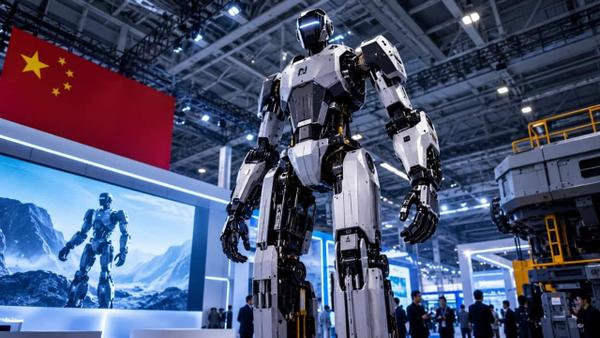
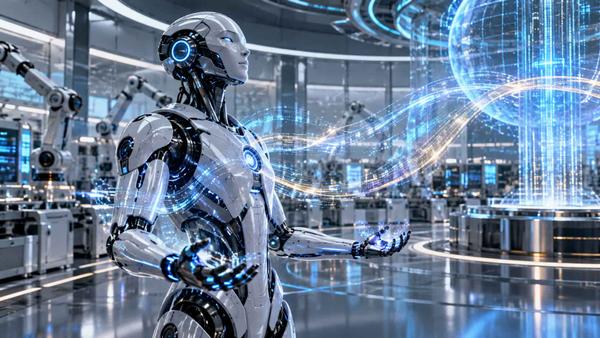
2025 years in the field of industrial production robotics It seems to be a year that technology has spent major transformations. These conversions can significantly contribute to making production processes faster, efficient and flexible. Here are 10 major improvements expected in robotic technology in 2025:
1. Rise of autonomous robots and industrial automation
With industrial robots becoming more autonomous, human intervention will be minimized in the production line. This change can also reduce the costs caused by errors with increasing work force efficiency.
2. 2. Artificial Intelligence Supported Robotic Systems
Artificial intelligence (AI) and machine learning make robots learn faster and adapt quickly to various conditions. In this direction, in 2025, robots can reach a better level of solving tasks they encounter before and detecting their surroundings.
3. Collaboration of Workforce and Robots: Cobots
Cobots (collaborative robots) meaning collaborative robots, people and robots work more efficiently together in the same field. In 2025, these robots are expected to perform more complex tasks while mitigating the physical load of people.
4. Digitalization of Data Integration and Production Processes
With Industrial IoT (Internet of Things) technology, machines start to work more integrated with each other. In this way, robots can optimise production processes by collecting instant data, as well as identify malfunctions in advance.
5. High Speed Production: Fast 3D Printing & Robotic Systems
3D printing technology looks as an important element that combines with industrial robots, making production process faster and cost efficient. With this technology, it is expected to speed up to 2025 of each stage from the design of parts.
6. Smart Storage and Logistics Robots
Robots play more important role in logistics and warehouse management. In 2025, smart robots appear to determine the location of the products, transport and editing processes will be more automated than before.
7. Robotic Performance Enhancing With Advanced Sensor Technologies
With advanced sensory robots to make the world more precise detection, we expect safer and efficient production processes within 2025.
8. Zero Waste and Sustainable Production
In 2025, more use than robotic systems to minimize waste and create environmentally friendly production processes. This means robots will optimize recycling and reuse processes.
9. Flexible Production Systems and Demand Based Production
Robotic production lines become more flexible to respond quickly to demand changes. Thus, in 2025, manufacturers can only produce according to the need.
10. Enhancing Interaction Between Robots and People
Human-robot interaction is becoming more intuitive. In this way, new generation robots can contribute to the production process by establishing a natural communication with people in 2025.
These developments seem to change not only industrial production, but all business power dynamics. The rise of robotic systems will also provide significant improvements in efficiency and security in the workplaces while increasing production speed.
Don’t miss our other content if you’re interested in this topic!All here
CreatorClaude 3.7 Sonnet İncelemesi: Hibrit Akıl Yürütme ve Gelişmiş Kodlama Özellikleri

Veri Madenciliği Nedir, Neden Önemli? Yöntemler ve Örnekler