




AI Goal Planning: Track Your Goals in 15 Minutes a Day
Automatically translated
 Writer
It is early morning, and the entrepreneur sitting down at the desk knows that today they need to do just one thing: take the step that will have the biggest impact on revenue. But when noon arrives, what remains is a three-hour sense of busyness and a priority list nobody has touched. Messages, dashboards, administrative tasks and other people's agendas have quietly eaten the most valuable hours of the day. This is one of the oldest ironies in entrepreneurship. Goals rarely die from a lack of ambition. They die from divided attention.
A idea spreading quickly in entrepreneur circles lately offers a new answer to this old problem: a personal AI "chief of staff" built without writing code, without building a team, using only a Google Sheet and a set of instructions. It is not a sophisticated version of goal-setting practice but the opposite, a system simple enough for anyone to set up in fifteen minutes. Yet behind this simplicity lies a proposal that makes you rethink the relationship between entrepreneurial culture and the economy of attention.
Traditional productivity tools and static agendas fall short against this dynamic flow. At exactly this stage, it becomes necessary to involve AI not just as a text generator but as a proactive partner in personal planning and strategy. Ben Angel presents a methodology for turning large goals into sustainable daily steps, based on an AI system that requires only a 15-minute no-code setup.

Why Do Goals Die on Tuesdays?
The classic productivity narrative always codes failure as a discipline problem: a better app, a more detailed calendar, a smarter ChatGPT goal-planning prompt. Yet none of these tools tells you that sales are slowing, that the pool of potential customers is thinning, or that your most productive morning hours are no longer going to the most important issue in your business. They only record what you want to do. They do not take the pulse of the work.
This is where the difference of this approach becomes clear. Rather than a passive notebook, it means building a structure that reads sales, traffic and lead data on its own, compares them with a million-dollar goal, and suggests the highest-value action of the day. This is the point where the idea of AI personal planning breaks away from the classic "to-do list" logic.
15-Minute No-Code Setup: How Does the AI Operations Lead Work?
The appeal of the system comes not from technical complexity but from its radical simplicity. You define your goal, the numerical indicators you want to track, and how far the AI may intervene when you drift off course. A prepared set of instructions and a single spreadsheet handle the rest.
This architecture, which requires no technical infrastructure or coding knowledge, is essentially made up of a database (for example a simple Google Sheet) and a properly structured sequence of instructions (prompt architecture). Going beyond the ChatGPT goal-planning approach, which passively waits for questions, this system creates an autonomous oversight loop.
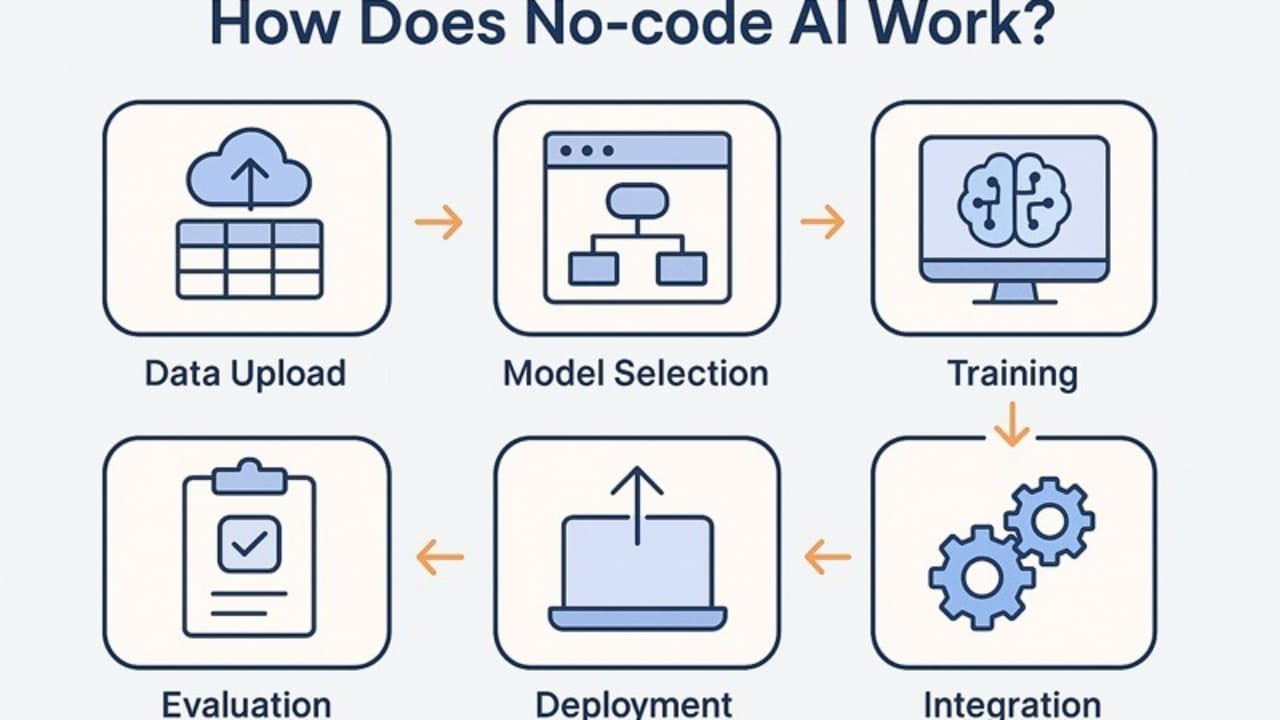
The system works through five basic stages:
Goal and Metric Definition: The main financial or strategic goal is defined in the system, and the data fields to track (sales figures, traffic, lead data) are specified.
Process Reading and Analysis: The AI agent reads the entered data daily and compares the current situation with the main goal.
Identifying the High-Value Action: It highlights the single critical task for that day with the greatest potential to generate revenue or move toward the goal.
Drift and Fatigue Detection: When it notices that you are losing time on low-priority work or that your motivation or performance is dropping, it rearranges the schedule.
Directing Specialist Agents: If traffic drops, it brings in a research agent; if content is needed, it brings in an idea-development agent to support the process.
One Table, One Instruction
The setup is not a software project in the classic sense. A Google Sheet holds the raw data that reflects the pulse of the business, while a single copyable set of instructions defines how to read this data, which thresholds should trigger alerts, and what recommendations to make. No code, no integration headaches, just a clear framework.

A Five-Part Operating Loop
Every day the system runs the same loop: read the current state, compare it with the goal, identify the highest-value action, keep the entrepreneur focused on that action, and step in when they drift. Unlike typical AI productivity tools that expect the user to ask the right question, this loop identifies the problem itself and brings it to the surface.
1. Reading Sales, traffic and lead data are scanned daily.
2. Comparison Current progress is compared with the defined million-dollar goal.
3. Prioritization The single most impactful action of the day is identified.
4. Focus Tracking When you drift into low-value work, you are gently called back.
5. Adaptation If energy drops, the scope is narrowed; if sales slow, a recovery plan is suggested; the schedule is rearranged when needed.
The Political Economy of Attention
Classic productivity culture claims that giving entrepreneurs ever more options sets them free. Yet it is now well known that an abundance of options creates cognitive bottlenecks and leads to decision paralysis. The promise of AI goal-planning systems comes in exactly here. Instead of multiplying options, they reduce them, cutting through the noise to show only what truly matters at that moment. It is an almost austere logic that runs against the usual "more tools" narrative of productivity literature.
Feature | Traditional App / Calendar | AI Chief of Staff System |
Data reading | Passive, depends on user input | Active, scans sales/traffic/lead data daily |
Prioritization | User decides on their own | System suggests based on the goal |
Drift detection | None, or noticed late | Detects and intervenes during the day |
Setup effort | Low, but high ongoing maintenance | One-time, about 15 minutes |
Decision authority | Entirely with the user | Suggestions come from AI, approval remains with the user |
How Can AI Be Used for Productivity?
Here, it is necessary not to view AI productivity simply as doing more work. The real question is being able to focus on more meaningful work within the same amount of time.
Because productivity is not always speed. Sometimes productivity means recognizing that among hundreds of tasks, only one truly matters.
This is exactly where the value of this system for entrepreneurs takes shape. AI takes on mental loads such as calculation, data tracking, prioritization and preparation, while the final decision stays with the human. It is especially emphasized that critical decisions about money, customer relationships, publishing or major commercial commitments should be made by the entrepreneur.
Can ChatGPT Be Used for Goal Planning?
A similar approach can be adapted to ChatGPT goal-planning processes too. A user can share a specific financial, career or business goal with ChatGPT and ask it to break this goal into monthly, weekly and daily stages.
For example, a broad goal such as "I want to increase my business's monthly revenue within a year" can be turned into measurable steps such as market research, customer analysis, sales conversations, content production and weekly performance reviews.
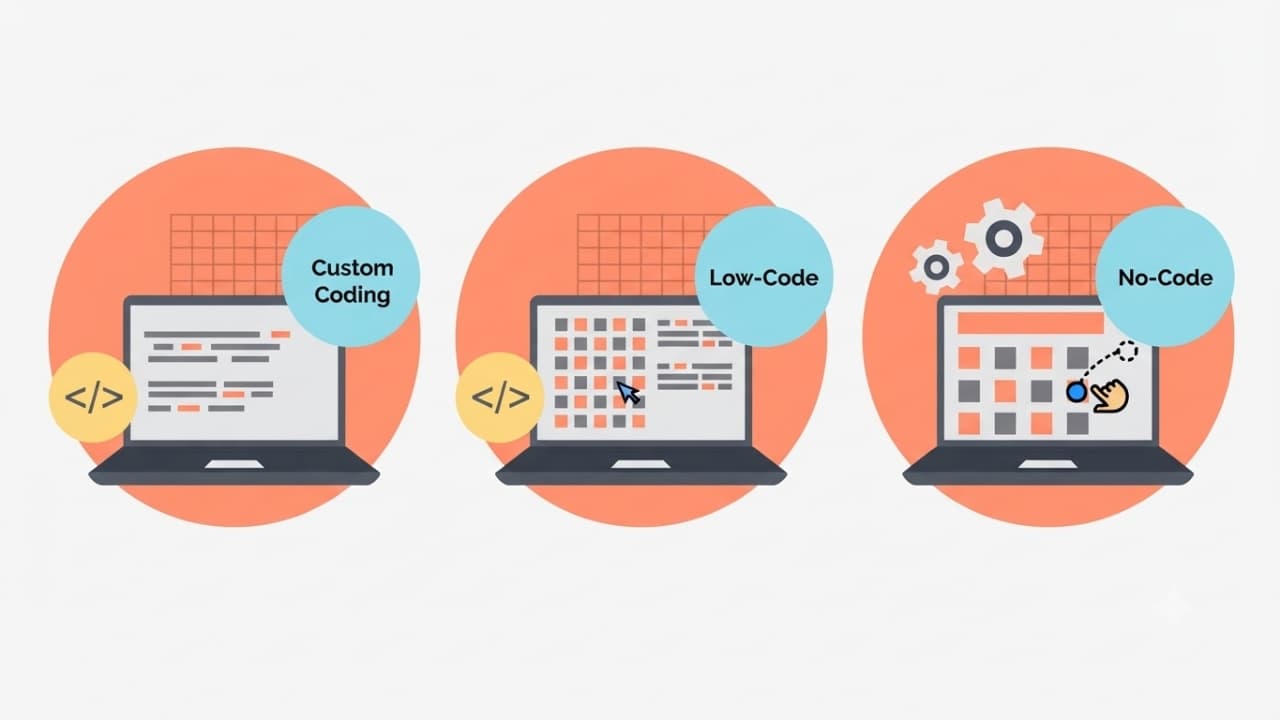
However, there is an important distinction here: the task of AI is not to set goals in place of people, but to make the goal a person has set more understandable and easier to track.
For this reason, a good AI goal-planning system should not only answer the question "what should I do?" but also keep questions like "why am I doing this, how close am I to my goal, and does the work I am doing today really serve this goal?" on the agenda.
Risk and Opportunity: Who Holds Control?
There is one distinction repeatedly emphasized in these systems. While the system takes on monitoring, calculation and preparation, decisions about money, customers, publishing or major commitments remain with the entrepreneur. This distinction also points to the most debated question about AI personal planning tools: where does autonomy end and where does the delegation of authority begin?
Risks | Opportunities |
The tendency to trust blindly the "highest-value actions" suggested by AI | A low-cost system that can be built with a single table, without knowing how to code |
If data quality is low, the priorities the system produces may also be wrong | Early detection of distraction during the day |
The risk that automated prioritization replaces strategic thinking | The ability to flexibly narrow scope according to energy and capacity |
Practical Takeaways for Entrepreneurs
The scalability of the system is another notable dimension. The chief of staff can be expanded over time to call on specialist agents. When the content pipeline stalls, it can ask for researched video ideas; when web traffic drops, it can prepare a review; when the calendar is overloaded, it can rebuild the week around the work most closely tied to sales and leads. This is a concrete sign that AI productivity tools are evolving from single-task assistance toward a continuous operational role.

Building ChatGPT goal-planning attempts not as one-off prompts but as part of a daily loop is what reveals the tool's real value. The system itself is not miraculous, but it eases the burden of renegotiating every morning where your attention will go. And perhaps the most valuable thing in entrepreneurial practice is not this decision-making itself, but having time left over to make decisions.
WriterYapay Zeka Öğrenmeye Nereden Başlanır?


Dario Amodei'den Yapay Zeka Uyarısı: Sektör Yalan Söyledi


