



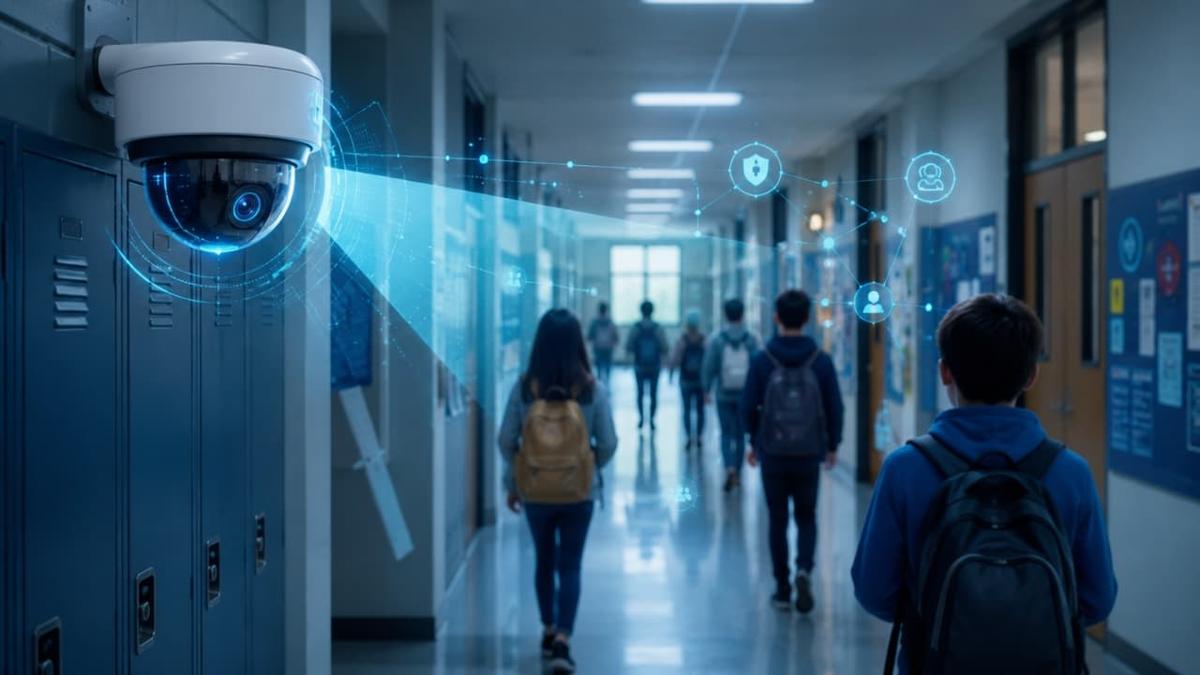
AI School Safety: A New Era Begins
Automatically translated
 Writer
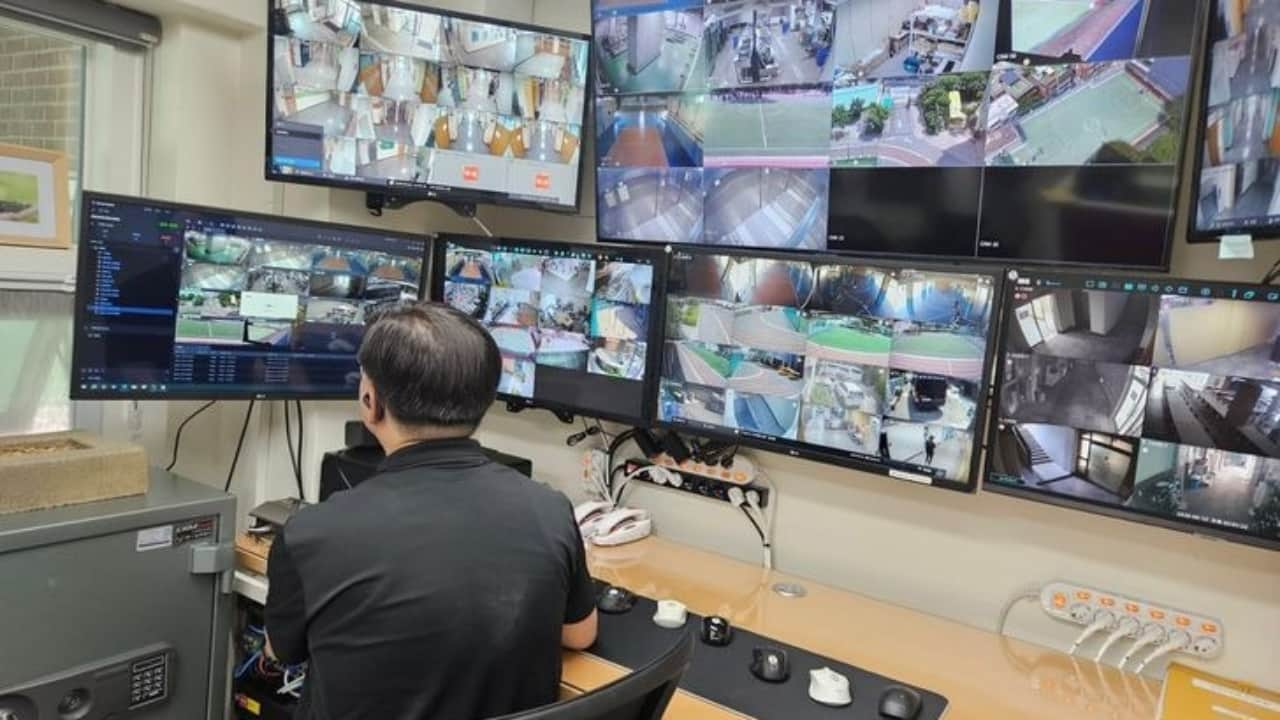
We are entering a period in which school corridors are watched not only by teachers' eyes but also with algorithmic attention. In South Korea, educational institutions are deploying AI-powered surveillance systems that can detect bullying as it happens and turn it into a response, fundamentally redefining the concept of school safety. In a control room set up at a high school in Seoul's Seodaemun district, every student on the field is tracked with a blue marker, and when a push-like movement between two students is detected, the system flags it as a possible fight and sends an instant notification to the administrator's phone.
From Security Cameras to Early Warning Systems: A Paradigm Shift
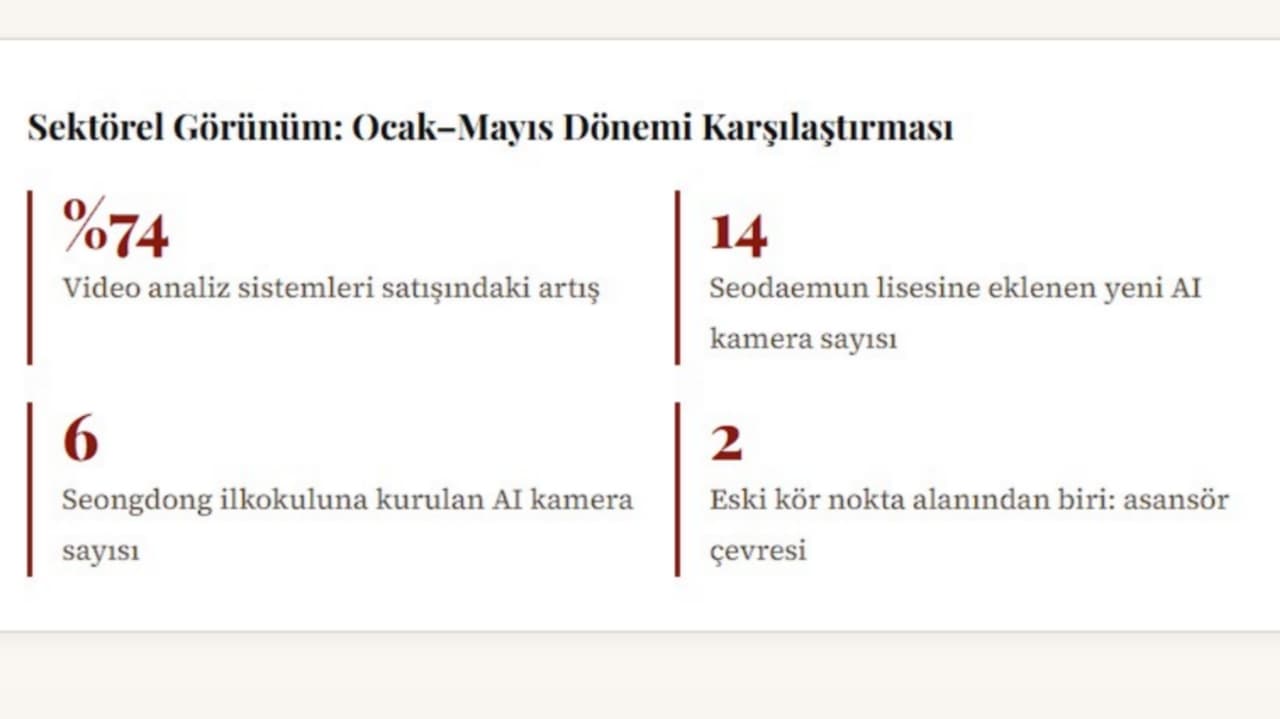
Traditional security cameras have long been criticized by educators as passive tools that only provide evidence after an incident. Today, schools are racing to eliminate blind spots altogether. S-1, a company operating in security technologies, announced that sales of video analysis systems, including AI-powered cameras for schools, rose markedly in January-May of this year compared with the same period last year. This data is a concrete indicator of what the academic literature could call a shift from reactive security to predictive security.
From Motion Analysis to Instant Alerts
The system's operating logic is based on behavior recognition algorithms from the field of image processing. Sudden and irregular movements that occur when two or more people are close to each other are analyzed, and when a possible physical clash is detected, the system notifies administrative staff without waiting for human intervention. The high school at Seodaemun has installed fourteen new cameras covering areas previously considered blind spots, such as the playground, the waste collection area, and the surroundings of two elevators. School administration states that after this investment, there is no longer any unmonitored area on campus.
Perception of Boundary Violations: Virtual Geofencing Technology
Another notable component of the system is the virtual boundary application defined for restricted areas, such as the rooftop entrance of the gymnasium. If this boundary is crossed, the system issues an audio warning, so behavioral deterrence is provided even without a physical barrier. This approach is a concrete example of spatial rules being digitally encoded in smart school system design.
AI Offers a New Approach to Detecting Bullying
Bullying in schools often happens in unseen places, and teachers may be slow to notice an incident in time to intervene. The new generation of AI-powered surveillance systems aims to identify risky situations at an early stage by analyzing camera footage, behavioral patterns, and unusual movements.
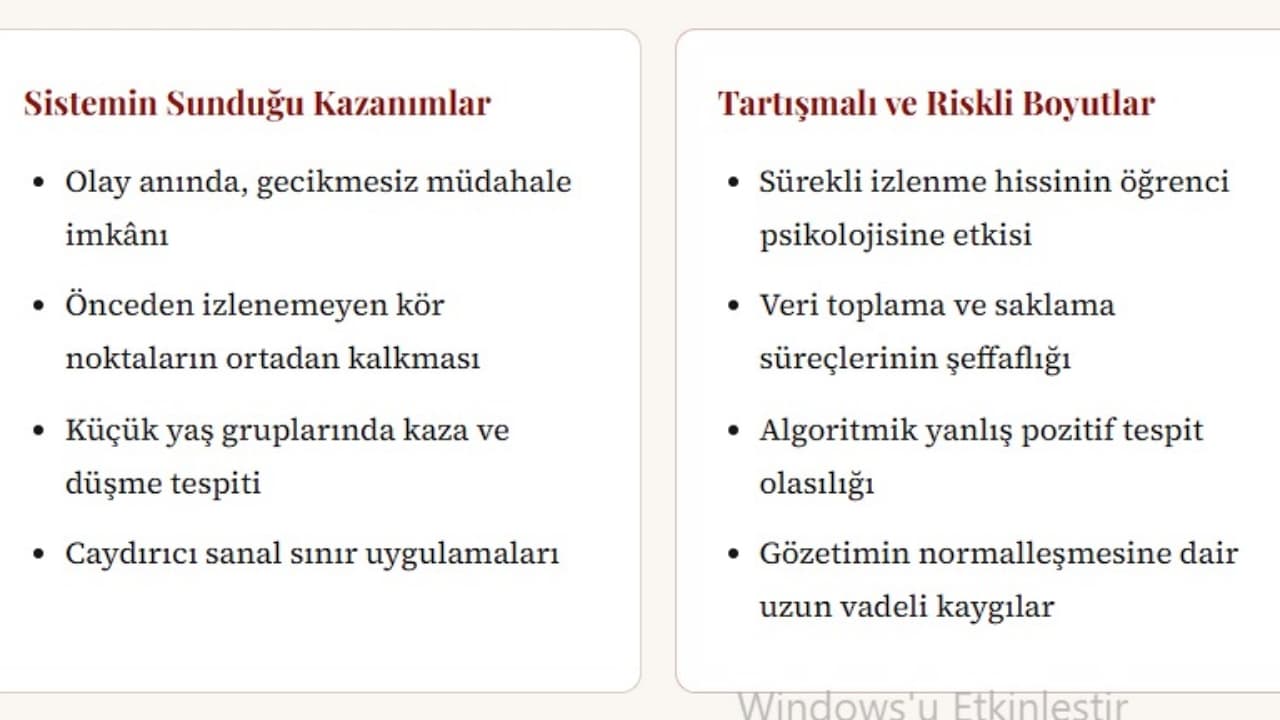
Thanks to this technology, physical clashes, threatening behavior, or signs of bullying among students can be noticed more quickly and reported to school administrations. In this way, the "post-incident response" model of classic security thinking gives way to a "take action before the incident happens" approach. Some smart security applications in South Korea also aim to increase early response capacity with AI-based analysis systems.
How Smart School Systems Are Changing Education Security
Schools of the future will not consist only of technology-equipped classrooms or digital course materials. A smart school system forms a broad structure that includes data-driven solutions for student safety, reducing teachers' workload, and enabling school management to make more efficient decisions.
AI-powered security systems have the potential to identify unusual situations by analyzing student movements, detect risky areas within the school, and help security teams act faster. These developments in educational technology aim to make the school environment more controlled and safer.
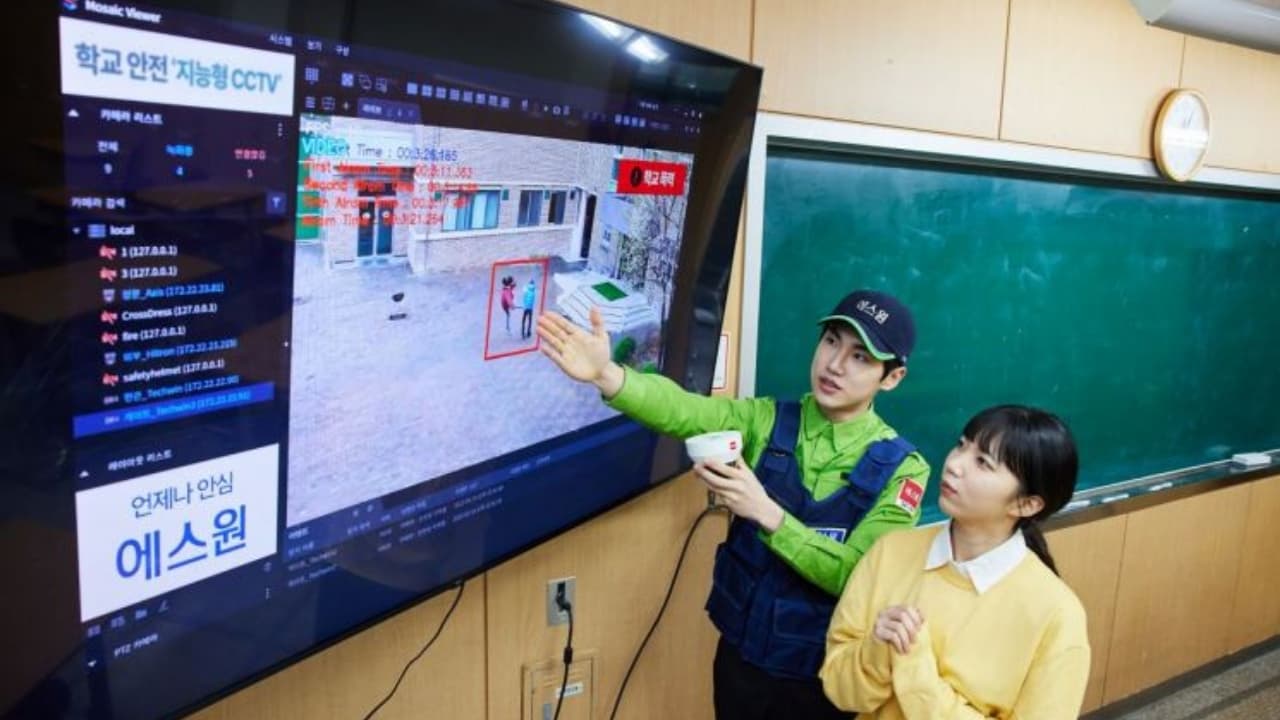
However, in academic circles, this transformation is assessed not only in terms of technological success but also in terms of its ethical dimensions. Student privacy, the protection of personal data, and the role of AI in decision-making processes are among the key topics that need to be discussed. Similar AI monitoring systems used in different countries raise new questions about data privacy alongside their security benefits.
Balancing Security and Ethics in Educational Technology
Using AI in schools offers important opportunities for education systems. In large educational environments where teachers cannot monitor every point at all times, AI systems can serve as a supportive tool. The analytical power AI offers stands out particularly in early detection of bullying, cyberbullying, and students' psychological risks. Academic studies also show that AI-based systems are being researched to detect online bullying content and support intervention processes.
Nevertheless, positioning AI as an observer requires educational institutions to develop careful policies. Technology should be used to increase student safety, but it should not turn into a structure that makes students feel they are constantly being watched.
Social Context: The Erosion of Teacher Authority and the Influence of Popular Culture
The driving force behind this technological leap is not merely a technical choice but also a reflection of a social concern. The weakening of authority relations in classrooms and the rising public sensitivity to school bullying are considered among the main factors fueling these investments. The Netflix series "Teach You a Lesson," which sparked debate with its intense bullying scenes, also stands out as a cultural reference point that strengthens this public perception. From an academic perspective, the indirect influence of popular culture products on public policy and technology investment decisions offers an example worth examining in the sociology of education.

Safety at a Young Age: The Seongdong Elementary School Example
The application of the technology is not limited to bullying. An elementary school in Seoul's Seongdong district has this year installed six AI-powered cameras at the parking area entrance connected to students' route to school. These cameras work with an algorithm that recognizes falling movements, and if a student falls to the ground, a loud alarm is triggered in the control room. School administration states that this system increases the capacity to respond immediately to serious accidents involving young students.
Algorithmic Surveillance on a Global Scale: A Prototype for Other Countries?
This technological move initiated by South Korea is not confined to Asia and serves as a comprehensive laboratory for global education policies. In particular, the United States, the United Kingdom, and some European countries, which are struggling with similar peer bullying, school violence, and discipline problems, have begun closely following the operational outcomes of this Seoul project and its long-term effects on student psychology.
In academic circles, how these systems can be integrated into different socio-cultural structures has become one of the most important research topics. For example, physical distance and body language patterns in Eastern societies differ significantly from peer interactions in Western societies. The AI algorithms being developed must be able to flawlessly distinguish between gestures, facial expressions, playful pushing, and real micro-aggressions across different cultures.
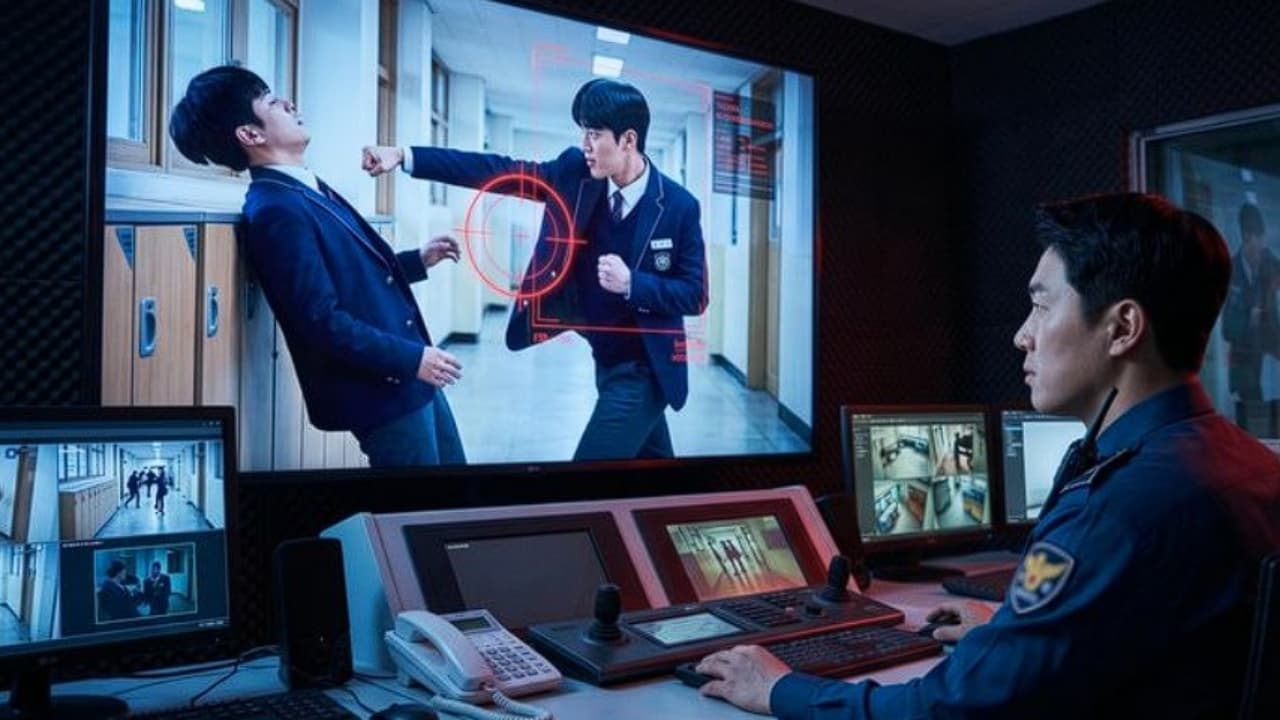
This shifts the vision of educational technology from a mere software integration into a debate on cultural adaptation and standardization at a global level. The step South Korea has taken offers both a technical guide and an ethical testing ground for all countries seeking to balance security and freedom.
From an Academic Perspective: The Future of Educational Technology
The South Korean example shows that the spread of AI-powered monitoring systems in educational institutions is not just a regional case, but a reference point that can shape educational technology policies on a global scale. For academics, this development also raises new research questions about how to strike a balance between technology adoption, institutional trust, and student rights. The most prominent academic takeaway from this case is that the design of smart school systems should be addressed at the intersection of not only engineering but also pedagogy, law, and ethics.
While integrating AI bullying detection technologies into school environments offers a technical response to security concerns, it also invites the education community to rethink privacy, authority, and technological dependence. How this transformation will settle into an institutional and social framework will remain one of the important agenda items of education policy research in the years ahead. The fundamental question facing the education world is no longer "Will AI enter schools?" but "How can AI be used more accurately and ethically for the safety of students?"
WriterGoogle Earth Uçuş Modu ile Dünyayı Yeniden Keşfedin


AI ile Geliştirilen Oyunlar Steam Next Fest'te Öne Çıkıyor


