Skip to content
Back to blog list
Anneliği Robotlara mı Devrediyoruz? Pod Generation Analizi
Tech World

Are We Handing Parenthood to Robots? A Pod Generation Analysis

Automatically translated
Büşra Özer
Büşra ÖzerAdmin
4 min read
Pod Generation asks whether ectogenesis and AI psychologists are creating a new class divide in parenthood, viewed through 2026 debates.

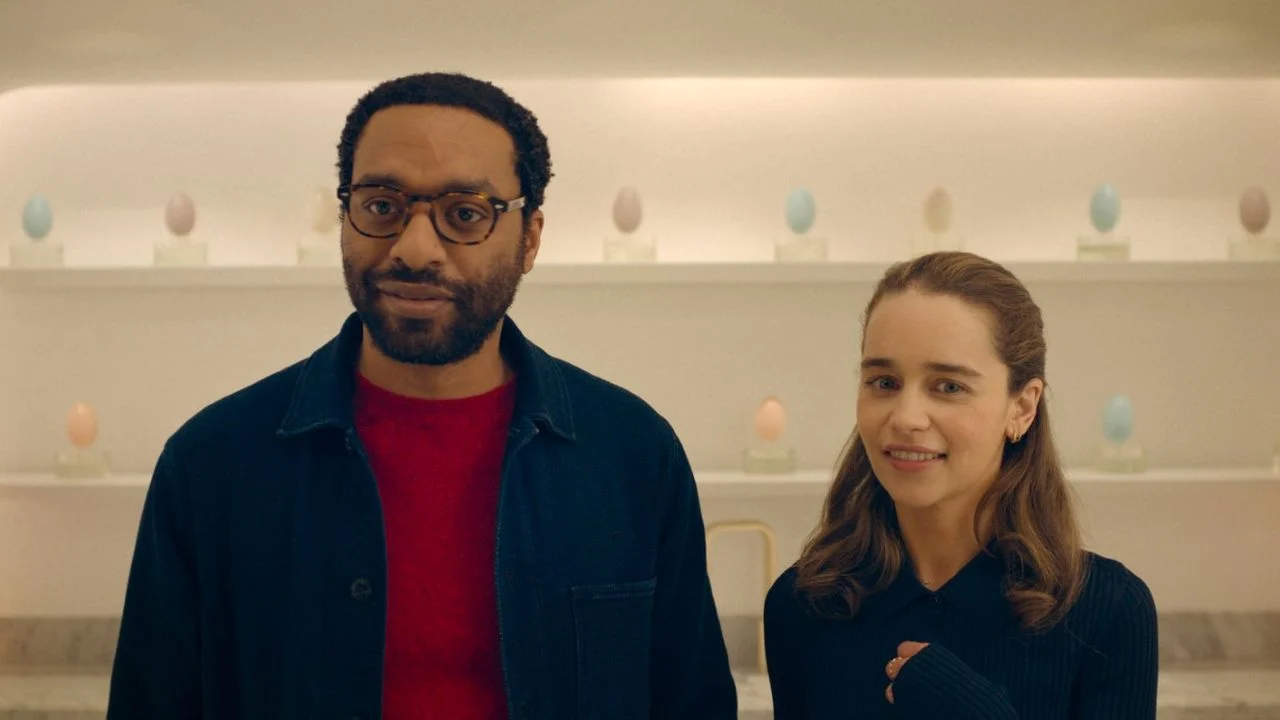
As of 2026, technology has reached the threshold of turning the process of "creation," long considered humanity's most intimate and biological stronghold, into an autonomous operation. Viewed from a 2026 perspective, Sophie Barthes's Pod Generation Film Analysis shows that artificial womb technology (ectogenesis) is not merely a promise of comfort but a fundamental intervention in human nature. The film questions a world where parental bonds are handed over to digital data and "technological eggs" (Pods) in a striking technical language.
pod generation film analizi

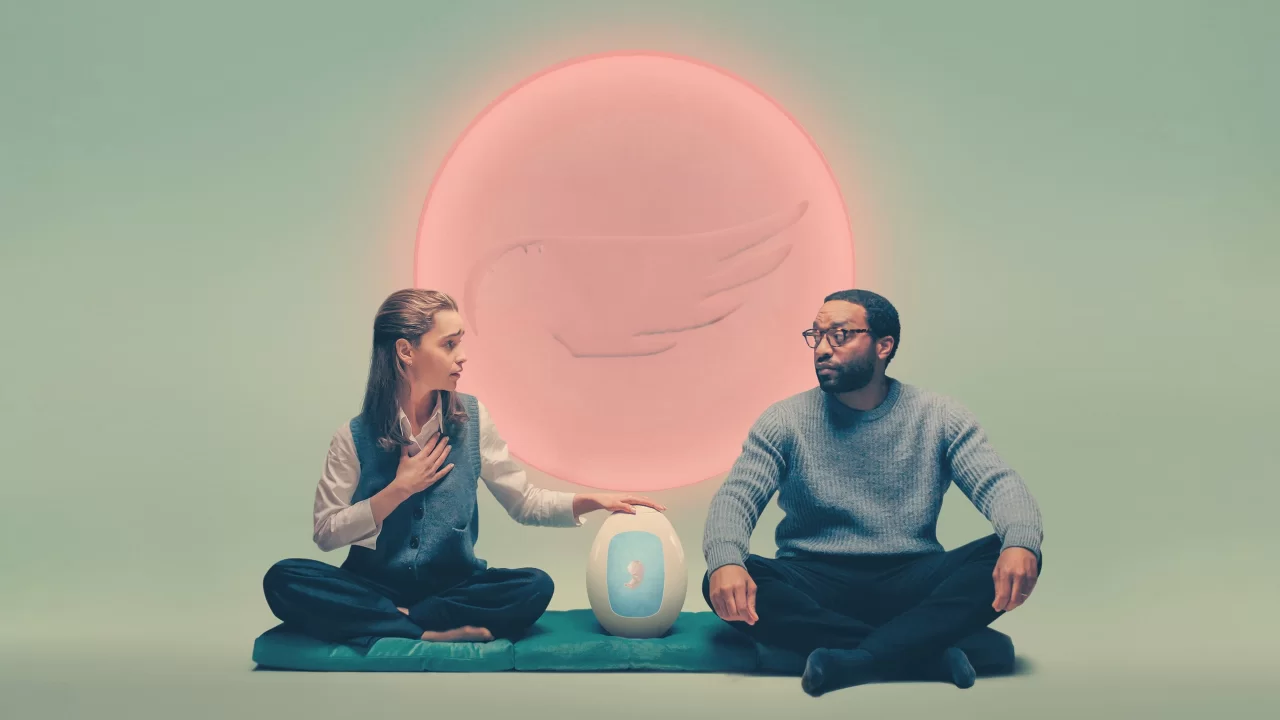
The "egg baby" service offered by the company Pegasus turns pregnancy from a biological necessity into a portable, stylish accessory. Meanwhile, managing maternal hormones and the bond with the baby through algorithms creates what may be the biggest ethical dilemma of 2026. This picture is the most concrete philosophical reflection of the "dehumanization" risk hidden behind technology's claim to make life easier.

Pod Generation: Is AI Ending Biological Motherhood?

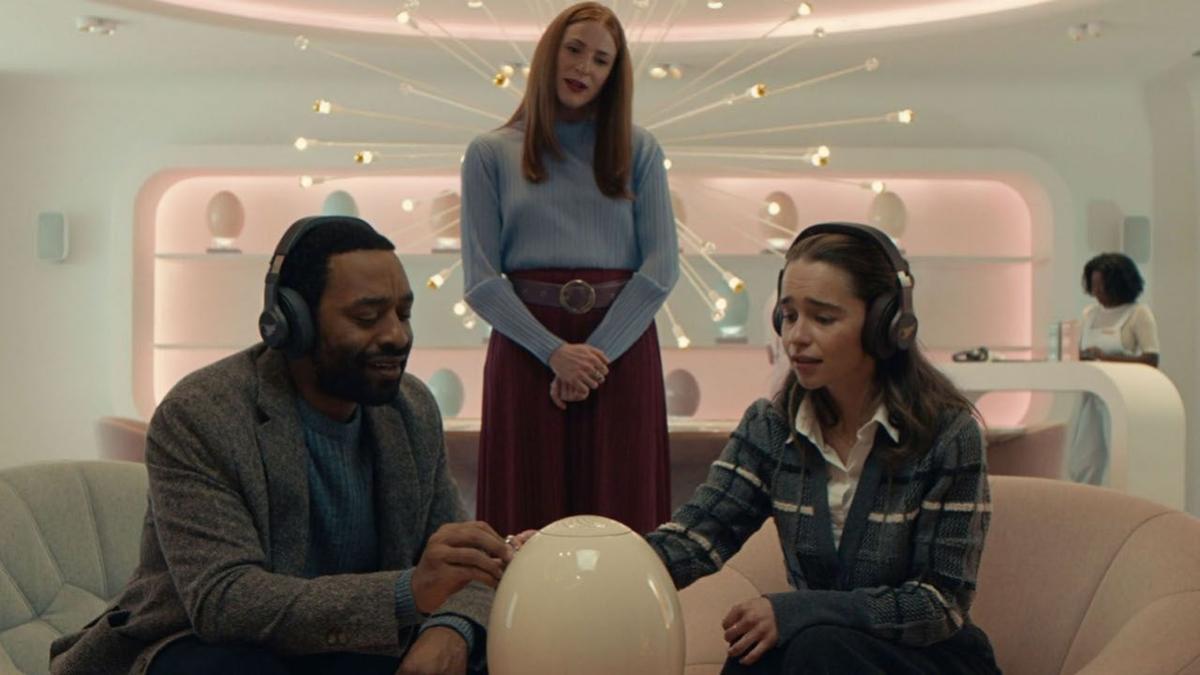
The film focuses on how, in a career-driven tech world, pregnancy is seen as an obstacle to professional advancement. The way the character Rachel handles this process with the precision of "project management" shows how AI reduces motherhood from a biological experience to data sets. AI-assisted assistants track the mother's emotional state in real time and set "ideal" hormone levels, while in effect disabling humanity's thousands-year-old evolutionary inheritance.

According to Pod Generation Film Analysis 2026 perspectives, these autonomous systems do not only take over the physical burden; they also try to optimize the indescribable instinctive bond of motherhood. Yet the risk that this optimization turns the parent-child relationship into a "customer-service" relationship becomes one of the film's deepest critical points.

The Technological Egg (Pod) and the Artificial Womb: A New Class Divide in Parenthood?

Artificial womb technology (ectogenesis) is portrayed in the film not only as a technological leap but also as a social status symbol. "Womb Center" memberships offer "effortless parenthood" as a luxury to high-income groups, while biological pregnancy is starting to be seen as an almost "primitive" method for lower classes. This shows how the digital divide, often emphasized among 2026 technology forecasts, could turn into biological discrimination.

Parents monitoring their babies' development through a smartphone app, much like tracking a courier, shows that the senses of "touch" and "feeling" in parenthood are giving way to "data tracking." Digital parenting risks, at this point, are not limited to technical errors; autonomous systems that can even intervene in a baby's dreams begin to shape human consciousness before birth.

dış rahim teknolojisi ve yapay zeka hamilelik

Do AI Psychologists Reduce the Human Soul to Data?

The AI psychologist, which appears in one of the film's most iconic scenes and is designed as a giant eye, represents the modern world's view of mental health. Rachel telling an algorithm her deepest concerns, and the AI analyzing these emotions through "efficiency scores," is the most striking example of the human mind being reduced to a pile of data.

Can AI psychologists imitate empathy, or do they simply give statistically "correct" answers? The film whispers that AI motherhood hormones and digital therapy systems see the complex emotional structure of humans as an "optimization problem" to be solved. In the 2026 world, a similar trend is observed: emotions are no longer felt but "normalized" in data sets.

The 2026 Vision: Is Pod Generation a Warning for a Humanity Cut Off from Nature?

The botanist character Alvy, with his passion for nature and desire to escape technology, represents the "human" resistance against this sterile world. In a society where eating fruit from a tree is considered frightening because of the "risk of catching germs," Alvy's effort to introduce his baby to a real forest symbolizes humanity's longing for its roots.

Pod Generation, within its 2026 vision, clearly cries out: while we try to perfect biological processes with AI, we may be sacrificing the imperfect but real moments that make us who we are. Choosing a baby's dreams from a content library is a sign that creativity and free will end in the womb (or the pod).
geleneksel ebeveynlik vs pod generation

Development Parameter

Traditional Parenthood

Pod Generation (2026 Vision)

Development Architecture

Biological Womb

Autonomous Technological Egg (Pod)

Bonding Model

Hormonal & Physical Contact

Data-Shared & App-Controlled

Intervention Capacity

Natural and Unpredictable

Dream Selection & Full Autonomy

Emotional Support

Human Psychologist & Family Ties

AI Therapists

Outcome

Biological Process

Data-Driven Project Management

When loaded, the content comes from YouTube servers; YouTube may place cookies on your device and receive information about your visit.

As of 2026, technology has reached the threshold of turning the process of "creation," long considered humanity's most intimate and biological stronghold, into an autonomous operation. Viewed from a 2026 perspective, Sophie Barthes's Pod Generation Film Analysis shows that artificial womb technology (ectogenesis) is not merely a promise of comfort but a fundamental intervention in human nature. The film questions a world where parental bonds are handed over to digital data and "technological eggs" (Pods) in a striking technical language. The "egg baby" service offered by the company Pegasus turns pregnancy from a biological necessity into a portable, stylish accessory. Meanwhile, managing maternal hormones and the bond with the baby through algorithms creates what may be the biggest ethical dilemma of 2026. This picture is the most concrete philosophical reflection of the "dehumanization" risk hidden behind technology's claim to make life easier. Pod Generation: Is AI Ending Biological Motherhood? The film focuses on how, in a career-driven tech world, pregnancy is seen as an obstacle to professional advancement. The way the character Rachel handles this process with the precision of "project management" shows how AI reduces motherhood from a biological experience to data sets. AI-assisted assistants track the mother's emotional state in real time and set "ideal" hormone levels, while in effect disabling humanity's thousands-year-old evolutionary inheritance. According to Pod Generation Film Analysis 2026 perspectives, these autonomous systems do not only take over the physical burden; they also try to optimize the indescribable instinctive bond of motherhood. Yet the risk that this optimization turns the parent-child relationship into a "customer-service" relationship becomes one of the film's deepest critical points. The Technological Egg (Pod) and the Artificial Womb: A New Class Divide in Parenthood? Artificial womb technology (ectogenesis) is portrayed in the film not only as a technological leap but also as a social status symbol. "Womb Center" memberships offer "effortless parenthood" as a luxury to high-income groups, while biological pregnancy is starting to be seen as an almost "primitive" method for lower classes. This shows how the digital divide, often emphasized among 2026 technology forecasts, could turn into biological discrimination. Parents monitoring their babies' development through a smartphone app, much like tracking a courier, shows that the senses of "touch" and "feeling" in parenthood are giving way to "data tracking." Digital parenting risks, at this point, are not limited to technical errors; autonomous systems that can even intervene in a baby's dreams begin to shape human consciousness before birth. Do AI Psychologists Reduce the Human Soul to Data? The AI psychologist , which appears in one of the film's most iconic scenes and is designed as a giant eye, represents the modern world's view of mental health. Rachel telling an algorithm her deepest concerns, and the AI analyzing these emotions through "efficiency scores," is the most striking example of the human mind being reduced to a pile of data. Can AI psychologists imitate empathy, or do they simply give statistically "correct" answers? The film whispers that AI motherhood hormones and digital therapy systems see the complex emotional structure of humans as an "optimization problem" to be solved. In the 2026 world, a similar trend is observed: emotions are no longer felt but "normalized" in data sets. The 2026 Vision: Is Pod Generation a Warning for a Humanity Cut Off from Nature? The botanist character Alvy, with his passion for nature and desire to escape technology, represents the "human" resistance against this sterile world. In a society where eating fruit from a tree is considered frightening because of the "risk of catching germs," Alvy's effort to introduce his baby to a real forest symbolizes humanity's longing for its roots. Pod Generation, within its 2026 vision, clearly cries out: while we try to perfect biological processes with AI, we may be sacrificing the imperfect but real moments that make us who we are. Choosing a baby's dreams from a content library is a sign that creativity and free will end in the womb (or the pod). Development Parameter Traditional Parenthood Pod Generation (2026 Vision) Development Architecture Biological Womb Autonomous Technological Egg (Pod) Bonding Model Hormonal & Physical Contact Data-Shared & App-Controlled Intervention Capacity Natural and Unpredictable Dream Selection & Full Autonomy Emotional Support Human Psychologist & Family Ties AI Therapists Outcome Biological Process Data-Driven Project Management

Etiketler:Pod GenerationYapay zeka hamilelikdış rahim teknolojisiAI annelik hormonlarıdijital ebeveynlik riskleri
Büşra Özer
Büşra ÖzerAdmin
@busraozer

Comments (0)

Log in to comment.

Log in
No comments yet. Be the first to comment!