Apple's Hide My Email Feature Has a Critical Security Flaw
Automatically translated
 Writer
Apple's privacy feature Hide My Email has come under scrutiny over a security flaw that was known for more than a year but was not closed. In limited tests, the flaw worked on every address tried, and it allowed the real email address behind a private address to be found using publicly available identity lookup tools. The leak was hidden inside the 550 5.7.1 and 552 5.7.0 rejection codes returned by the servers.
In certain scenarios, users' real email addresses were being exposed to third parties. After the finding was independently verified, Apple's privacy promises were brought back into question. Hide My Email is one of the privacy tools in the Apple ecosystem that lets users sign up for apps and websites without sharing their real addresses.
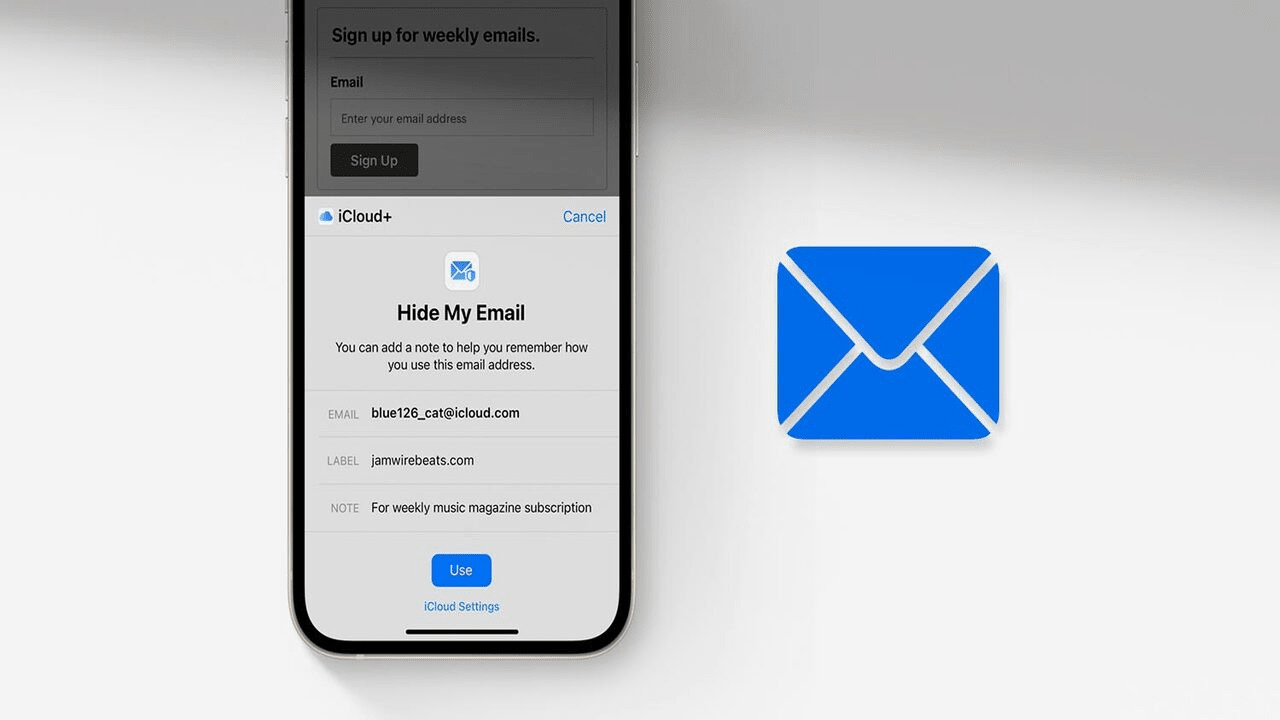
How Does Hide My Email Work?
Included with an iCloud+ subscription, Hide My Email generates a random alias address on your behalf. Websites and apps only see this temporary address. Messages sent to it are forwarded through Apple's servers to your real inbox. If you want, you can disable a generated address with a single tap, and messages sent to it stop arriving. The goal is to prevent unnecessary sharing of personal information when you sign up for online services.
What Does the Security Problem Cover?
In certain use cases, the system did not work as intended, and the user's real email address became visible. The person who uncovered the flaw was Tyler Murphy, co-founder of EasyOptOuts. Murphy first reported the issue to Apple on June 13, 2025, and described step by step how the flaw could be reproduced. Apple looked into the issue and said in March 2026 that it had been fully fixed. Murphy's own tests showed the flaw was still not closed. When months passed with no change, Murphy took his findings to the technology publication 404 Media.
404 Media confirmed the issue by testing it on one of its Hide My Email addresses. EasyOptOuts published the full details of the flaw along with sample error messages.
The Problem Was Hidden in Email Rejection Records
The flaw came from the way Apple's email forwarding system, in some cases, included the hidden address inside the server error message it returned. When a message sent to an alias was rejected, the resulting record could reveal the real address behind it. According to Murphy, this directly put users at risk when they relied on the feature to hide from spammers or data brokers.
Apple Closed the Flaw With a Two-Stage Patch
Apple acted after the flaw was made public. It released a partial fix on July 2, 2026, and an additional fix on July 7. The company had previously said it closed the flaw on March 3 and June 30, 2026, but the problem persisted in both attempts. Apple had also announced a separate step: moving the Hide My Email domain from icloud.com to private.icloud.com, and merging the domains with Sign In with Apple later this year.
The table below shows which risks the patch closed and which remain:
Risk | How it occurred | Status after the patch |
|---|---|---|
Resolving the real address | The server rejection record returned the alias together with the real address | Closed for addresses generated after July 7, 2026 |
Traces of older aliases | Mail forwarding records may have linked an alias to the real address | Ongoing for addresses created before July 7; these addresses are no longer considered anonymous |
Becoming a target in data breaches | The resolved address pointed directly to the user in a breach of the service they signed up for | Still valid unless older addresses are changed |
Being traced by data brokers | Users who generated addresses while trusting the feature could be matched and identified | Ongoing for older addresses; closed for new ones |
Past exploitation | The flaw stayed open for more than thirteen months, and there is no record of who may have used it | Unknown; Apple has not shared data on this |
A Class Action Lawsuit Has Begun
After the flaw was made public, a class action was filed against Apple. In the lawsuit filed by Anthony Alvarez on July 15, 2026, the plaintiff seeks refunds of iCloud+ subscription fees. The complaint alleges that Apple knew about the problem for more than a year, did not disable the feature, did not warn users, and did not update its privacy statements.
What Changes for Users?
Hide My Email, announced in 2021, is offered as a feature that requires an iCloud+ subscription. It was expected to block unwanted emails and data brokers. The fix is reported to have closed the flaw for aliases generated after the latest patch. Whether addresses created earlier were exploited in the past is not known.
Why Does iCloud Security Matter for Users?
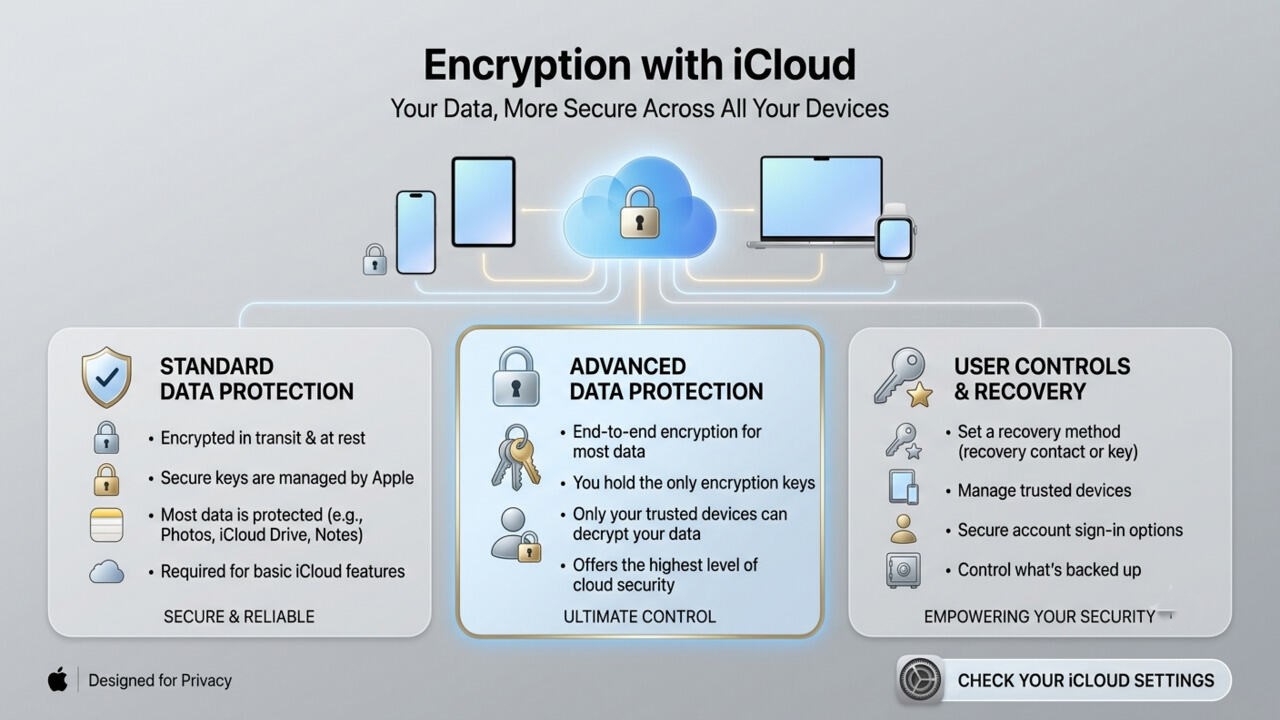
iCloud does more than provide email. Photos, documents, contacts, notes, and device backups are also kept under the same account. For account security, the following steps are recommended:
Turn on two-factor authentication
Choose a strong, unique Apple Account password
Regularly review the devices connected to your account
Monitor suspicious sign-in notifications
Disable Hide My Email addresses you no longer use
Review your iCloud account settings at regular intervals
The leak is reported to be closed for addresses generated after Apple's July 7 patch. The open question is who may have resolved those addresses during the thirteen months the flaw remained open. The Alvarez lawsuit may bring the first concrete data about that period to light.
WriterHindistan Kendi Yapay Zeka Yasası İçin Hazırlığa Başlıyor


WWII UFO Raporları Ortaya Çıktı