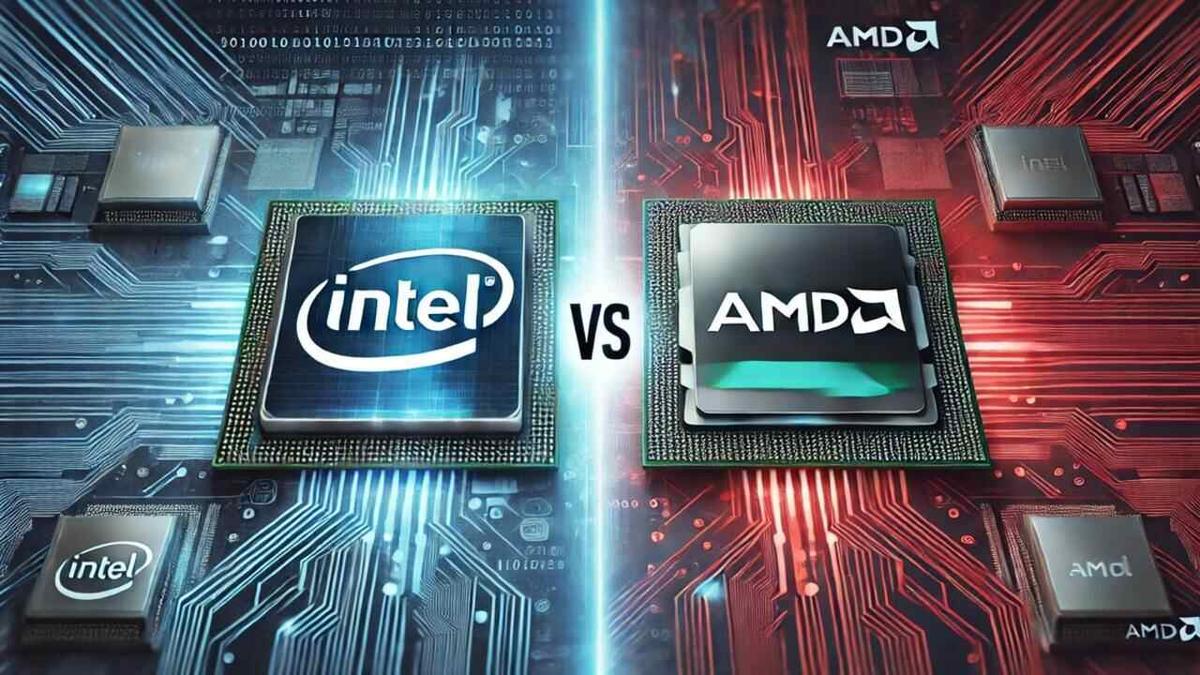
Autonomous Artificial Intelligence Wars: Is Intel, AMD?
Automatically translated
Agentic AI era Reshape data centers together with the beginning. While the GPU-based structures take place into CPU-GPU hybrid architectures, the competition that has been among Intel and AMD moved to a different size.
For some time all attention in the world of artificial intelligence Nvidia and was lost to the GPU ecosystem. However, as of 2026, the focus of the sector gradually began to change. Because new generation Agentic AI systems are not only limited to train model; decides, manages task, organizes workflows, uses memory and executes real-time operation. This is the center of the game to recreate CPU architectures.
In particular, the processor battles have not been refrigerated with the prevalence of artificial intelligence agents on the corporate side. Today’s no matter is just the question “Who’s the powerful GPU?”. Who can run AI agents in data centers in the most efficient way, who can offer lower cost infrastructure and who stands out questions that can provide long-term production assurance.
Intel and Home The competition between the competition has become one of the most critical battles of the re-tech industry.
Agentic AI is highlighted that growth increases especially CPU demand dramatically. In the news, Intel and AMD’s first quarter results are indicated to be the direct AI infrastructure demand behind expectations.
Why did Agentic AI Fix CPU Demand?
The basic requirement of systems in the first large productive artificial intelligence wave was high parallel processing force. That’s why GPUs become critical. But Agentic AI works more different than architectures.
New generation AI agents:
Job plans
Manages memory
Using multiple tools
API calls
Real-time data processing
Continuous inference
All this significantly increases the load on the CPU side.

Intel CEO Lip-Bu Tan at the last investor meeting One of the remarkable details he gave. Tan said that the CPU-GPU rate on AI servers comes to 1 to 8 levels in the past and can approach equal levels over time.
This statement created a big echo in the industry. For years, the AI investment statement, which is based on the GPU, has marked a significant transformation based on the CPU.
The role of processors in corporate Agentic AI systems:
task orientation,
data access,
security,
memory,
inference management,
edge AI coordination u
becomes critical in areas.
This makes Intel and AMD a strategic player.
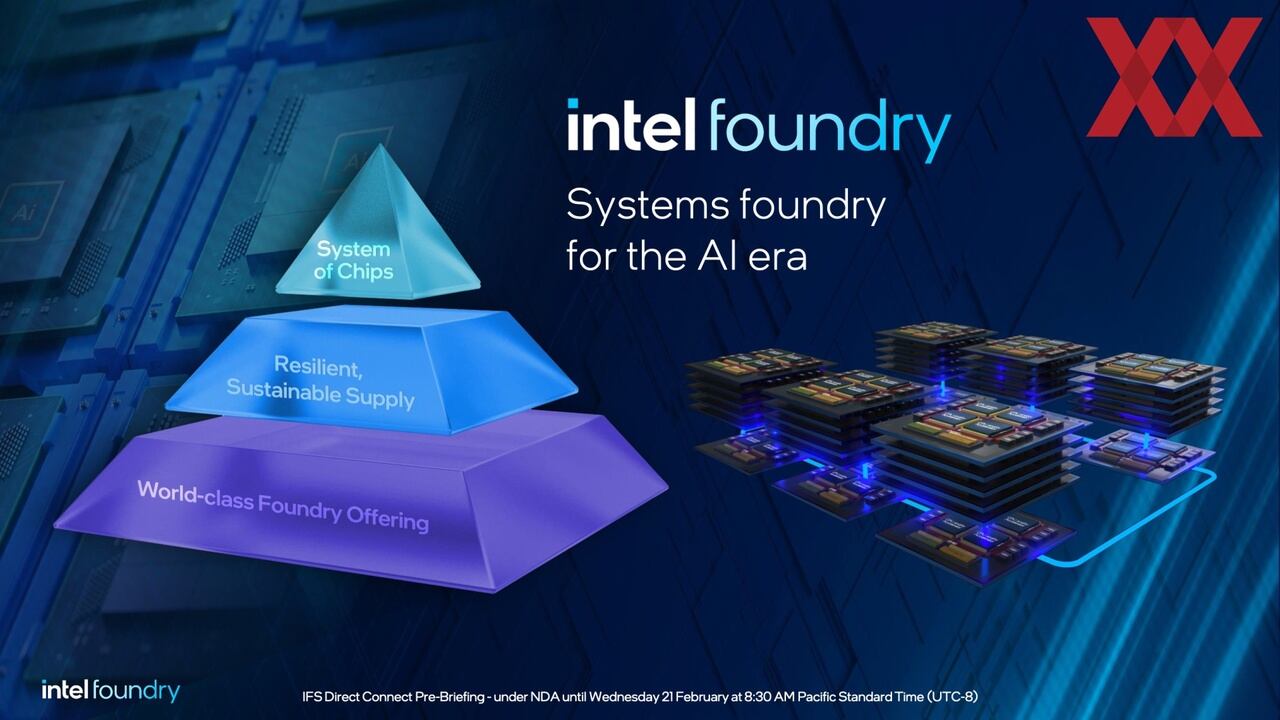
Does Intel Foundry Transformation Really Work?
Home For the past few years, the technology sector has one of the most significant transformations. The company looked back on both the production side and the AI revolution missed at the first stage.
But since 2026, the table began to change. Intel shares CEO Lip-This showed serious rise during Tan. The company’s particularly foundry conversion strategy has started to rebuild investor trust.
Intel’s strategy is quite clear:
Make your own production plants competitive on a global scale
Provide production service to companies such as Nvidia and Apple
Developing optimized CPU architectures for AI data centers k
Create repetitive on the GPU side
Here, Intel’s biggest advantage has “full stack” control.
AMD Intel only when designing:
the processor is designing,
produce,
packs,
optimizes.
This situation has become important especially during the increasing period of geopolitical risks. Because AMD is largely dependent on TSMC.
Possible capacity issues or geopolitical crises that may be experienced on Taiwan Semiconductor side may directly affect the growth of AMD. AMD’s fabless model is indicated to carry serious risks. Intel is trying to position its own production capacity as a strategic advantage at this point.
Intel’s Largest Problem: Profitability
The story of Intel is still not fully straightened.
While the company is growing, it is under serious cost pressure. Especially Foundry conversion requires billion dollars investment. Intel has announced billions of dollars in the last period, and the transformation process is becoming quite expensive.
The market is currently investing in Intel by purchasing the future.
From today’s revenues:
18A production process,
new AI processors,
Findry customer gains,
data center conversion ü
price.
So even if Intel shares are aggressively burdened, there are question marks on the investor side.
Intel’s server CPU market share is indicated to lose. AMD and ARM-based systems are expressed to have severe acceleration in data centers. This is critical problem for Intel. Because in the center of the company’s AI transformation story, it’s getting back to data center domination.
How Much Accelerated AMD Data Center Growth?
Home In recent years, one of the most impressive transformations of technology world.
The company, which is only seen as “Intel alternative” has become one of the players in the center of AI infrastructure today.
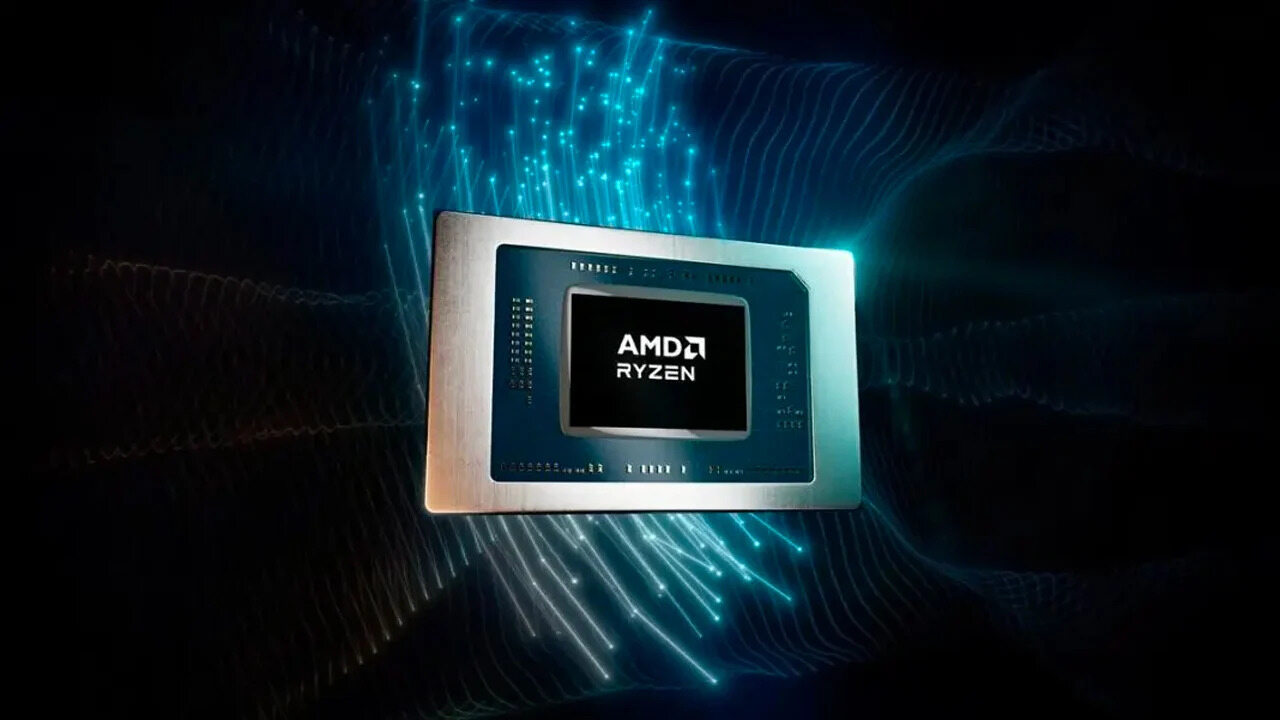
In particular, EPYC processors captured incredible growth on the data center side. AMD’s data center revenues grew 57 percent on annual basis.
There are several basic reasons behind this growth:
The CPU needs of Agentic AI systems
Alternative search of Hyperscaler companies
Nvidia dependency reduction request
Energy efficiency
AMD’s fast product cycle
AMD led by Lisa Water is particularly aggressive on the AI data center side.
AMD’s new generation MI400 series AI accelerators are expected to produce billion dollar revenue in 2026. The company also develops special designs with AI-oriented in CPU architecture not only on the GPU side.
AMD’s new EPYC platform called “Verano” talks to be optimized for AI workloads directly. This is quite important. Because now data centers are not only general-purpose operation but direct to be optimized for AI agent workloads.
Why Does Artificial Intelligence Processor Architecture Change?
One of the biggest fractures in the AI world is no longer enough of single-type trading architecture.
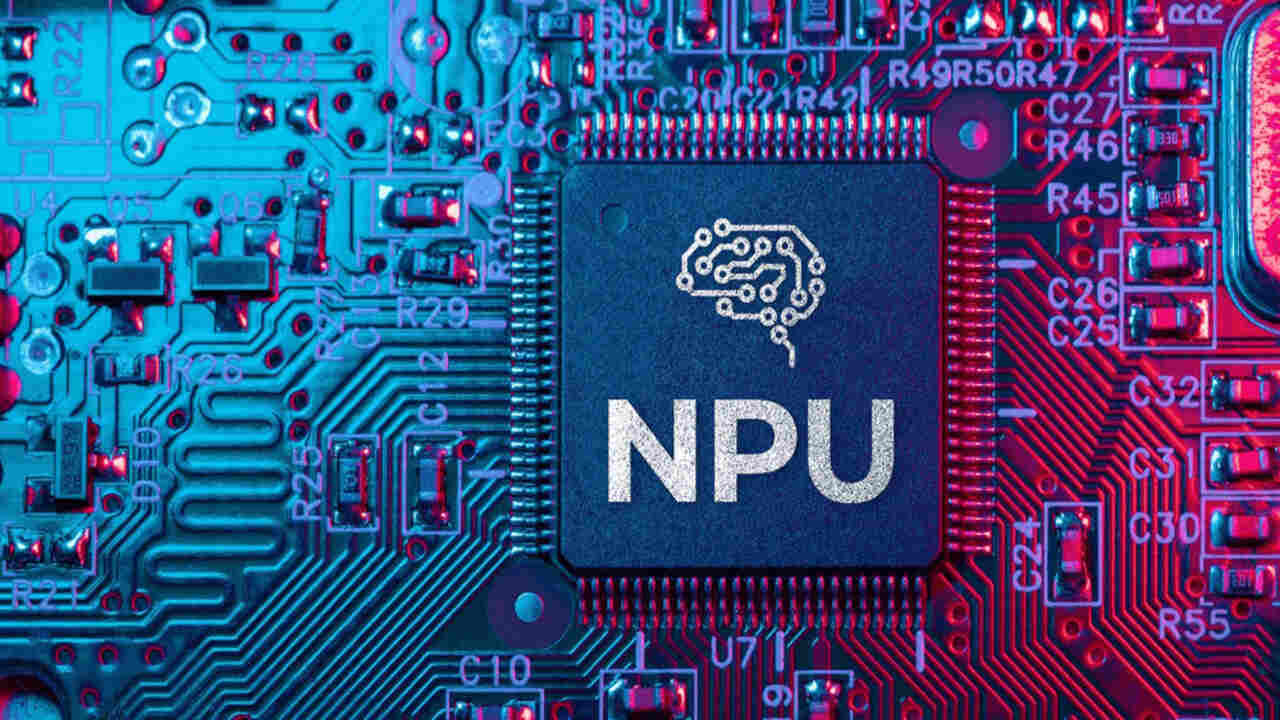
A single processor type is not enough in the new generation AI systems. Data centers shift towards hybrid architectures that CPU, GPU, NPU and private AI accelerators work together. In particular, the continuous inference run of Agentic AI systems has started to use low delayed decision mechanisms, and at the same time a large number of operation execution processor architecture.
This conversion on AMD side is quite aggressive. The company works to combine EPYC processors, Instinct GPU series and Xilinx based AI engine technologies in the same ecosystem. In particular, low delay AI systems, this architecture provides serious advantages. Because now, the matter is not only raw processing power; how efficiently you can manage AI workloads in data centers.
Intel focuses on building a more integrated structure. Xeon processors, Gaudi AI accelerators, Foundry services and OneAPI software ecosystem are positioned as parts of the same strategy. To talk open, Intel’s experience on the software optimization side is still one of the strongest parties in the industry. Specifically SYCL and OneAPI-based performance optimizations find serious response to becoming in HPC and enterprise AI systems.
Agentic Ages in Asıl War Data Centers in AI Age
Today the center of AI competition is no longer chatbots.

The main battle:
data centers,
inference infrastructure,
AI agent systems,
enterprise AI operations
live.
AMD is growing rapidly on this side.
Intel gives back battle.
In particular, hyperscaler companies create a huge opportunity for two companies with billion dollar AI infrastructure investments.
The giants like OpenAI, Oracle, Meta, Microsoft and Amazon are now only buying full AI infrastructure stack, not GPU. Oracle’s AMD’s new generation AI chips are indicated to be prepared for large-scale use. Such deals make data center battle harder.
Is Intel? Is AMD More Advantageed?
The market in the short run now relies more on AMD.
There are several reasons for this:
Data center growth faster
Stronger
More in the GPU side
Hyperscaler relationships stronger
However, Intel is not completely ungamed.

On the contrary company:
production control,
government support,
Findry conversion,
CPU optimizations,
AI server architectures Home
can ensure the long-term regain strength.
Especially USA-based semiconductor independence policies work in favor of Intel. This corresponds to the largest agile of AMD.
Company:
faster,
spend less capital,
growing more aggressive.
That’s why investors see AMD as a safer AI growth story today.
Why Is This Competition Important From Turkey?
Artificial intelligence initiatives in Turkey are growing rapidly, but the costs on the infrastructure side still create a serious problem.

Artificial intelligence initiatives in Turkey are growing rapidly but the table is still quite expensive when it comes to the business infrastructure side. Inference costs, data center expenses, AI server access and energy consumption are continued to be serious problem especially for teams working in developing their Agentic AI systems. Today, many local venture models are struggling with the cost of continuous operation. Because AI agent systems have started to turn into differently running, decision-making and real-time operations from classic chatbots.
The competition between Intel and AMD at this point is directly important for emerging ecosystems such as Turkey. Because the increase of processor efficiency does not only mean performance; it also means lower inference cost, more accessible AI server infrastructure and more affordable edge AI solutions. In particular, CPU optimization has become critical in markets where GPU costs are still very high.
Many AI attempts in Turkey have to talk open today feel the cost pressure on Nvidia side seriously. That’s why more efficient CPU-GPU hybrid architectures can create a significant break in local ecosystem. With the prevalence of AI agents in particular, the matter is not only running the model, it becomes able to keep it continuously active with low lag. This connects directly to the processor architecture and energy efficiency side.
In the next few years, Intel and AMD competition is expected not only the global data center giants, but attempts to build their own AI agency infrastructure in Turkey are also directly affected. Because the most critical issue that scales in the AI world is not how smart the model is, you can run it at how sustainable cost.
Who Will the New Winner of the AI War?
It’s hard to say a net winner for today. AMD is currently ahead of the momentum side. Intel is trying to write back story.

However, not only producing the most powerful GPU that is important in the AI era:
Establish the most efficient AI server architecture,
reduce inference cost,
optimize data centers,
will be to secure the production chain.

So the next few years will be critical not only for Nvidia but Intel and AMD. Especially with the prevalence of Agentic AI systems, the war on the CPU side is located in the center of the industry. And it seems that this competition is no longer just the processor battle; directly about who the future of artificial intelligence will shape.
Higgsfield Virality Predictor Rehberi: Hook Score Nedir?


Teknoloji ve Kariyer Staj İlanları | 18-24 Mayıs 2026