



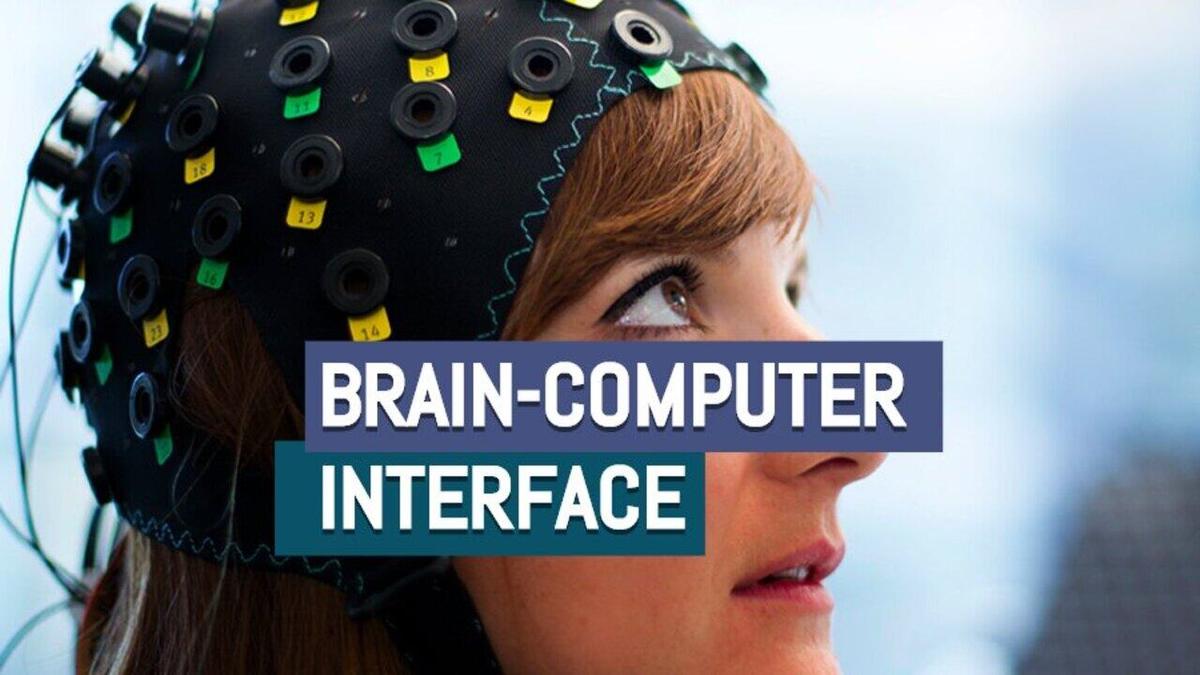
Brain-Computer Interface Turns Thoughts into Speech
Automatically translated
Scientists have developed a new AI-based brain-computer interface (BCI) that can turn inner speech, the words that exist only as thoughts in the human brain, into audible speech. This technology gives paralyzed people and those who have lost the ability to speak a way to communicate again, while also raising the ethical and social questions of mind-reading technology.
The Path from Mind to Speech: Mind-Reading Technology
Throughout history, humans have sought ways to express their thoughts. Writing made thoughts lasting; the telephone and the internet made communication over long distances possible. Today, scientists are building the next link in this chain: converting thoughts directly into speech.
Researchers from Stanford, Berkeley and UCSF have developed a system that can convert sentences passing through people's minds into speech in near real time, using microchips that capture electrical signals within the brain and AI algorithms that interpret them.
For people with paralysis and conditions such as ALS (Amyotrophic Lateral Sclerosis) that take away the ability to speak, this system is revolutionary. It captures what is known as "inner speech."
What Is a Brain-Computer Interface (BCI)?
A brain-computer interface (BCI) is a system that transfers the electrical signals produced by neurons (nerve cells) in the human brain to computers. Neurons communicate with each other through electrical impulses called action potentials. The simultaneous activity of billions of neurons produces our speech, movement and thoughts.
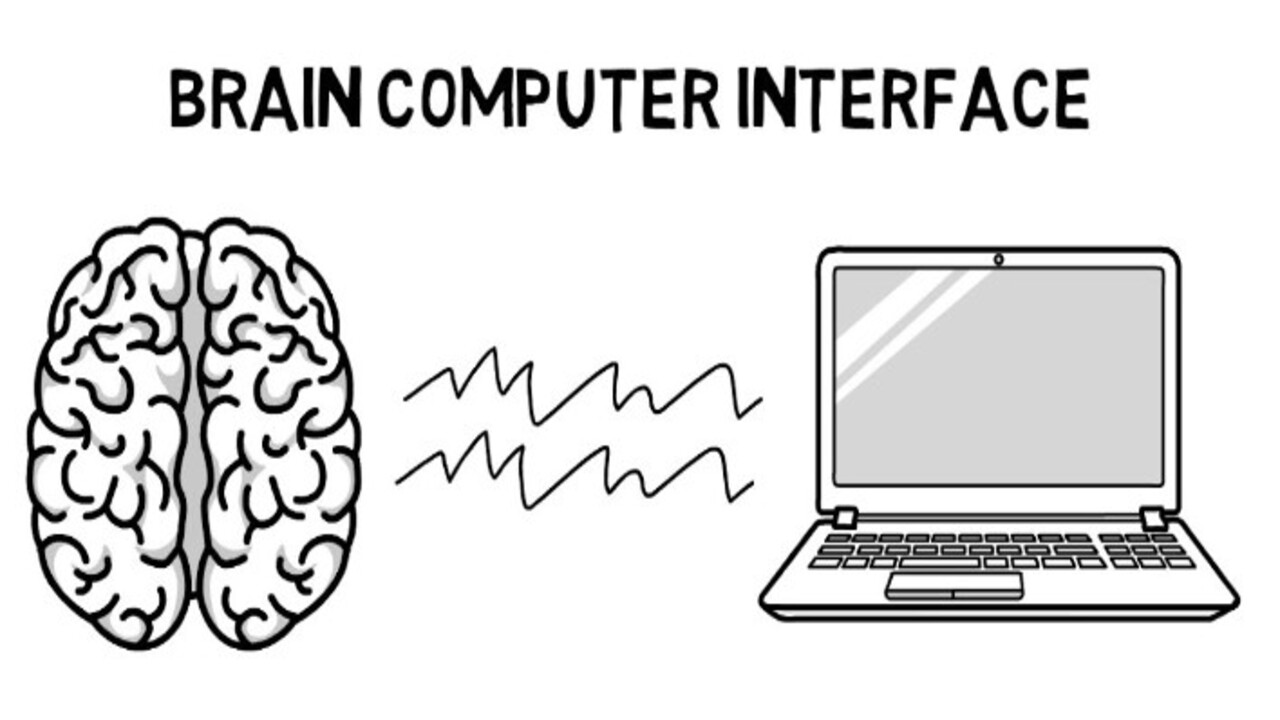
BCI technologies are generally divided into two main groups:
Non-invasive BCI: Measures signals from outside the skull. EEG (electroencephalography) is the most common method. It is safe, but its data resolution is limited.
Invasive BCI: Electrodes are placed into brain tissue. Microelectrode arrays can capture data at the level of single neurons, which is far more precise, but it carries surgical risk
The newly developed thought-to-speech technology uses invasive methods to achieve high accuracy. Signals recorded from the regions of the brain that plan speech are converted into words and sentences by AI algorithms.
From Early Experiments to Today
The foundations of BCI technology were laid in the 1970s. Experiments at that time were conducted on mice, using electrodes that detected simple motor commands. The first EEG-based experiments on humans in the 1990s could only control simple hand movements.
In the 2000s, invasive BCI systems were developed and allowed paralyzed patients to control robotic arms. In the 2010s, with the advance of AI algorithms, the focus shifted to language and speech. During this period, the first studies on converting inner speech signals into text and speech began.
The Stanford-UCSF study conducted in 2025 represents the most advanced step in thought-to-speech conversion. The system not only turns words into text but can also produce speech in real time
"Inner Speech" and the Role of Phonemes
Inner speech is the words and sentences a person says silently to themselves. For example, when we think "the weather is nice today," our brain plans the speech, but our vocal cords are not used.
These thought processes appear as electrical signals in speech centers of the brain, such as the motor cortex and Broca's area. Microelectrode arrays record these signals and pass them to AI.
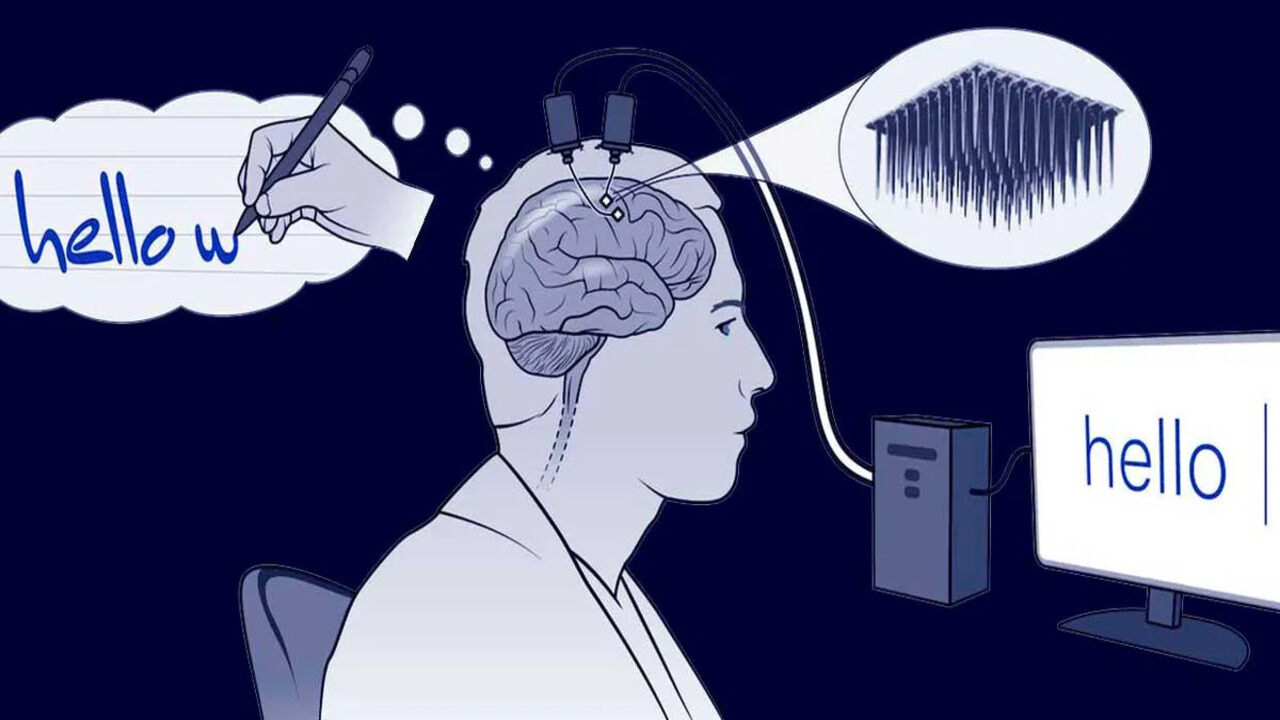
AI algorithms first break the signals down into phonemes, the units of sound. A phoneme is the smallest sound unit of a language and a basic building block of word production. Phonemes are then combined to form words and sentences. Through this method, the system can produce meaningful speech directly from thought.
Real-Time Speech Generation with AI
BCI systems do not only produce text; they also generate speech in real time. AI creates a synthetic voice that resembles the patient's own voice, making communication feel natural.
For example, the Berkeley team enabled a paralyzed patient to communicate at 47.5 words per minute. This speed is about one third of natural conversation, and the delay is only around 1 second. These systems use a method called streaming decoding. In other words, neural signals are processed instantly and sentences are produced within seconds. This allows the patient to express their thoughts without delay.
Competing Companies and Projects
Many companies and laboratories are competing in the BCI field:
Neuralink: Elon Musk's venture is working on wireless, high-resolution implants. Its goal is for paralyzed people to be able to use computers and phones just by thinking. |
Synchron: Conducts clinical trials with FDA-approved devices. It enables people to control devices without using their fingers or a keyboard. |
Kernel: Explores new application areas by measuring brain signals related to memory and emotion. |
Alongside academic research, these companies aim to develop commercial solutions.
The Neuroscience Behind Mind-Reading Technology
Brain signals arise when neurons generate action potentials. These electrical impulses occur on a millisecond scale. Interface systems measure these signals, interpret them with AI algorithms and produce meaningful outputs.
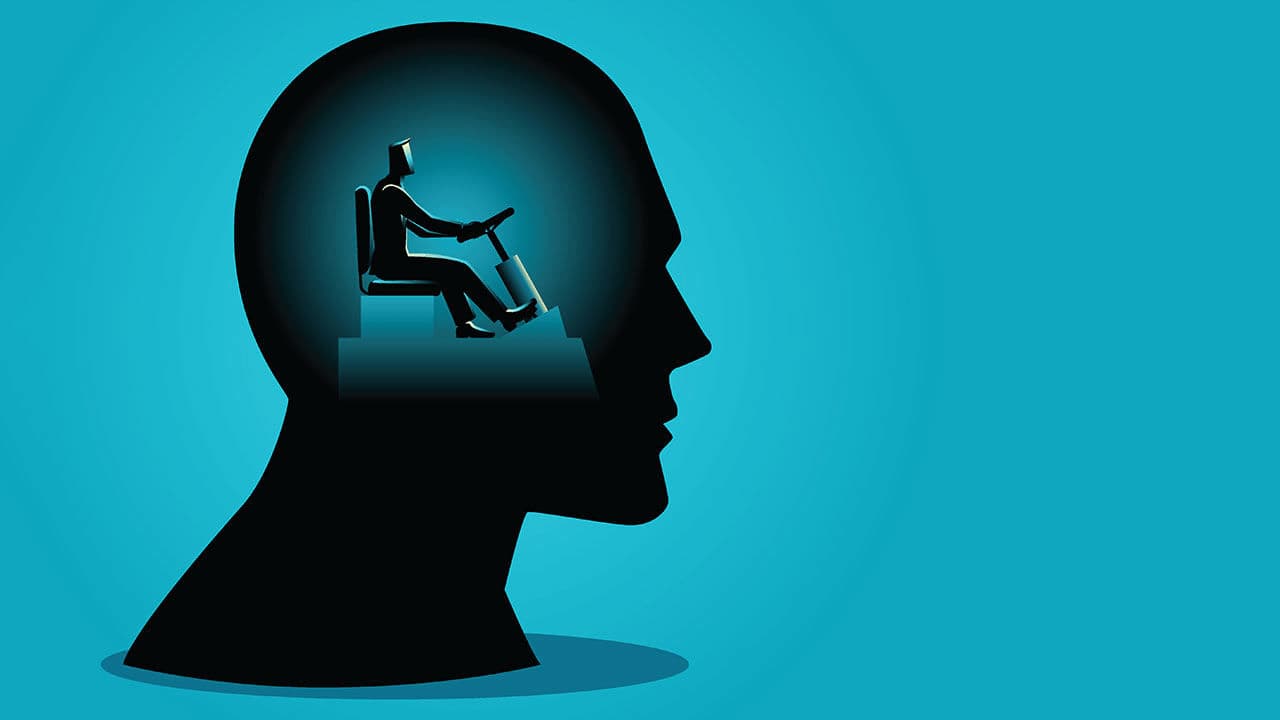
Speech signals are generally produced by the motor cortex and Broca's area. The motor cortex plans muscle movements, while Broca's area controls the structure and production of language. During inner speech, these areas become active, but the vocal cords are not used. Microelectrode arrays record this activity and transfer it to the system.
Clinical Applications
Although BCI technology was developed primarily for paralyzed patients and people with ALS, it can be used in other areas as well:
Speech rehabilitation: Regaining the ability to communicate after cerebral palsy or traumatic brain injury. |
Military and security applications: Silent commands or control systems operated by rapid thought. |
Education and gaming: Device control with brain signals and the development of mental abilities. |
Medical research: Studying neurological diseases and developing treatment strategies. |
Ethical and Social Debates
The spread of BCI technology also raises ethical and social questions:
Privacy: The possibility of reading a user's thoughts without their consent.
Unequal access: Access to the technology may remain limited to certain groups.
Free will and privacy: Control over one's own mental data is open to debate.
Medical risks: Invasive BCI, which requires brain surgery, carries the risk of infection and nerve damage.
Researchers stress that these systems should be governed by international ethical standards.
What Is the Future Vision of AI That Turns Thoughts into Speech?
In the coming years, BCI technology is expected to enter everyday life with fully wireless, portable and miniature implants. Brain signals may be used not only for speech but also in memory, emotion and learning processes.
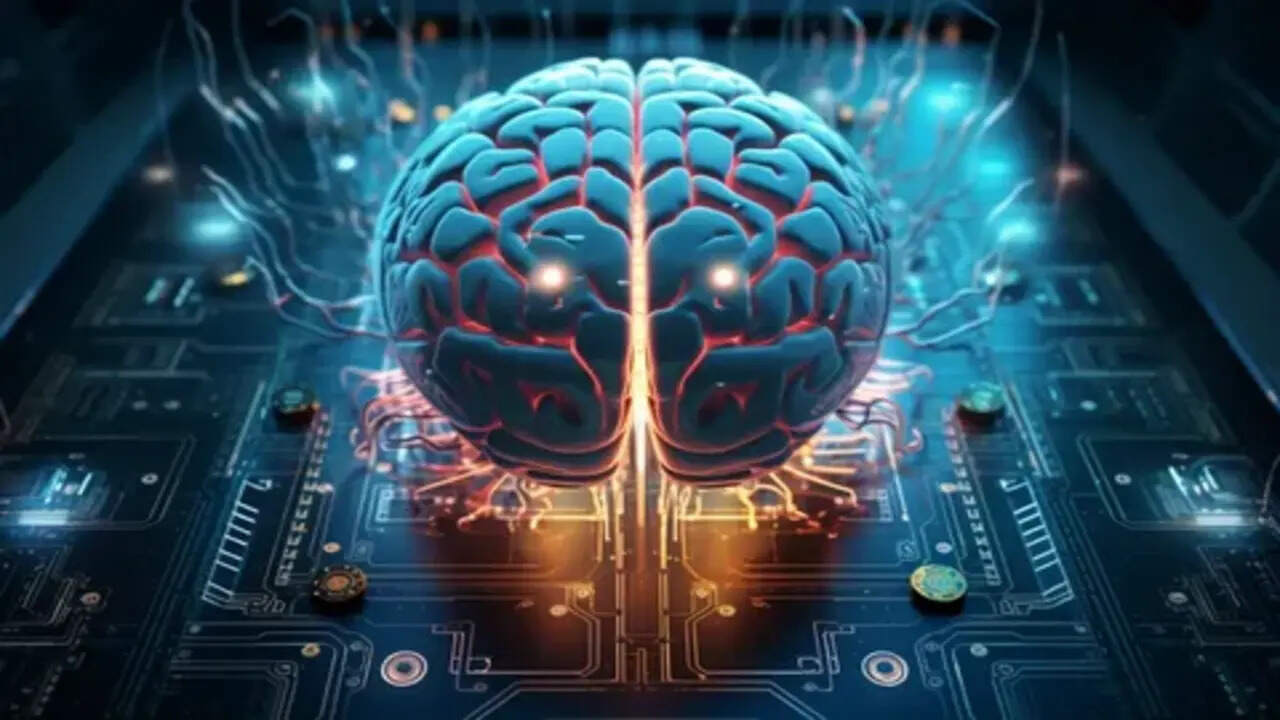
In the future, people may be able to control computers and smart devices with their thoughts alone, and paralyzed individuals may have access to technology that lets them communicate again. However, ethical, privacy and access issues are likely to be decisive in how widely the technology spreads.
Thought-to-speech technology is a revolutionary step for humanity. It offers people who are paralyzed or have lost the ability to speak a chance to communicate again. At the same time, it raises ethical, legal and social problems. In the next decade, both the technical and social impact of this technology will shape the balance between science and society.
OpenAI: ChatGPT Erotik İçerik Sunmaya Hazırlanıyor


Tasarım Yapay Zeka ile Nasıl Kullanılır?


