
Chinese Court: LLM Human Placeable Decision
Automatically translated
 Creator
For the last two years in the artificial intelligence sector, I am very aggressive. With the development of LLM (Great Language Model) systems, especially with the development of large language models, the idea that companies will minimize human teams and be transferred to automation of many white collar positions has turned into almost sector standard. The concepts such as “AI employee” and “AI manager” have started not only in investment presentations, but directly used in corporate strategies.
The last case seen in China opened the legal limits of this statement seriously.
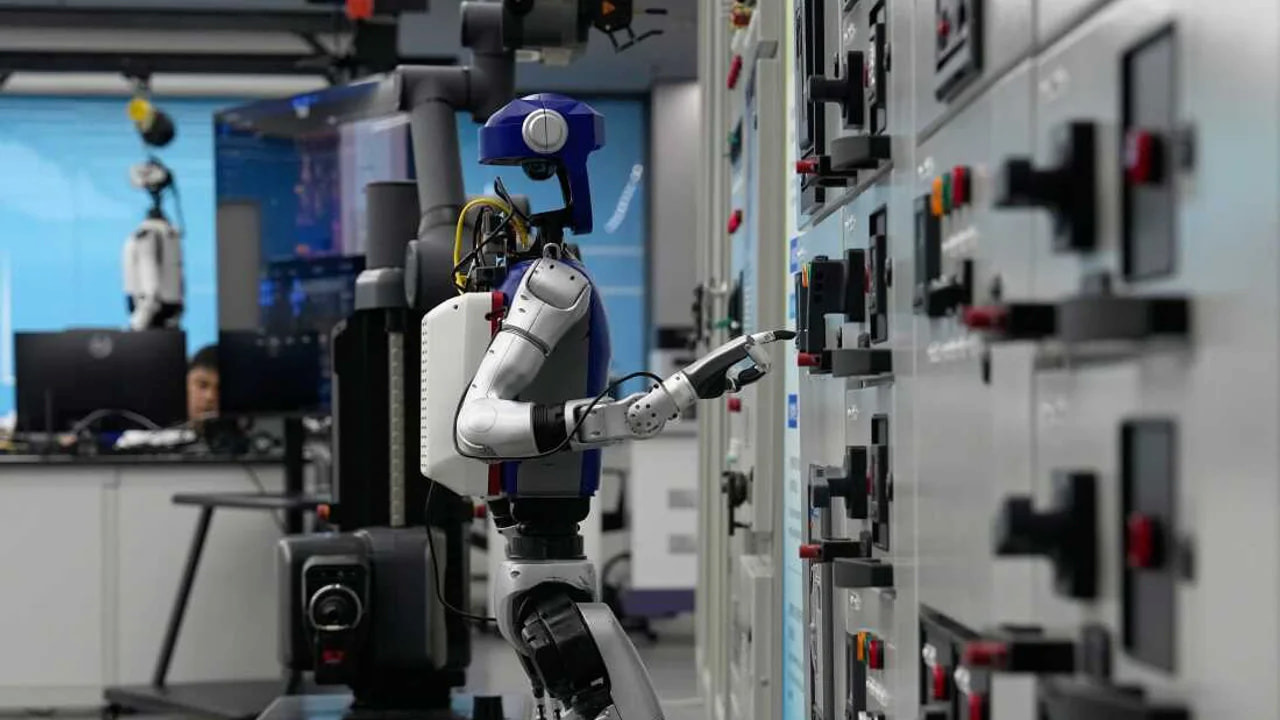
According to the news that Futurism is transferred In China, a company uses intensive automation systems in employee management processes, as a result of which a employee from work has been announced. The approach of the court created a wide echo in the world of technology. In the decision, the major language models can be used as supporting systems, but the human manager will not completely take its place.
This decision may appear just like a local business law discussion at first glance. But the matter is much greater. Because it’s not just how strong the artificial intelligence is. The discussed topic may not leave decisions that affect the human life of the companies.
Especially under the title of “Yapay Intelligence Here’s Extraction Case” it is expected to have a global impact of this decision in China.
How did LLM Systems Change Corporate World?
After 2023, the integration of productive artificial intelligence tools was much faster than expected. Initially only limited to content production and chatbot systems LLM technologies HomeIn short time, the center of corporate operations began to settle.
Today, large language models in many companies are not just writing text. Meeting summarizes, analyze employee performance, prepare operational reports and play active role in human resources processes. Especially AI-based HR systems have become one of the categories of serious investment in the last period.
The main problem here is: Starting as a utility vehicle, the systems started to move to the center of the decision mechanism.
For example, performance scores working in some companies are created directly by automated systems. Efficiency measurements of support teams, call center performances or operational assessments are largely left to algorithmic systems. At this point, the role of human manager can only turn into the approval mechanism.
The topic in which the Chinese court has taken care of is fully revealed here.
A company can use AI in operational processes. However, it creates a legal risk to leave the final decisions that affect the career, income or business status of the employee.
In fact, this discussion is not only specific to China. In the U.S. cases that Uber drivers are against algorithmic scoring systems, criticisms for platform economy companies in Europe and performance tracking systems on Amazon’s warehouse workers have been continuing for a long time.
The difference is that no longer matter is classic automation. Since large language models can communicate like human-like, companies started positioning such systems like real decision-making structures.

Why the Chinese Court said “LLM Human Place cannot pass”?
What makes the approach of the court important was that the discussion is not through the technical capacity.
Because the larger language models appear more advanced, they are still working as statistical forecast systems. Human-like text generation does not mean they really do contextual reason.
This can lead to serious problems especially in employee assessment processes.
There are not only data in processes that a person evaluates the manager. In-house relations, team dynamics, periodic density, communication problems and psychological factors are part of the decision mechanism. Large language models still have serious limits in these areas.
Especially the problem of hallucination is becoming critical here. Making a model from wrong data interpretation or missing context can affect the career of a direct employee. Errors that can be tolerated in the production of content give much greater results in the field of business law.
The basic message given by the court is: Artificial intelligence can be the support system but can not be judged independently.
This approach actually draws the limits of the phrase “AI manager” rising in the last period.
Why does Automation and Workers Rights grow 2026 Discussions?
Automation printing has increased dramatically with the company's cost optimization in the after 2025. In particular, thanks to the prevalence of productive AI tools, support teams, content operations and some software processes were reduced. Technology companies have long been defined as “data conversion”. But a different discussion on the legal side of the business world is growing: Where should the limit of automation start? This question is based on discussions under the title "Otomation and Labor Rights 2026".
Because companies are now trying to optimize human management with algorithmic systems, not only physical processes. Performance measurements, employee behavior analysis and recruitment processes become increasingly more data-oriented. The problem is that algorithms are not always unbiased.
LLM systems can carry prejudices of data sets they train. The wrong correlations can be set up or incomplete interpretation of the context. In particular, this situation can create serious discrimination problems in human resources processes. Therefore, many regulation institutions, mainly in the European Union, started to evaluate AI systems related to employees in “high risk category”.
Not only use AI from companies in the next period, it will be expected to explain how AI decided.

How will Algoritmic Management Laws Affect Companies?
One of the fastest growing concepts in the latest technology world was “algoritmic management”. The behavior working in this model is analyzed through data sets. Task distributions are made with automatic systems. Efficiency scores are continuously measured and operational decisions are largely directed by software systems. This approach is used for a long time especially in platform economy companies. However, with the development of large language models, algorithmic management has become more sophisticated anymore. The main goal of new generation regulation is to prevent these systems from being completely uncontrolled. In the scope of “Algoritmic Management Laws”, the following titles appear:
The protection of human control can be explained by algorithmic decisions, to object to the automatic systems of employees and to offer companies data usage processes transparently.
Specifically AI Act approach of the European Union It creates a very clear framework in this regard. Human resources processes, employee performance assessments and recruitment systems are evaluated in the high risk AI category.
It seems inevitable that this approach has indirect effects in Turkey. Big companies working with Europe in compliance processes AI usage you may have to manage more carefully.

How Can Artificial Intelligence Affect The Removing Case AI Startup World?
One of the biggest effects of the decision in China can be felt in the AI venture ecosystem. Because many attempts who have invested in the last two years focused directly to automate human management. In particular, the AI educator grew rapidly in AI fiction management and AI HR automation categories. However, the increase of regulation printing can change the working format of these products. Corporate customers are now looking for not only automation capacity, but also legal security. If a AI system does not explain why it has given a specific decision or does not have human control, companies may remain under serious risk. Therefore, there is a significant change in the sector language.
During the 2023–2024, the phrase “full automation” was very dominant. Now, companies suggest more “AI copilot” approach. So the system offers advice but the final decision is given by the human. This approach is considered not only technical, but also safer in terms of legal risk management.
In particular, the company has become one of the direct sales criteria on the AI side of the AI.
Can Companies Meet The Same Risks in Turkey?
Even if the topic in Turkey is not yet very visible, the similar conversion is speeded here.
AI-based analysis tools are common especially in call center operations, human resources filtering systems, customer support teams and sales operations. Large companies use more automation systems to measure employee performance. However, many institutions tend to evaluate their artificial intelligence output as “objective real”. Yet big language models are not completely neutral systems. They can carry prejudices in training data and in some cases they are able to make wrong assessments. Especially lack of cultural context can lead to greater problems in Turkish operations.
In Turkey there are still some examples of “Yapay Intelligence Here’s Extraction Cases” that are yet directly available in Europe. Regulation trends Home Similar discussions here seem quite likely to grow.
In particular, AI compliance processes in terms of companies working with Europe may be one of the important titles of the next few years.
Can LLM Systems Really Take Place of Human Management?
One of the biggest misunderstandings on the technical side is revealed here.
Large language models are extremely powerful tools. They provide exceptional efficiency in data analysis, summary, content production and operational support processes. However, human management is not just about data optimization.
The task of a manager is not only to read performance report; to maintain in-house balance, manage crisis, maintain motivation and manage human relations. Today’s LLM systems have still limited capacity in these areas. For this reason, a more hybrid model arises in the corporate world. Artificial intelligence reduces operational load, accelerates processes and provides analysis support. However, human surveillance is protected from critical decisions.
The importance of the decision made by the Chinese court also arises exactly here. Discussion does not work through technology counterpartment. The main thing is that decisions affect human life are completely uncontrolled algorithmic systems will not be left.
In the next few years, “Algoritmic Management Laws”, “Otomation and Labor Rights 2026” discussions and corporate usage limits of large language models seem to be one of the biggest agendas of the technology industry.
CreatorMicrosoft VibeVoice Nedir? Yeni Nesil Yapay Zeka Ses Teknolojisi


OpenAI Modeli 80 Yıllık Matematik Problemini Çözdü