Claude Designed A New Protein Against Scorpio Zehrine
Automatically translated
 Writer
Anthropic's artificial intelligence model Claude designed new proteins that are located in the acrorep zehr and can connect to neurotoxins targeting human nervous system. Based on about 64 hours of research, the model developed by more than 318 thousand protein designs was tested in two different biotech laboratories.
17 protein, as a result of experiments, met the criteria for binding to target toxins. The study presents a different way to researchers to develop new generation of akrep panzehires while revealing the potential of artificial intelligence in pharmaceutical discovery and biotechnology research.
Claude Designed Neurotoxins In Scorpio Zehr
Anthropic published on October 2026 official research Claude announced that it is used to design new protein bindings against neurotoxins, located in the axrep zehr. The study conducted by the company’s life science team shows that artificial intelligence can not only analyze scientific data, but also take active role in designing new biomolecules.
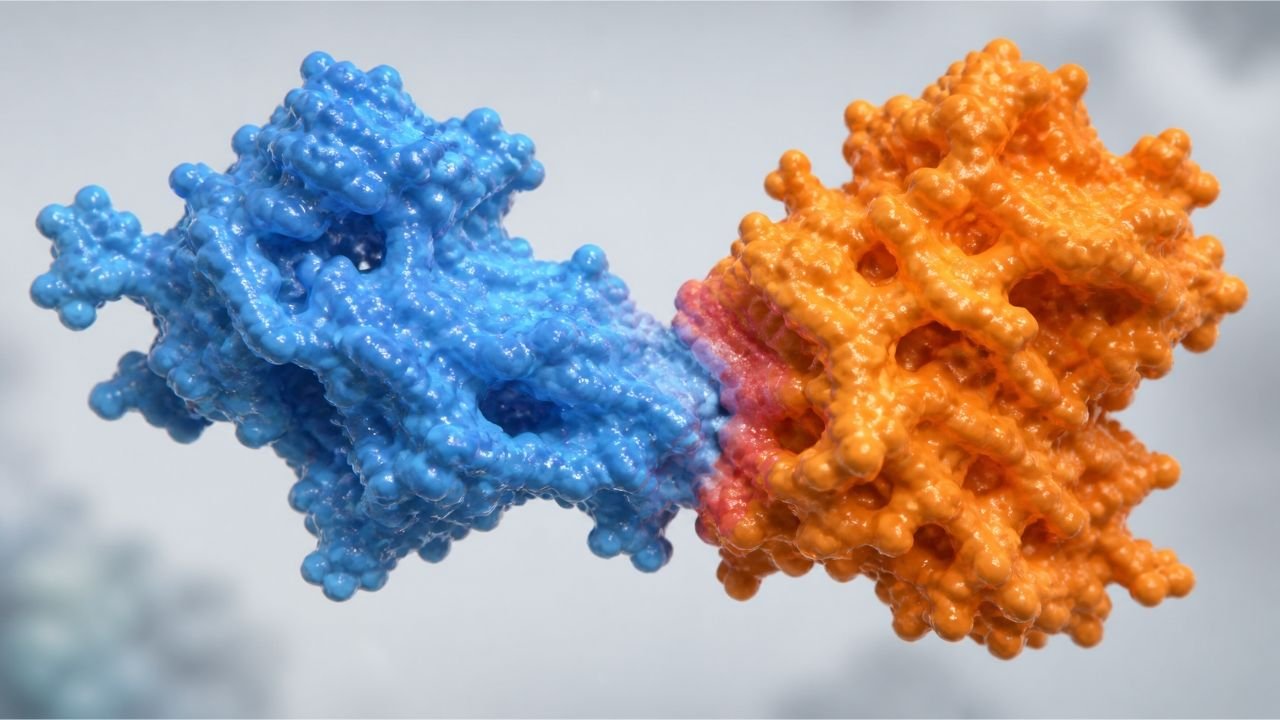
The main purpose of the research was to develop small proteins that can prevent the effect on their nerve cells by connecting to neurotoxins in the acrorep zehr. These proteins are aimed to contribute to the development of new therapies that can be used against scorpions in progressive research.
In the study Claude moved together with Citrini Research. From the model to the target of certain acorpion toxins, it was asked to design new protein structures that can be produced in different and laboratory environment than previously known proteins.
During the research process, Claude analyzed scientific literature and existing protein structures. Then the target determined the regions where toxins can be connected by reviewing molecular properties. In the design process, different protein modeling and building forecast tools used together.
According to the description of Anthropic, Claude worked without additional routing for about 24 hours in the first stage of research. In the next stages, he developed the design process with four additional referrals from researchers. The model was asked to work on the creation of proteins that can specifically target multiple toxins.
318 More Protein Design Created from Binden
One of the aspects of the research was the number of protein designs that Claude carried out in a short time. The model created a total of 318.484 protein designs for about 64 hours of work. The candidates set out from these designs have undergone different computational analysis and structure forecast processes.
Claude examined more than 553 thousand protein-toxin matches to assess how proteins can interact with target toxins. The possibilities and structural properties of binding proteins to target molecules were evaluated in this process.
The methods used by the model were not limited only to creating new protein sequences. Claude analyzed how the proteins can create a molecular structure with target toxins by using three-dimensional structures.
Within the scope of research Claude used a total of 12 different design tools. Thanks to these tools, the structural properties of proteins were examined, non-suitable candidates were criticized and selected designs that carry higher chances of success.
At first stage, the 180 protein design by Claude was determined to be tested. Anthropic The team then released the total number of candidates sent to laboratory tests by adding 31 designs with the help of Claude.
This process shows that artificial intelligence can only be used as a auxiliary tool in biological research. In particular, the creation and evaluation of numerous molecular designs in a short time can allow to accelerate some stages of time in traditional research processes.
Five Different Scorpio Toxic
The protein design of Claude was aimed at five different acorpion neurotok. These toxins are associated with the types of akrep located in Mexico, Brazil, North Africa and the Middle East.
Toxins targeted in the research were determined as Cn2, Ts1, AaH I, AaH II and LqhIII. These molecules are among neurotoxins that can cause severe poisoning in humans and affect the functioning of nerve cells.
Some neurotoxins in the scorpio zehr can disrupt the electrical activity of cells by connecting to sodium channels in the membrane of nerve cells. These channels in normal conditions allow nerve cells to produce and transmit electrical signals. It can lead to uncontrolled stimulation in the nervous system if toxins interfere with this mechanism.
In severe cases of poisoning, this condition can lead to severe consequences such as excessive stress hormone release, disruption in heart functions and accumulation of liquid in the lungs. In particular, children and health care services are limited to those who live in areas where access is limited, scorpions continue to be an important public health problem.
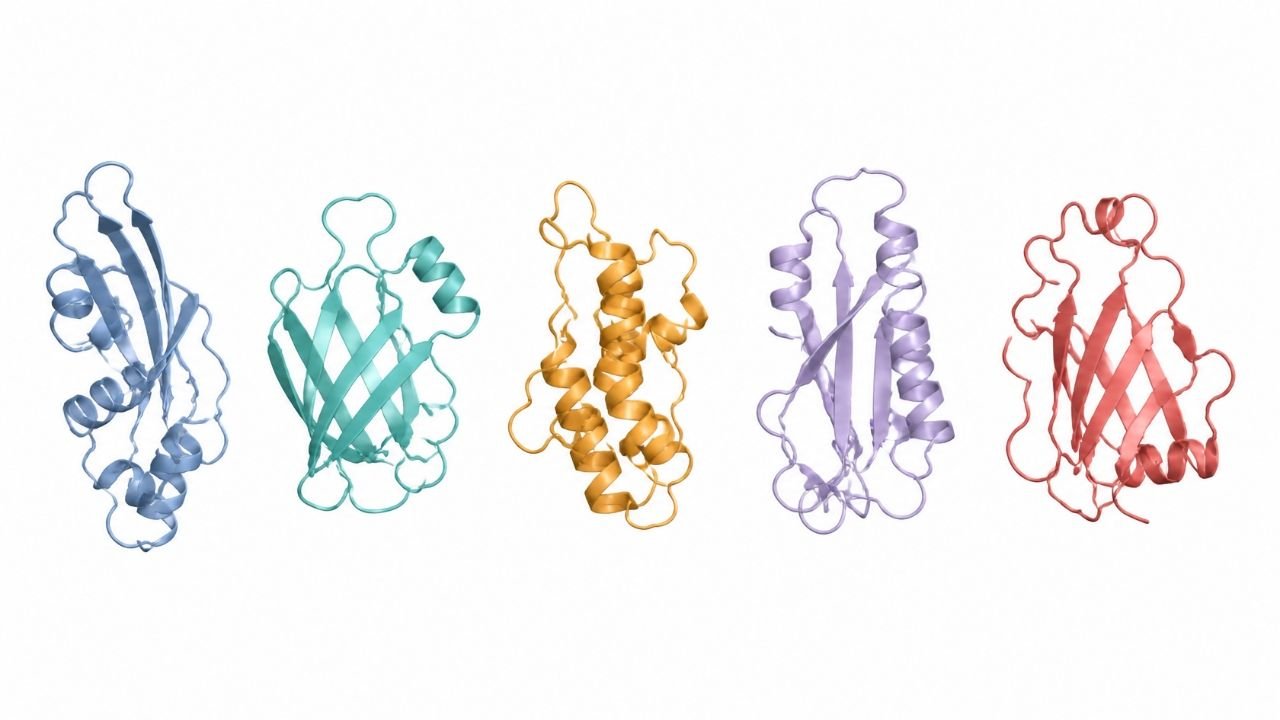
In the research of Anthropic, it was aimed to target areas that allow proteins to be directly connected to the sodium channels of toxins. Thus designed proteins were aimed to prevent toxins from interacting with nerve cells by holding neurotoxins.
Researchers also tried to develop not only proteins that target a single toxin, but designs that can connect to multiple toxins. In the event that such an approach is successful, it can be possible to develop more comprehensive treatment options that can be used against different types of acorpions.
But at this stage, the same success was achieved in the designs aimed at multiple toxins. No multiple toxin design in laboratory tests could not meet the binding criteria to multiple goals.
17 Protein Successful in Laboratory Tests
The protein designs created by Claude were worked with Adaptyv Bio and Twist Bioscience to evaluate whether it works in real biological conditions. Two biotech companies tested the properties of binding to target toxins by producing total 211 protein design in the laboratory environment.
A measurement method called surface plazmon resonance (SPR). This method is used to examine how strong the two molecules are connected together and how this interaction changes in time.
The researchers asked a protein to meet certain conditions to be considered successful binding. It is necessary to show binding signal in repeated experiments in both laboratories of designs, meet the threshold values determined by the binding power and not to be unwanted binding to an uninterested human protein.
As a result of these assessments, 17 criteria were met from 211 design. Seven of successful designs were bonded to Cn2 toxin, dördu AaH II, dördu AaH I and two LqhIII, associated with the type of akrep in Mexico. A protein that meets the criteria against Ts1 toxins associated with the type of axrep in Brazil was not achieved.
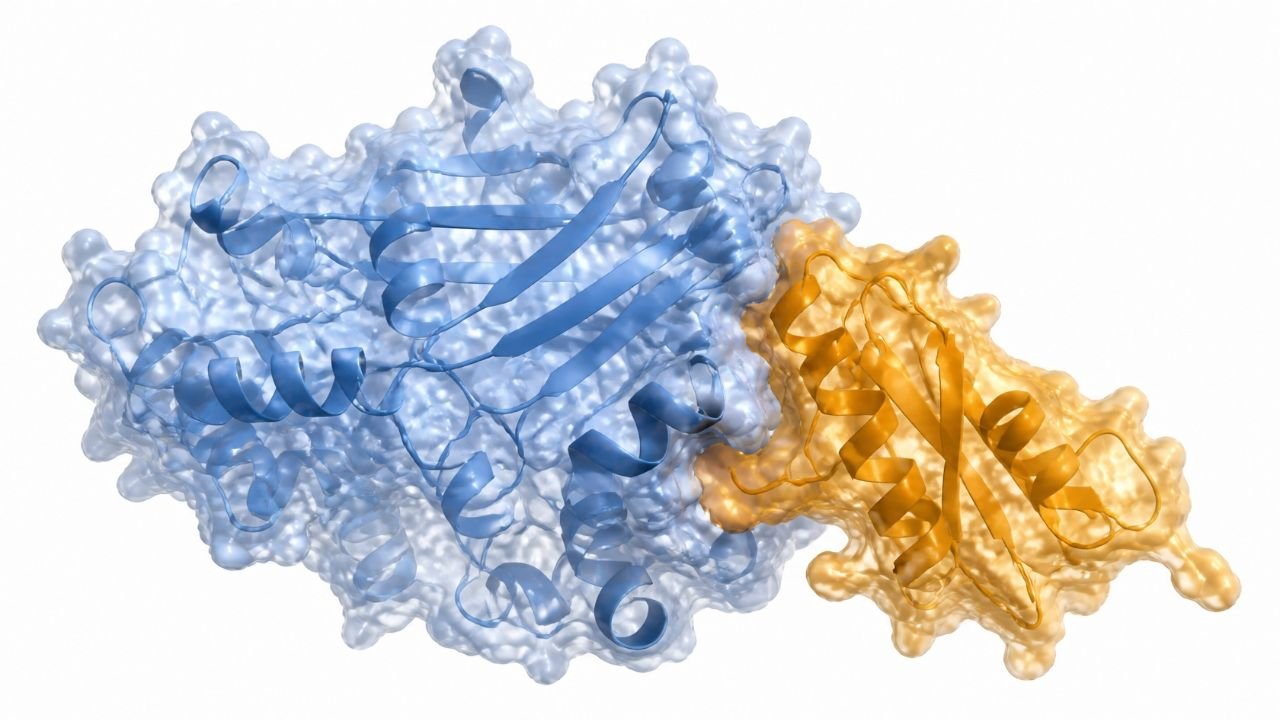
In particular, Cn2-B1 and Cn2-B2, developed against Cn2 toxin, two proteins were among the prominent results of research. Both design also showed the ability to connect to the target toxin at one digit nanomolar level. This value reveals that proteins can hold to the target molecule quite strong.
The researchers also determined that these two proteins target a similar binding zone with an antibody called a shown LR, which has previously been neutralizing Cn2 toxin in mouse experiments. This finding supports the possibility of blocking the biological effect of toxins in the future of designs.
However, it is necessary to pass through much more thorough tests than binding experiments to turn proteins into a real treatment.
The experimental results and protein designs of the research to examine other scientists Anthropic's Hugging Face data set opened access. Thus, researchers can examine the sequences of 211 design, predicted structures and experimental data.
How to Change Protein Design Drug Development Processes With Artificial Intelligence?
The research conducted by Claude draws attention to the role that protein design can be undertaken in pharmaceutical processes with artificial intelligence. The development of molecules that can be linked to a specific goal in traditional protein engineering requires a long process that combines biology, chemistry, computer-supported modeling and laboratory experiments.
The researcher’s structure of target protein first, then creating appropriate molecular designs and these designs have to be examined experimental. When unemployed results are achieved, it is necessary to reorganize the design and test new candidates.
Artificial intelligence models can provide significant advantages especially in calculation stages of this process. Analysis of large amount of biological data can be performed as soon as the prediction of the three-dimensional structures of proteins and the comparison of different molecular designs.
This approach was used in the research of Claude. The model created hundreds of thousands of candidates by coordinateing different protein design tools and evaluated them according to certain criteria. Thus, the determination process of candidates that researchers can test in the laboratory was accelerated.
This approach is important not only in terms of treatments to be developed against axrep zehrine, but also in terms of discovery of biological molecules that can be used in the treatment of different diseases.
One of the earlier examples of the use of artificial intelligence in biotechnology OpenAI and Retro Biosciences work conducted in the field of protein engineering. This study is among examples showing how artificial intelligence models can be evaluated in protein design and cellular research.
For example, the design of new molecules targeting proteins associated with certain diseases may be possible to open new research areas for the development of existing drugs or diseases that are previously limited to treatment options.
However, it does not mean that artificial intelligence can be designed protein, a new drug is developed alone. Different stages of showing the desired biological effect on the disease with the binding of a molecule to the target protein. Therefore, it is necessary to verify the calculationed designs with laboratory experiments and clinical research.
Proteins Designed by Claude Not yet Panzehir
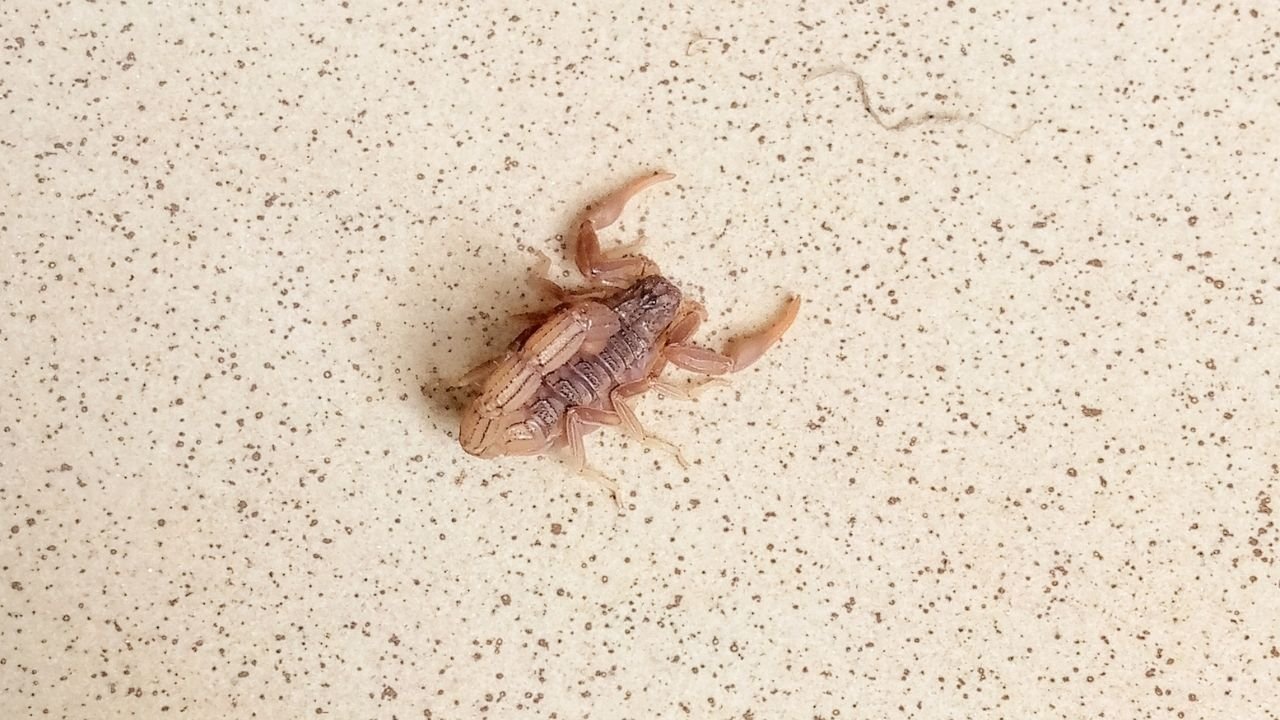
The most important limit of the research is that successful protein designs have not yet been verified that toxins are not ineffective in biological environment.
Anthropic states that 17 protein has not yet been tested if these molecules are blocked and blocked the effect of neurotoxins in the cellular environment.
The binding of a protein toxin does not necessarily mean that toxins will damage nerve cells. It is also necessary to investigate whether the designed molecules really block and block the biological function of toxins.
Therefore, in the next stages, it is planned to examine whether proteins are interacted with toxins derived from direct acorpion zehr. Then the effect of designs on sodium channels with cell experiments will be evaluated.
After this stage, successful candidates need to be tested in animal experiments. Thus, proteins can only be understood whether they are not connected to the toxins, but not showing a protective effect in the living organism.
The safety, stability, production cost and accessibility of molecules to be developed are among the subjects to evaluate.
Anthropic has opened the complete and experimental data of 211 design used in research to review other researchers. Thus, the introduction of new protein designs is opened using the existing results of different scientists.
Prevent New Treatments Against Scorpions
It is estimated that around 1,2 million people are exposed to scorpioning each year. According to the data transmitted by Anthropic, these cases can result in more than 3.250 death annually. People who live in areas where access to children and healthcare services is limited to higher risk in terms of severe poisoning.
In the production of existing axrep panzehires, antibodies are often used from immune-generated animals. In this method, the acrep zehri is created a controlled immune response to animals, and then the antibodies from the blood of the animals are separated.
But this process can take time and the effect of antibodies obtained is often limited to certain toxins. Production costs and supply problems can also be difficult to access treatment in some regions.
Artificial intelligence-supported protein design can contribute to the development of alternative research methods for these problems. The development of small proteins, especially targeting certain toxins directly, can be produced faster in the future, and researching treatment options that can be adapted to the needs of different regions.
Claude autonomous research and vehicle usage capacity one of the ways to pay attention to this study. Using different tools of the model, research execution, design creation and results assessment shows the scope of tasks that artificial intelligence agents can undertake in scientific research.
Similar Talent differences between Claude, ChatGPT and Gemini It also gives insight to how artificial intelligence models can evaluate in different research and production processes.
However, the work of Claude should not be forgotten that it is in the early stage of experimental research yet. The results that come to the center indicate that a new acorpion panzehir is prepared, artificial intelligence can be used in protein design processes for the development of such therapies.
Anthropic’s research marks the role of artificial intelligence in scientific discoveries. This approach extends from protein design to pharmaceutical discovery will be cleared with laboratory verifications, safety tests and clinical research if it will give results in the future.
Writer