
DSÖ 2026 Report: Is it Ready to Artificial Intelligence in Europe?
Automatically translated
 Creator
Artificial intelligence technologies are the most critical center base of this unprecedented transformation that restructures the global scale industries health sector has been. The momentum created by the European Union to accept the world’s most comprehensive AI law has become a global reference point for the use of technology in the health of the continent. While all the world’s eye is translated how to manage this new generation era of Europe, 47 pages published on 2026 by the World Health Organization (DSÖ) DSÖ 2026 Report uThis technological revolution of the systems across the continent reveals a highly transparent and analytical framework.

European Health Systems and Strategic Integration Vision
The transition from traditional service presentation models to data-oriented, proactive and more personalized medical applications is one of the biggest requirements of today. In this context, European healthcare systems take strategic steps to overcome technical and bureaucratic challenges simultaneously, while incorporating massive opportunities of artificial intelligence to operational processes.
The introduction of new equipment and algorithms to hospitals is not enough alone; the main thing is to adapt the national health policies from the beginning to the new technological reality. Report, member states AI Strategies Home and this vision analyzes the reflecting formats to the field in detail, reveals the corporate map of the regional integration process.
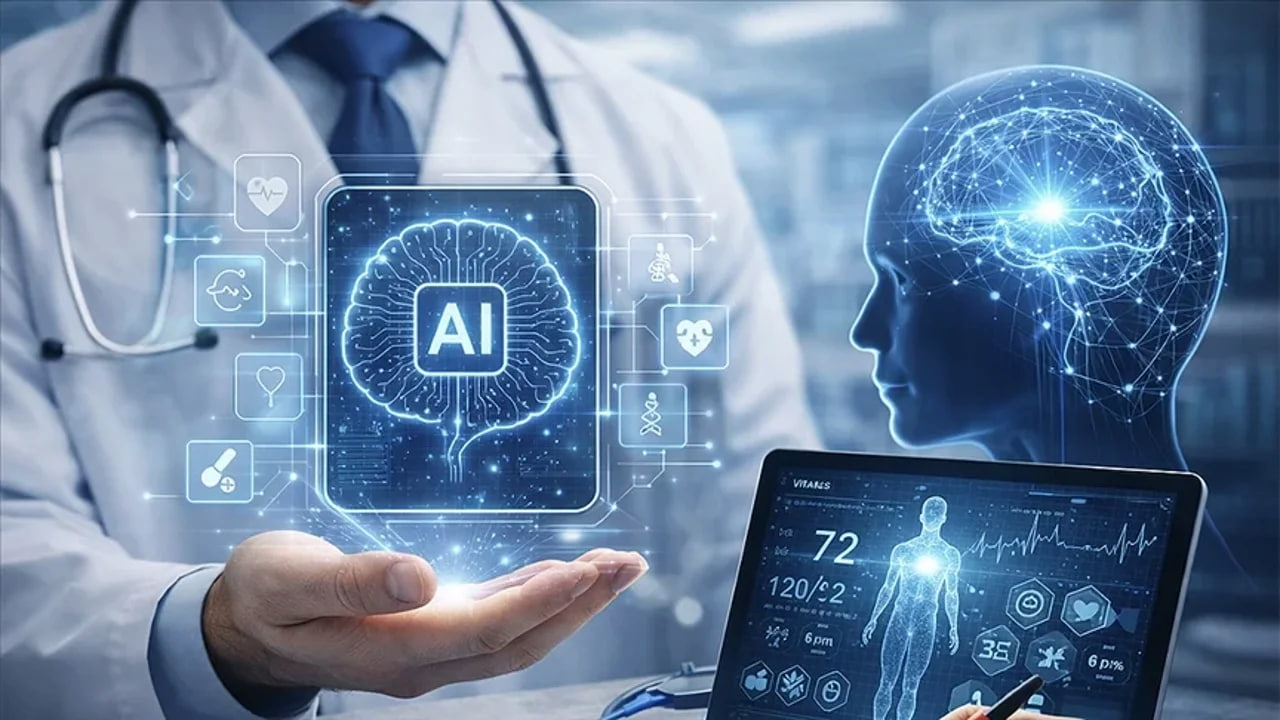
Current Status Analysis of 2024–2025 Data Light
DSÖ 2026 Report, between 2024 and 2025 DSÖ European ZoneThe very comprehensive survey and field studies performed on the use of artificial intelligence in healthcare services are based directly on the results. In the light of these data, the report evaluates the health infrastructures of member countries through the following critical parameters.
Corporate maturity of national AI strategies.
Ability to adapt legal and ethical frameworks to technological speed.
Data management strategies Home and shareholder engagement levels.
The capacity of adaptation to the technological change of health labor force.
The success of integration of innovative applications to existing healthcare services.
Construction of Digital Health Management and Ethics Frames
The success and reliability of artificial intelligence in health depends on how much the quality of the data that feeds algorithms, how this data is managed and protected. What is the most meticulous concepts on the report digital health governance Homeplays a vital role in ensuring patient privacy and preventing data breaches.
Taking decisions directly affecting human health with algorithmic supports requires the implementation of ethical frameworks without concession. DSÖ analyses highlight the processes of compliance with the legislation and engagement of stakeholders, the basic condition for the introduction of technology in a responsible and safe way. Without a strong governance mechanism AI applications in health Home It is not possible to see a sustainable acceptance in clinical environments.
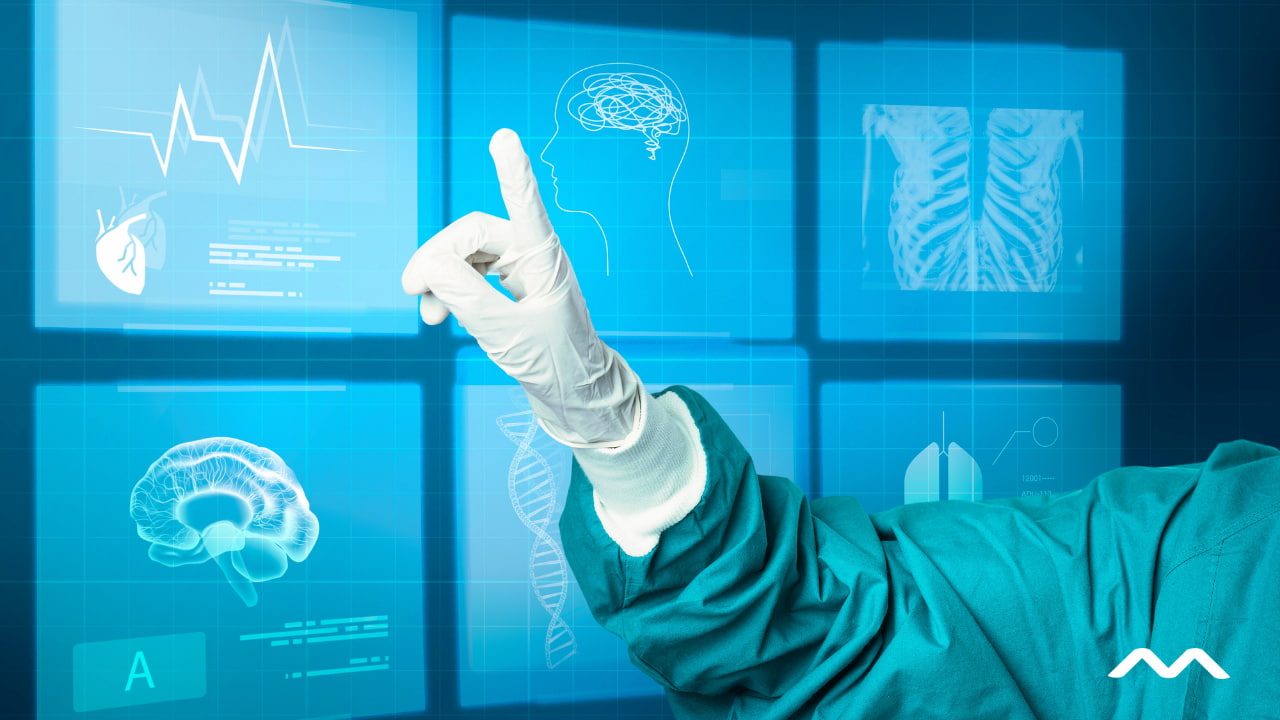
Artificial Intelligence Diagnostic Tools in Clinical Processes
The most concrete transformation, diagnosis and treatment processes in the field are accelerated. New generation artificial intelligence diagnostic toolsSince the analysis of radiological images in milliseconds, it is the largest supporter of health professionals in a broad spectrum, ranging from pathological findings to classification and risk tracking of chronic diseases.
The data published by DSÖ draws gold of steps taken across Europe in the integration of existing health care of these clinical vehicles. The diagnostic tools have the potential to minimize the error share by strengthening the decision-making mechanisms of doctors. However, the report refers to a clear language that system integrations should not leave the error share for the prevalence of these applications and should be fully designed to the legal standards.

Future and Capacity Development Strategies of Business Power Home
Even the most advanced technology, it benefits in the measure of competence of the human resource to manage it. The DSÖ 2026 Report, acting with this consciousness, is under the lens of the preparation of the AI revolution in the health sector.
Physicians, nurses and administrative staff are indicated that their national capacity development programs should be urgently activated so they can integrate into this new ecosystem. Increasing the technological literacy of health professionalsThe system will not only work more efficiently, but also the confidence in the patient-doctor relationship will carry to modern standards.
Rebuild Global Health Standards
The final fact that the analysis reveals is quite clear: the European Union and region states exhibit an unstable corporate and legal will to lead to the use of artificial intelligence in health. This steps taken together with the introduction of the first comprehensive AI law into force constitutes a role model for the entire world, not only for Europe.
DSÖ 2026 Report is not only a technology map to states; it offers people a vision of a center-area, strict adherence to ethical values and a high-security future. The strengthening of digital infrastructures will continue to build the medical standards of the future from today, thanks to synchronize legal regulations with clinical facts on the field and qualified transformation of the workforce.
CreatorSiber Saldırılara AI Freni: Claude Security Yayınlandı!


ChatGPT Agent: 2026'nın Otonom Yapay Zeka Devrimi