
EleutherAI Published Common Pile v0.1 Data Set For Artificial Intelligence Training
Automatically translated
 Creator
Artificial intelligence research organization EleutherAI published a huge-sized data set. composed of licensed and open source text Common Pile v0. 1 in Since it is quite comprehensive, it is predicted that AI companies have a data set that contributes to development.
EleutherAI Artificial Intelligence Laboratory
EleutherAI is a non-profit AI research organization. OpenAI can be called open source. In the beginning, a Discord server community opened to talk about GPT‐3 has turned into a research organization that focuses on large-scale artificial intelligence research. In recent days, the community that comes up with the data set called Common Pile v0.1 contributes to a large development.
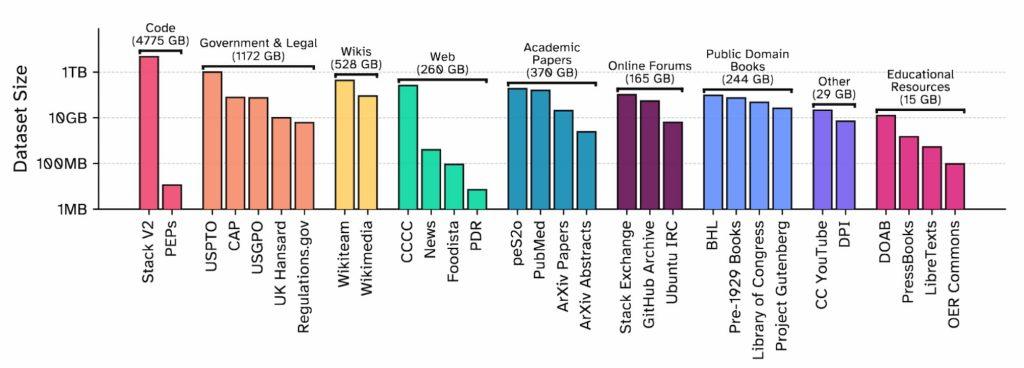
Common Pile v0.1 Data Set
The Common Pile v0.1 data set was developed in two years in collaboration with several academic institutions along with Poolside, Hugging Face and other AI initiatives. This set of data in total of 8 terabayt sizes was created on train two new AI models called EletheurAI, Comma v0.1-1T and Comma v0.1-2T. These two models are claimed to perform the same performance with great artificial intelligence models.
Some AI companies located in OpenAI were mixed with some cases with the reason that the copyright protected data was used during training. Stella Biderman, director of EleheurAI, a blog post The researchers in some companies wrote that such cases harm the transparency of companies, and some companies could not publish their research due to their cases.
Common Pile v0.1 data set can be downloaded from Hugging Face’s AI development platform and GitHub. This data set was also created with 300.000 sources and legal experts. EleutherAI also used Whisper, an open source speech-metne model of OpenAI to post the audio content.
Ongoing Goals
EleutherAI is an important step to create a large and open source data set to it, but it also states the future. They also indicate that they are willing to reveal more data, produce better versions. They also aim to contribute to Comma v0.1 models by engaging with post-education data.
Creator