




Ethical AI Tools: The Best AI Governance Platforms for 2026
Automatically translated
 Admin
As artificial intelligence technologies are rapidly integrated into business operations, maintaining the delicate balance between innovation and ethical responsibility has become more challenging than ever. As of 2026, building "smart" models is not enough; these models must also be transparent, accountable, and fair. Ethical AI tools are no longer just a compliance requirement. They are becoming strategic strongholds where brands gain a competitive advantage by building trust in the digital world.

Regulatory frameworks such as the EU AI Act and the NIST AI RMF, which are coming into force globally, are pushing organizations to build bias detection, explainability, and auditability mechanisms throughout the AI lifecycle. In this guide, which covers everything from technology giants to niche sector solutions, we examine in technical detail the 10 best governance platforms selected by AI magazine that will help you scale AI responsibly.
Why AI Governance Is Mandatory in 2026
The "black box" era of the AI world has officially ended. Modern AI governance processes aim to explain the logic behind algorithmic decisions (XAI) and to eliminate hidden biases in data at the production stage.
- EU AI Act Compliance: The strict regulations of the European Union require transparency and human oversight for high-risk AI systems. Companies that fail to comply with this law face not only heavy fines but also loss of market reputation.
- NIST AI RMF Tools: The Risk Management Framework published by the U.S. National Institute of Standards and Technology (NIST) provides a global standard for building trustworthy AI systems.
Top 10 Platforms in the Ethical AI Tools Landscape
1. Microsoft Responsible AI Toolbox

Offered by Microsoft, the Microsoft Responsible AI Toolbox is leading the democratization of AI. It offers comprehensive libraries for model and data exploration, and its "Prompt Shield" feature in Azure AI Studio maximizes security by blocking model injection attacks. It has set an industry standard for error analysis and fairness assessments.
2. IBM watsonx.governance

IBM is one of the strongest players in enterprise-grade explainable AI (XAI) and auditability. This tool, the third pillar of the Watsonx platform, uses its "EU AI Risk Assessment" feature to scan models trained on companies' own data and identify legal gaps. By providing end-to-end transparency, it offers concrete evidence of why models produce specific results.
3. Google Responsible Generative AI Toolkit
This toolkit, which offers a guide to building secure applications on Vertex AI, is based on the "Model Cards" documentation standard. Its tools for transparently documenting the limits and behavior of models help you proactively manage risks in production environments.
4. Amazon SageMaker Clarify
SageMaker Clarify, which runs in the AWS ecosystem, detects unwanted biases in data both before and after training. Using SHAP (SHapley Additive exPlanations) values to explain model behavior, the platform performs these complex calculations at 50% lower cost than local solutions, giving large enterprises a budget advantage.
5. Salesforce Einstein Trust Layer

Focused on customer data privacy, Salesforce offers ethical protection shields with Einstein AI that ensure sensitive data never leaks out of its models. Its data privacy and compliance barriers create a secure ecosystem for organizations that process data from thousands of other organizations.
6. SAP AI Ethics/Compliance

SAP is one of the rare companies holding ISO 42001 certification, the world's first AI management system standard for AI governance. Within the company's "Global AI Ethics Policy" framework, Responsible AI offers a systematic management model that minimizes hallucination and bias risks in models, helping protect corporate reputation.
7. Credo AI
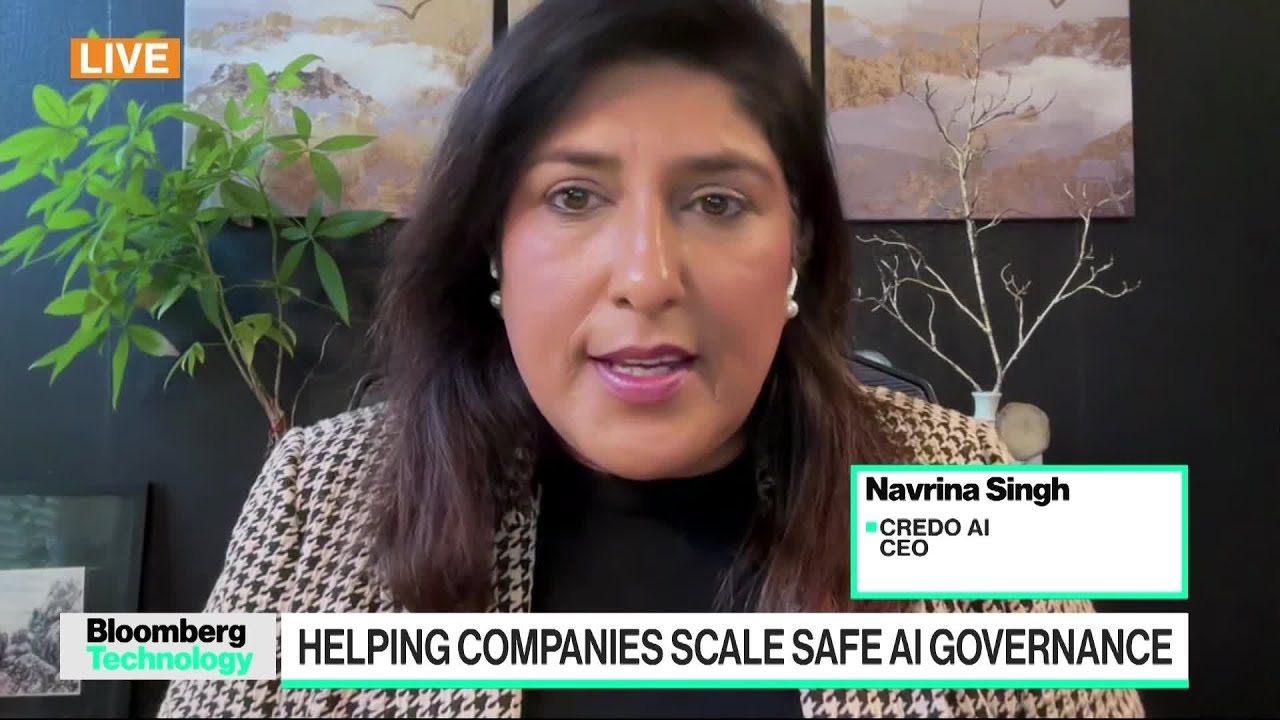
The platform led by Navrina Singh frames governance as a "Trust OS" (Trust Operating System). With specialized "Model Trust Scores" for EU AI Act compliance, it helps companies choose models based on their use cases. It turns abstract ethical principles into auditable risk registers and concrete controls.
8. TruEra (Snowflake Ecosystem)
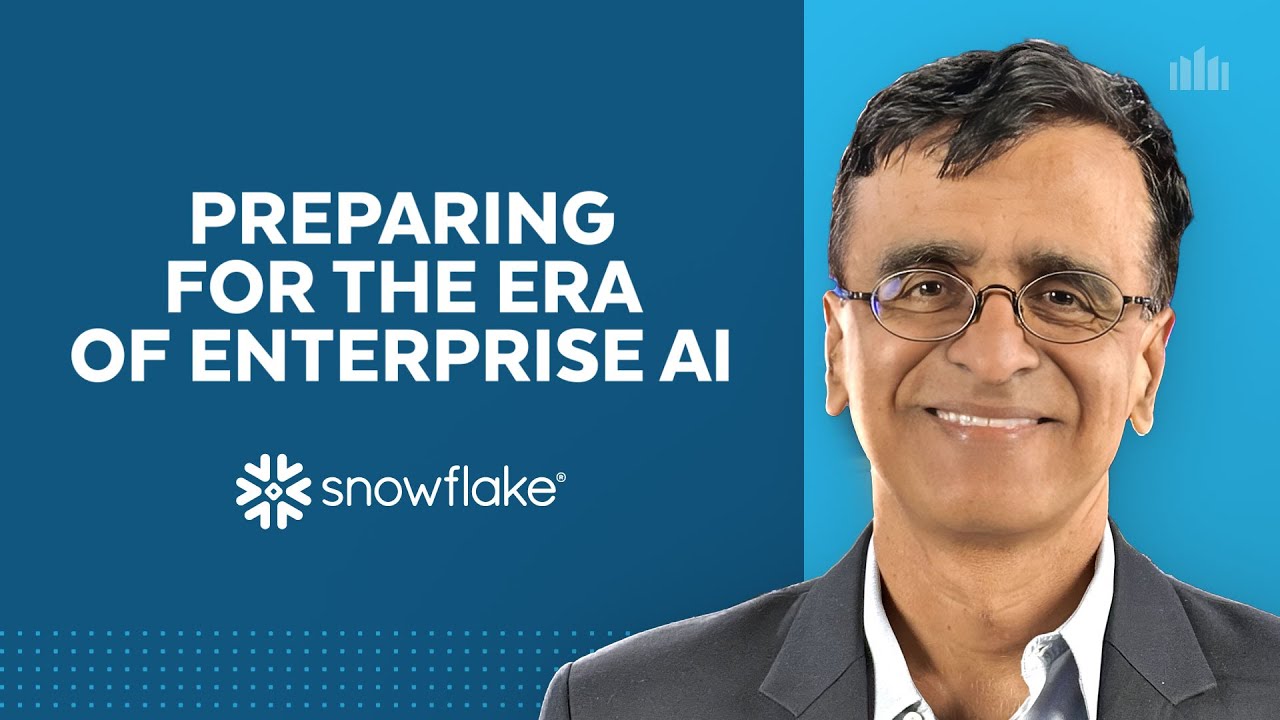
TruEra quickly isolates performance and stability issues by performing "root cause analysis" on traditional machine learning and LLM models. Acquired by Snowflake and embedded in the AI Data Cloud, the platform builds trust by monitoring models' behavior in live environments in real time.
9. Collibra AI Governance
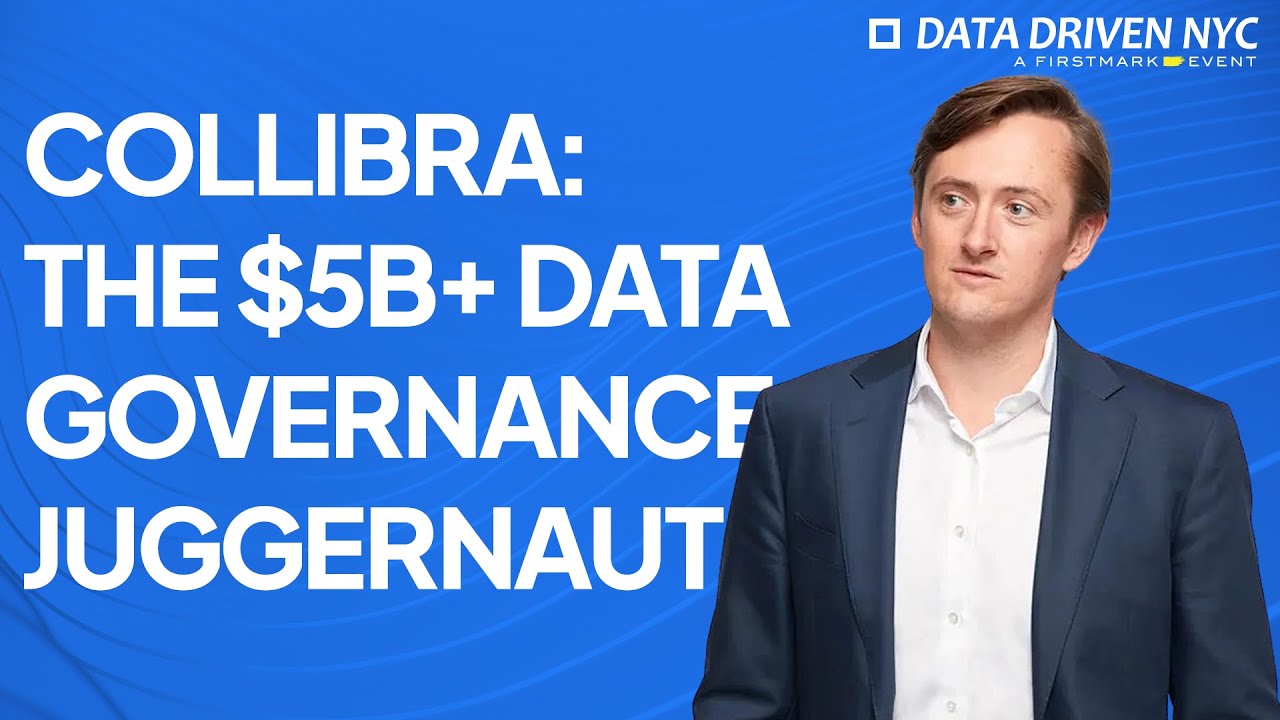
Bringing its expertise in data lineage monitoring to AI, Collibra produces a map showing where the data entering AI comes from and where it goes. Based on the principle that "untrusted data stops half of AI projects," it audits data quality and security from the point of entry onward.
10. Monitaur
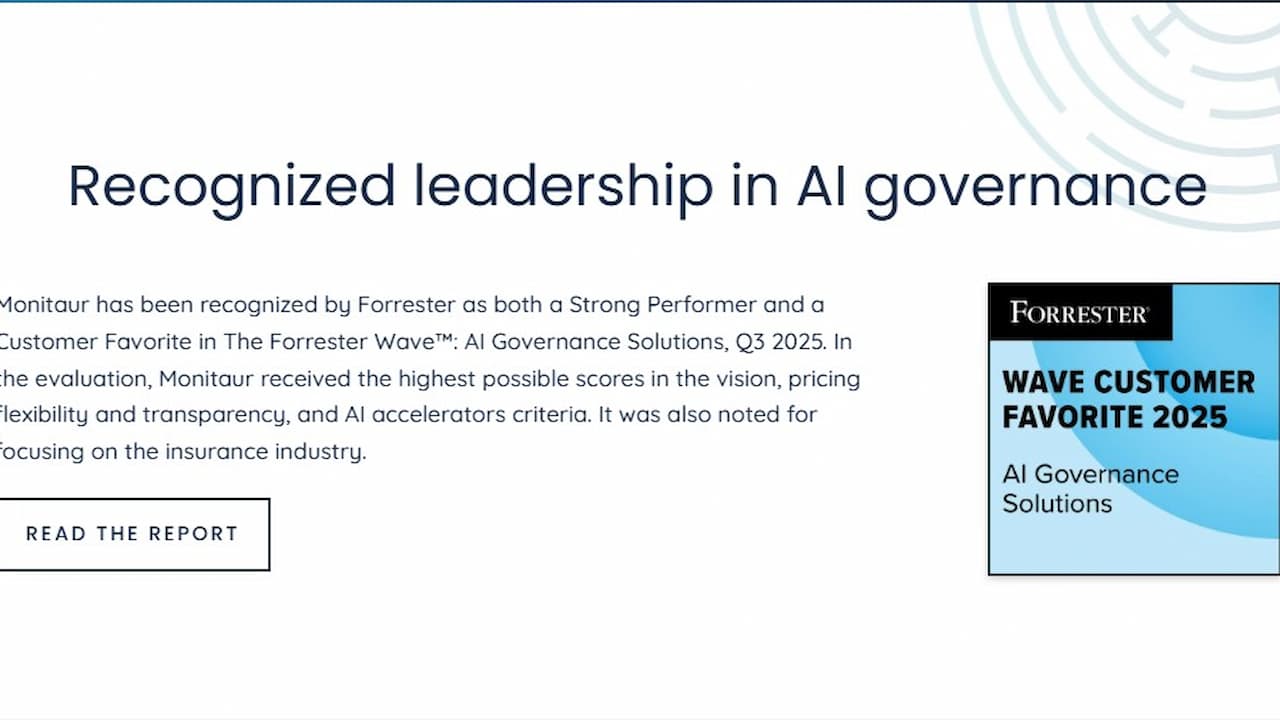
Focused on sectors such as finance and insurance, where regulations leave little room, Monitaur centralizes model risk management. By turning bureaucratic burden into a business enabler, it helps hundreds of AI projects scale at the same time while meeting legal standards.
| Tool / Platform | Area of Expertise | Key Advantage | SEO Focus |
|---|---|---|---|
| Microsoft Toolbox | Open Source / Fairness | Prompt Shield & Security | "Open Source Ethical AI" |
| IBM watsonx | Enterprise Governance | End-to-End Auditability | "Enterprise AI Governance" |
| Salesforce Einstein | Customer Data Ethics | Data Privacy Protection | "Ethical CRM AI" |
| Credo AI | Global Regulations | EU AI Act Compliance Scores | "AI Regulatory Compliance" |
A New Era in AI Ethics: Competitive Advantage, Not Just Compliance
In 2026, organizations that adopt ethical AI tools are not just avoiding legal penalties. They are also earning the full trust of their users and investors. Bias detection and explainable AI (XAI) capabilities help prevent losses worth billions of dollars caused by flawed decisions.
Governance is no longer an obstacle to innovation. On the contrary, it is the most powerful fuel that allows AI to accelerate safely. When choosing the right platform for your company, you should prioritize how well it integrates with your technology stack and how quickly it can adapt to regulations.
AdminGoogle NotebookLM Data Tables ile Veriyi Anlamlandırma Yolu


ChatGPT Görsel Üretme Aracı Yenilendi


