Skip to content
Back to blog list
Google Scholar Labs Yapay Zeka ile Yeni Nesil Akademik Arama
AI Tools

Google Scholar Labs New Generation Academic Search with Artificial Intelligence

Automatically translated
Büşra Özer
Büşra ÖzerAdmin
4 min read

The information access process, which is the basic stone of academic research, does not have to stay limited to traditional methods. Google is the new tool to find multi-angle answers to detailed scientific questions using Generative AI research capabilities Google Scholar Labs introduced. This feature integrates in Google Academic (Google Scholars), carries potential for researchers to find and synthesize the information they are looking for.

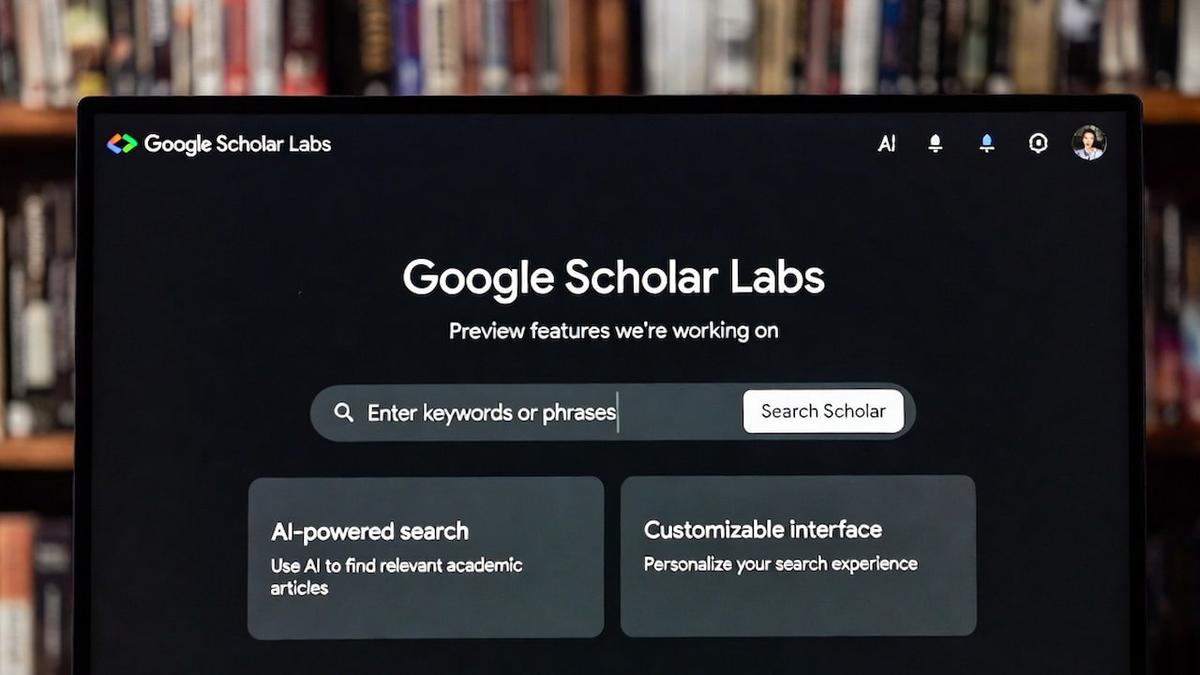
google akademik içine entegre olan google scholar labs

However, this transformation also brings a significant discussion in science glass: AI-supported academic search tools, traditional scientific quality criteria (solid number, impact factor), how can really take the forefront of reliable and effective articles? What extent does this new approach change the responsibility for the scientific article reliability of the researcher?

What is Google Scholar Labs and How Does It Work?

  • What? Google Scholar LabsGoogle Academic (Google Scholars) is a new feature designed to answer complex scientific research questions by conducting artificial intelligence-supported academic search.
  • How it Works? It analyzes the user’s detailed question, identifies basic topics, directions and relationships between them. Then, all the issues set out on Scholars. For example, when the consumption of caffeine affects short-term memory, Labs makes multiple calls to find articles covering relationships between caffeine intake, short-term memory and age-specific cognitive studies. The results evaluate and explain which part of the article responds.
  • Who Can Use? For the moment, Labs is presented to the limited number of sessions and the user feedback is collected for future improvements.

Why does AI Use Traditional Metrics (Number of Strokes)?

Google Scholar Labs does not use some common filters (consistent number and effect factor of the journal) in the outcome ranking, which is traditionally used to determine research quality.

  • What is the Number of Horses and Impact Factor (Journal Impact Factor)?
    • Number and Impact Factor; After the release of an article, it is common indicators that are often shown to the reference by other scientific studies or used to measure the popularity of scientific mosque, showing an average popularity of an journal.
    • For example, Nature magazine with a high impact factor, 2.5 effects factor It is assumed that it is more meticulous and important than a journal like Applied Sciences.

Why Does AI Disable These?

According to the Google spokesman Lisa Oguike, these metrics depend on the research field and are difficult to predict the appropriate values for most users. Also, limiting the impact factor or the number of pulses; it is the risk of missing significant lock studies such as disciplines or newly published articles.

bilgisayar beyin arayüzleri ve insan makine etkileşimi

How to Measure Article Reliability According to Google Academic AI?

Google Academic AI (Scholar Labs), instead of traditional social popularity indicators, the articles aim to evaluate science people similar to themselves:

  • Sort Criteria: Google states that Labs’s full text of the article when ranking articles, where it is published, who writes and how often and how recently quoted in other academic literature.
  • Purpose: The main goal of the vehicle is to find the most useful scientific content to the user’s research question. Artificial intelligence reaches the conclusion by reading links between main issues and relationships in question.
  • Example of BCI: BCI (Beyin Computer Interfaces) In a demo query about researches, although the article brought to the first row of Labs was released, it was prominent due to the discussion of the basic topics of the query (noninvasive signal, leading algorithms). This shows that the vehicle has deep content analysis.
  • What Discussions of Artificial Intelligence Aided Search Bring to Agenda?

    Google’s Generative AI research tool reveals two opposite opinions on how scientific quality should be assessed:

    • Critical of Traditional Metrics (Schrag Vision): From the University of Vanderbilt, the neurology saturation Matthew Schrag is very much from the quality of an article of the number and effect factor of Google by joining the approach, "social context"It states that it gives information about it. Schrag thinks that artificial intelligence can remove important articles that may otherwise be reviewed on the surface and add additional contexts such as social media popularity.
    • Trusted to Traditional Metrics (Smoliga Vision): Experienced researchers from Tufts University such as James Smoliga, especially when entering a new area, high horsefield articles automatically admit that they fell into the trap of accepting more reliable. As seen in PubMed comparison, traditional filters (clinic study, review article, etc. ) continues to provide precise control to the researcher.
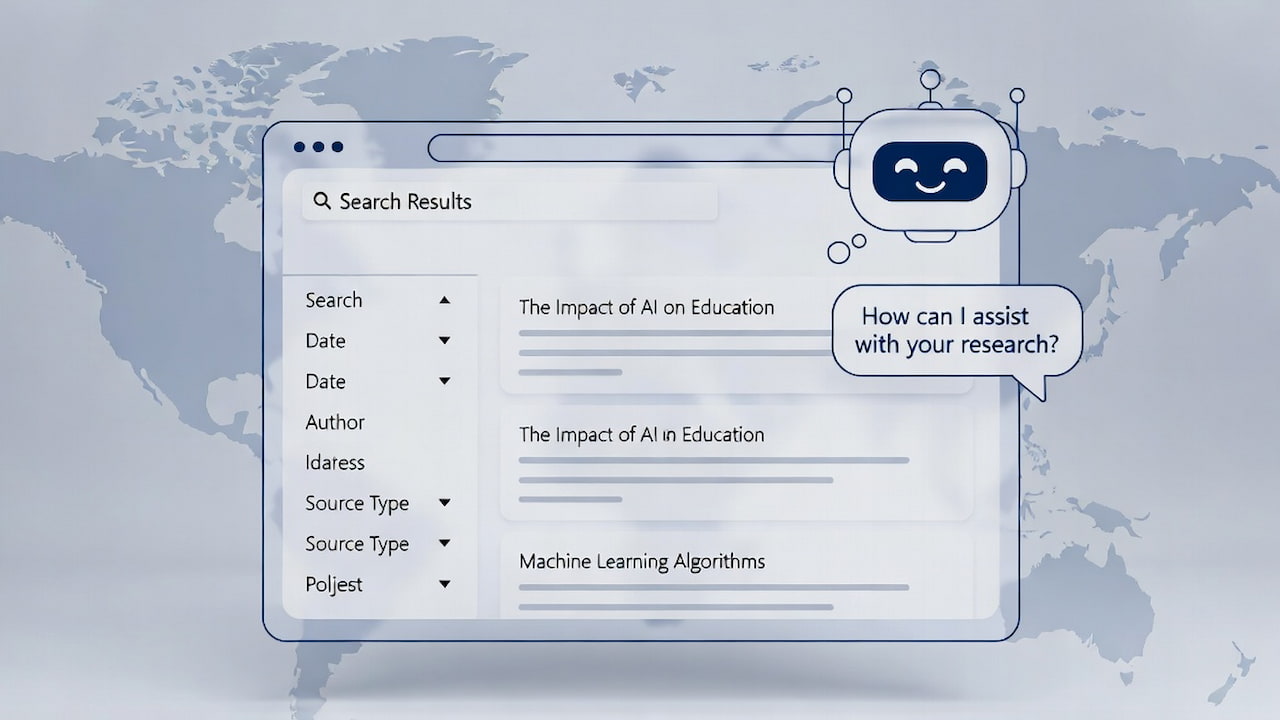
    generative ai ile google scholar labs

    Although scientists acknowledge the potential of AI-supported academic search tools, they emphasize that the final assessment authority should be not to algorithms, but for them. Google Scholar Labs is an important step to determine the direction of future academic knowledge discovery, but for researchers, reading articles and rigorous evaluation will continue.

    Sign up for the waiting list for access to Google Scholar Labs or help you enter the world of artificial intelligence to learn more about the ethical and practical results of using Generative AI research tools in your academic research See our trainings.

    The information access process, which is the basic stone of academic research, does not have to stay limited to traditional methods. Google is the new tool to find multi-angle answers to detailed scientific questions using Generative AI research capabilities Google Scholar Labs introduced . This feature integrates in Google Academic (Google Scholars), carries potential for researchers to find and synthesize the information they are looking for. However, this transformation also brings a significant discussion in science glass: AI-supported academic search tools, traditional scientific quality criteria (solid number, impact factor), how can really take the forefront of reliable and effective articles? What extent does this new approach change the responsibility for the scientific article reliability of the researcher? What is Google Scholar Labs and How Does It Work? What? Google Scholar Labs Google Academic (Google Scholars) is a new feature designed to answer complex scientific research questions by conducting artificial intelligence-supported academic search. How it Works? It analyzes the user’s detailed question, identifies basic topics, directions and relationships between them. Then, all the issues set out on Scholars. For example, when the consumption of caffeine affects short-term memory, Labs makes multiple calls to find articles covering relationships between caffeine intake, short-term memory and age-specific cognitive studies. The results evaluate and explain which part of the article responds. Who Can Use? For the moment, Labs is presented to the limited number of sessions and the user feedback is collected for future improvements. Why does AI Use Traditional Metrics (Number of Strokes)? Google Scholar Labs does not use some common filters (consistent number and effect factor of the journal) in the outcome ranking, which is traditionally used to determine research quality. What is the Number of Horses and Impact Factor (Journal Impact Factor)? Number and Impact Factor; After the release of an article, it is common indicators that are often shown to the reference by other scientific studies or used to measure the popularity of scientific mosque, showing an average popularity of an journal. For example, Nature magazine with a high impact factor, 2.5 effects factor It is assumed that it is more meticulous and important than a journal like Applied Sciences. Why Does AI Disable These? According to the Google spokesman Lisa Oguike, these metrics depend on the research field and are difficult to predict the appropriate values for most users. Also, limiting the impact factor or the number of pulses; it is the risk of missing significant lock studies such as disciplines or newly published articles. How to Measure Article Reliability According to Google Academic AI? Google Academic AI (Scholar Labs), instead of traditional social popularity indicators, the articles aim to evaluate science people similar to themselves: Sort Criteria: Google states that Labs’s full text of the article when ranking articles, where it is published, who writes and how often and how recently quoted in other academic literature. Purpose: The main goal of the vehicle is to find the most useful scientific content to the user’s research question. Artificial intelligence reaches the conclusion by reading links between main issues and relationships in question. Example of BCI: BCI (Beyin Computer Interfaces) In a demo query about researches, although the article brought to the first row of Labs was released, it was prominent due to the discussion of the basic topics of the query (noninvasive signal, leading algorithms). This shows that the vehicle has deep content analysis. What Discussions of Artificial Intelligence Aided Search Bring to Agenda? Google’s Generative AI research tool reveals two opposite opinions on how scientific quality should be assessed: Critical of Traditional Metrics (Schrag Vision): From the University of Vanderbilt, the neurology saturation Matthew Schrag is very much from the quality of an article of the number and effect factor of Google by joining the approach, " social context "It states that it gives information about it. Schrag thinks that artificial intelligence can remove important articles that may otherwise be reviewed on the surface and add additional contexts such as social media popularity. Trusted to Traditional Metrics (Smoliga Vision): Experienced researchers from Tufts University such as James Smoliga, especially when entering a new area, high horsefield articles automatically admit that they fell into the trap of accepting more reliable. As seen in PubMed comparison, traditional filters (clinic study, review article, etc. ) continues to provide precise control to the researcher. Although scientists acknowledge the potential of AI-supported academic search tools, they emphasize that the final assessment authority should be not to algorithms, but for them. Google Scholar Labs is an important st

    Etiketler:Google Scholar LabsYapay Zeka EğitimiAkademik
    Büşra Özer
    Büşra ÖzerAdmin
    @busraozer

    Comments (0)

    Log in to comment.

    Log in
    No comments yet. Be the first to comment!