



Google SynthID AI Content Detector: How It Works
Automatically translated
 Admin
The Google SynthID AI content detection tool was announced at the Google I/O 2025 event. The tool checks whether content generated with Google’s AI models carries a SynthID watermark. Google DeepMind’s senior executive Pushmeet Kohli describes SynthID Detector as “a verification portal” in a blog post, where he writes that it “can quickly and efficiently detect content created with Google AI.” The Google SynthID AI content detection tool stands out among AI content verification tools because it shows users which parts of the content are more likely to have been marked with SynthID.
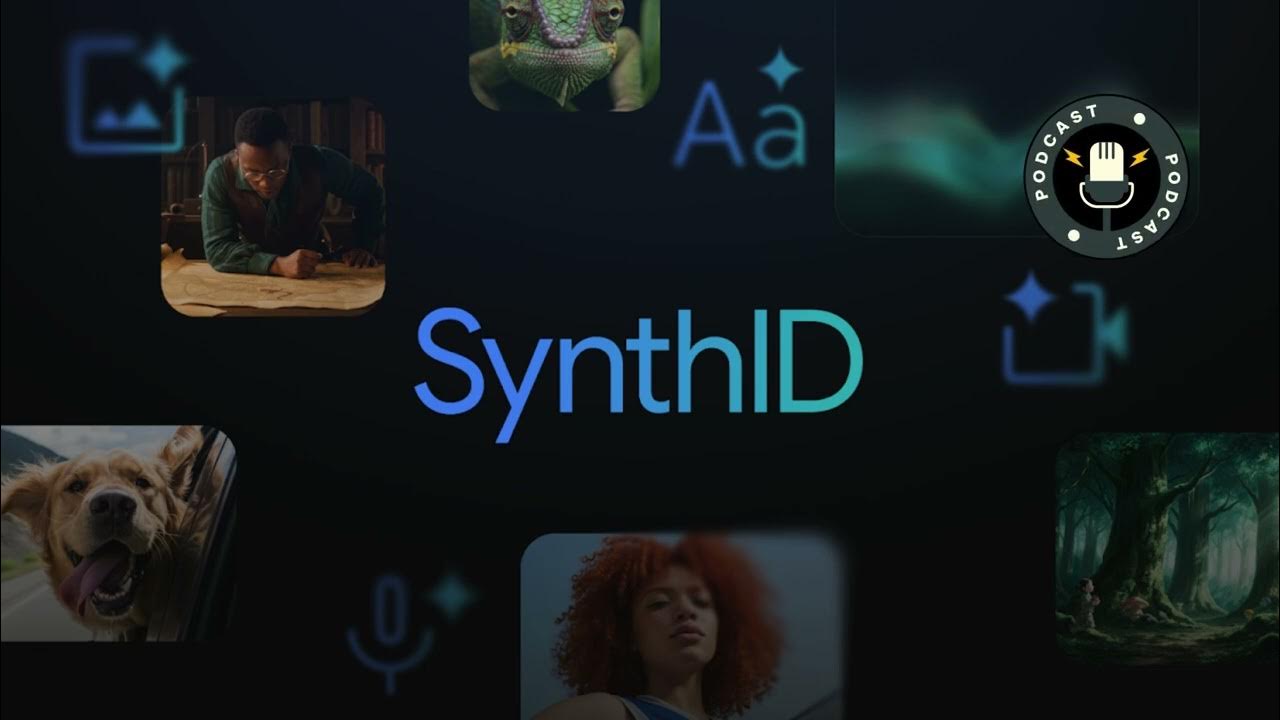
With its AI content detection function, Google SynthID leaves an AI trace not only in images but also in multiple media formats such as text, audio and video. For this reason, we can say that the Google SynthID AI content detection tool remains valid across different use cases.
What Is the Google SynthID Content Detection Tool (SynthID Detector)?
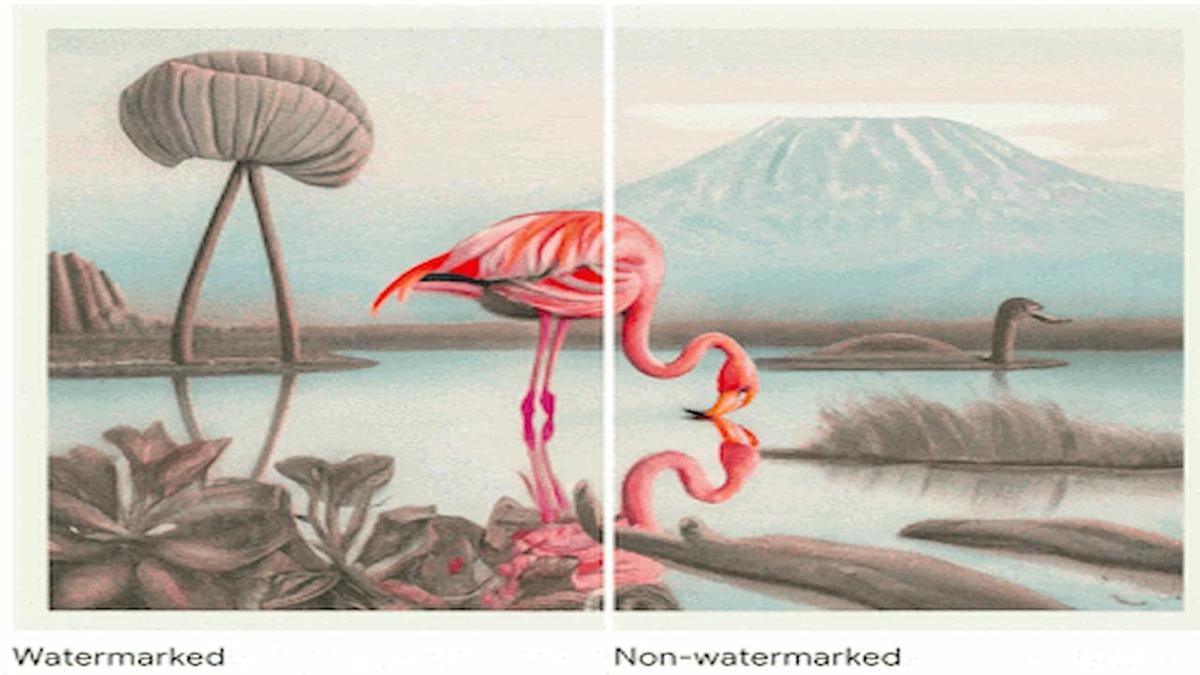
The Google SynthID AI Content Detection Tool embeds an invisible digital watermark into AI-assisted content. With this AI content detection tool, the content is marked as AI-generated. The tool was first released as a beta in collaboration with Google Cloud on August 29, 2023, covering only Imagen-based images. It was later extended to text, audio and video.
SynthID’s method ensures that the watermark can still be detected in different conditions, such as after resizing, color editing or compression. However, the watermark may still be lost in cases of extreme image manipulation.
How Does SynthID Detector Work?
Announced at Google I/O, SynthID Detector is, according to Pushmeet Kohli, “a verification portal” that “quickly and efficiently detects content created with Google AI.” When you upload an image, audio, video or text file to the portal, the tool follows these steps.
Upload: The user uploads image, audio, video or text content created with Google’s AI tools to the portal.
Watermark Scan: The portal scans the content and checks for the presence of a SynthID watermark. If it finds one, it highlights “which parts of the content are more likely to contain a watermark.”
Result Display: If a watermark is found, the user receives a detailed analysis of which areas of the content are watermarked. In addition, sections of audio files that contain a watermark and the most likely watermarked areas of images are marked.
According to Pushmeet Kohli, the portal can graphically show “which parts of the content are more likely to have been marked with SynthID.”
Google SynthID Detector
The SynthID Detector, accessible as an AI content detection tool, has started to open first to “early test users.” At the beginning, the portal will only be accessible by invitation. However, users can join the waitlist to access the SynthID Detector service. Google plans to open the portal to a wider user base using the feedback it collects from this early test group.
The Google SynthID AI content detection tool offers users the following advantages:
Multimodal Detection: It lets you examine image, audio, video and text files in a single tool.
Regional Analysis: By pointing out which parts of the content contain a high proportion of watermarks, it helps users verify both the full text and specific sections.
Use Cases
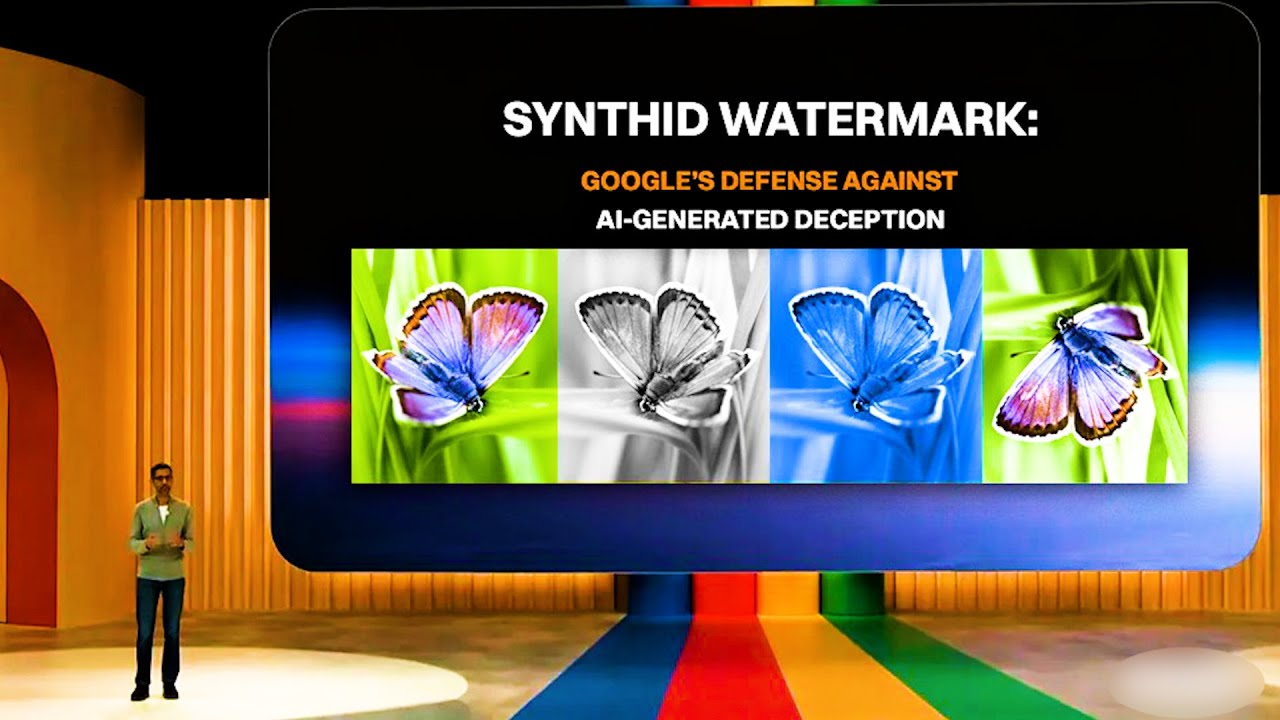
The Google SynthID AI content detection tool helps journalists and media professionals bring transparency to AI-assisted news in media and publishing. Content creators can protect their rights in copyright management by adding SynthID watermarks to the visuals and videos they create with AI. SynthID Detector, in turn, gives copyright holders additional assurance by verifying these watermarks.
In academic studies and research, this portal can be used to check the originality of images and texts created with AI. In addition, public and educational institutions can use SynthID Detector to reduce the risk of disinformation by tracking AI traces in educational materials or public information documents.
Comparison with Competing Technologies
Companies such as Meta, OpenAI and Adobe are also developing tools for AI content detection. However, SynthID is a watermarking technology built directly into the generation stage, and it offers a multimodal solution by supporting image, audio, text and video formats.
Criticism and Challenges
According to a news report, Google SynthID currently works only on content generated by Google’s own AI models (Gemini, Imagen, Lyria, Veo). As a result, content produced by other companies or open-source AI systems cannot be detected with SynthID.
According to another news report, watermarks in text, image or audio files also weaken when the content is translated into other languages or rewritten, which reduces their detectability. This limits the effectiveness of SynthID, especially in workflows that require content transformation.
According to research conducted by researchers, processes such as compression, resizing or color adjustment applied to media files can also cause the watermark to disappear completely or become undetectable. Such format changes negatively affect the process of verifying content authenticity. Similarly, the SynthID Text feature may not detect content reliably in short texts, and especially in content containing factual questions (for example, “What is the capital of France?”). This can lead to false negative results in short or fact-based content.
Finally, according to yet another report, SynthID only offers a tool for detecting AI-generated content. It has no functions for preventing content generation, stopping misinformation or directly contributing to media literacy education. Therefore, the reliability and effectiveness of SynthID can be maintained only if users support it with critical media literacy and additional verification methods.

The Google SynthID AI Content Detection Tool is a powerful digital watermarking tool that aims to increase transparency in detecting AI-generated content. In Pushmeet Kohli’s words, SynthID Detector not only “detects AI-generated content quickly and efficiently” but also highlights which parts of the content carry a higher proportion of the SynthID watermark. Offered first to early test users, this portal will significantly increase the verifiability of digital content in media, academia and copyright management when it opens to broader audiences in the future.
You can find our article on other AI content detection software here.
AdminMeta'nın Açık Kaynak AI Dil Modeli: LLaMA 2

Çocuklar İçin Teknoloji Destekli Aktiviteler


