




Invisible Threat Countered: Ukraine's AI-Powered Turret Against Fiber-Optic Drones
Automatically translated
 Writer
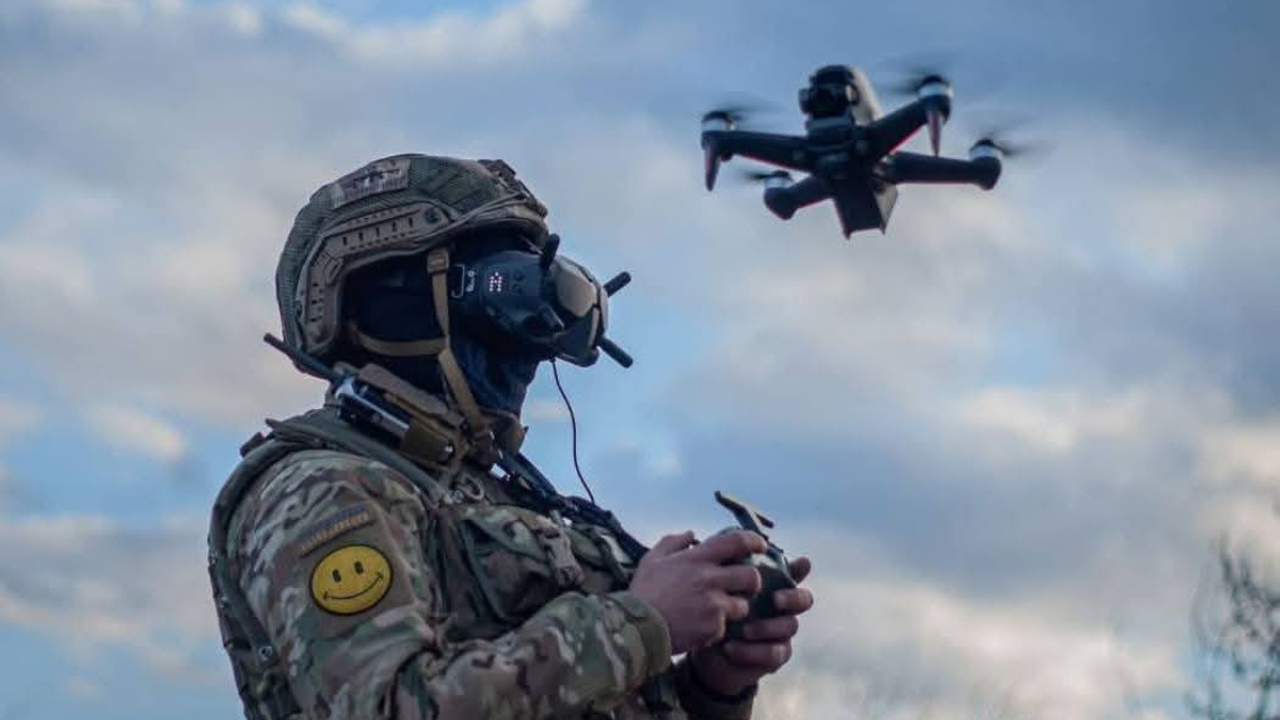
The Russia-Ukraine war has already earned its place in military literature as "the first intensive drone war in history." The rise of unmanned aerial vehicles (UAVs/UCAVs) and especially the game-changing rise of FPV (First Person View) drones on the front line has made traditional military doctrines completely obsolete. But the technological cat-and-mouse game on the modern battlefield did not stop there. Recently, military analysts and engineers have been watching a brand-new, far more insidious threat: fiber-optic drones that are immune to electronic warfare (EW) systems and defy signal jammers.
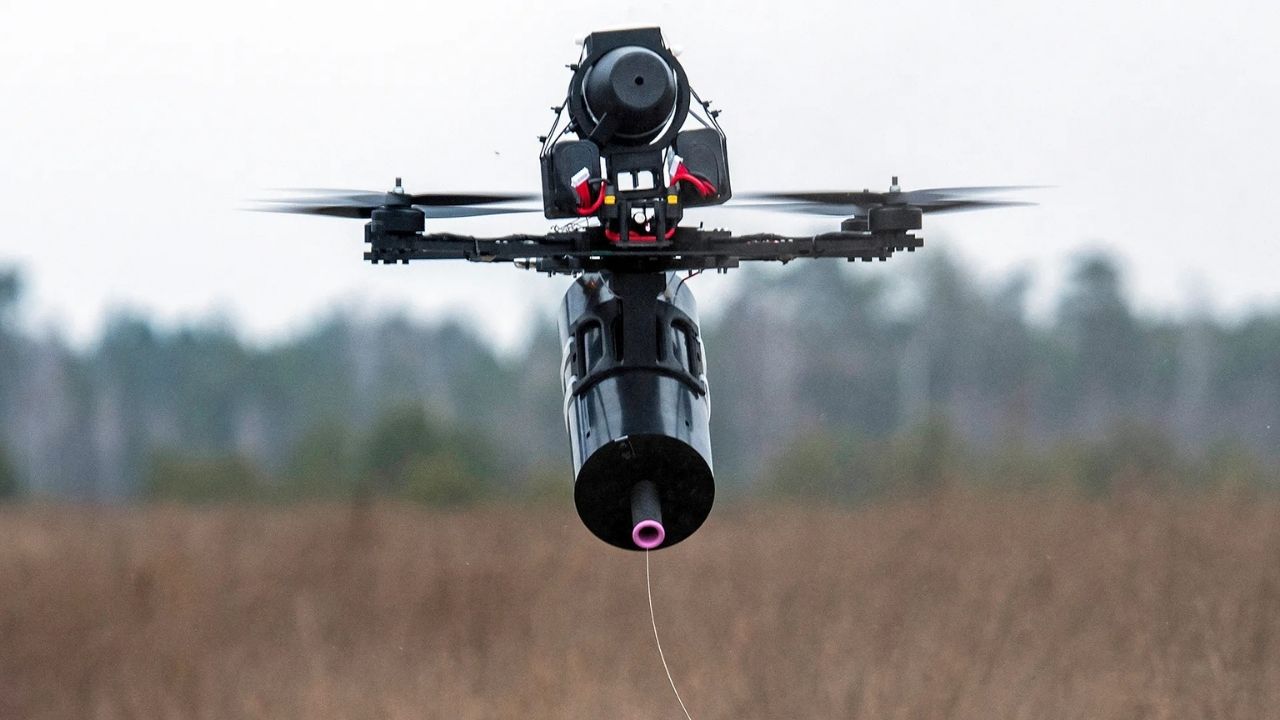
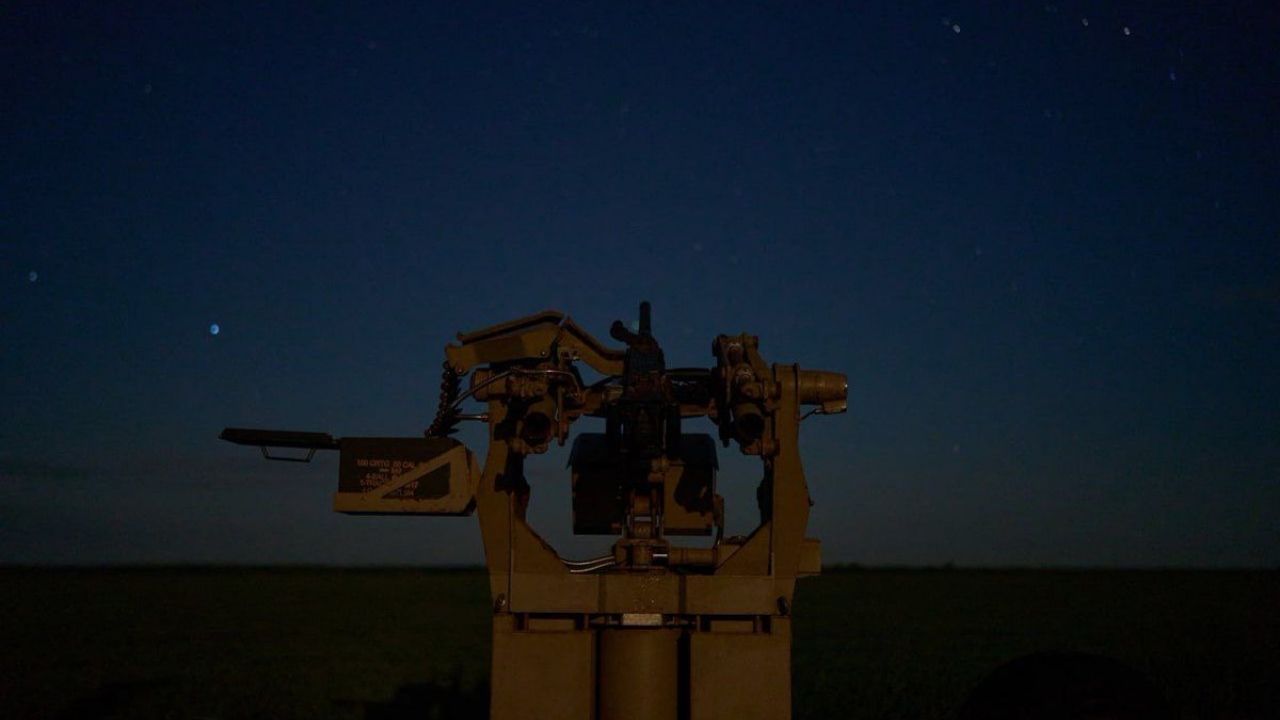
Ukraine has deployed a revolutionary defense solution against this new-generation threat, which is considered invisible and unstoppable: the AI-powered turret. According to an official statement by Ukraine's Minister of Digital Transformation Mykhailo Fedorov, the AI-supported defense turret, developed entirely with domestic resources, is now actively in use on the front lines. Moreover, this system is not merely a target detection tool; it is an intelligent combat robot that analyzes enemy movements within milliseconds and automates the destruction process.
What Is an AI-Powered Turret and How Does It Work?
Traditional defense systems, no matter how advanced their radars are, always depend on a human operator's reflexes, vision and hand-eye coordination at the final stage. But on the modern battlefield, human reaction time is often insufficient against suicide drones that can reach 150 kilometers per hour and suddenly burst out from behind trenches. The new-generation AI turret is a compact autonomous air defense system designed to eliminate this human weakness. It automatically detects, tracks and calculates the future flight path (the interception point) of enemy unmanned aerial vehicles.

Algorithmic Targeting and Human Control (Man-in-the-Loop)
The system's operating principle is based on advanced computer vision and AI-based image processing algorithms. The process works as follows:
Scanning and Detection: Optical and thermal cameras on the turret continuously scan the sky and the surrounding area. The AI instantly distinguishes artificial drones from natural elements such as birds.
Lock-On and Tracking: As soon as a target is identified, the AI turret locks onto it within milliseconds. By calculating the drone's speed, wind direction and altitude, it determines the point where the projectile will meet the drone (ballistic calculation).
Firing Authorization: In classic systems, the operator must aim manually, but in this new model the AI prepares everything. The human operator only monitors the process from a shelter or a safe distance on a screen and, at the final stage, gives firing permission with a single button.
This hybrid model ("Man-in-the-Loop"), while staying faithful to international law and ethical rules, reduces human error almost to zero and significantly shortens reaction time. According to data from the Ukrainian Ministry of Defense, the turret is currently being successfully used on the front line by more than 10 active military units, maximizing the safety of personnel in the trenches.
A New Era for Fiber-Optic Drone Defense
When a military technology is developed, the opposing side quickly develops a countermeasure (an anti-system). In the early stages of the war, the most effective weapon against kamikaze drones was Electronic Warfare (EW), meaning jammers that disrupt radio frequencies, cut the link between the drone and its operator, and blind it. But technology did not stop, and fiber-optic drones entered the scene.
Why Does Signal Jamming Become Ineffective?
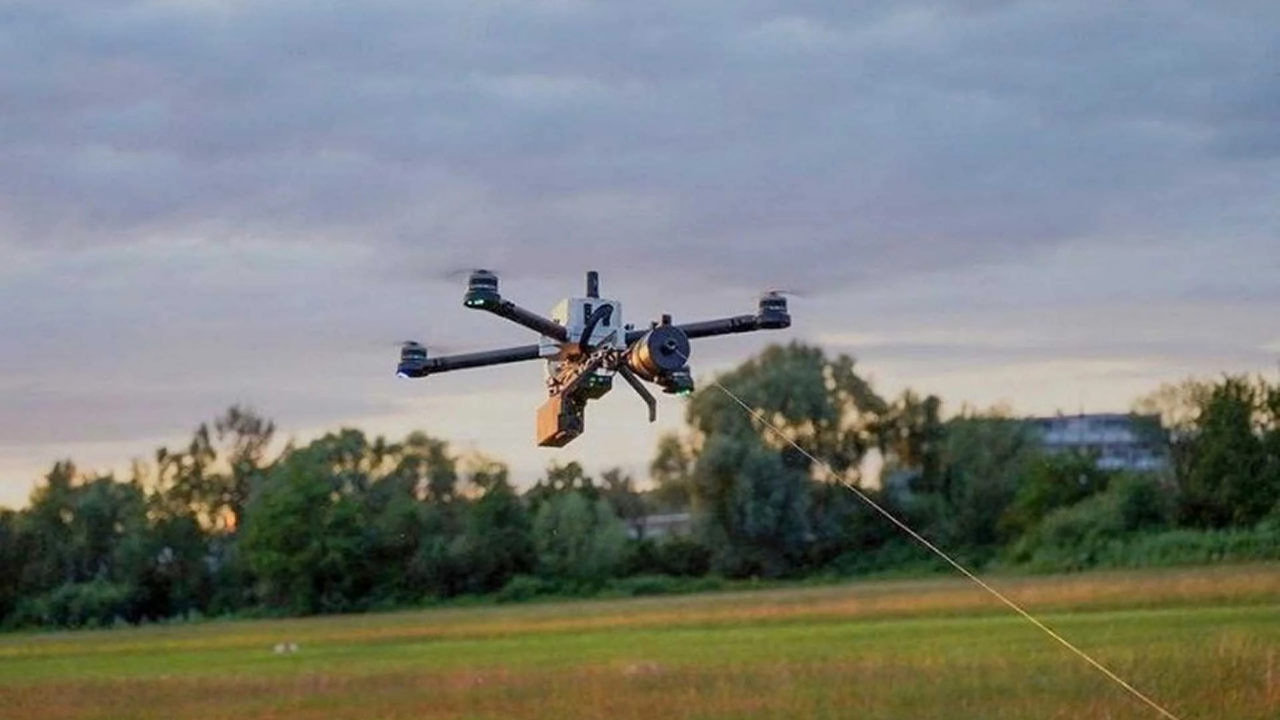
New-generation FPV drones fly by unspooling a fiber-optic cable thinner than a hair, stretching for kilometers behind them. Commands to these drones are not transmitted via radio waves (through the air) but directly through this physical cable. Likewise, the live camera feed from the drone is transmitted to the operator through the cable.
Ukraine's fiber-optic drone defense concept is precisely a remedy for this helplessness. The system does not look at the enemy's signal quality or frequency structure; instead, it targets the drone as a physical, visual object. AI-supported optical tracking breaks through the protection created by the fiber-optic cable and brings the drone down with a direct kinetic (physical) strike. In other words, this turret eliminates the enemy that "cannot be cut off from its signal" by destroying it directly. This approach radically increases defense capacity, especially at critical base areas where trench warfare is intense and which fall into the blind spots of electronic warfare.
Brave1 Defense Technologies Is at the Center of This
This remarkable defense instrument did not drop from the sky. Behind it is a massive ecosystem that has turned into a technology hub in Ukraine and was established to accelerate military innovation: Brave1 Defense Technologies.
Launched in 2023 by the Ukrainian government, the Brave1 platform is a cluster that brings together government bodies, the regular army, global and local investors, start-ups and tech talent under one roof. The platform's primary goal is to completely remove bureaucratic obstacles so that a military technology produced in a lab can reach soldiers at the front within a few weeks at most. Today, unmanned ground vehicles, advanced electronic warfare software and autonomous air defense systems form the core work areas of this platform.
Officials say the "from drawing board to front line" timeline for the AI turret system has been remarkably fast. The system was first tested directly in the hot conflict zone by the K-2 Brigade, one of the most experienced units in the Ukrainian army. After the successful test process, the intelligent turret, whose algorithm was updated and refined with real-time feedback from the field, went into serial production and began to be quickly distributed to units on other front lines.
How Are Autonomous Air Defense Systems Changing the Future?
This AI turret, tested and used in Ukraine, should not be seen as merely a local munition of a regional war. Global military strategists and defense industry analysts describe this development as a major turning point in world military history. Because autonomous air defense systems are fundamentally changing the concept of future warfare, both in terms of cost and speed.
Asymmetric Warfare and the Cost Paradox
Traditional air defense doctrines were built around shooting down fighter jets worth billions of dollars or strategic missiles. Today, however, a commercial drone worth a few hundred dollars can blow up a main battle tank or a command center worth millions of dollars with an attached explosive.
Defense Method | Average Cost | Effectiveness (Against Small Drones) | Reaction Time |
Traditional Air Defense Missile | $500,000 - $1,500,000 | Low (Struggles to detect the target) | Slow (Requires a command chain) |
Classic Electronic Warfare (Jammer) | High Investment Cost | 0% against fiber-optic drones | Instant (But signal-dependent) |
AI-Powered Turret | Low / Sustainable | 90%+ (Effective against all types of drones) | Within milliseconds |
As is clear from the table above, firing million-dollar Patriot or IRIS-T missiles to repel a swarm of drone attacks worth a few thousand dollars is not economically or logistically sustainable. The AI turret that Ukraine produces through the Brave1 Defense Technologies channel destroys targets using standard machine gun ammunition or smart shrapnel rounds. This brings the cost of defense down to nearly "a few hundred dollars" and creates an asymmetric balance in military spending.
The Battlefield of the Future Will Belong to Intelligent Machines
War technologies are becoming smarter, more lethal and, unfortunately, more autonomous every day. The AI turret developed by Ukraine is one of the hottest examples proving that military AI is not just theory, but is actively saving (or taking) human lives on the front line. Especially this fiber-optic drone defense mechanism, developed against fiber-optic drones that paralyze traditional jammer defense lines, has opened a new chapter in the defense industry.
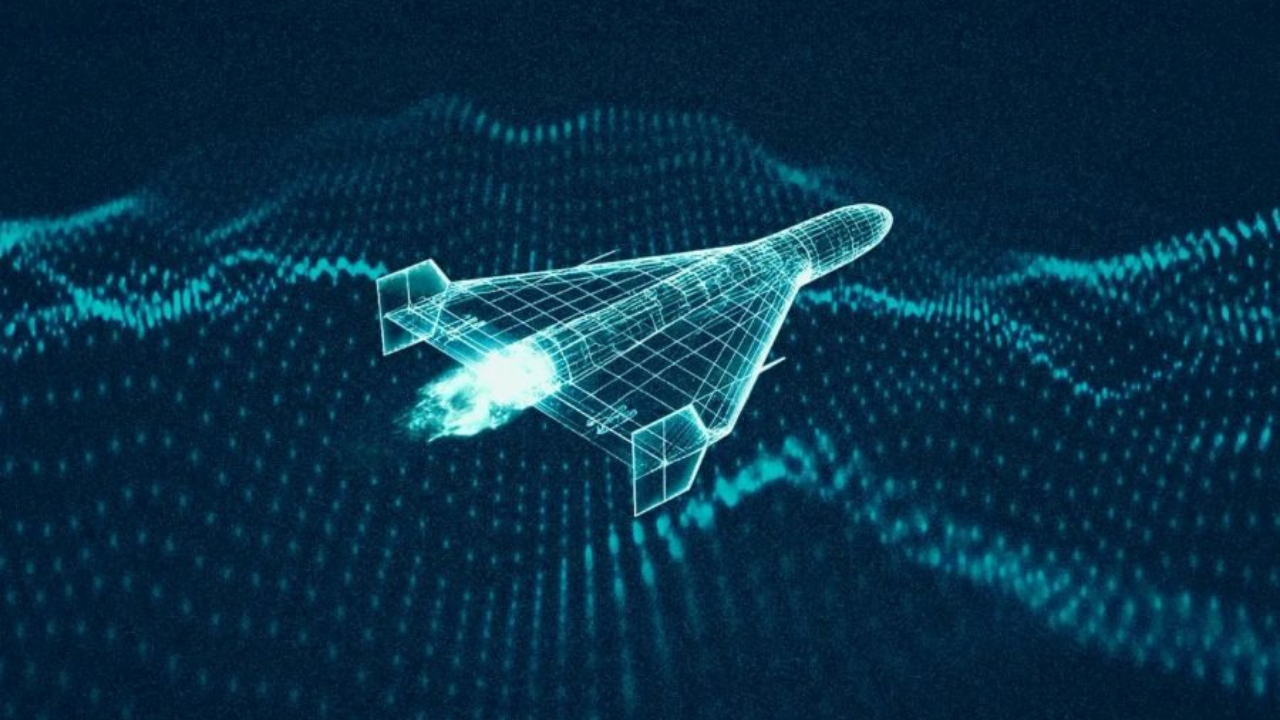
Although we must accept that these technologies are still in their early stages, the integration of autonomous turrets and intelligent systems is a very concrete sign that, in the very near future, armies may consist of intelligent robot forces fighting each other rather than human soldiers. The AI blowing through Ukraine's skies is reshaping modern war strategies in a way that will never be the same again. Meanwhile, the US hypersonic aircraft revolution also stands out as an important indicator of the transformation in the defense industry.
Frequently Asked Questions (FAQ)
What is an AI-powered turret system?
An AI-powered turret system is an advanced military technology solution developed to make target detection, threat analysis and defense processes faster and more efficient. Unlike traditional defense towers, these systems are supported by cameras, thermal imaging, radar, motion sensors and AI algorithms. This way, threats that a human operator might miss can be analyzed much more quickly.
The widespread use of drones in modern warfare has forced defense systems to change as well. AI turret solutions can identify potential risks by analyzing the target's direction, speed and movement pattern. These systems do not necessarily have to operate fully independently; some models work with operator support, while others can make semi-autonomous decisions for specific tasks. Recent developments in defense technologies have led many countries to test these systems.
What does the AI-powered turret system developed by Ukraine do?
The new AI-powered turret system developed by Ukraine stands out as a defense solution designed against the growing drone threat on the battlefield. The fact that fiber-optic controlled drones can operate unaffected by electronic jamming has made classic defense methods increasingly inadequate. For this reason, Ukraine-based defense startups are turning to intelligent systems that can respond faster.
The main purpose of the new system is to detect threats at an early stage and enable a rapid response. Thanks to the AI-supported analysis mechanism, the target's movement pattern can be examined and the potential risk level assessed. It is noted that advanced sensor technologies play a critical role in detecting small drones with low visibility. Ukraine's experience on the battlefield is seen as one of the main factors accelerating the development of such defense systems.
Why is fiber-optic drone defense important?
Fiber-optic drone technology has recently become one of the notable innovations in terms of military strategy. Because these drones can be controlled through physical fiber-optic connections instead of traditional radio signals, they are less affected by electronic warfare systems. This makes them more durable and harder to stop on the battlefield.
For exactly this reason, fiber-optic drone defense is emerging as a critical topic for modern armies. The need for physical detection and rapid intervention is growing against systems that cannot be neutralized by electronic jammers. AI turret systems can provide an advantage in target analysis and tracking here. It is considered that these technologies may become more widespread in the coming years, especially in border security and active conflict zones.
Do AI-powered turret systems operate fully autonomously?
AI-powered turret systems are not always fully independent technologies. Contrary to common belief, many advanced defense systems operate with human oversight. AI is generally used for tasks such as target detection, data analysis, movement tracking and threat classification. However, the decision to attack or intervene depends on the approval of a human operator in most systems.
The main reasons are both ethical debates and the risk of misidentifying targets. Reducing the margin of error is critically important, especially in war technologies. For this reason, many countries prefer the model of "intelligent defense systems under human control" rather than fully independent weapon systems. As AI technologies become more advanced, new regulations and debates on this balance are expected to increase.

What role do Brave1 defense technologies play in this project?
Brave1, is known as an innovation platform established to support startups operating in defense technologies in Ukraine. The platform aims to speed up the development of systems suited to the field by supporting companies, engineers and technology teams that develop new solutions for military needs.
Projects such as AI-powered turrets and drone defense technologies are highlighted as notable examples of this innovation ecosystem. Especially the ongoing security needs in Ukraine have brought rapid prototyping and testing processes to the forefront in defense technologies. Thanks to the support provided by platforms like Brave1, next-generation defense systems are intended to become operational in a shorter time. This is being closely followed not only for Ukraine, but also for the future of the global defense technology sector.
WriterTeknoloji ve Kariyer Staj İlanları | 18-24 Mayıs 2026


Oyun Değil Gerçek Dost: Dragon Quest'te Yapay Zeka Devrimi!


