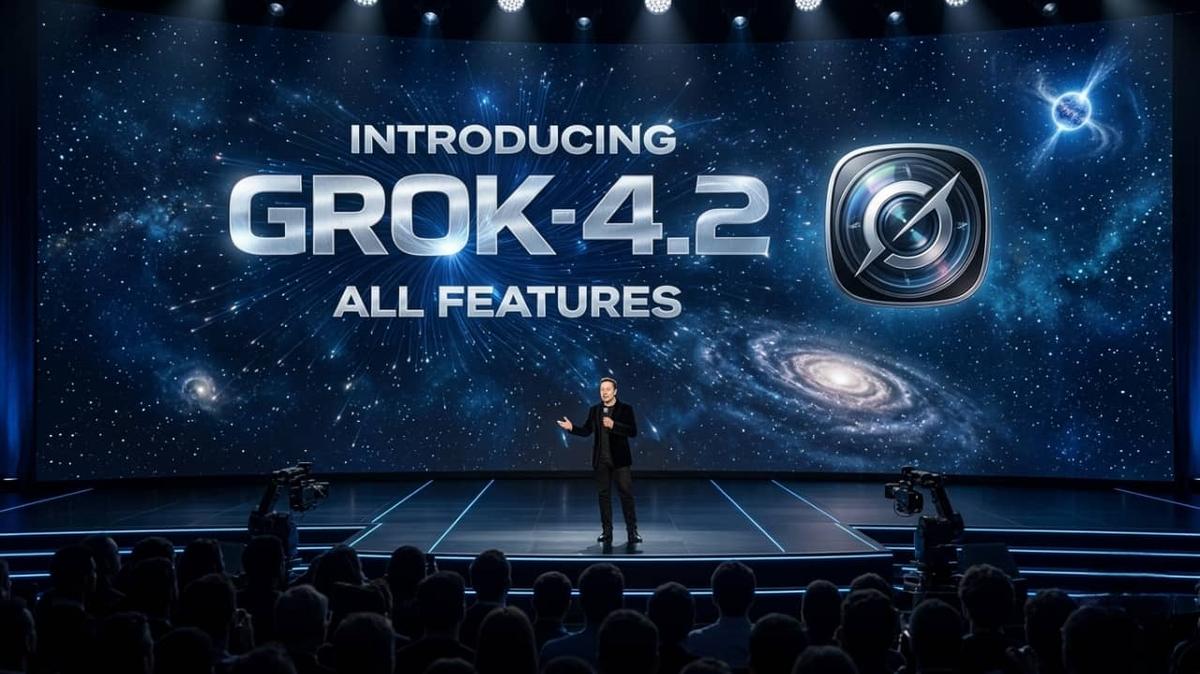
Grok 4.2: 4 Agent Artificial Intelligence Period and All Features
Automatically translated
 Writer
Artificial intelligence was considered as an accelerated version of a single mind for a long time. A system that calculates faster and processes more data but still depends on a linear thought line but Grok 4. 2 with this paradigma is broken. Now the matter is not only to produce. To discuss production, test and spend a plural mind strain. “Four Agent Mode” is at the same point that we meet artificial intelligence as a ontological fracture that carries monologle dialogue.
What is Grok 4.2 and how do they work 4 Agent Working System?
Grok 4.2 is a system installed on the simultaneous interaction of four different cognitive agents instead of a single output manufacturer unlike classic artificial intelligence models. English Agent Mode This structure, which is called, addresses questions in a multi-layer thinking architecture, rather than inserting into a linear solutioning process.
Every agent in this system approaches different epistemological positions to the same problem. Thus, the information revealed is based only on the process of elimination of very alternative answers from the accuracy of an answer. With this direction, Grok 4.2 works like a digital simulation of modern scientific method. Building hypothesis, testing, criticizing and rebuilding.
The most remarkable aspect of Four Agent Mode is that artificial intelligence is not only producing results, but it becomes a system that controls the reliability of results internally. This artificial intelligence is an important step in epistemology that strengthens the concept of self-stactural model.
Fast Mode and Four Agent Mode: Which scenario should be used?
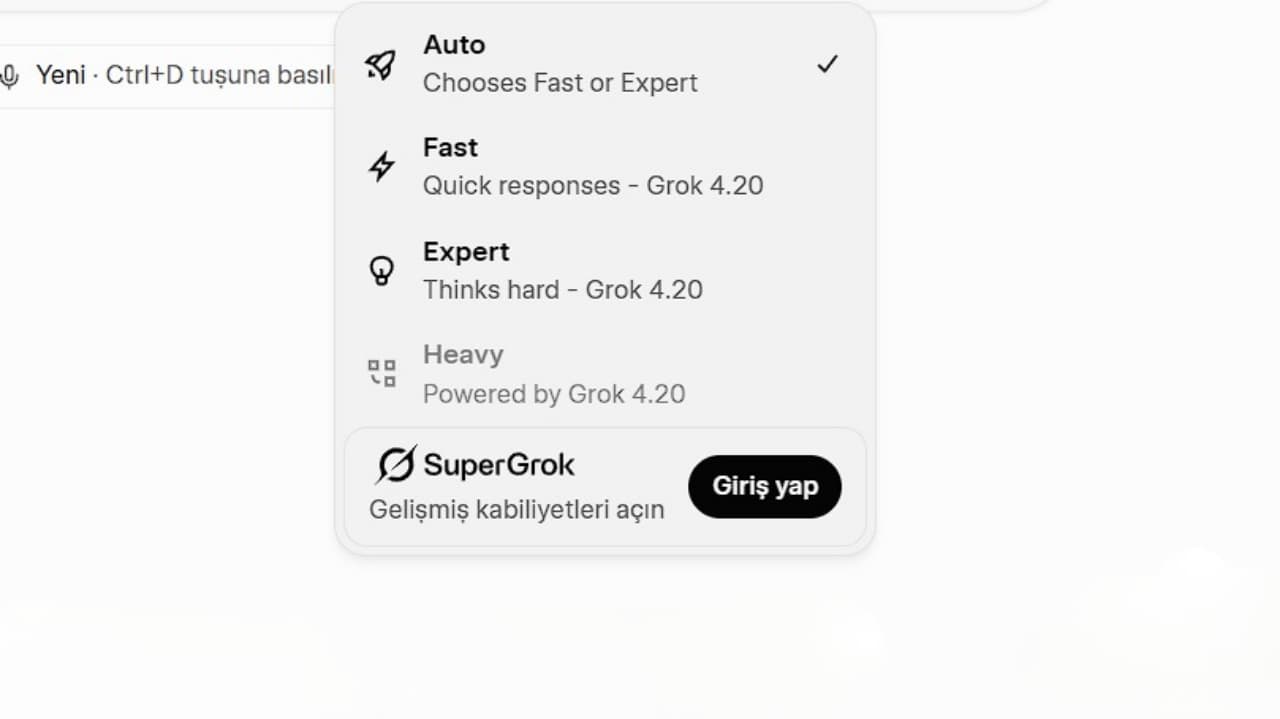
Grok 4.2 offers Fast Mode and Four Agent Mode The sharp distinction between the sharp distinction is a technological manifestation, which is actually reflected in a digital ground through the architecture of modern artificial intelligence and its unmanned tension between the speed and accuracy, which is one of the most ancient dilemmas in human history, this distinction offers a cognitive strategy area, leaving the balance between the search for in-depth rightness with instant pragmatism.
Fast Mode
Provides maximum speed with minimum calculation cost. Daily use is highly effective in scenarios such as short content production, quick information access. Especially in situations where time is critical, the user performs high performance in meeting the need of instant information and offers a fluent experience thanks to its low latency. However, this speed-oriented structure can lead to the fact that the responses produced are often sufficient at first glance but limited to depth.
Fast ModeResponses are often shaped through a single line of reasoning; evaluation of alternative prospects, discussion of opposing opinions or criticizing information, processes remain largely disabled. This can lead to superficial or missing interests, especially academic analysis needs multi-dimensional problem solving or contextual precision. So Fast Mode can exhibit a limited performance when it comes to deep and precise information production when it is a powerful tool to produce quick and adequate responses.
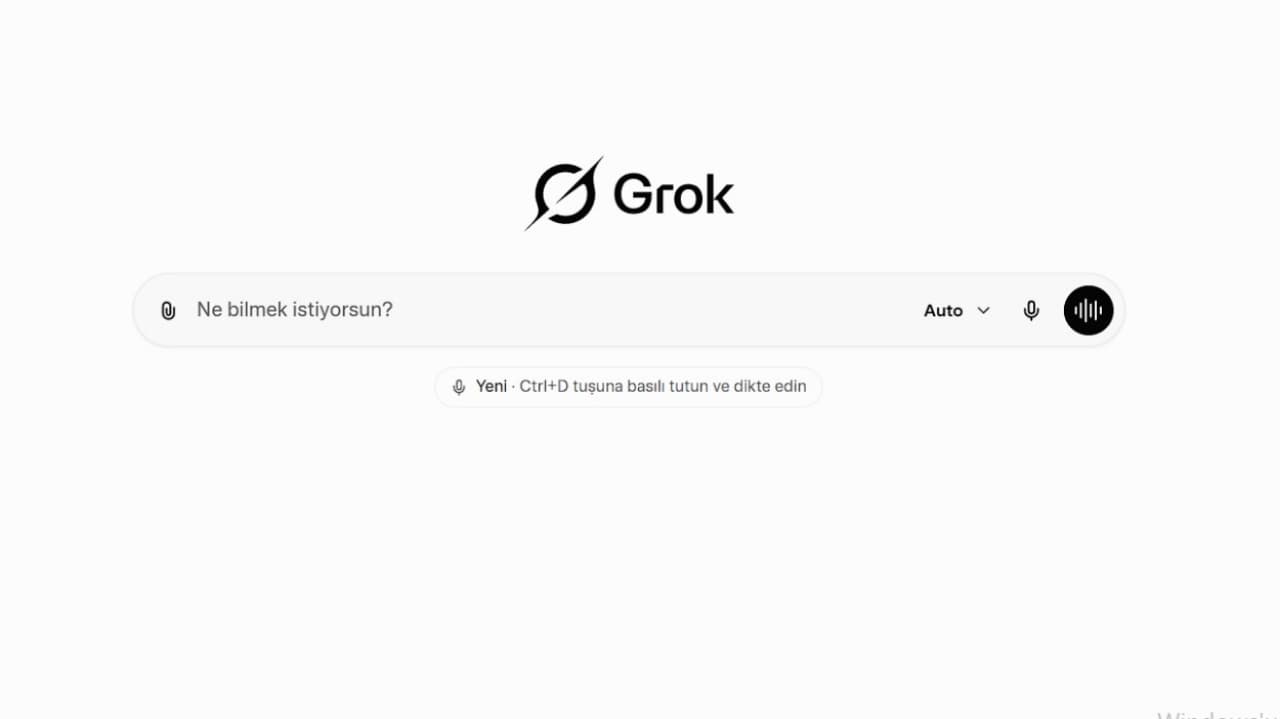
Four Agent Mode
It produces slower but more reliable results than it contains a multi-layer evaluation process. Academic analyses are an ideal choice for critical texts, strategic decision support systems and complex problem solving processes. In this mode, the response becomes the result of a single production moment, in contrast, it passes through a dynamic process that different cognitive perspectives push each other, criticize and restructure each other.
Each agent targets not only to achieve the right, but also to address the wrong prospects by addressing the problem in a different epistemological framework. This situation increases the reliability of the information produced only as a result-oriented process. One of the most important advantages of Four Agent Mode is that it tests not only with data, but also with critical comparison and internal discussion mechanisms.
In this context, especially on multi-variable and interpretation-open topics provide deep analysis instead of superficial corrects. The controlled conflict of different perspectives allows the emergence of more balanced and refined results. The accuracy rate and conceptual integrity of the output obtained even if the process time is longer. Therefore, Four Agent Mode becomes an indispensable tool for users looking for certainty, depth and reliability rather than speed.
What is important here is the correct identification of the user’s need. If you know only for the purpose, Fast Mode is enough; but if you understand the purpose and make sure, Four Agent Mode is inevitable. This distinction converts artificial intelligence usage from a superficial instrumentality to an informed methodology.
Grok 4.2’s Architecture Structure: Who is Captain, Harper, Benjamin and Lucas?
The four agents of Grok 4.2 have functional roles that represent a specific thinking practice unlike being randomly distributed tasks.
1. Captain (Stratejist and Coordinator)
The leader of the team. They understand what the user wants. The data from Harper combines the data with the logic of Benjamin and gives the final shape according to Lucas criticism. Captain is the "Editor" that sets the layout inside the mess.
2. 2. Harper (Kaşif and Information Hunter)
Harper is an agent that leaks into the depths of the internet and especially the X platform. The task is not only to find information, but to test the update of information. Harper in the changing world of 2026 in seconds is the "duyu organ".
3. Benjamin (Analitic and mathematical mind)
Benjamin is pure logic, from emotions and comments. Code writer solves equation and checks whether data is statistically meaningful. If you have a mathematical inconsistencies in a response, Benjamin enters and stops the process.
4. Lucas
The secret weapon of Grok 4.2 is Lucas. The task is to expect the other three agents to make mistakes. "Do this information right?", "Do this resource reliable?", "Do you have a bias in the answer?" asks questions. Lucas is "science" that self-controls artificial intelligence.
When these four agents work together, the resulting thing is that only one answer becomes the trace of a thinking process passing beyond. This converts artificial intelligence from a result-oriented tool to a process-oriented intelligence partner.

How Does Artificial Intelligence Work The Mechanism of Bitiren "Ajan Discussion"?
The problem called hallucination in artificial intelligence literature is defined as the fact that the model actually produces non-existent information with high self-confidence. Grok 4.2, to solve this problem, the agent put into action the discussion mechanism.
This mechanism leads to discussion of each output rather than assume the accuracy of a single output. The information generated by a agent is merged by other agents, verified or compared to alternatives. This process is similar to a digital peer journal system. Information is passed through a critical strainer before being published.
In this way, the system does not only work to achieve the right, the wrongs are actively eliminated. It is not only a technical success, but also an ethical gain that increases the reliability of artificial intelligence.
Strategic Prompt Writing to Get More Defend Answers With Grok 4.2
The very agent structure of Grok 4.2 depends directly on the quality of inputs from the user. Therefore Tags The spell now expresses much more than asking a simple question, it turns into practice to build a thought frame.
The following strategies for an effective prompt stand out:
Connect: Specify which discipline of the problem, which perspective or what purpose will be addressed in line with
Identify output format: Clearing expectations such as analysis, comparison, criticism or summary k
Multilayer: Instead of a single question, giving depth with sub-quiries k
Agent guiding: In particular Four Agent Mode, indicate which roles of agents will focus on

This approach converts the relationship with artificial intelligence into an active partner without passive consumption. Now the user only becomes an actor that shapes the process of thinking very much without asking questions.
To release the power of Grok 4.2, you should act as a team manager, not like an assistant to him, to release it literally:
1. Recall Agents: Give commands in the form of "I want Lucas to focus on financial risks especially in this analysis, Harper to find the most current competitor data."
2. 2. Request Discussion Format: You can see both the pros of a topic by saying "Bana reports the mutual discussion of Benjamin and Lucas about this topic."
3. Imterative Deepening: Draw a general frame with Fast Mode first, then use the command "Start to Four Agent Mode now and denetate this structure to the most fine detail.
With Grok 4.2, artificial intelligence turns into a discussion area from a vehicle. This area offers a ground born from the conflict of plural minds, not from a single source of information. Perhaps the main conversion lies here. It is now home to a right form built along with something that is just located.
WriterZararlı Yapay Zeka Modelleri: Riskler ve Korunma Yolları


Ücretsiz Görüntülü Konuşma Uygulamaları (10 Seçenek)