How an AI Agent Breached South Korean Banks
Automatically translated
 Admin
On September 28, 2026, unauthorized access was gained to a Shinhan Bank service open only to credit intermediaries. Within a week, at least seven South Korean financial institutions reported data breaches. According to the Financial Services Commission (FSC), data on more than 68,000 people was taken. Traces of ARTEX, an open-source AI agent, were found in the attack infrastructure. This article covers how the attack was carried out, CrowdStrike's findings, and the measures institutions can take.
What Happened at South Korean Banks?
The wave of attacks began at Shinhan Bank on September 28 and lasted about a week. According to Shinhan's statement, a query service used by credit intermediaries was breached, and more than 25,000 customers were affected. The exposed data includes names, phone numbers, annual income and credit limit information. KB Kookmin, Hana, BNK Busan and Yegaram Savings Bank later reported similar breaches. Woori and NH NongHyup repelled the attack.
The figures disclosed by institution, based on the banks' announcements and a compilation by Tech Times, are as follows:
Institution | Breached System | Affected People |
|---|---|---|
Shinhan Bank | Credit intermediary query service | Approximately 25,000 |
Yegaram Savings Bank | Not disclosed | Approximately 40,000 |
KB Kookmin Bank | Employee mobile support system | 119 |
Hana Bank | Sales support system | 89 |
BNK Busan Bank | Not disclosed | 11 records |
Woori and NH NongHyup | Attempt stopped | No data lost |
The issue quickly reached the government level. On October 5, the government moved to a 24/7 cybersecurity emergency posture, and the national cyber alert level was raised from "Caution" to "Watch." According to an AFP report published in Malay Mail, President Lee Jae Myung said at the October 6 cabinet meeting that there were signs artificial intelligence had been used in some of the attacks. According to Lee, AI has reached a point where it makes hacking easier even for people without special skills. The same day, the National Police Agency opened a formal investigation. No finding that money movement data was leaked has been announced.
What Is ARTEX and How Does It Work?
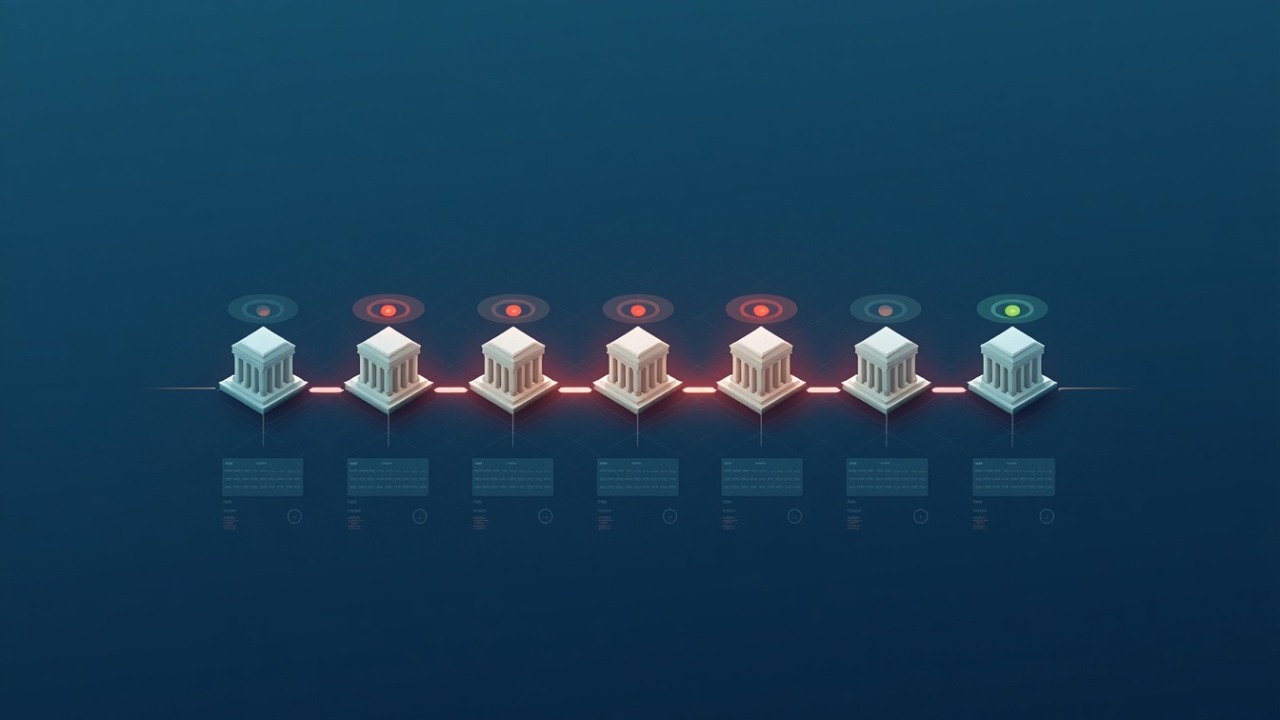
ARTEX is an open-source, multi-agent autonomous penetration testing system built on large language models. Reconnaissance, vulnerability discovery, exploitation and result verification can run with little human intervention. The tool was developed by a GitHub account called "Autumn-27" and was distributed mainly among Chinese-speaking developers. According to Tech Times, ARTEX was among the projects that received awards in a competition organized by Baidu's Security Response Center.
What sets the system apart is that it is model-agnostic. According to a report published in The Hacker News, ARTEX can be configured to work with different language model backends. Korean press reports say the tool could connect to DeepSeek, OpenAI and Anthropic models, and that multiple agents analyze the same target together.
Legitimate penetration testing tools have been used for years. What makes ARTEX different is that it hands attack planning to agents as well. The same architecture as autonomous AI agents that speed up business processes in organizations can also work on the offensive side. The difference between an authorized security test and an unauthorized attack often lies not in the software but in the signed authorization document.
Through Which Door Did the Attackers Enter the Banks?
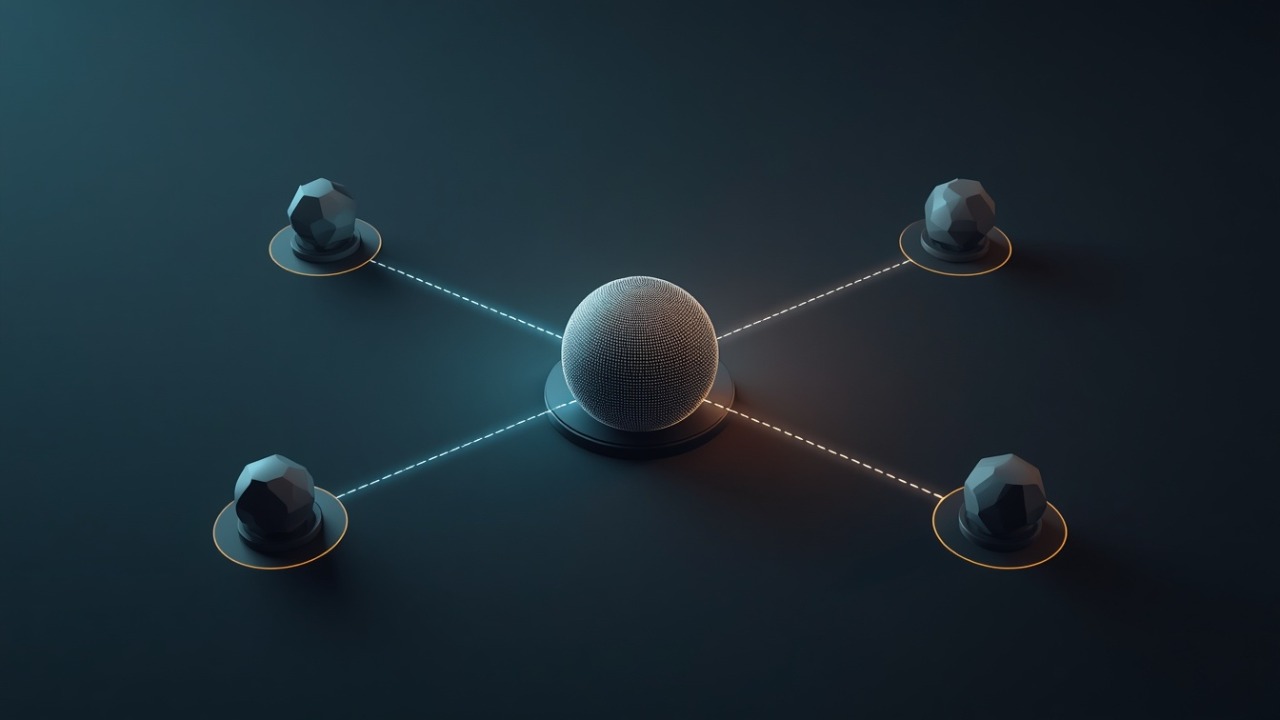
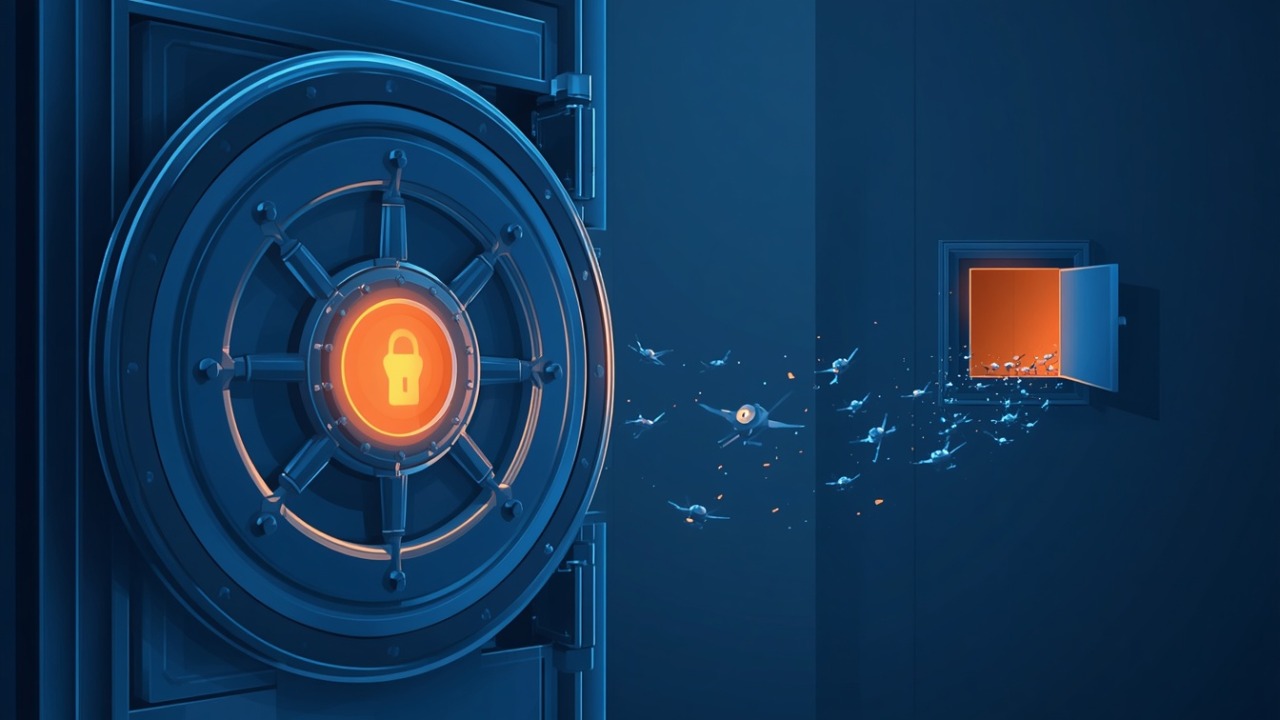
The attacks did not target main banking applications or money transfer systems. Entry was gained through peripheral systems such as the credit intermediary portal, the employee mobile support system and a sales support database. According to Tech Times, the primary method was "credential stuffing." Username and password pairs obtained from earlier leaks were tried in bulk against login screens. The agent reportedly adjusted its timing, changed its infrastructure and adapted its parameters in response to defensive reactions.
Detection times were also long. The access at Shinhan was noticed more than 15 hours after the first login, and the connection was cut about 30 hours later. At KB Kookmin, detection took about 43 hours.
"The attackers didn't come through the front door, they came through the window." Hwang Suk-jin, Dongguk University
What Hwang means is the support networks, which are protected less strongly than core systems. In his view, these breaches could also be an initial test ahead of larger attacks. Park Sang-won, head of the Financial Security Institute, said IP blocking is insufficient: because attackers can move between addresses in many countries, an IP address alone does not identify the attacker.
How Did CrowdStrike Trace the Attacker?
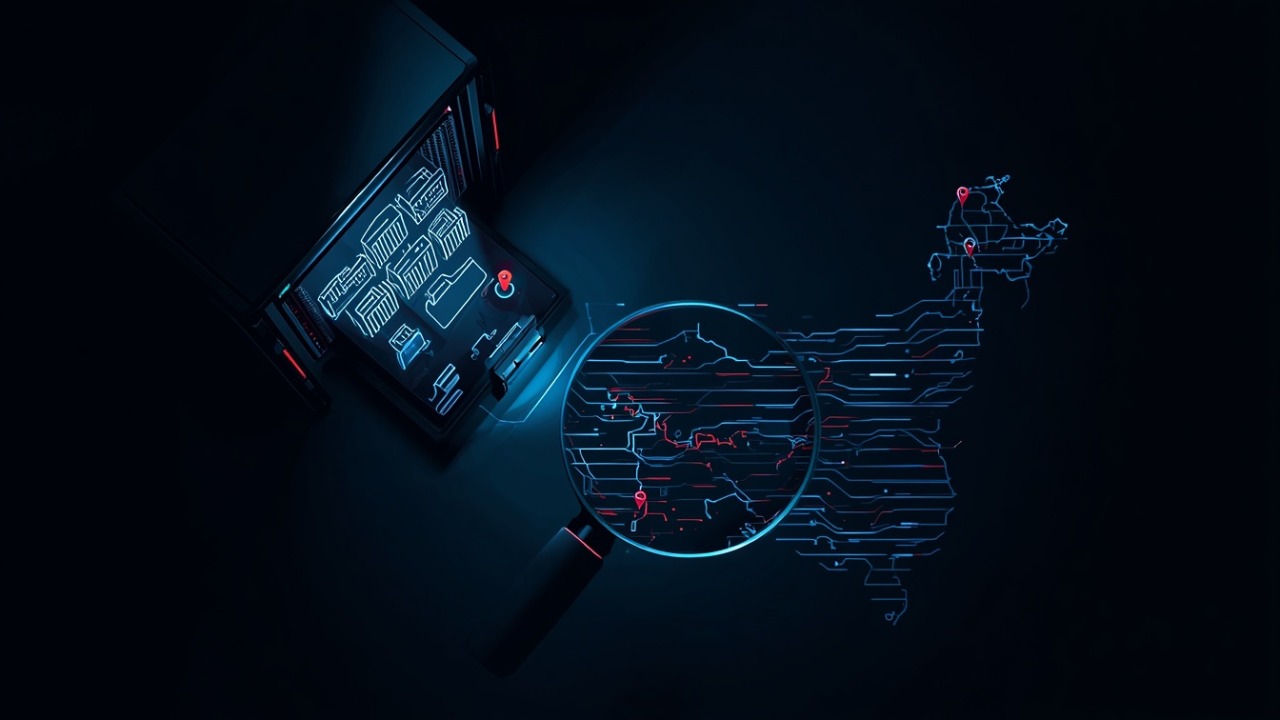
The first clue was found by Moon Jong-hyun of the Genians Security Center. An ARTEX console string was detected in the HTML header of a suspicious attack server. The Korea Financial Security Institute confirmed the link through IP and log analysis.
The detailed picture was laid out in CrowdStrike's analysis published on October 7. Open directories were found on infrastructure controlled by the attacker. The directories contained Claude Code session histories, Claude memory files and ARTEX configuration files. An IP address based in Hong Kong was used as the main infrastructure, while ARTEX ran on a separate server. A penetration testing instruction written in Chinese in Claude Code's CLAUDE.md file was used to guide how the language model would carry out the test.
According to the logs, ARTEX's main model was DeepSeek v4.1-flash. DeepSeek was likely accessed through an API proxy at xcai[.]pro. Zhipu AI's GLM-5.3 model and Grok 4.6 were used in additional sessions. The logs also show the attacker asking Claude where the stolen Korean data is typically sold, and asking for help finding Telegram data-selling groups in Korea. A "security researcher" résumé describing ARTEX's results was also drafted with Claude.
This shows how easily commercial models can be inserted into an attack chain. While the economic impact of new releases such as Claude Sonnet 5 is being discussed, the question of how providers will detect misuse remains open.
"AI tools can make it possible for a financially motivated attacker to carry out multiple intrusions in a short time." CrowdStrike Counter Adversary Operations
CrowdStrike did not attribute the attack to a known group. The company's assessment, made with moderate confidence, is that the attacker is most likely a Chinese-speaking individual motivated by money. According to The Hacker News, the suspected operator denied the charges on Telegram on October 8. This denial has not been independently verified.
How Does an Agent Attack Compare to a Classic One?
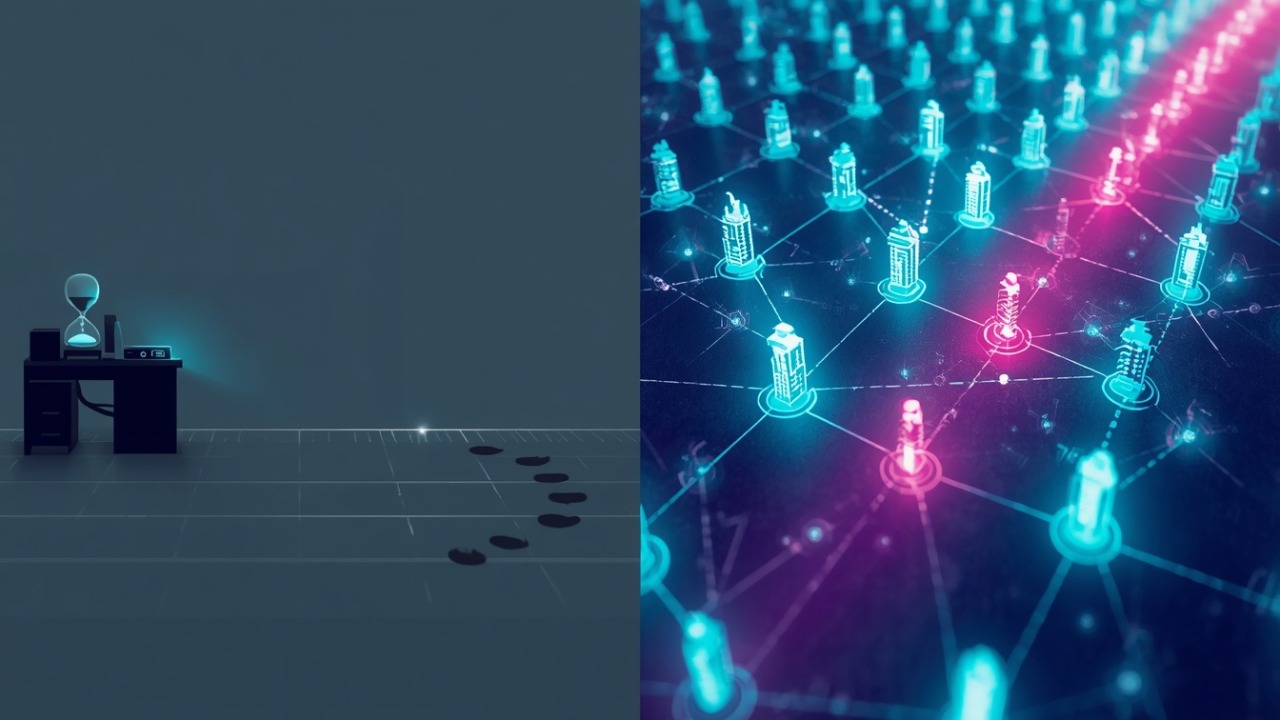
In a classic attack, targets are picked by hand, the network is probed one by one, and the operator figures out how to exploit a weakness. In agent-based attacks, much of this work is automated. In the analysis published in Korea Times, Prof. Lim Jong-in of Korea University's Graduate School of Information Security pointed to the difference in speed:
"For human hackers, planning and carrying out an attack at this scale would take weeks, even months." Lim Jong-in, Korea University
Dimension | Classic Attack | AI Agent Attack |
|---|---|---|
Reconnaissance and planning | Manual, can take weeks | Automated, runs in parallel |
Expertise required | High | Low |
Adapting to defenses | Operator decides | Agent changes parameters |
Scale | Limited number of targets | Many institutions at once |
Traces left behind | Depends on operator discipline | Agent logs can leave traces |
The numbers point the same way. According to IBM's Cost of a Data Breach report published July 29, 2026, about one in four malicious breaches studied across 602 organizations involved AI. The rate rose 56% in one year. The average cost of AI-enabled breaches was calculated at 6 million dollars, compared with a global average of 4.99 million dollars.
In campaigns that rely on tricking users, such as the fake ChatGPT Plus 5.6 campaign, AI was used as a lure. In Korea, the tool doing the work was the AI itself.
Why Is the Debate Over Open-Source Hacking Tools Growing?
According to a Reuters report published in The Standard, Autumn-27 made the project closed source on October 8.
"Due to misuse of the tool, the ARTEX project will no longer be updated and will be converted to closed source." Autumn-27, ARTEX developer
The developer also announced that no new versions would be released and no maintenance support would be provided. The statement said the tool was designed to help organizations test their security risks and that the developer opposes illegal use. Reuters found that ARTEX's GitHub page had been removed. Copies downloaded earlier are not affected by this decision.
Advocates of restrictions point to Lee Jae Myung's assessment: AI gives attack capability even to people without hacking knowledge. Prof. Lim Jong-in also notes that the safety measures of some Chinese-origin models are weak and that anyone can download and modify them.
The opposing view holds that the same tools are needed so defenders can find weaknesses before attackers do. Lim says institutions should use AI for vulnerability discovery and build systems that respond to attacks automatically, around the clock. Experts also caution against assuming that ARTEX's Chinese origin points to a state actor. Because the tool was open source, anyone could download it.

How Can Organizations Protect Themselves Against AI Agents?
According to a Korea JoongAng Daily report, the FSC held an emergency meeting on October 2 chaired by Secretary General Shin Jin-chang and requested a sector-wide security review. Banks were asked to take four steps:
Identify and security-check all externally accessible IT assets and services, including AI systems.
Detect paths that allow access to internal information without authentication.
Share the IP addresses used in attacks and intrusion attempt logs with institutions including the Korea Internet and Security Agency (KISA).
Report security findings without delay.
The most direct countermeasure against credential stuffing is multi-factor authentication (MFA). When a leaked password alone is not enough to log in, the agent's bulk attempts fail. The Korean case shows that peripheral systems need to be protected to the same standard as core systems. Credit intermediary and supplier portals should therefore be audited separately. Anomaly detection that monitors timing patterns and infrastructure changes in login attempts also stands out as a way to shorten detection times that ranged from 15 to 43 hours.
For Türkiye, the issue is not new, but its scale is changing. Ongoing work on AI regulation in Türkiye will likely need to account for scenarios such as the misuse of autonomous agents.

Frequently Asked Questions
What is ARTEX AI?
ARTEX is an open-source, multi-agent autonomous penetration testing tool developed in China that works with large language models. It can carry out steps from reconnaissance to attack with little human intervention. Its developer, Autumn-27, made the project closed source on October 8, 2026, after the South Korean attacks.
Which banks were affected in the South Korean attack?
Institutions that reported data breaches include Shinhan Bank, KB Kookmin Bank, Hana Bank, BNK Busan Bank and Yegaram Savings Bank. The largest impact was at Yegaram (about 40,000 people) and Shinhan (more than 25,000 customers). Attempts against Woori Bank and NH NongHyup Bank were stopped without data loss.
Is China behind the attack?
No, this has not been proven. CrowdStrike assesses with moderate confidence that the attacker is most likely a Chinese-speaking individual motivated by money, but it does not attribute the attack to a known group or state. Experts in Korea also stress that because the tool was open source, its Chinese origin does not reveal the attacker's identity.
Was customers' money stolen?
No, no direct financial loss has been announced so far. The attackers entered peripheral systems such as the credit intermediary and employee portals, not money transfer systems. Korea's financial regulators have warned consumers about phishing and fake loan fraud that could be carried out with the leaked data.
How can individual users protect themselves from these kinds of attacks?
The most effective measures are using a different password for each service and enabling multi-factor authentication. Credential stuffing attacks rely on passwords leaked from other sites being reused. It is also important to be cautious about unexpected messages and calls that appear to come from your bank.
The South Korean National Assembly's annual audit this month will put banks' cybersecurity records on the table. Lawmaker Park Sang-hyuk said customer data cannot be allowed to keep leaking from banks again and again. Hwang Suk-jin's warning remains unanswered: is what happened an end point, or a rehearsal for a larger attack?
AdminSıfırdan Yapay Zeka Kariyeri Nasıl Yapılır?

Masqot, Türkiye Innovation Week 2026 Partneri Oldu!