



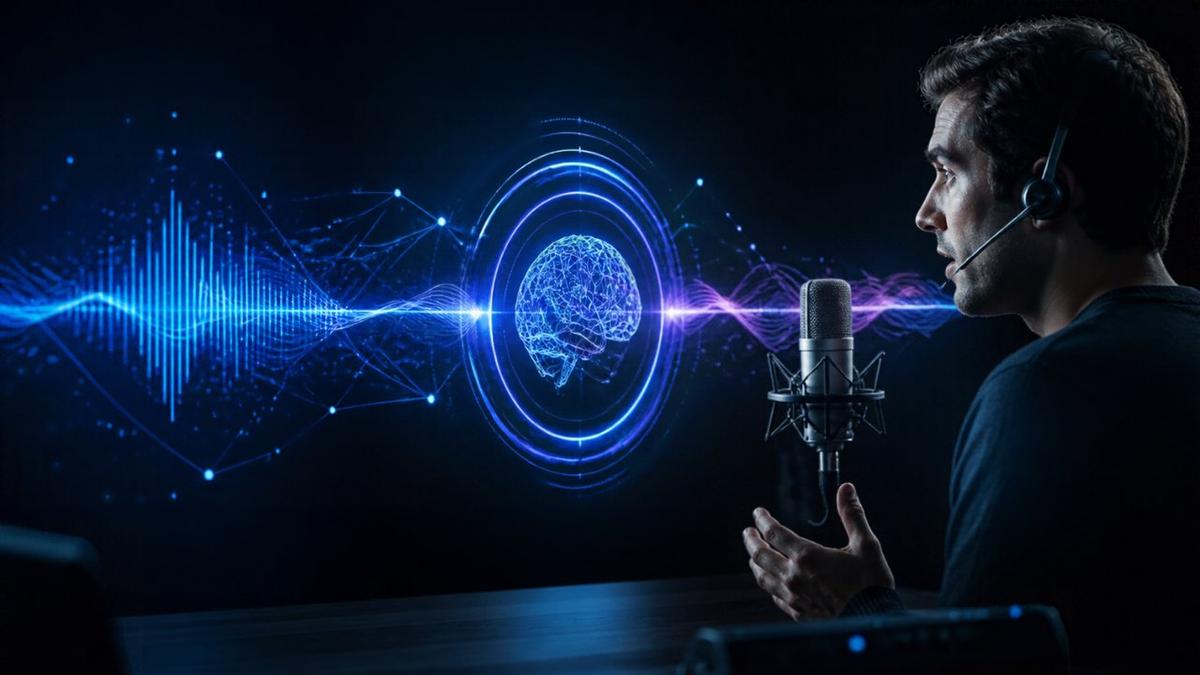
How to Improve Voice Artificial Intelligence with ElevenLabs Realtime?
Automatically translated
 Writer
In artificial intelligence applications, text-based interactions are getting more natural conversation experiences. Voice AI systems, which users can perform transactions directly instead of writing a command, especially customer service, training, digital assistants and new usage facilities in automation fields. However, it’s not limited to simply convert text into audio that experience is successful. It is also necessary to understand that the user says correctly, manage the speech queue, react when combined and voice without waiting for the response.

ElevenLabs, With Eleven Realtime models developed for this need, Eleven offers developers a new infrastructure that can create real-time voice AI applications. The system based on the speech-to-Speech approach; talk recognition, language model, speech sequence management and audio production. Thus, developers aim to reduce the need of different audio technologies individually.
What is ElevenLabs Realtime?
ElevenLabs Realtime is a Speech-to-Speech model family designed to improve real-time voice AI agents. In traditional voice assistants, user conversation is converted to text first, then processed by a language model and finally the text is translated into audio again. The total response time of the system may be space when each of these processes are run through different services.
Eleven Realtime combines these components in a optimized system that will work in harmony with each other. Speech recognition, natural language processing, speech sequence management and audio synthesis can be configured through a single model selection.
The main purpose here is to burn the interaction between the user and artificial intelligence rather than a written conversation. For example, when the user asks for a customer service assistant, the system will wait for the end of the entire conversation first, then it does not need to run a long trading chain. It is possible to respond to the flow of speech and manage situations such as cutting the word of the user.
The new model family of ElevenLabs can be integrated into different applications with more than 90 languages speaking support and more than 17,000 audio options on the platform.
How Eleven Realtime Works?
One of the important elements that determine the performance of real-time voice AI systems is delay time. If the user has to wait for a long time for the start of the response after asked a question, the system does not be enough alone to produce technically accurate answers.
Eleven Realtime aims to approach this problem by optimizing components in the speech processing chain.
Speech-to-Speech Architecture
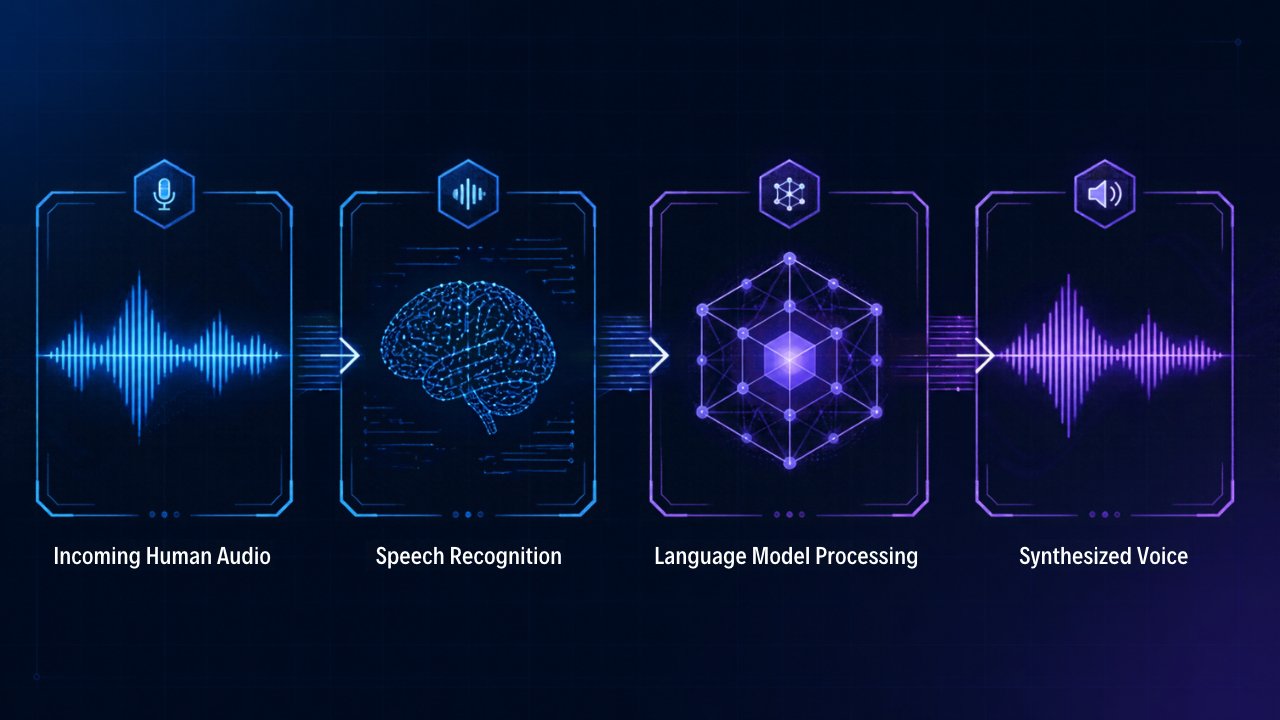
Speech-to-Speech refers to the creation of voice output by processing voice input. When the user talks to the microphone, the system takes this input, resolves speech, evaluates the context of request and produces appropriate response voice.
In this process, four basic components stand out:
Speech-to-Text: It converts textual content by recognizing the user’s speech.
Language model (LLM): It responds to the user’s request, previous conversations and system instructions.
Turn-Taking: It manages when the user is talking, when it stops, and when artificial intelligence should respond.
Text-to-Speech: The created response converts to speech via selected audio.
One of the important features of Eleven Realtime is that these components are not left as independent and randomly configured services. ElevenLabs runs components with an optimized architecture from end to end.
Here is an important technical detail: Eleven Realtime, Not all stages are defined as a model that performs in a single integrated nervous network. According to the description of ElevenLabs, the system uses a gradual (cascaded) architecture where separate components are optimized together. This approach also allows you to monitor the inter-stages in the speech process.
Low Delay and Natural Speech Flow

Delay in real-time voice AI applications is one of the basic indicators of user experience. In particular, it can disrupt the naturalness of speech even a few seconds of waiting in customer service or personal assistant applications.
Eleven Realtime focuses not only on speeding up sound production, improving the entire flow of speech. The user’s word cutting is among the interactions that may evaluate the system, such as thinking for a short time or orienting a new question during conversation.
This feature reveals the difference between more advanced voice AI agents with traditional script-based audio assistants. Instead of waiting for a specific script from the user, moving systems based on the context of speech can create more flexible interactions.
Differences Between Eleven Realtime v1 Mini and v1 Max
ElevenLabs offers Realtime model family with two options according to different needs. Mini and Max models share the same basic voice interaction approach, they are divided into process complexity and target usage areas.
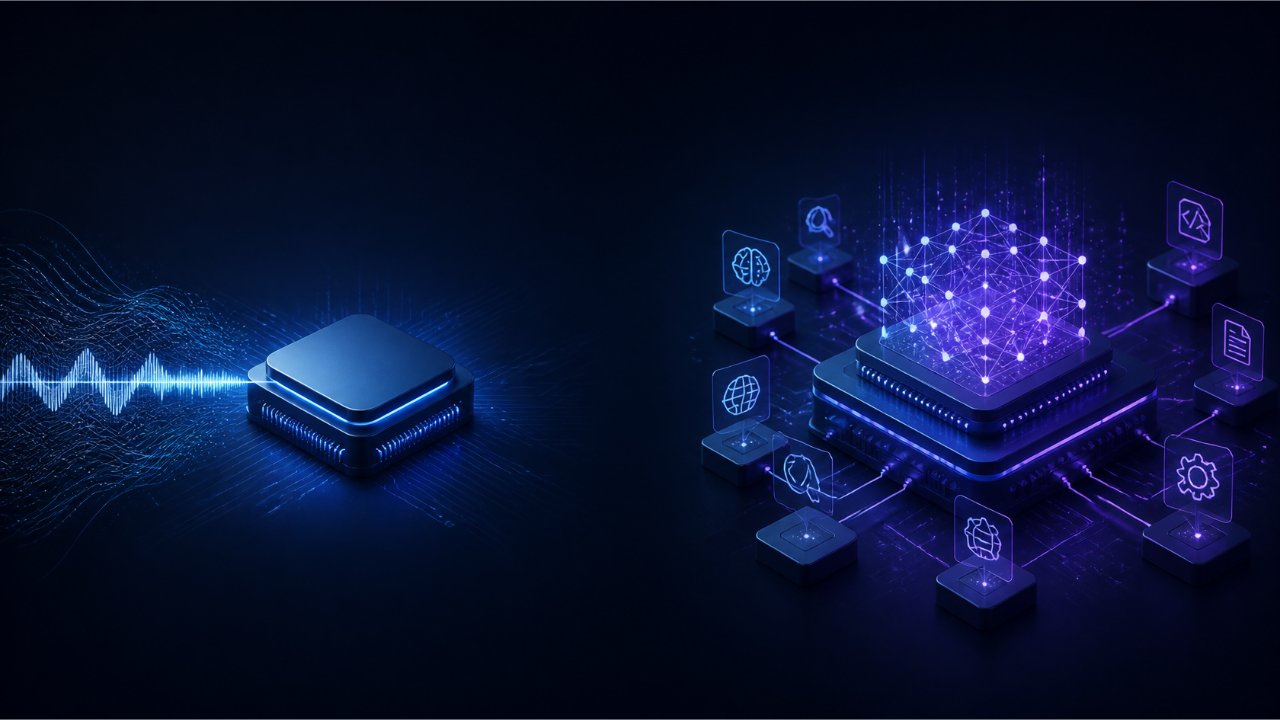
Eleven Realtime v1 Mini: Natural and Fast Talks
Eleven Realtime v1 Mini was developed for applications requiring low cost and natural speaking experiences. In particular, daily AI assistants, educational apps and interactive characters are among the areas of use that model targets.
The highlights of the mini model are:
Focus on natural speech flow.
It can manage the speech flow when the user enters.
Optimized for quick mutual interactions.
Support speech in more than 90 languages.
ElevenLabs can be used in audio library.
In the test results shared by ElevenLabs, the first sound for v1 Mini is indicated as 620 milliseconds. Full-Duplex-Bench assessment result is 95,8 percent. Speech Agent Arena Elo score is 988.
This model creates a suitable starting point for applications where complex trading chains are very fast and natural communication is important.
Eleven Realtime v1 Max: Voice Artificial Intelligence For Complex Tasks
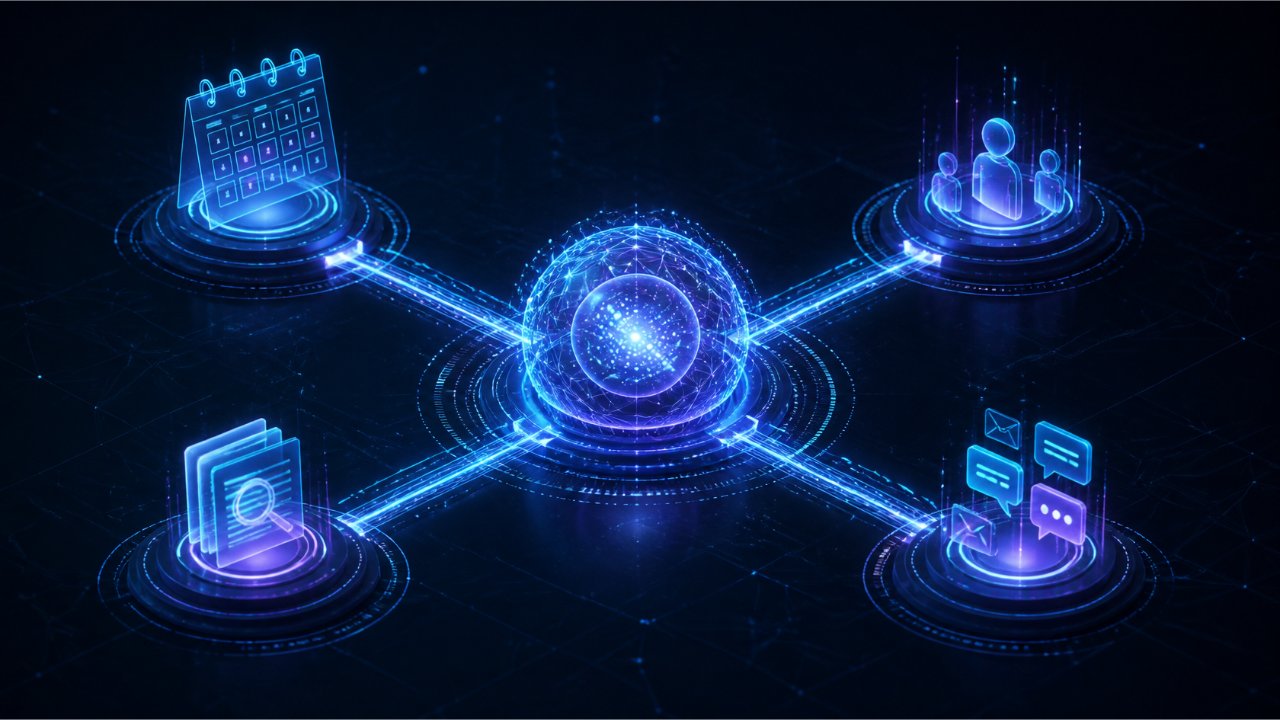
Eleven Realtime v1 Max focuses on voice AI agents that need to follow more complex instructions and perform multi-stage operations.
Customer support is not enough to understand only conversation in applications such as potential customer assessment and appointment planning. The system needs to complete the process by evaluating the user’s purpose, collecting the necessary information and performing vehicle calls when necessary.
The max model offers more advanced reasoning capabilities for such tasks.
The first sound production time for v1 Max according to the test results announced by ElevenLabs 570 milliseconds. 98,8 percent in Big Bench Audio rating and 87,1 percent result is achieved.
Performance data of mini and Max models are based on different evaluation criteria. Therefore, it is not true to say that one is more successful in any condition by comparing the results of two models directly.
What Model Should Be Preferred?
Usage scenario | Recommended Model |
|---|---|
Daily voice assistants | v1 Mini |
Education and language learning applications | v1 Mini |
Interactive characters | v1 Mini |
Customer services Home | v1 Max |
Potential customer assessment | v1 Max |
Multi-stage tasks
v1 Max
Operations requiring vehicle call
v1 Max
In selection of models, it is necessary to pay attention not only to the response speed, but also to the expected processing of the application. For an assistant that responds to simple questions, the Mini can be enough, while connecting with multiple systems and max can be a more convenient option for an agent that performs transactions.
How to Improve Voice Artificial Intelligence with ElevenLabs Realtime?
ElevenLabs offers developers to use Realtime technology in two different ways: ElevenAgents platform and Realtime API. While these two methods benefit from similar voice interaction capabilities, they differ in development and distribution processes.
Create Voice AI Agent from ElevenAgents
ElevenAgents offers a platform for developers who want to create voice AI agents by reducing the coding process as much as possible.
In this method, developers can create a new agent or edit an existing agent. You can then identify one of the models of v1 Mini or v1 Max by passing the Realtime option from models.
The basic development process consists of:
The ElevenLabs account is logged in to ElevenAgents platform.
A new voice agent is created or the existing agent opens.
The sound mode of the agent is determined as Realtime.
Mini or Max model is selected according to the purpose of use.
System instructions, speech voice and necessary tools are configured.
The agent is tested and published in appropriate distribution channels.
Agents developed via ElevenAgents can be integrated into communication channels such as web sites, phone systems and WhatsApp. The features needed in the production environment, such as information base, security rules, test scenarios and speech monitoring are also among the facilities offered by the platform.
Integration with Realtime API

The developers who are planning to integrate ElevenLabs technology in an existing voice artificial intelligence application.
One of the remarkable features of ElevenLabs, Realtime API uses a compatible protocol with OpenAI Realtime API. In this way, developers with existing OpenAI Realtime SDK integration can try ElevenLabs infrastructure by changing the link address and model configuration instead of writing the entire application.
But there is an important detail for the secure operation of the integration: the API key needs not to be placed directly into the browser. A short-lived client key (client secret) is created through the backend server of the app and should be given to the client only with this temporary credentials.
Also ElevenLabs's existing Realtime API connection works via WebSocket. WebRTC support needs to change directly in the link layer of an existing application that uses WebRTC because it is not yet available. Voice capture and playback operations via WebSocket should also be managed by developer.

Where Can Real Time Voice Artificial Intelligence Available?
ElevenLabs Realtime offers a variety of uses for teams who want to develop speaking-based applications in different industries.
Customer Services and Call Centers
Voice AI agents can be used to meet customer demands, answer frequently asked questions and automate certain processes.
For example, when you want to learn the status of a user order, you can receive data from the relevant information base or connected systems. It can guide the user by calling the necessary tools in more complex processes.
Education and Language Learning Practices
Real-time voice AI is able to develop educational applications that students can practice by mutually speaking with an artificial intelligence.
Especially speaking practice, pronunciation studies and dialogue simulations in foreign language learning create important usage areas. Students can make a natural conversation with artificial intelligence instead of choosing from pre-made options.
Digital Assistants and Personal Assistants
Voice AI agents can be used in tasks such as calendar management, information inquiry, reminder creation and various digital processes.
At this point, vehicle call feature is also important. It is necessary to complete a process by interacting with the permitted systems, not only responds to artificial intelligence.
Games and Interactive Characters
Game developers can create experiences that players can perform natural conversations with characters inside the game.
Characters that can be out of previously written dialogues can give different responses to the player’s questions and the context of speech. This approach offers new opportunities for role-playing games, simulations and interactive story experiences.

Difference Between ElevenLabs Realtime API and ElevenAgents
One of the things that developers should pay attention is that ElevenAgents platform is not the same product with Realtime API.
Realtime API offers connectivity and model infrastructure to developers who want to integrate voice AI capabilities to existing applications. ElevenAgents provides a more comprehensive platform for creation, configuration and publication in different channels.
For example, ElevenAgents can be a more convenient option for a team that needs phone, WhatsApp, web widget, information base, security rules, testing and tracking features.
In turn, developers who want to manage their architecture and work with OpenAI Realtime SDK can choose Realtime API integration.
It is necessary to note that two products work separately. ElevenAgents features are not available directly via Realtime API. Therefore, the project architecture should be evaluated in advance which specifications are required.

Advantages and Limitations of Using ElevenLabs Realtime
The new model family of ElevenLabs offers a variety of advantages that can facilitate the development of voice AI. However, before proceeding to the production environment, it is necessary to evaluate technical limitations and costs.
Featured advantages:
Optimize speech recognition, language model and audio production together.
Ability to manage natural speech flow and interruptions.
Support more than 90 languages.
Benefit from a wide audio library.
protocol compatibility with OpenAI Realtime API.
Distribution to different communication channels via ElevenAgents.
Support vehicle call for complex tasks.
Limits to attention:
Realtime API is currently using WebSocket connection; WebRTC support is not available.
Voice capture and playback operations through WebSocket should be managed by developer.
ElevenAgents features with Realtime API are working separately.
Model selection affects the total cost of usage volume and token consumption.
Real production performance can vary depending on network conditions, sound quality and architecture of the application.
Therefore, developers only need to look at end-to-end lag, response accuracy and task success rates that they get in their applications, not only the performance values described in the model.

How does ElevenLabs Work Realtime Pricing Work?
The cost in ElevenLabs Realtime usage varies according to the preferred model and the duration of the connection.
In connection with the Realtime API side, the volume duration and the input-out tokens used are charged. The price released on the pricing page of ElevenLabs is listed as v1 Mini for additional audio minutes 0,08 dollars. The input tokens are charged from 0,20 per 1 million tokens and over 6 dollars per 1 million tokens.
additional audio minutes on v1 Max model again $0.008. But the input tokens are 1,80 dollars per 1 million tokens, the output tokens are indicated as 9 dollars per 1 million tokens.
In use via ElevenAgents, the token costs of the Realtime model are applied in addition to the standard minute fee. Therefore, the costs of two methods of use should be calculated separately.
Prices and plan scopes may change the application before production ElevenLabs API pricing page Home checked.

What Should Be Considered in Real Time Voice Artificial Intelligence Development Process?
The fact that a voice AI application is successful is not only dependent on producing fast sound. The system must be able to respond properly in unexpected situations, which are protected in the context of speech.
Developers need to focus on particularly three topics.
Firstly, error tolerance is important in voice interactions. Background noise, different accents, speech speed and technical terms can affect the speech recognition performance. Therefore, the system should be tested with different user profiles.
Secondly, data security and privacy processes should be addressed in the design phase. Voice records, speech castings and personal information may contain sensitive data. It is necessary to inform users about what data is processed and how long it is stored. ElevenLabs states that it offers encryption, data placement and various compatibility options for corporate use. However, it should be taken into account that every model and data layout option have the same compatibility.
Finally, what processes of voice agents can be limited clearly. In particular, authorization and security controls are critical in agents that access customer data, form an appointment or process external systems.
Masqot and ElevenLabs are organized with cooperation “Sesle Produce: The webinar titled “ Artificial Intelligence Assistant” from Voiceover with ElevenLabs, AI-supported audio technologies will address the innovations presented. In the event to be held with the participation of ElevenLabs Ambassador Güldem Turan, the process extending from voice to chat (Speech-to-Speech) technology to audio from text (Speech-to-Speech) will be evaluated, the solutions offered by the ElevenLabs platform and applications that can be developed with these technologies. The webinar, which will be held online on Friday 13th of November, will be open to participants who want to explore the field of sound production with artificial intelligence and learn wonders about the topic.

Frequently Asked Questions
What is ElevenLabs Realtime?
ElevenLabs Realtime is the Speech-to-Speech model family, presented to improve natural and low latency audio AI applications. It optimizes speech recognition, language model, speech sequence management and audio production together.
What is the Difference Between Eleven Realtime v1 Mini and v1 Max?
v1 Mini is designed for quick, natural and lower cost talk experiences. v1 Max has been developed to be used in complex instructions, multi-stage operations and tasks requiring vehicle call.
ElevenLabs Realtime Which Language Support?
ElevenLabs states that Eleven Realtime models offer speech support in more than 90 languages. The sounds available can be selected from the audio library of the platform.
ElevenLabs Realtime API Free?
Realtime API usage is paid. Charge via connected audio time and tokens used. Current prices can be controlled from the API pricing page of ElevenLabs.
ElevenLabs Realtime WebRTC Support?
No. Available Realtime API connection works via WebSocket. Therefore, there is a change in the connection architecture of a WebRTC-based integration.
ElevenLabs Realtime with OpenAI Realtime API Can Be Used Together?
ElevenLabs Realtime supports compatible protocol and event structure with OpenAI Realtime API. Available OpenAI Realtime SDK integrations can be directed to ElevenLabs infrastructure by changing the appropriate connection and model settings.
Writer