Japan Faces a Labor Shortage and Turns to Robot Workers
Automatically translated
 Writer
Japan has long been one of the first countries that comes to mind when people think of technology and innovation. Today, however, the biggest problem Japan faces goes beyond a lack of technology or economic stagnation: it is a shortage of people.
The demographic crisis caused by a rapidly aging population and falling birth rates, and the shrinking workforce that comes with it, is pushing the country to come up with radical solutions that can deliver results quickly. At this point, robot workers are emerging as the most critical solution.
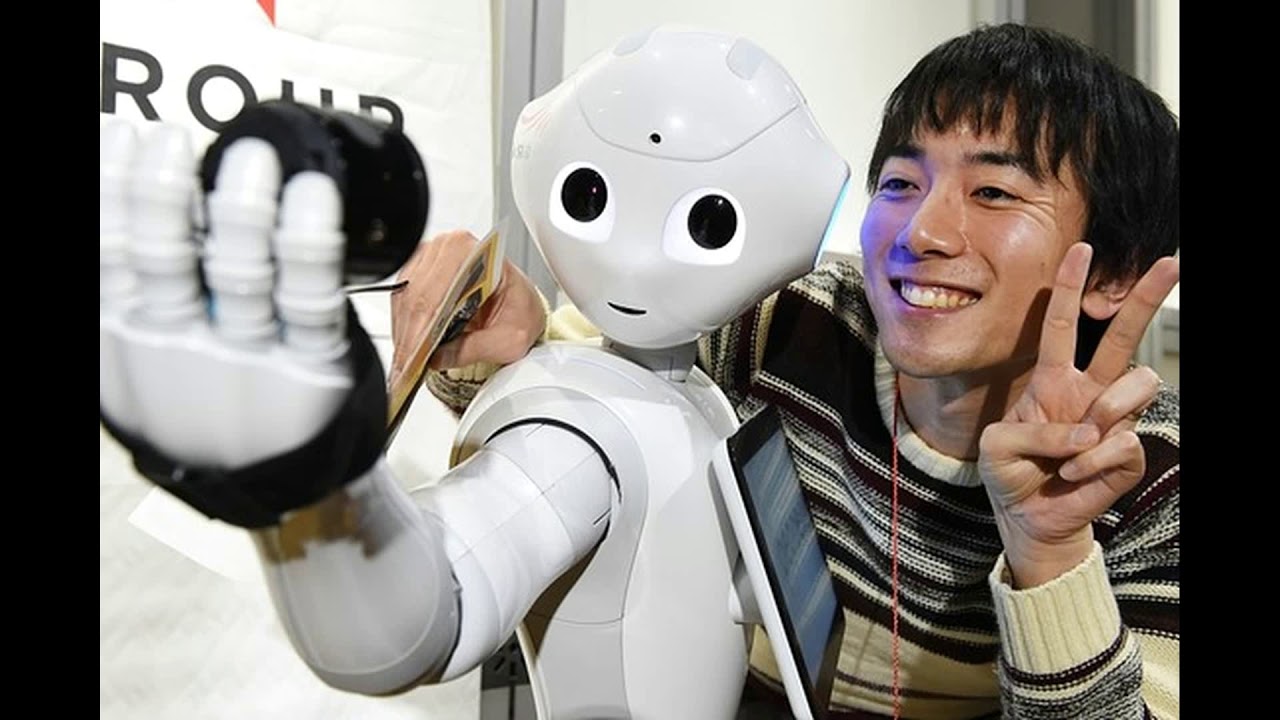
Japan Looks for a Solution to Its Labor Gap
Japan's demographic structure changed dramatically in the 2000s. As birth rates continued to fall while life expectancy rose, the working-age population shrank and the retired population grew even larger. Today, people over 65 make up about 30% of Japan's population. Because the working-age population shrinks every year, many sectors face serious staff shortages.
This situation creates not only an economic crisis but also a social one. Especially in healthcare and elderly care, agriculture, construction, and services, Japan is setting aside conventional solutions and taking a different path.
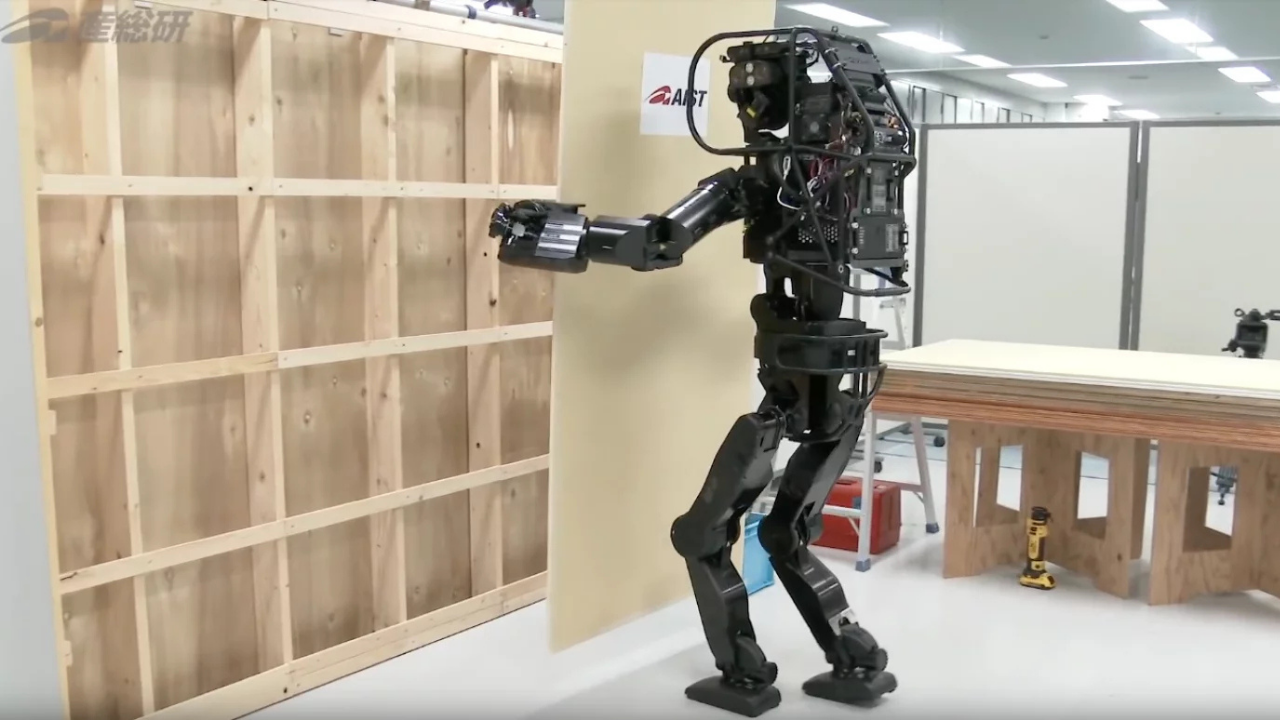
Why Robot Workers Matter
Robot workers are physical and software systems that can replace or support human labor. Today in Japan, this concept has moved beyond theory and become part of everyday life. The main reasons robot workers are gaining ground can be summarized as their ability to easily offset labor shortages, their capacity to work 24 hours a day without interruption, their low error rates, and their long-term cost advantage.
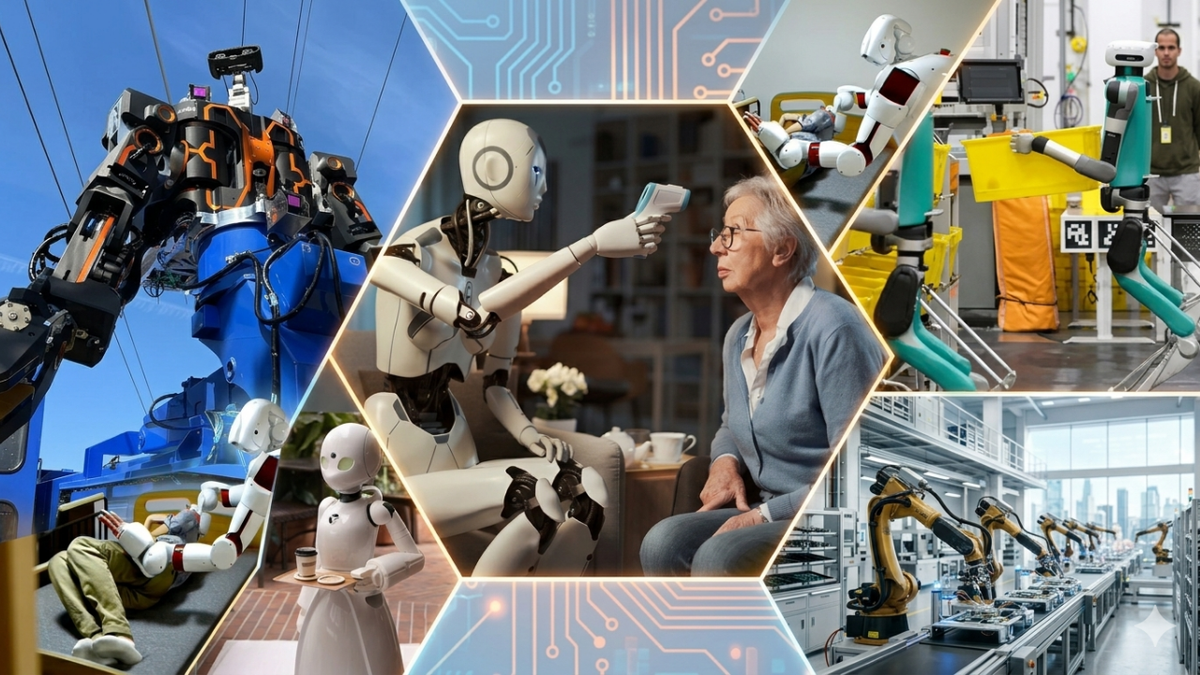
Elderly care robots, warehouse automation systems, and humanoid robots are spreading quickly across Japan.
The Demographic Crisis and the Technological Imperative
Japan's demographic crisis has turned robot use from a choice into a necessity. The reason is that immigration policies in the country are quite strict and the young population is not growing. On the other hand, although women's participation in the workforce is increasing, it is still not at a sufficient level. For this reason, Japan is looking for the solution directly in technology. In particular, AI-powered humanoid robots can perform more complex tasks by imitating human behavior.
Where Robot Workers Stand in the Real World
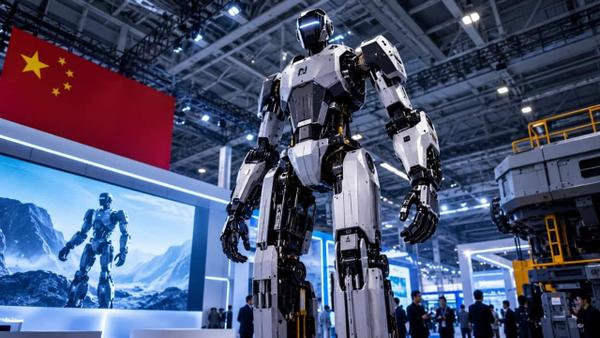
According to TechCrunch, Japan has crossed an important threshold in the field of "physical AI." The report emphasizes that robots are no longer working only in laboratory settings but are actively operating in real workplaces. Robot workers packing in warehouses, handling service tasks in restaurants, and working alongside people in factories are all playing an active role. This development clearly shows that robot workers have moved beyond experimental work and are being put into everyday use as a practical solution.
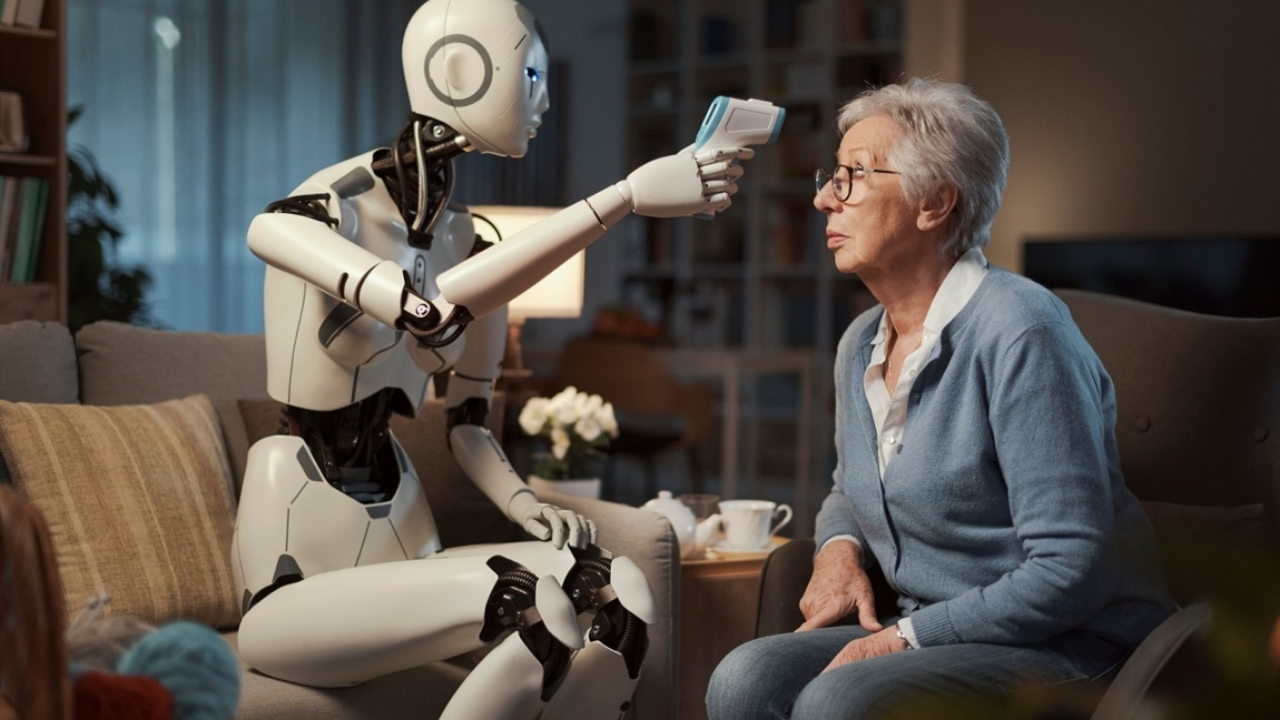
Where Robots Are Used in Japan
Healthcare and Elderly Care
Japan's greatest need appears in elderly care. Robots developed for this field can lift and move patients and remind them when to take their medication. For social interaction, some robots talk with elderly people to reduce feelings of loneliness.
Agriculture
As the young population working in agriculture declines, robots have stepped in. Autonomous tractors, harvesting robots, and, most importantly, drone-supported farming systems keep production running without interruption while minimizing the need for human labor.
Service Sector
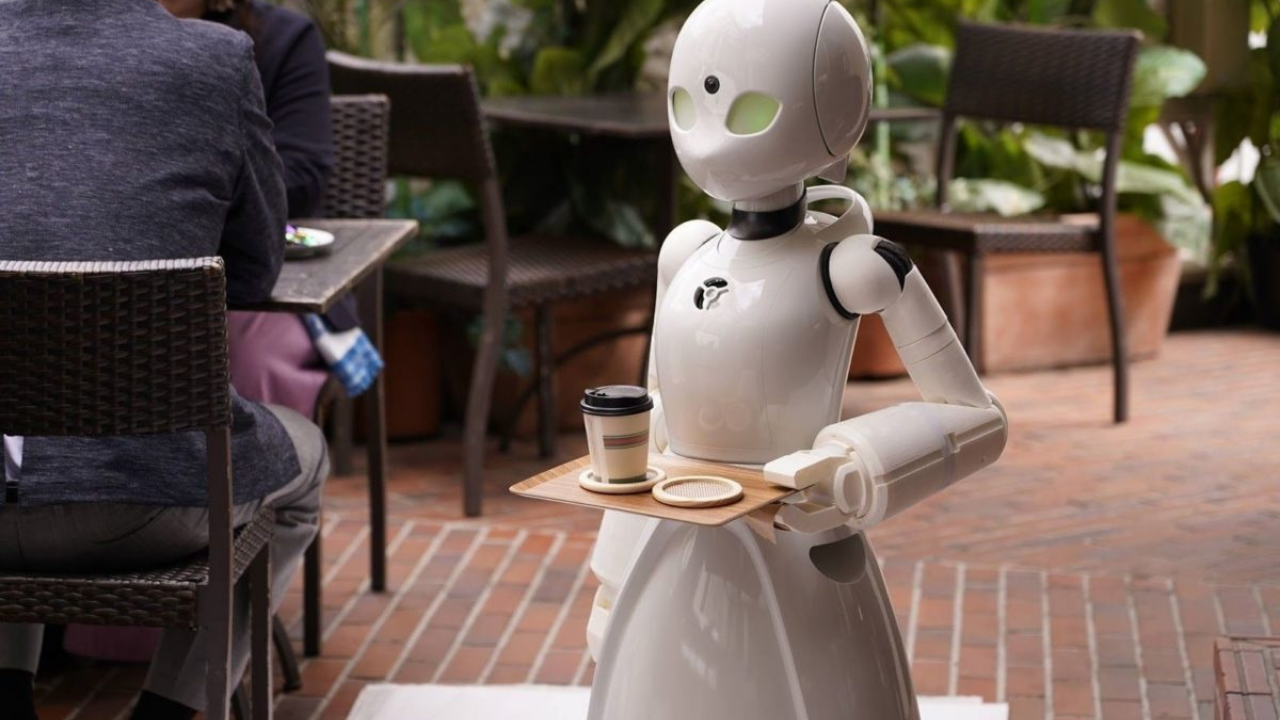
In Japan, some hotels and restaurants operate almost entirely with robots. Reception robots, serving robots, and cleaning robots are just a few examples. This lowers costs while keeping service standards consistent.
Industry
The industrial sector, where robot use was already widespread, has become even more advanced with the new generation of AI. Major companies such as Toyota and SoftBank are investing billions of dollars in robot technologies.
The Future of Automation: Human and Robot Collaboration
The idea that robots will completely replace humans in the future is quite common. However, Japan's example clearly shows the importance of human-robot collaboration. Robots take on physical and repetitive tasks, while people focus on areas that require decision-making and creativity. This model is called a hybrid workforce.
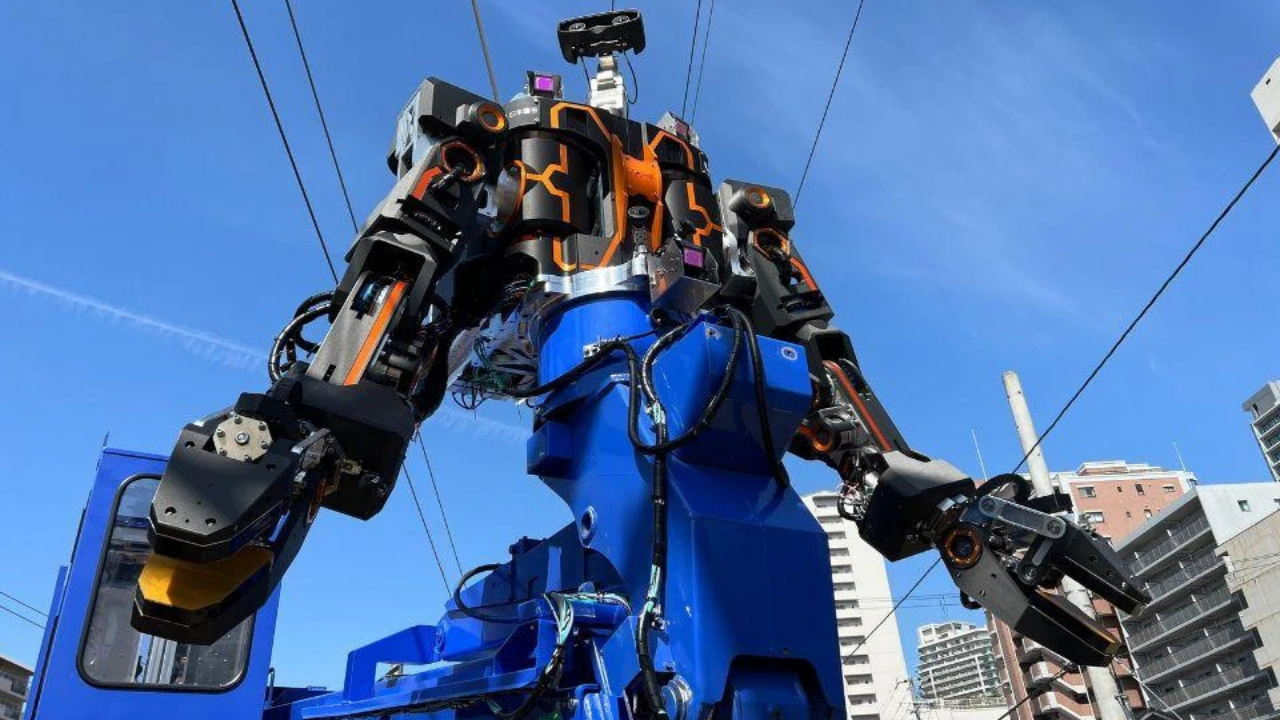
The Advantages of Robot Workers
At first glance, the advantages robot workers bring are quite striking.
Higher Productivity
Robots do not get tired or take breaks, and their error rates are lower than those of humans.
Cost Savings
In the long run, they reduce salary, insurance, and training costs.
Safety
Using robots instead of people for dangerous jobs reduces accidents and prevents loss of life.
The Disadvantages and Potential Risks of Robot Workers
Although their advantages are substantial, robot workers also carry some risks.
Concern About Unemployment
Some occupations may disappear entirely.
High Initial Investment Cost
Setting up robot systems is quite expensive at the start.
Ethical Issues
The human-robot relationship, privacy, and decision-making mechanisms are subjects of debate.
Could Japan's Model Set an Example for the World?
Japan's robot worker model may also serve as a reference point for other countries. In particular, factors such as aging populations in Europe, low birth rates in South Korea, and rising labor costs in China are turning robot use into a global trend.
What It Means for Turkey
Although Turkey is not yet facing a demographic crisis as serious as Japan's, youth unemployment, the need for automation in industry, and the digital transformation process are increasing the need for robot technologies by the day. In particular, the use of robot workers in logistics, manufacturing, and e-commerce could grow rapidly.
The jobs of the future make collaboration with robots necessary. While the spread of robots eliminates some occupations, it also creates new ones such as robot technician, AI trainer, and automation engineer. This makes it necessary to reshape education systems.
An Inevitable Reality: Robot Workers
The Japanese example clearly shows that robot workers are no longer an option but an inevitable reality. Especially when Japan's labor shortage, demographic crisis, and rapidly advancing technology come together, the role of robots in working life keeps growing.
WriterLovable Payments: Yapay Zeka ile Kendi İşini Kur


Yapay Zeka Dijital Pazarlamanın Neresinde? Ahmet Balat ile Cevaplar!