The global competition in the world of artificial intelligence (AI) is wrapped with a new and strong challenge from China to the leadership of the US. The Moonshot Kimi K2 Thinking model, developed by Chinese start-up Moonshot AI, flew memors leaving OpenAI’s flagship GPT-5 and the Claude Sonnet 4.5 model of Anthropic behind multiple performances.
This success shows that performance difference between not only the technical capacity of Chinese companies increases, but also closed (closed-source) and open (open-source) models quickly close. So, Home And the Moonshot Kimi K2 Thinking model, supported by giants like Tencent, how reached this peak, and how does this development flame Chinese AI leadership discussions?
What is Moonshot Kimi K2 Thinking and How did I Perform an Invention?
Moonshot Kimi K2 ThinkingBased in China Moonshot AI Developed by and published as open source on November 6, is a Large Language Model with a wide parameter (LLM). The release of the model is called "DeepSeek moment" in the industry, pointing the cost and performance assumptions to a change-based event.
- What did: The model left behind the competitors in critical benchmarks (benchmark) that determine industry standards and measure the skills of reasoning.
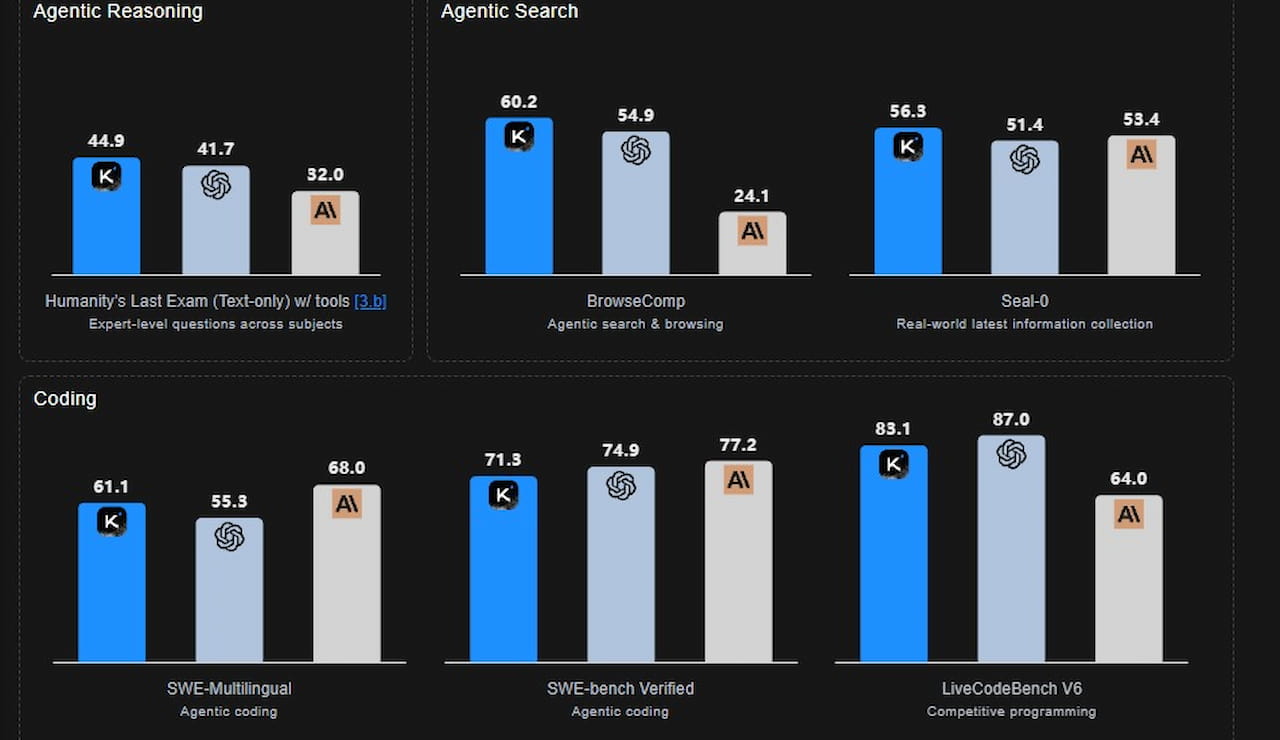
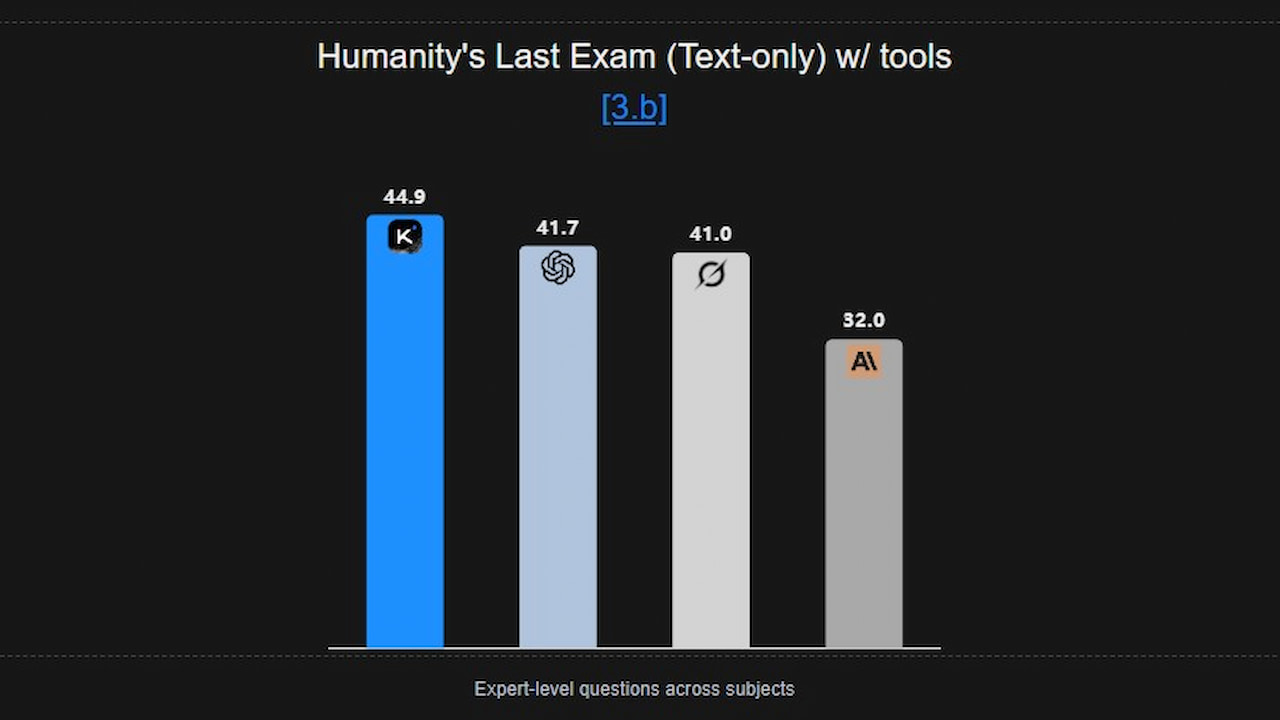
- How Powerful: Kimi K2 Thinking passed the score of 41.7% in the test of "Humanity's Last Exam" (Humanity's Last Exam) consisting of 2,500 questions in a wide range of topics. In the BrowseComp test, which also measures the ability to search and scan information on the web, 60.2% of the real world research queries, the Seal-0 benchmark has reached a 5%6.3 score.
These scores indicate that the GPT-5 Kimi K2 comparison effectively cover the difference between high-level reasoning and coding capabilities, leaving behind a closed leading system of an open source model.
How to Get This Success?
The success of Moonshot Kimi K2 Thinking model is not only with raw performance, but also pay attention with cost effectiveness. The cost of training of the model is claimed to be only $ 4.6 million.
- Mixture-of-Experts (MoE) Architecture: Although the model has a total parameter of trilyon, it uses "Mixture-of-Experts (MoE)" architecture that activates only 32 billion parameters per extract (inference). This efficient structure optimizes resource utilization.
- INT4 Quantum: The model was trained using INT4 quantitative (quantisation). This technique managed to increase production speed about two layers without compromising performance.
- Low Cost: According to calculations of South China Morning Mail, Kimi K2 Thinking API The cost of use is six to ten times cheaper than OpenAI and Anthropic models. This cost advantage reveals the basic strategy that Chinese AI leadership applies to compete in the global market. Chinese analysts indicate that this trend is caused by "excusion-like cost drops" provided with innovation and educational techniques.
How to Create an Impact on the Market?
The launch of Moonshot Kimi K2 Thinking created a serious print in closed laboratories in Silicon Valley.
- Definitions as "Seminal An": Menlo Ventures partner Deedy Das is a milestone for artificial intelligence today. Chinese outdoor welded model 1 number. The moment of acrement in artificial intelligence was evaluated with words ".
Price Printing: Researchers like Nathan Lambert from the Institute of Allen noted that the success of Chinese open-source developers remained under the "closed laboratories" and the severe price and expectations pressure of US developers.Open Source Power: Thomas Wolf (Hugging Face co-founder), said Kimi K2 Thinking is another example of passing a closed model of an open source model, such improvements have no longer been expected and expected in a few months. This shows that artificial intelligence technology is rapidly democratic.What Does This Development Comes to Understanding For Chinese Artificial Intelligence Leadership?
Chinese AI leadership is moving through more cost effectiveness and open source strategies. Analysts think that the overall performance of Chinese models still remain a bit back of the top-end US models, models such as Kimi K2 Thinking quickly close this difference.
The release of Moonshot Kimi K2 Thinking positions Moonshot AI alongside Chinese artificial intelligence companies such as DeepSeek, Qwen and Baichuan. These companies challenge American superiority with open source development strategies. Providing these models with completely commercial rights, by encouraging global developers to use these technologies, China will quickly increase its impact in the field of artificial intelligence. The license condition of the model requires that only large commercial users (who have more than 100 million monthly active users or more than 20 million dollars per month) products show the name "Kimi K2" on the user interface.
How To Expect A Competition?
The success of Moonshot Kimi K2 Thinking shows that the artificial intelligence race is no longer only with huge capital expenditures, but also will be awarded with architectural innovation and cost effectiveness. GPT-5 Kimi K2 comparison reveals that indoor and expensive systems will remain under a continuous pressure across open and efficient competitors.
Sector experts will closely monitor the next moves of both US and China companies to see whether this success is a temporary zoom or a sustainable competitive advantage. However, we can now say that models like Moonshot Kimi K2 Thinking have completely changed pricing and expectations in the artificial intelligence market.
The global competition in the world of artificial intelligence (AI) is wrapped with a new and strong challenge from China to the leadership of the US. The Moonshot Kimi K2 Thinking model, developed by Chinese start-up Moonshot AI, flew memors leaving OpenAI’s flagship GPT-5 and the Claude Sonnet 4.5 model of Anthropic behind multiple performances. This success shows that performance difference between not only the technical capacity of Chinese companies increases, but also closed (closed-source) and open (open-source) models quickly close. So, Home And the Moonshot Kimi K2 Thinking model, supported by giants like Tencent, how reached this peak, and how does this development flame Chinese AI leadership discussions? What is Moonshot Kimi K2 Thinking and How did I Perform an Invention? Moonshot Kimi K2 Thinking Based in China Moonshot AI Developed by and published as open source on November 6, is a Large Language Model with a wide parameter (LLM). The release of the model is called "DeepSeek moment" in the industry, pointing the cost and performance assumptions to a change-based event. What did: The model left behind the competitors in critical benchmarks (benchmark) that determine industry standards and measure the skills of reasoning. How Powerful: Kimi K2 Thinking passed the score of 41.7% in the test of "Humanity's Last Exam" (Humanity's Last Exam) consisting of 2,500 questions in a wide range of topics. In the BrowseComp test, which also measures the ability to search and scan information on the web, 60.2% of the real world research queries, the Seal-0 benchmark has reached a 5%6.3 score. These scores indicate that the GPT-5 Kimi K2 comparison effectively cover the difference between high-level reasoning and coding capabilities, leaving behind a closed leading system of an open source model. How to Get This Success? The success of Moonshot Kimi K2 Thinking model is not only with raw performance, but also pay attention with cost effectiveness. The cost of training of the model is claimed to be only $ 4.6 million. Mixture-of-Experts (MoE) Architecture: Although the model has a total parameter of trilyon, it uses "Mixture-of-Experts (MoE)" architecture that activates only 32 billion parameters per extract (inference). This efficient structure optimizes resource utilization. INT4 Quantum: The model was trained using INT4 quantitative (quantisation). This technique managed to increase production speed about two layers without compromising performance. Low Cost: According to calculations of South China Morning Mail, Kimi K2 Thinking API The cost of use is six to ten times cheaper than OpenAI and Anthropic models. This cost advantage reveals the basic strategy that Chinese AI leadership applies to compete in the global market. Chinese analysts indicate that this trend is caused by "excusion-like cost drops" provided with innovation and educational techniques. How to Create an Impact on the Market? The launch of Moonshot Kimi K2 Thinking created a serious print in closed laboratories in Silicon Valley. Definitions as "Seminal An": Menlo Ventures partner Deedy Das is a milestone for artificial intelligence today. Chinese outdoor welded model 1 number. The moment of acrement in artificial intelligence was evaluated with words ". Price Printing: Researchers like Nathan Lambert from the Institute of Allen noted that the success of Chinese open-source developers remained under the "closed laboratories" and the severe price and expectations pressure of US developers. Open Source Power: Thomas Wolf (Hugging Face co-founder), said Kimi K2 Thinking is another example of passing a closed model of an open source model, such improvements have no longer been expected and expected in a few months. This shows that artificial intelligence technology is rapidly democratic. What Does This Development Comes to Understanding For Chinese Artificial Intelligence Leadership? Chinese AI leadership is moving through more cost effectiveness and open source strategies. Analysts think that the overall performance of Chinese models still remain a bit back of the top-end US models, models such as Kimi K2 Thinking quickly close this difference. The release of Moonshot Kimi K2 Thinking positions Moonshot AI alongside Chinese artificial intelligence companies such as DeepSeek, Qwen and Baichuan. These companies challenge American superiority with open source development strategies. Providing these models with completely commercial rights, by encouraging global developers to use these technologies, China will quickly increase its impact in the field of artificial intelligence. The license condition of the model requires that only large commercial users (who have more than 100 million monthly active users or more than 20 million dollars per month) products show the name "Kimi K2" on the user interface. How To Expect A Competition? The success of Moonshot Kimi K2 Thinking shows that the artificial intelligence race is no longer only with huge capit





 Admin