
New Hamle for AI Ethics Management
Automatically translated
 Writer
When adding the capabilities of artificial intelligence models, the question of which technology will draw the limits is placed from technology corridors and the full center of global politics. It is not enough to write only code or install huge data centers. The main power passes through the set of rules, which determines which the algorithms will pass through the moral, legal and security filters, meaning to build the AI governance architecture.
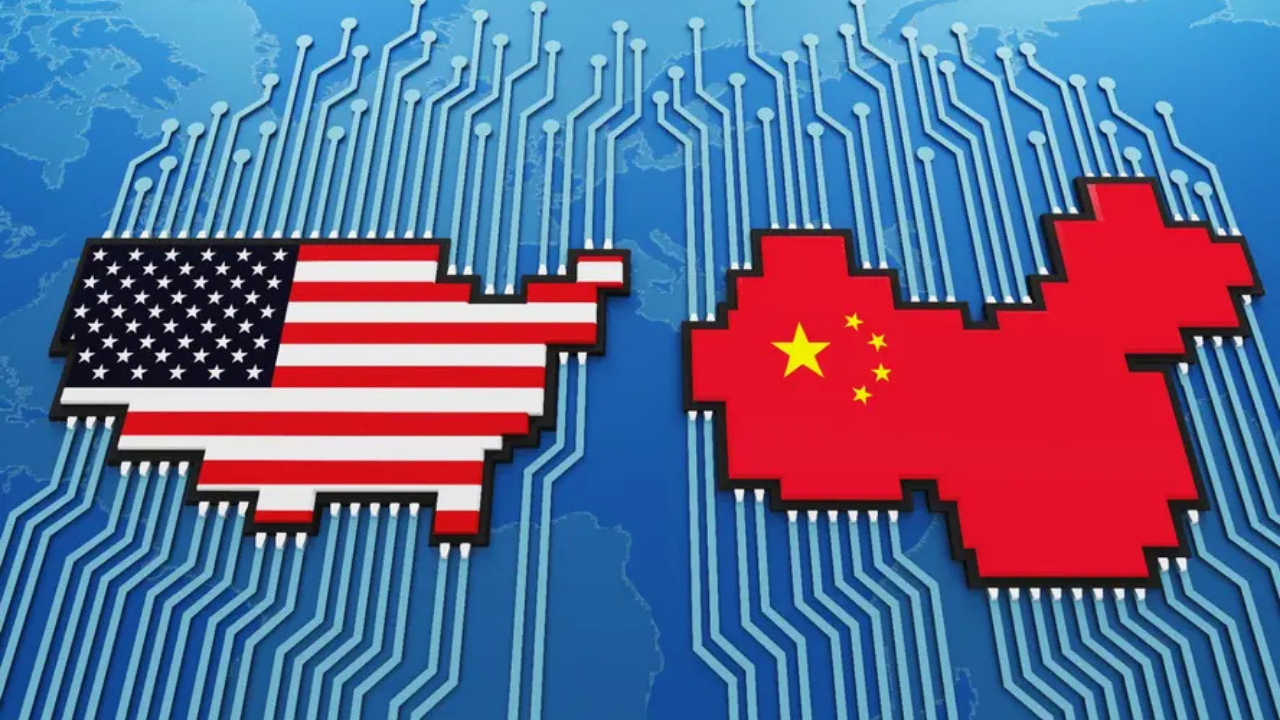
In China, it turned into a new application plan to tighten artificial intelligence and safety radically at this breaking point. This move of Beijing is not only the effort to keep the technology giants in their inner market under control; the way to say "I am here" in the battle to determine global artificial intelligence standards. This new wave is followed very closely in technology laboratories, especially in academic circles and large language models in R&D processes.
New Hamle of Beijing: Why Does AI Ethics Management Vaccine Limits?
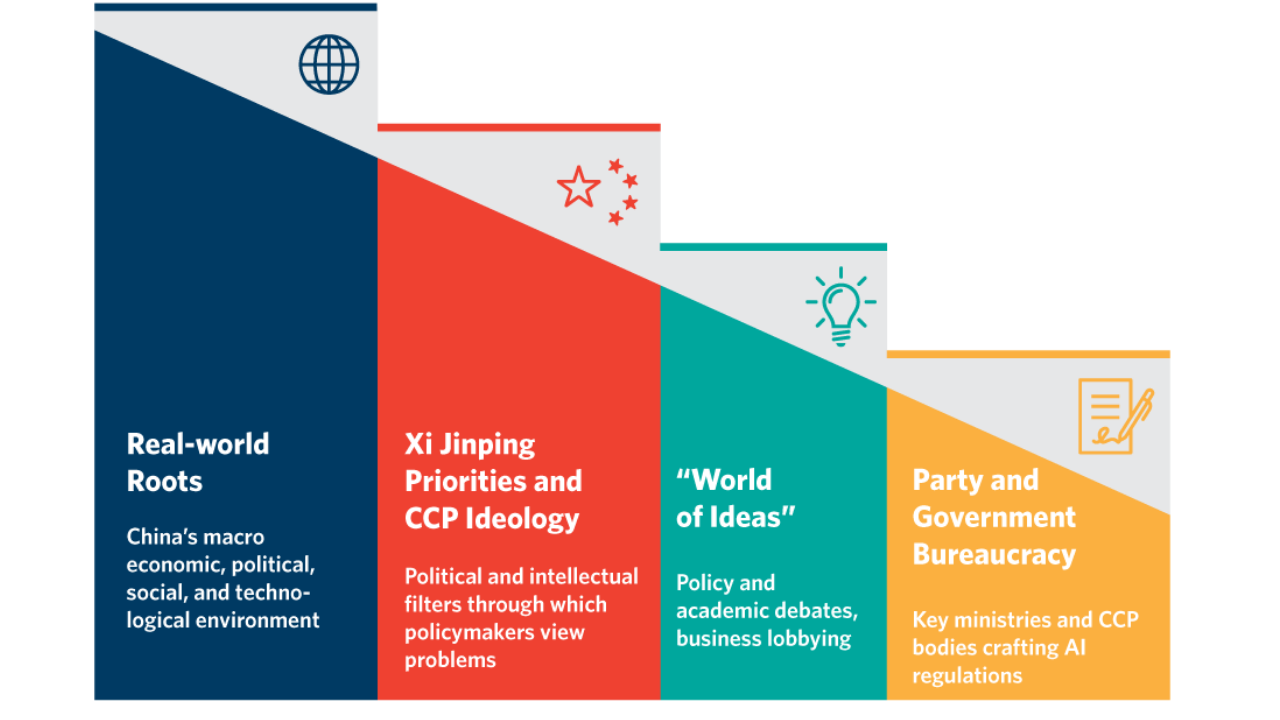
Artificial intelligence integrated in all areas of life, filled the shelf life of theoretical ethical discussions. The topics such as algoritmic justice, transparency and copyrights, which are only a felsefi header until a few years ago, are considered directly as a matter of national security and social stability. Behind the gear growth in China’s AI ethical management lies in uncontrolled mass power, where productive AI reaches.
From the ordinary user of large language models and artificial intelligence tools, everyone has become a daily routine, dezenformation and manipulative content have improved the speed geometrically. The problem of the famous "black box" that we don't know exactly what logic erases when producing models out leads to a serious trust crisis in critical decision-making mechanisms. That’s why Beijing has not been an abstract recommendation decision, in case of violation, it transforms hard sanctions into a operational barrier to apply.

Chinese Artificial Intelligence Policy and New Practice Steps on the Site
This new step in China is moving forward in a very different speed and practicality from the long-term law drafts that have been used in western countries. Other AI policies As different from China, the idea phase of artificial intelligence systems is at the same time as meeting with the last user, it is necessary to control the state and independent ethical boards.
There are mandatory ethical evaluation mechanisms in the center of the process. Any technology company or research institute have to pass through a comprehensive "algoritmic transparency and neutrality" test before making the model public open. The model’s social values can’t be zealous and zealous, a secret discrimination in data sets (bias) is madeic at this stage.
However, a solid risk classification is applied. Artificial intelligence applications are categorized according to the usage areas; systems that can affect critical sectors such as public health, finance, energy lines and defense are subject to the highest level of security protocols. If the model does not pass these solid filters, it is not allowed to fall out of the shelf even if there is a billion dollar investment.
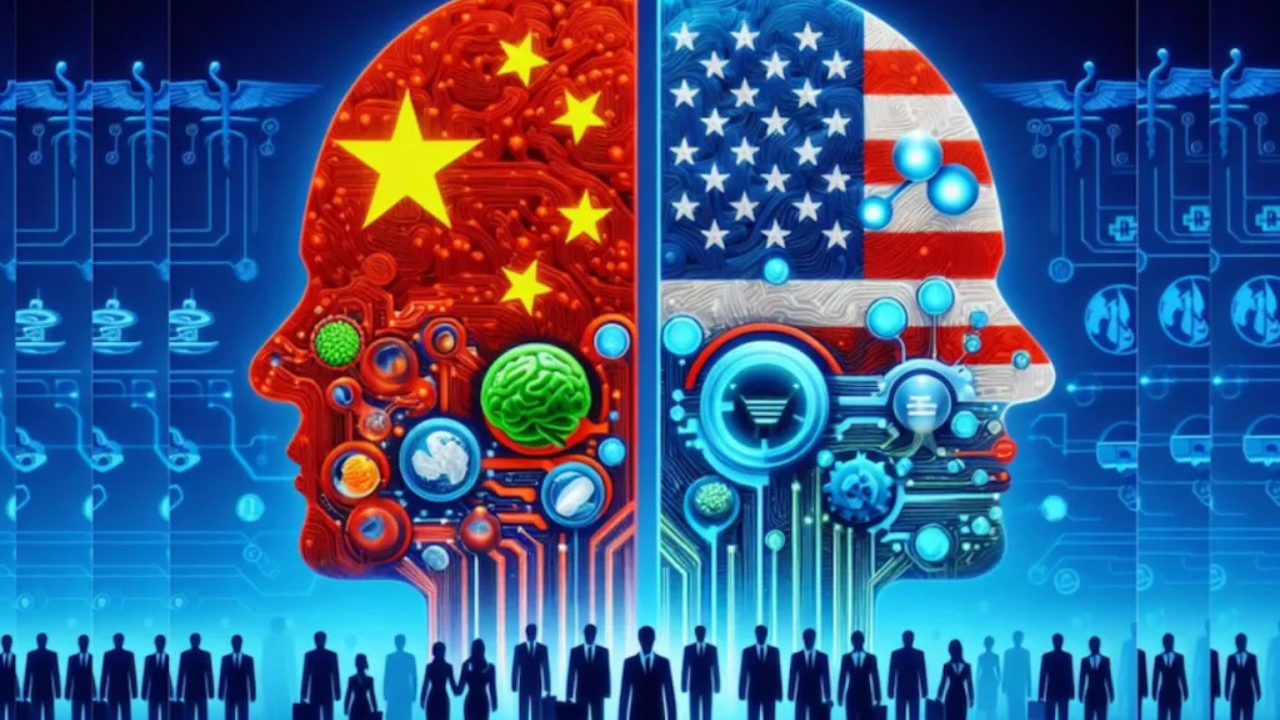
Three Different Ekols in Global AI Management War
Wanting to align artificial intelligence across the world, but their philosophy are completely competing with three major power focuses. In the case of the warmest head of approach differences between this triple structure, academic articles and international relations reports:
European Union (EU)
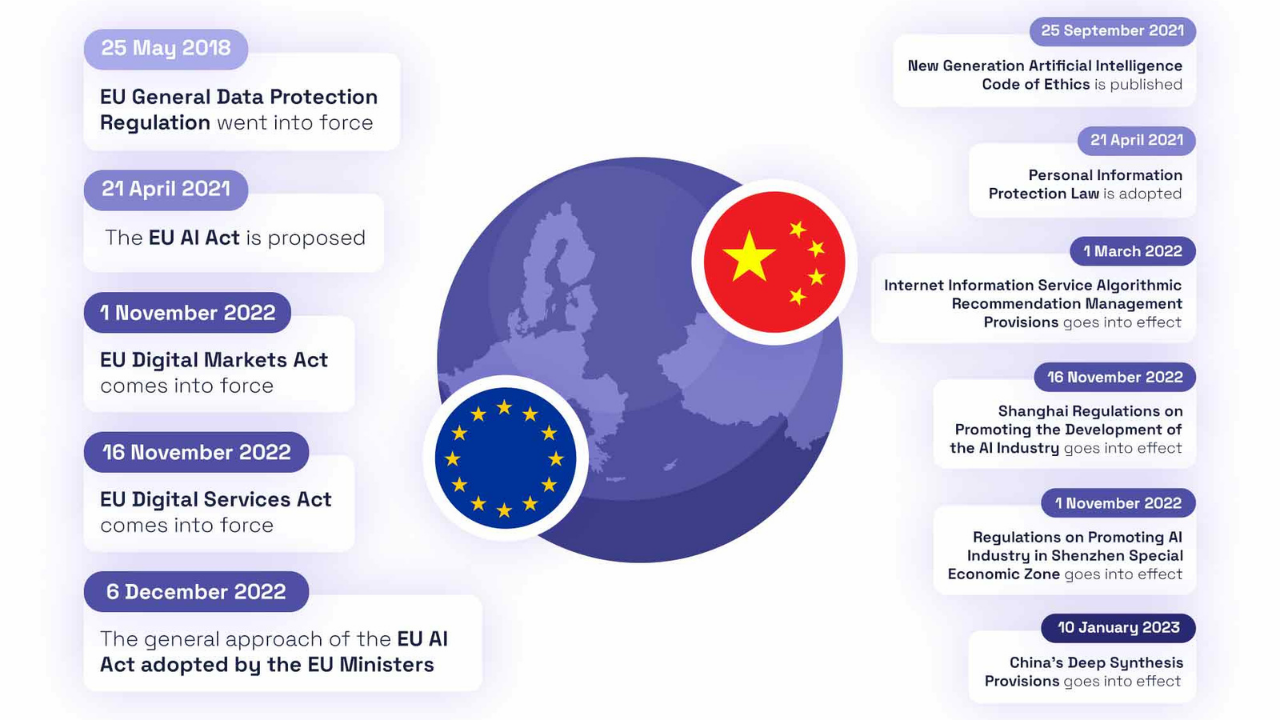
It takes full human rights and consumer safety to the room. This approach drawn borders with the EU AI Act is very comprehensive, conservative, but a bureaucratic. It takes serious criticisms in the direction of slowing down innovation because companies narrow the movement area.
United States (USA)
It gives priority to free market dynamics, company competitiveness and technological innovation. The state often runs the process through sectoral advice instead of putting binding hard laws. The system works with the logic of interfering after experiencing a crisis.
Chinese Eco:
National security, social layout and the strategic vision of the state is centered. This model with government guided has a structure that can apply the rules very quickly. It supports technological production but does not pull out the regulation sword when red lines are exceeded.
The main purpose of China with this new move is to export its own model as a standard to particularly developing countries. They are trying to make their own norms a global alternative to Western-based technology hegemonia.
Model in the Regulation Area: Why Does Ship Use Limits vary?
This artificial intelligence regulation on the global scale and ethical inspection furya, not only in the corridors of states; it directly corresponds to the servers and user policies of technology giants. The hottest example of this is hidden in the strategic changes Google’s Ship usage limits and background architecture.
The giants like Google have to swear with huge cloud infrastructure costs of billions of parameters on one hand, on the other hand, to chest data security, fair use and copyright prints from both western and east. There are only technical optimizations behind the company’s artificial intelligence usage limits, API access conditions and model filters often update.
As the cost of the processor power spent on the background of models increases and tightens the audits of legal authorities on data mining, technology companies started to step back from the promise of "open, unlimited artificial intelligence". Legal responsibilities brought by regulatorys are demanding to put ethical barriers to user requests more stringent filtration and models output capabilities. This situation clearly proves how imports the legal limits with the commercial future of artificial intelligence.
AI Ethics Management Discussions and Funding Crisis in Academic World
China's regulation moves Home The wave of institutionalization in the global diameter is divided into two scientists working in universities and research institutes. The world of the Academy lives a serious dilemma on the limitation of artificial intelligence.
On one side, there are those who think that solid ethical rules and state approval processes are going to be a ballet of research freedom. Researchers who specifically develop open source coded artificial intelligence projects have been worried that every algorithm update will parasitize the scientific innovation speed of approval from official boards. Furthermore, as the legal walls between countries rise, cross-border joint academic projects carry out and share global data sets turn into a legal nightmare. This situation brings funding crises in some research areas.
On the other side, there is a strong mass that reminds artificial intelligence is used in very critical areas from biotechnology to cybersecurity and defends that the academy can only protect the legitimacy with such tight ethical filters. According to them, when there is no uncontained global standards on it, the results of scientific studies are extremely clear to manipulation and abuse.
Safety and Innovation Balance: Is Reputation Possible From Design?
The new motto of the artificial intelligence ecosystem: "Security and ethical" (safety-by-design). Now a model is trained to blind, and after marketing, filters are closed to add-on period according to complaints. Modern governance processes HomeThe first day when the code is written, it is necessary to process the data set.
Builds that can build this cycle healthy, and builds a sustainable trust relationship with both governments’ legal obstacles and users. With innovation, the regulation is the only way to see each other as the enemy and bring security into a part of innovation.

Lessons for Artificial Intelligence Ecosystem in Turkey
These standards that global powers are enrolled are vital courses for Turkey, trying to gain their own technological independence and creating domestic AI strategies. In this process, we need to be a proactive position.
Agile Model For Public Institutions:
Turkey does not have to copy the EU's bulky and innovation in the processes of artificial intelligence regulation into one-one. In-depth analysis of dynamic and point-stroke regulation logic, which promotes both domestic production and provides full control in strategic areas.
AI Ethics Boards in Universities:
The academic level, developed artificial intelligence projects have been established in the "AI Ethics Boards" that will control and direct compliance with global standards without leaving the laboratory yet.
Global Compliance of Native Models:
It is directly connected with the fact that our domestic large language models and defense industry technologies have international arena, their data safety and ethical compatibility certifications. If we want to export technology to global market, we must put the rules according to the world standards from beginning.
What Are We Expected in the Age of Algoritmic Domination?
The future of artificial intelligence will determine geopolitical and legal moves rather than technical capacity. If in the near future a multi-sided, a global flower ground cannot be captured, we will see a much deeper version of the long-standing regional division in the internet world in artificial intelligence models.
According to Western standards, liberal values are trained according to the eastern standards with an artificial intelligence referenced, the state-oriented and decentralized AI will consist of a deep "etic cliff". This cliff will not only software, but also divide the information and world detection formats of societies using that software.
Frequently Asked Questions
What exactly does AI ethical management mean?
From the design of artificial intelligence systems to the end user, data privacy, algorithmic impartiality, transparency, copyright and accountability are controlled in the framework of universal and national ethical-hukuki rules and scratches the limits.
What is the basic motivation behind China’s AI ethical management moves?
Beijing aims to maintain internal stability by minimizing the risks of social and political manipulation that can create productive artificial intelligence. On the global scale, it wants to be a game builder by exporting its own technical and ethical norms against the western hegemonia "Global South".
What is the difference between AI governance and AI regulator?
AI governance is a common vision of the future of artificial intelligence of states, academ and technology companies, ethical principles and flexible collaboration models are developing. The AI regulations and penalties of these principles are the process of failure to comply with the state hand.
How to distinguish China’s AI policy from the AI Act law of the European Union?
The European Union conducts a proactive and highly bureaucratic control mechanism by taking into the center of protecting individual rights and consumer. China takes the national security and the strategic vision of the state into the room; it implements a more flexible, app-based and central audit model to prevent technological growth.
How does AI Regulations affect academic research?
With its positive aspect, the researchers provide scientific legisltimacy by providing work with remote, clean and legal data sets from copyright crisis. With the negative aspect, it can slow down the speed of developing international joint projects and open source coded studies due to strict approval processes and data sharing restrictions.
What is the case of Turkish AI Regulations?
Turkey takes steps in line with the National Artificial Intelligence Strategy. Presidential Digital Transformation Office and related institutions work on ethical principles, legal infrastructure and data domination. EU regulation standards are closely followed as general trend when the legislation is created.
WriterGoogle Chrome'da Son Reklam Engelleyici Tarihe Karışıyor


Cursor AI İçin SpaceX’ten 60 Milyar Dolarlık Hamle!