No-Code Artificial Intelligence Tools 2026: Generate Solution Without Code Writing
Automatically translated
 Writer
The world of technology is witnessed a major paradigma change as of 2026. Now the concept of software development has only been a jargon stack, which is in the monopoly of computer scientists. The philosophy of applying without code writing transformed individual creativity into a global scale of production by combining artificial intelligence with the democraticization.
What is No-Code Artificial Intelligence Tools and Suitable for Who?
No-Code AI visualizes complex machine learning algorithms and deep learning models, non-technical users interfaces It is a layer of technology that is not reduced by (grain-drop). Looking at 2026 perspectives, these tools now provide scalable solutions to the corporate level by going beyond being a simple helper. Who is a game changer for those vehicles?
Entrepreneurs: Instead of spending thousands of dollars to test an idea, they can create MVP (Minimum Applicable Product) in several days with free no-code tools.
Marketing Experts: They can install customer segmentation and predicting models without needing data scientists.
Educationalists and Content Manufacturers Home: They can perform their own private assistants and interactive learning platforms without writing code.

Best No-Code AI Platforms in Mobile Application and Automation
No-code artificial intelligence tools have become a digital organism that can share data that can only talk with each other, unlike software that offer individual solutions from 2026. Each tool in this ecosystem corresponds to a certain layer of production: Data, automation, content, visuality and decision mechanism.
Therefore, no-code AI tools are not only used applications, but it is necessary to read as parts of a production chain. Below is the most critical rings of this chain, detailed usage scenarios and strategic functions:
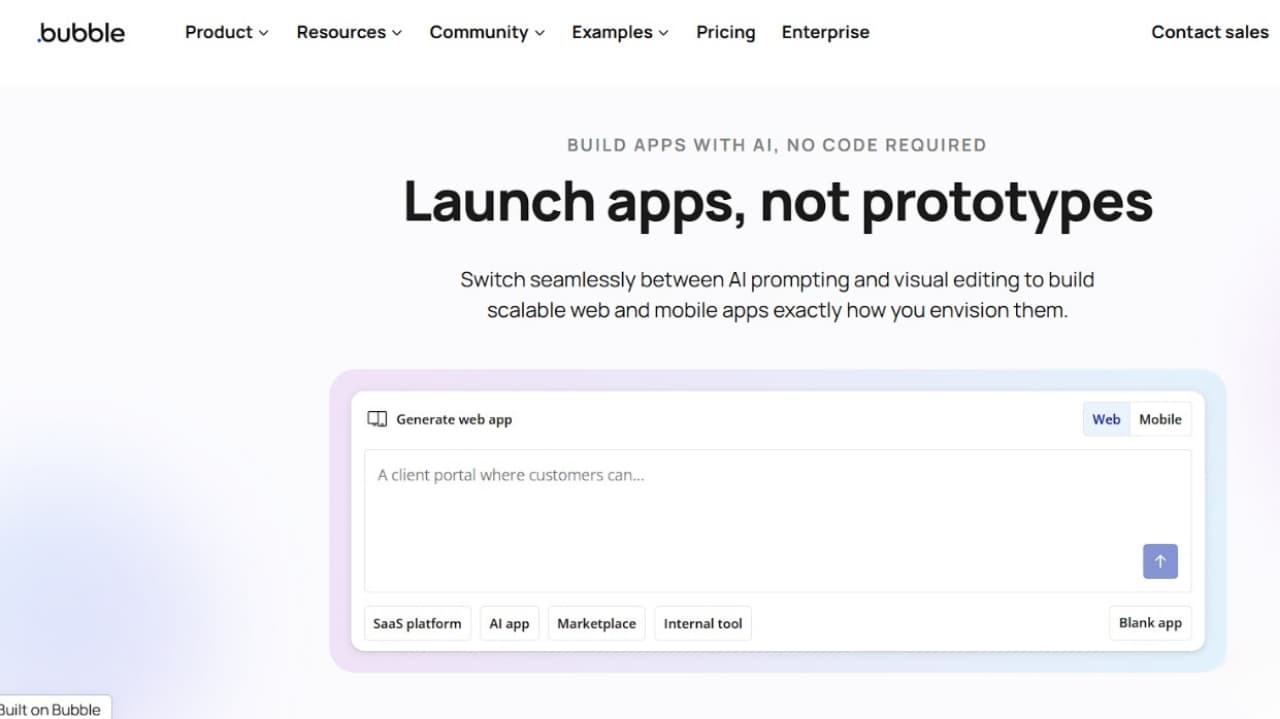
1. Bubble — Establish Logical Architecture in Implementation Building
BubbleAlthough it looks like a drag-drop tool on the surface, it is actually a software architecture building platform. It allows user to create data flow, user interaction and system logic rather than interface.
Usage approach:
The application should be designed “data model” before developing. (such as users, content, transactions)
Then the pages and user flows are created in accordance with this data structure.
The logic with the “Workflow” system is established. For example, when a user registers, like automatic profiling.
API External AI services using connector (text production, analysis, etc. ) can be integrated. A content platform can be developed with a system that automatically analyzes and offers recommendations on texts written by users. At this point, Bubble is not only interface, but the carrier of the decision mechanism.
2. 2. Zapier — Deployment Systems Convert One Mind
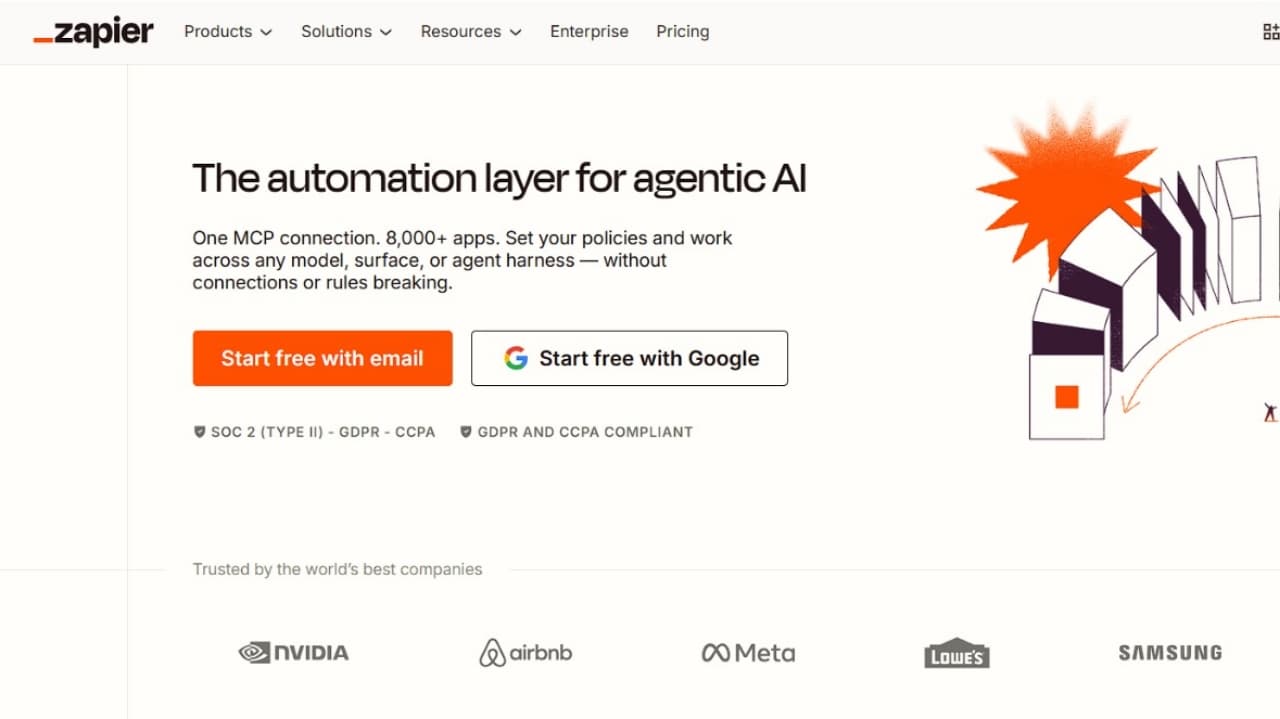
Zapierbuilds an invisible nervous system among digital tools. Automatically automates data flow between different platforms and minimizes human intervention.
Usage approach:
The logic of “Trigger–Action” can also be multilayered.
Multiple action chains can be formed by complex automations.
Only smart systems can be installed in certain situations with filtering and adding condition.
When a user registers on the website:
→ Data is saved to Airtable
→ Welcome email sent
→ Notion auto profile page opens
This structure is the basis of producing systems that decide human in AI automation platforms.
3. Notion AI — Generate Information and Converting Mental Area
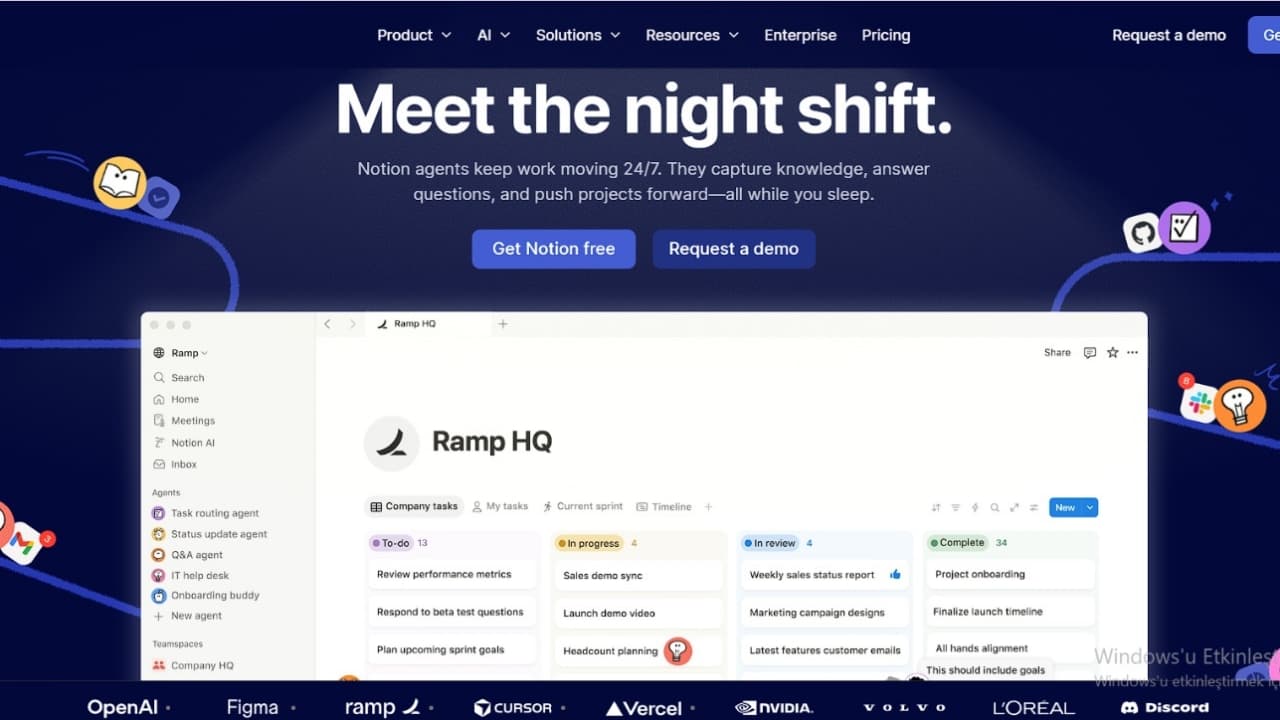
Notion AI only one note getting aracIt is not a thought area where information is produced, transformed and organized.
Usage approach:
Dynamic information systems can be installed by linking content with databases.
Text production, rewriting and analysis can be done with AI commands.
Concept maps and summary systems can be created in academic content.
Create and create a research file:
→ Welding abstracts with AI are removed.
→ Concepts are categorized.
→ Automatic content recommendations are produced.
This process transforms the concept of productive AI guide into practical production practice.
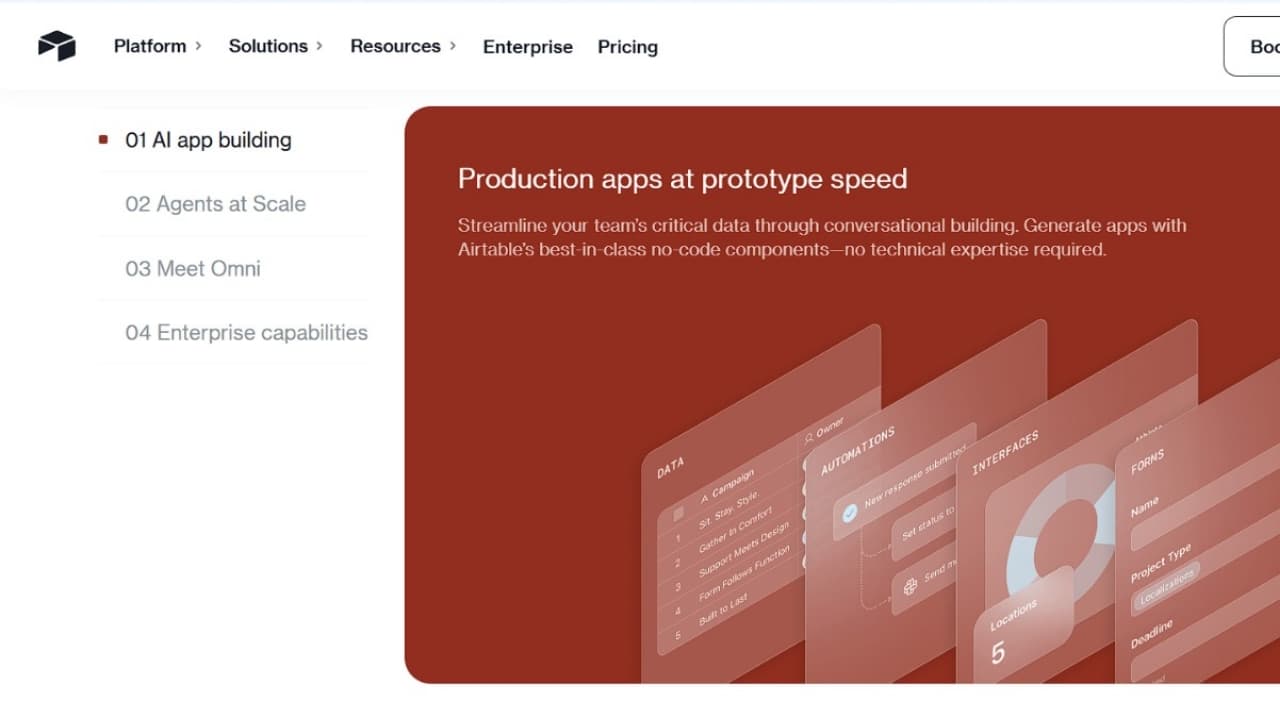
4. Airtable — Understanding and Meaning Data
AirtableAn intuitive relationship between data and user.
Usage approach:
Complex structures can be created by connecting between databases.
Data updates can be triggered with automations.
Data analysis can be done with AI-supported domains.
By establishing a content production system:
→ Contents are classified.
→ Performance is analyzed.
→ Content strategy is created with AI recommendations.
How to Get Artificial Intelligence Support in Content Production and Text Analysis?
Otonom content production has become a founding dynamism in person unlike only one trend of the 2026 digital world. However, today’s artificial intelligence is radically separated from the production of un contextual text, which has been pilled into mechanical repeats of history. Now the matter is not just writing; it is to build meaning, deepen the context and move to an ontological point with the target audience. In this context ChatGPT, Jasper and Download tools such as transform content production into one kind of intuitive engineers.
Deep Text Analysis: Removing Mean Map
No-code AI tools do not produce text anymore; solutions to the bottom layers of the text detect the discourse spaces, and yet unfilled areas in the content ecosystem appear. The question “What’s left??” is the question of being a retorikden here into a data-based strategy.
These systems provide a sense navigation to content manufacturer by making multi-layer analyses such as keyword density, semantic proximity, feeling analysis and competitor content mapping. Thus, the content reaches a integrity, not only visible, but also what is missing. This indicates that productive AI functions as a critical reader.
Personalized Newsletters: Algorithmic Empati
The traditional newsletter understanding is a homogenous structure that offers the same content to everyone, artificial intelligence-supported systems make it a unique explanation for every user. AI creates special content streams to each subscribe by analyzing user behaviors, click habits, reading times and interests.
For example Home p and HubSpot platforms like no-code integrations make this process completely automated. A newsletter sent to thousands of people consists of a combination of thousands of different text. This situation reveals a new form of communication that can be called algoritmic empathy: the machine does not only measure the individual's interest, builds him a proper narration.
Artificial Intelligence in Visual and Video Design: RunwayML and Lobe
Visual arts and production comes at the beginning of areas where no-code AI ecosystem triggers the most radical transformations. Once the productions requiring high budgets, technical teams and long post-production processes today several lines Tags with almost an instant creation practice. This conversion redefines the limits of aesthetic tasting alongside the production speed.
RunwayML
RunwayMLAs of 2026, only one video editing tool has gained an algorithmic director ID. The production scene expansion from text to video restores cinema language, features such as background change and real-time effect application.
One of the most remarkable aspects of Runway is the stage production sensitive to physics rules. Details such as light breaks, shadow orientations and motion dynamics are integrated into the scene by artificial intelligence. This ensures that the resulting content is not only aesthetic but also physically believed.
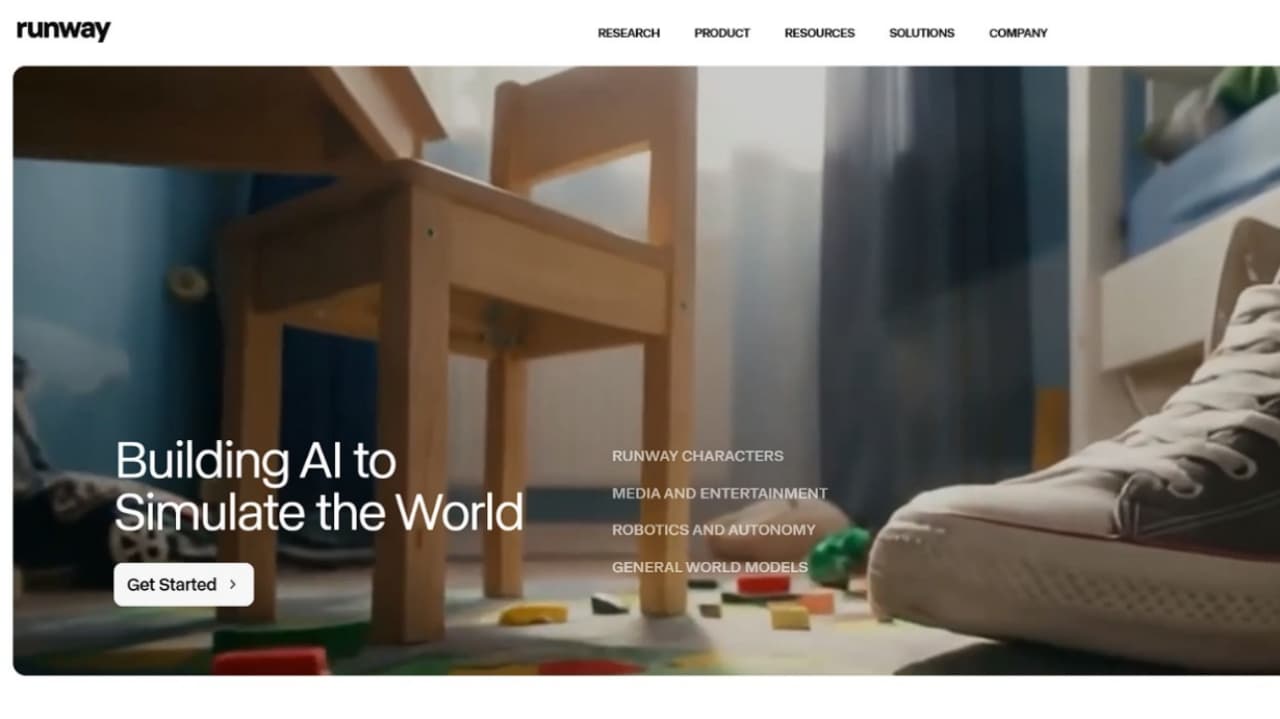
For independent directors and content producers, this means the democraticization of production. Now an idea becomes directly visualized, unlike being suspended due to technical deficiencies. Thus RunwayMLalmost zeros the distance between creative thinking and visual reality. RunwayML converts video production to a creative composition by removing from a technical process.
Usage approach:
Scenes play critical role in video production from text.
With Green screen and background removal tools, the scene can be rebuilt.
Videos with style transfer can be converted into different aesthetic forms.
A blog post → split into scenes → the AI video is produced for each stage → it is made into a single narrative. This indicates that content production has become text-based and multilayered.
Home
Home if productive artificial intelligence represents a different size: visual perception and learning. This tool developed by Microsoft makes machine learning accessible without requiring technical information.
The most critical possibilities for Lobe is that users can create and train their own data sets. For example, a user can provide the system to recognize these objects by uploading photos of certain objects.
In this way, when a camera detects a certain object, it becomes possible to produce different scenarios according to the visual input of an application or to establish interactive digital systems with the physical world. Image recognition technology so that not only large companies, individual developers and even students are opened to use.
The perspective, which RunwayML and Lobe offer, carries a two-layer structure of visual production: one aesthetic production (video, stage, visual), the other is perceived (taneous, response, interaction). These two layers of content that react to medium when combined.
In this context, productive AI blurs the limits between art and engineering. Visual is now a data, a trigger and an experience area. No-code AI tools turn this complex structure into a language of creation that everyone can access.
Visual and visual in 2026 video design; very conceptual depth from technical masterity and a creatively shaped area, and the center of this evolution production places the dynamic relationship between the human and the machine.
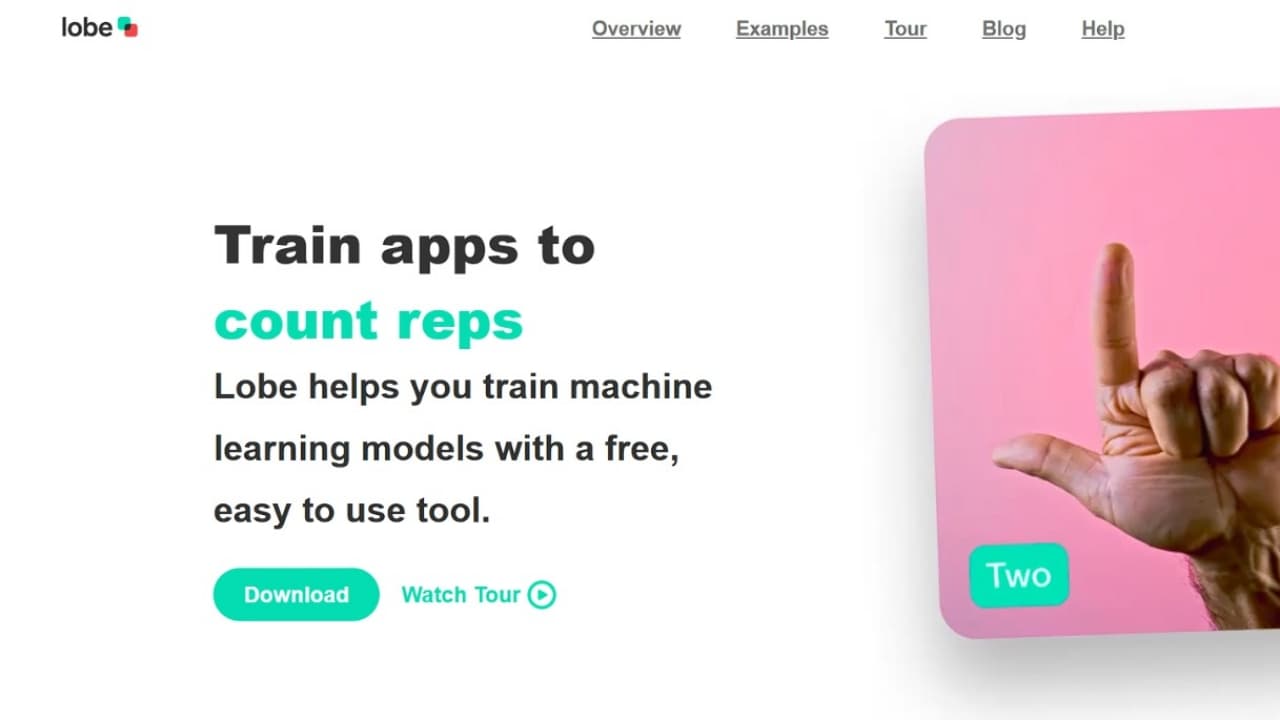
Lobe converts machine learning from code to an experienced process.
Usage approach:
Data quality directly affects model success.
Categories should be clearly defined and balanced data should be provided.
After the model is trained, it should be optimized with real-time tests.
This tool makes artificial intelligence from a theoretical concept into a casual tool.
2026 No-Code AI Strategies in Digital Marketing Trends Home
As of 2026, it has been home to a predictive art that can feel data in advance by being a discipline working with digital marketing data. No-code AI strategies recover marketer from being a lost analyzer in large data stacks. It directly converts it to a decision architect that builds action space and strategy. Zapier in this conversion, HubSpot and Home vehicles eliminate the distance between data and action.
Dynamic Pricing
Traditional pricing models rely on static analysis made in certain periods, no-code AI systems turn this structure into a real-time flow. Rival prices, demand density, user behavior and even seasonal trends are instantly analyzed.
In this way, autonomous models provide maximum profit and competitive balance by updating product prices in seconds. Dynamic pricing is a algorithmic reflex mechanism that holds the pulse of the market here.
Personalized Ads
Advertising has turned into an individual dialogue rather than a mass expression in 2026. Artificial intelligence analyzes user’s past interactions, interests, or even instant behavioral nucleus and produces unique content for each user.
An ad visual or slogan is a dynamic structure that is now re-designed, re-designed in all views from a fixed text. In this process Home and Adobe Firefly As tools automate visual production, text-based AI systems complement these visuals in contextual. Conversion rates are not only increasing, but also more sustainable and measurable.
Customer Loss Analysis Home
Customer loss is a process that has been too late when most times are noticed. However, no-code AI models can detect these silent breaks in advance by constantly following user behaviors.
In-platform interaction reduction is predicted by analyzing data such as decline in the frequency of purchase or change in certain behavior patterns, and the possibility of abandoning the system of a user. This prediction automatically corresponds to personalized offers, discounts or content recommendations. Thus, customer loss is becoming a passive result and becomes actively managed unless.
Autonomous Campaign Management and Continuity
One of the most remarkable aspects of No-code AI strategies is to make campaign processes autonomous to end. The campaigns launched in accordance with specific targets optimizes itself according to performance data, reproduces low performance content and high performance variations.
At this point, the role of the marketer becomes to feed the campaign manually and identify the strategic direction rather than manage the campaign. Thus, marketing turns into an organism that constantly learns and updates itself.
No-code artificial intelligence tools have become a ontological component of competition only from the choice of one software in 2026. No matter how well you write code that is now decisive, how creative, how much contextual and how strategic you use this tremendous AI power on your hand. The future technical barriers will be those who can integrate their imagination with such systems.
Writer2026’da Yapay Zeka Destekli Ek İş Fikirleri

Teknoloji ve Kariyer Staj İlanları | 20 Nisan - 26 Nisan 2026