




Is OpenAI Building a GitHub Alternative?
Automatically translated
 Writer
The software development ecosystem has been going through a fundamental transformation driven by artificial intelligence over the past few years. The newest and most striking link in this transformation is the report that OpenAI is developing its own code hosting platform to compete with GitHub, which is owned by Microsoft. This development, published by The Information in early March 2026, has caused a significant stir in the tech world and quickly entered the agenda of industry professionals.
But what does this move really mean? Is OpenAI building its own code platform purely out of a technical need, or is it a reflection of a much deeper strategic showdown?
What Is GitHub and Why Is It So Critical?
GitHub is a platform used by hundreds of millions of software developers worldwide to store, share and manage code and collaborative workflows. Built on the Git version control system, the platform rose to a dominant position in the enterprise world as well, especially after Microsoft acquired it in 2018 for 7.5 billion dollars.
Today, having a project hosted there is almost a prerequisite for gaining visibility in the open source community, facilitating team collaboration, and running continuous integration/continuous deployment (CI/CD) pipelines. When a platform that plays such a central role experiences any disruption, it can paralyze entire software development processes.
OpenAI vs Microsoft: The Thin Line Between Partnership and Rivalry
Evaluating this development as a purely technical process would be misleading. After all, this move is taking place right in the middle of a highly sensitive partnership. Microsoft has invested billions of dollars in OpenAI and is the company's largest investor. On the other hand, GitHub is a platform owned by Microsoft. Moreover, GitHub's AI-powered coding tool Copilot uses OpenAI models.
Viewed from this angle, OpenAI's development of its own code platform stands out as a bold and calculated maneuver that carries the risk of directly competing with its existing partner. As Reuters also pointed out, if such a product were released, the relationship between OpenAI, the creator of ChatGPT, and Microsoft would take on a new dimension.
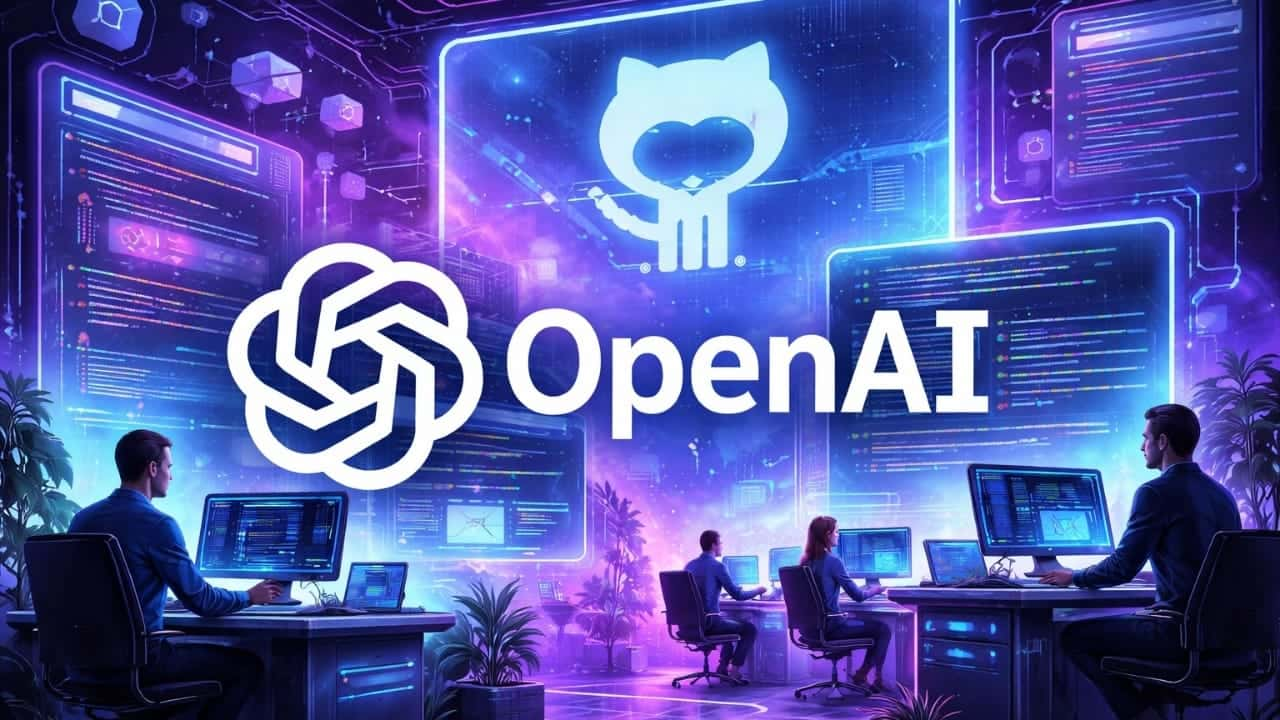
AI-Powered Code Hosting: The Software Ecosystem of the Future
The new platform could go beyond simply storing code and optimize AI-based software development processes. Engineers are working on tools that will help users write code faster, reduce bugs and manage projects more efficiently. This approach could create a new paradigm in software development and redefine the concept of a code hosting platform.
OpenAI's move is of close interest to both technology investors and software communities. According to the report, the company is also considering offering this platform to its customers. Therefore, significant changes in the software development world seem likely in the coming months.
The Software Ecosystem of the Future
OpenAI's move signals a reshuffling of the cards in the software development world. On one side is GitHub, with the world's most established community; on the other is an OpenAI GitHub alternative equipped with AI capabilities. Ultimately, this competition will create a wave of innovation that enables developers to produce faster, with fewer errors and with smarter tools. The future of software is no longer shaped only in lines of code, but in the platforms where the AI models that make sense of those lines reside.
The news that an alternative is being developed clearly shows that the AI ecosystem is no longer limited to a model race alone, but has turned into a struggle for control over the entire software development infrastructure.
This new platform under development aims to place AI at the "core" of the software development process, going beyond simply storing code.
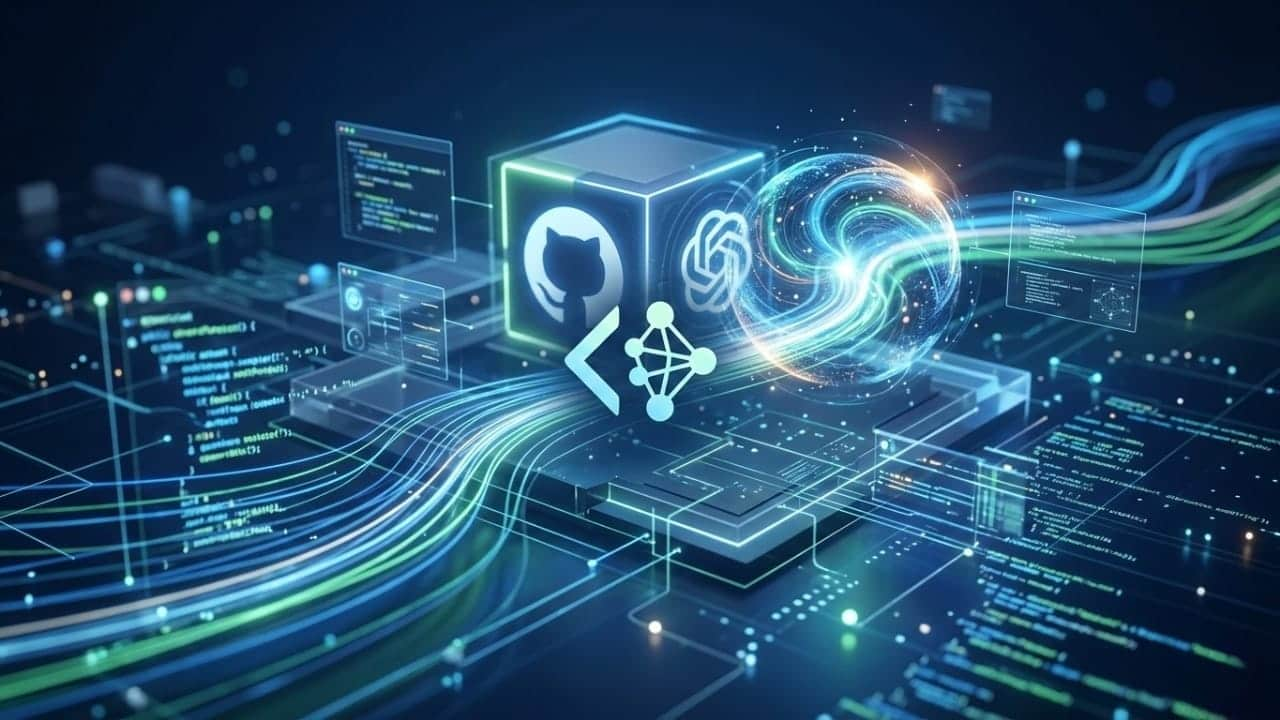
Three Key Elements That Will Set This Platform Apart:
Strategic Independence: OpenAI aims to reduce its operational dependence on Microsoft's infrastructure.
Deep Integration: AI agents (AI agents) that can directly write code, debug and autonomously manage pull requests (PRs), an ecosystem built around that capability.
Commercial Competition: This infrastructure, to be offered exclusively to OpenAI customers, could create a new economic model in the developer tools market.
The process needs to be watched closely, since it is still unclear whether the project will be completed, how it will be priced, and when it will actually reach the market. Yet even now, this news is a strong indicator of how quickly and fundamentally the balance of power in the technology world can shift.
Beyond the Code: The New Ontology Between Software Architecture and AI
Seeing OpenAI's strategic move as merely a rivalry over storage space means overlooking the enormous mass of the iceberg hidden beneath the water. This new platform promises to transform the nature of software from a static pile of code into a dynamic ecosystem that breathes with AI. In the current setup AI plays only the role of an assistant; in OpenAI's vision, what emerges is a digital co-architect figure that has internalized all layers of the project.
With this transformation, developers are expected to cross three critical thresholds in their experience:
Autonomous Improvement and Intuitive Repair: The system moving beyond passively reporting security vulnerabilities or performance bottlenecks, and instead producing changes that fit the project's overall structure and coding style and submitting them directly for approval.
Project Archaeology Through Natural Language: Technical documentation being updated autonomously and simultaneously with code writing. Instead of getting lost in thousands of lines of complex data structures, developers being able to pose in-depth queries directly to the system, such as "Show the logical gap in this function's working logic."
Predictive Testing and Deployment Dynamics: Test scenarios (unit tests) being simulated by AI even while the code is still being written, and, in the event of a faulty deployment, the system diagnosing the problem within seconds and carrying out an autonomous "rollback" mechanism.
Ultimately, this move could be the most critical turning point in transforming software development from a mere act of "writing code" into a high-level art of "system design and oversight". Against GitHub's years-long community strength, OpenAI is preparing to build a new paradigm based on operational speed and flawless efficiency by placing AI at the core of software.
WriterCOSMOS YZ: Cosmos T1 ve Türkçe Dil Modelleri 2026


Dijital Erişilebilirlik 2026: Yeni Yasal Dönem ve WCAG 2.2


