OpenAI Offers Three Step Plan in Artificial Intelligence Management
Automatically translated
 Admin
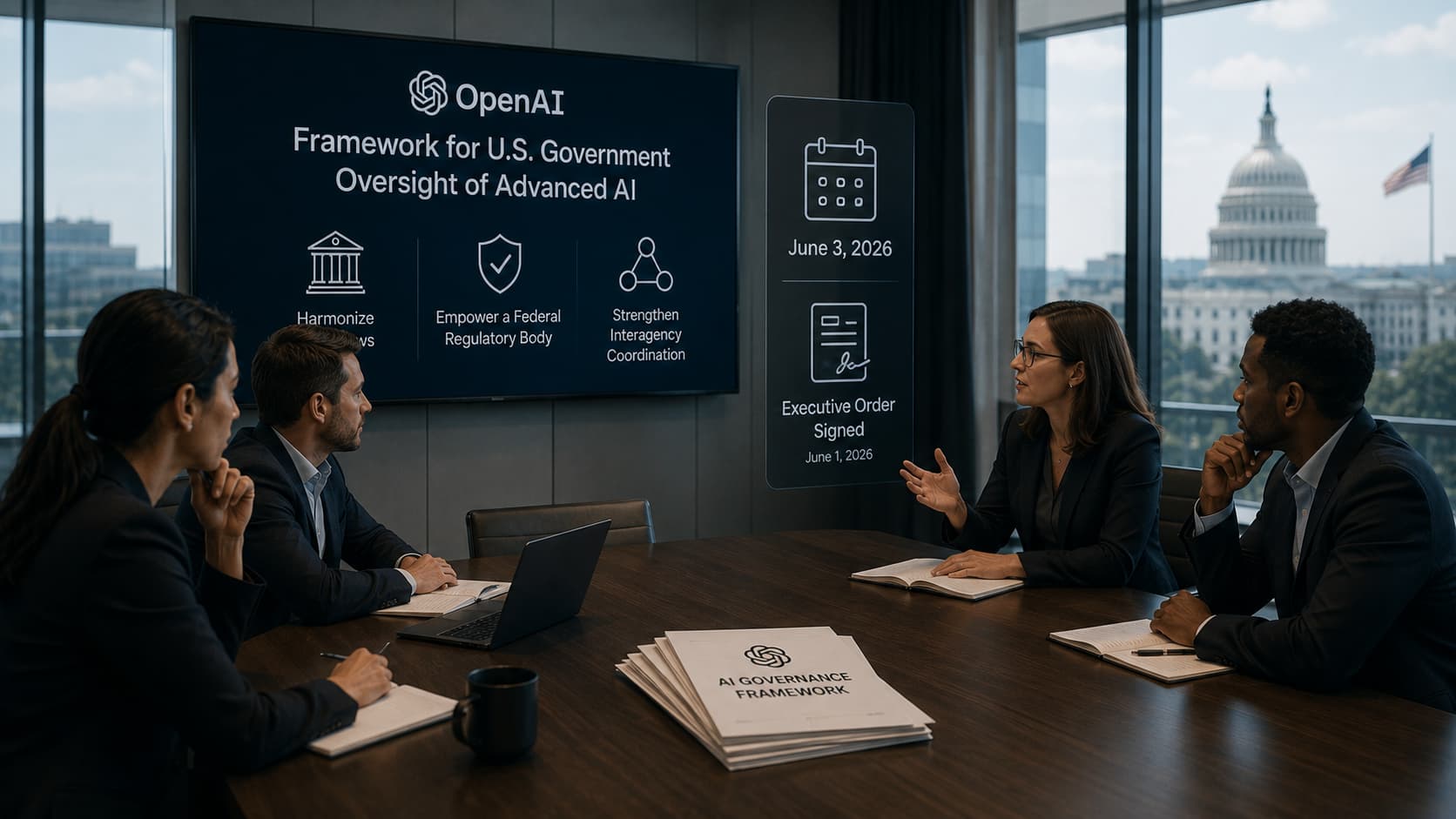
AdminOpenAI on June 3, 2026, a US government to manage powerful AI systems rules published frame. The announcement came in the same week with the admin orders that the President Trump signed two days ago and predicted the voluntary test of the border artificial intelligence models. The plan of OpenAI is built on the compatibility of state laws, strengthening a federal regulatory institution and increasing coordination between governments.
What is three-foot Strategy?
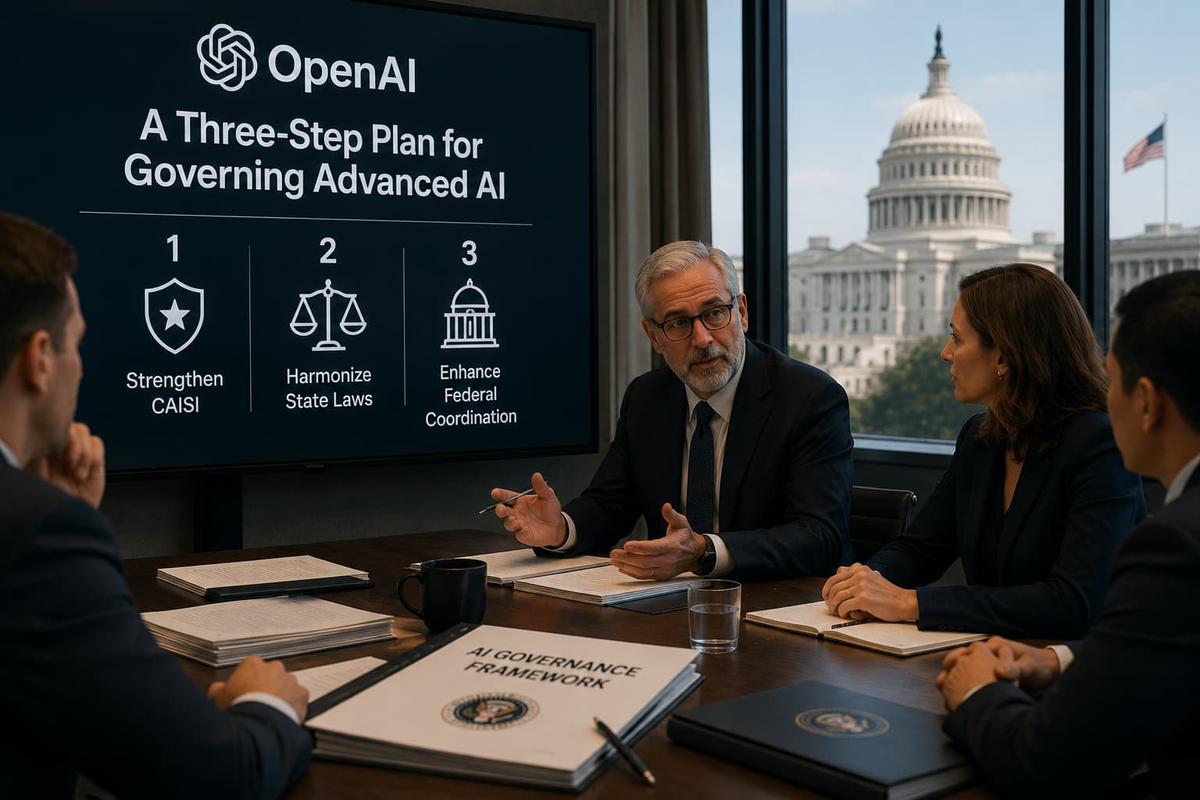
The plan of OpenAI reveals three strategic steps: to create a national framework based on the harmony of the state security laws; to strengthen CAISI (Center for AI Standards and Innovation) as the primary institution for the border AI security of the US federal government; and to act a wider endurance plan that will handle national and public safety challenges created by the border AI across the government.
This plan reflects the analysis of research centers such as the Massachusetts Institute of Technology and Stanford Artificial Intelligence Index in recent years, although it was recommended by OpenAI. Security experts were highlighted for a long time that the lack of a central federal institution leads to unconsistent standards among technology companies.

Compatibility of State Legislation
States started developing harmonious approaches for managing limit AI. These include the SB 53 of California, the RAISE Act of New York and the SB 315 of Illinois.
This three state law was quickly married to bring structure stones together in the last eight months. A change in RAISE Law was presented in January 2026 and was legal in March. Thus, New York regulations have been largely compatible with California’s approach.
But a full fit is not still provided. RAISE has borrowed many basic definitions from SB 53, among which there are disaster risk, critical security incident and foundation model definitions. The law of New York in general frame TFAIA There are differences such as provisions that require the disclosure of events within 72 hours, for example, the 15 days of TFAIA.
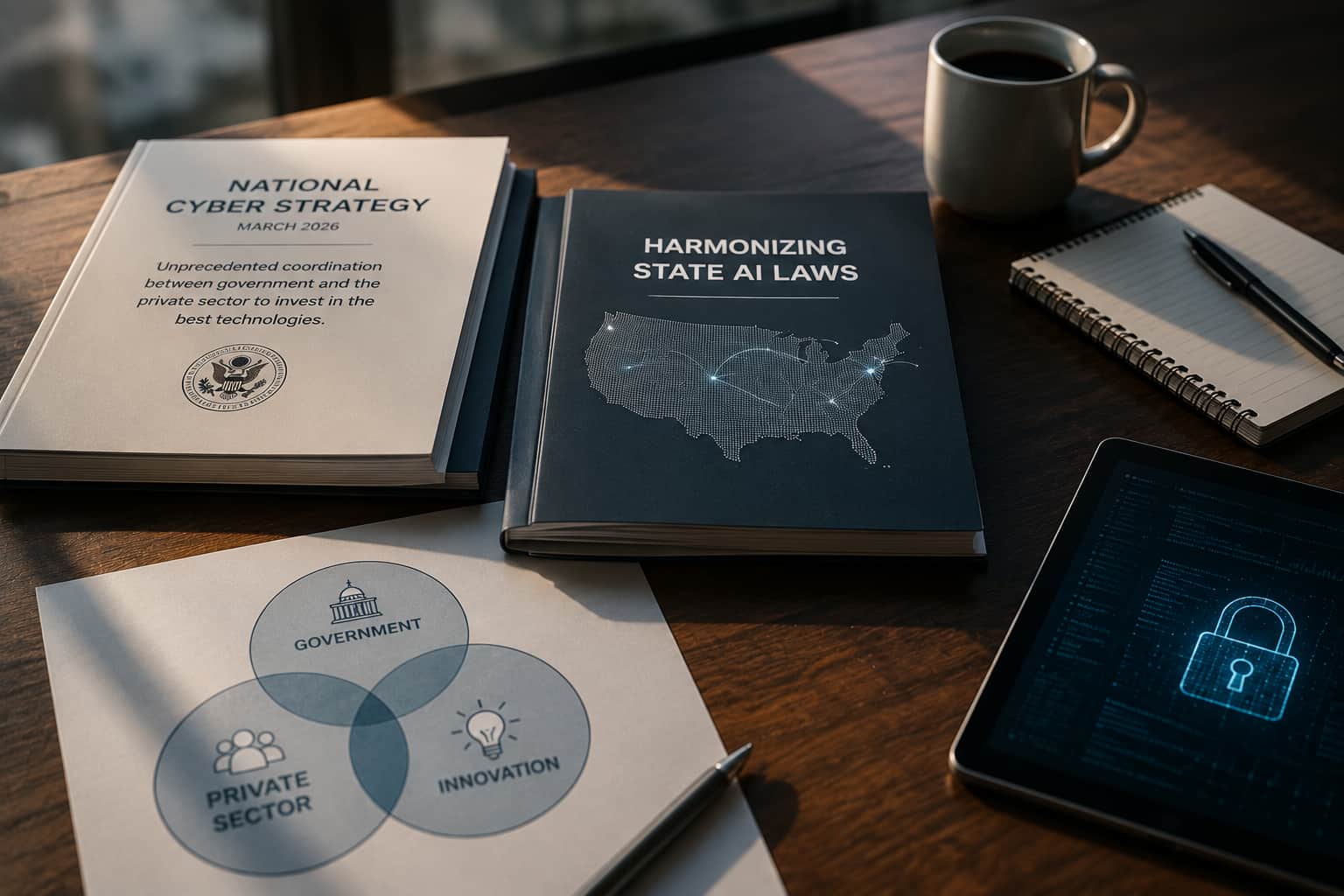
This way of compliance of the state laws occurs in a environment where a federal frame does not occur yet. The March 2026 National Cyber Strategy of Trump management is also "imperial coordination"The call was found.
Strengthening CAISI
OpenAI is located in the center of the plan, CAISI (Yapay Intelligence Standards and Innovation Center). The institution is structured to focus on the security of artificial intelligence by Trump management in August 2025 and concentrated on the risks of cybersecurity, biosecurity and chemical weapons.
In early May 2026, CAISI completed more than 40 models evaluation, and Google DeepMind, Microsoft and xAI have heard new test agreements. These assessments cover risks of cyber security, biosecurity and chemical weapons; some are performed in classified environments.
But the sources of CAISI are still limited. America First Policy Institute, known for its close proximity to Trump, states that CAISI operates with "heatronicly supported" and about 30 employees. The Institute also expressed that the central has received approximately 30 million dollars since 2024, which is lower than similar AI centers in Canada and Singapore.

Near Time Hamlesi of White House
The executive order of President Trump immediately after the OpenAI's plan contains steps in the similar direction. 2 June 2026 White House, "Supporting Advanced Artificial Intelligence Innovation and Safety" He released an executive order and announced that this arrangement aimed at addressing national security risks created by advanced artificial intelligence systems while maintaining the leadership in the US AI.
Emir wants to offer the strongest models from AI companies to government tests in 30 days before public opening. It also creates a voluntary cyber security coordination structure with the contribution of other federal institutions in coordination of the Ministry of Treasury and USA Tech Force expands the scope of the program.
But this frame is still controversial. Artificial intelligence security advocates that mandatory tests before sanctions have no binding security standards and independent surveillance mechanisms. Innovation reflecteds positively meet business unity and sector-friendly approach. Probably there are points that both sides are justified: Although the order is an important step, it does not offer a full solution alone.
Voltage Between State and Federal Management
The plan of OpenAI appeared in the midst of an agreement that is known among the state and the federal government. In December 2025, President Trump signed an executive order that aims to be delayed by state-of-the-art AI regulations, thought to be incompatible with the federal policy.
In turn, some states continue to advance their own arrangement. New York Governor Hochul, with the introduction of RAISE Law "create a strong standard for the country’s border AI security u" expressed. Similarly, California continues to develop its own frame.
This creates serious compliance issues in terms of technology companies. Artificial intelligence developers are facing federal, state and international-level layers and ever-changing obligations. Official protocols seem to continue a significant regulatory uncertainty in both domestic and international areas until they are fully institutionalized.
What is the Community
Supporters
Artificial intelligence security researchers and policy analysts evaluate the plan of OpenAI and the executive order of President Trump as an important initiative in the creation of security standards while maintaining the AI leadership of the US. Business Software Alliance Global Policy President also states that CAISI provides the necessary expertise to evaluate security and national security risks of border artificial intelligence models along with private sector partners. According to him, the role of CAISI’s corporate center is the right approach to the advance of measurement science and bring together stakeholders around responsible artificial intelligence practices.
News
On the other hand, some policy defenders express their concerns about the rest of state laws. The critics in artificial intelligence security argue that the President’s administrative order is not involved in mandatory tests, binding security standards and independent surveillance mechanisms. They also think that regulatory breakdown may lead to gaps in user protection.
Frequently Asked Questions
What exactly does CAISI do?
CAISI focuses on the risk areas that can be measured as cybersecurity, biosafety and chemical weapons by making voluntary agreements with private sector AI developers and evaluators. The institution provides early access to the border artificial intelligence models within the admin order 30 days before public opening.
What states have border AI laws?
California SB 53, New York RAISE Law and Illinois SB 315 is the main state regulations accepted in the field of border artificial intelligence security. These laws have been accepted during 2025-2026 and entered into force in 2026-2027 years.
How does President Trump affect the order sector?
Emir does not bring mandatory licensing or pre-approval system for artificial intelligence models. Instead, it provides short-term tasks to identify the limits AI models to the federal institutions and create a voluntary test framework in collaboration with the private sector. This situation increases test and transparency obligations especially in terms of companies that develop the most advanced systems.
Can conflict between the laws of the Federal and state?
Yes. In December 2025, President Trump signed an executive order that aims to be delayed by state-of-the-art AI regulations, which was deemed to be incompatible with the federal policy. After all, the courts will decide whether the federal regulations can invalidate state laws.
What is the cost of all of them to AI companies?
Artificial intelligence developers face layer and continuous changing compliance obligations from federal, state and international organizations. Until the official protocols are fully institutionalized, they will continue to operate both domestic and abroad in an important regulatory uncertainty.
The plan of OpenAI and the manager order of the President offers a framework on where the artificial intelligence management goes true. But perhaps more importantly, how large part of this area is still expected to be agreed. As states and federal government score new steps, the sector will also have to constantly update its compliance strategies according to this multilayer structure.
AdminOpenAI'nin Yeni Politika Gündemi: Demokrasi ve Emniyet


Gemini Kullanım Limiti: Soru Sınırı Var mı?