Is the PlayStation Disc Era Ending? Sony's Major Shift
Automatically translated
 Writer
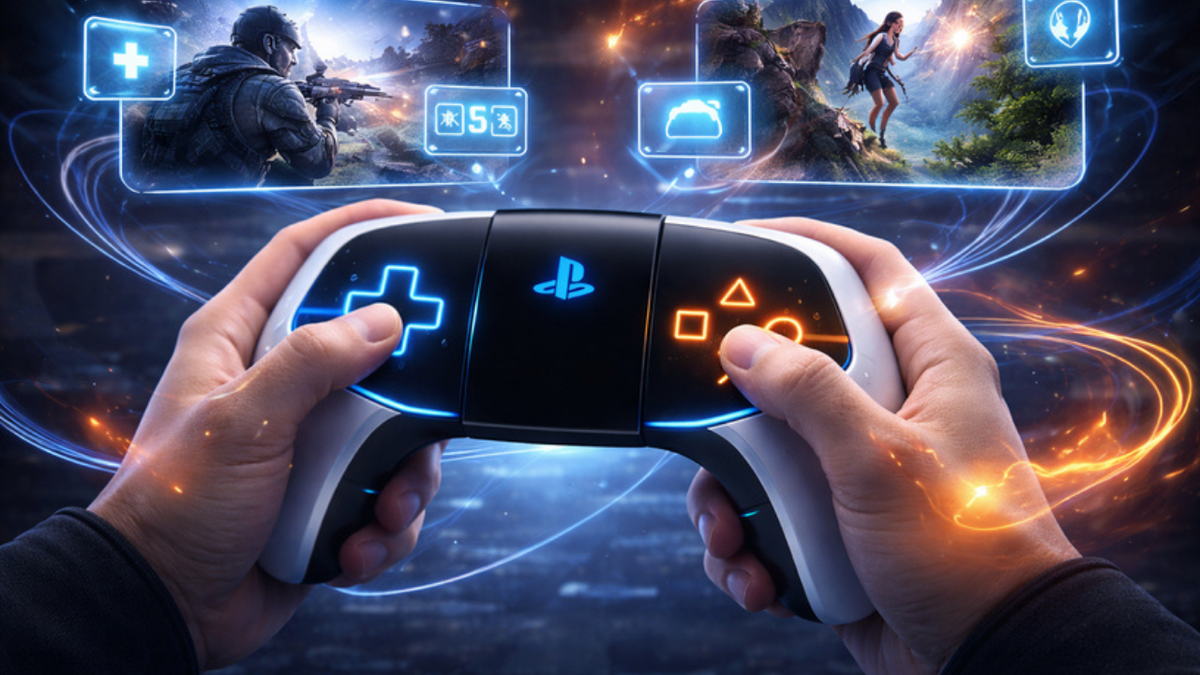
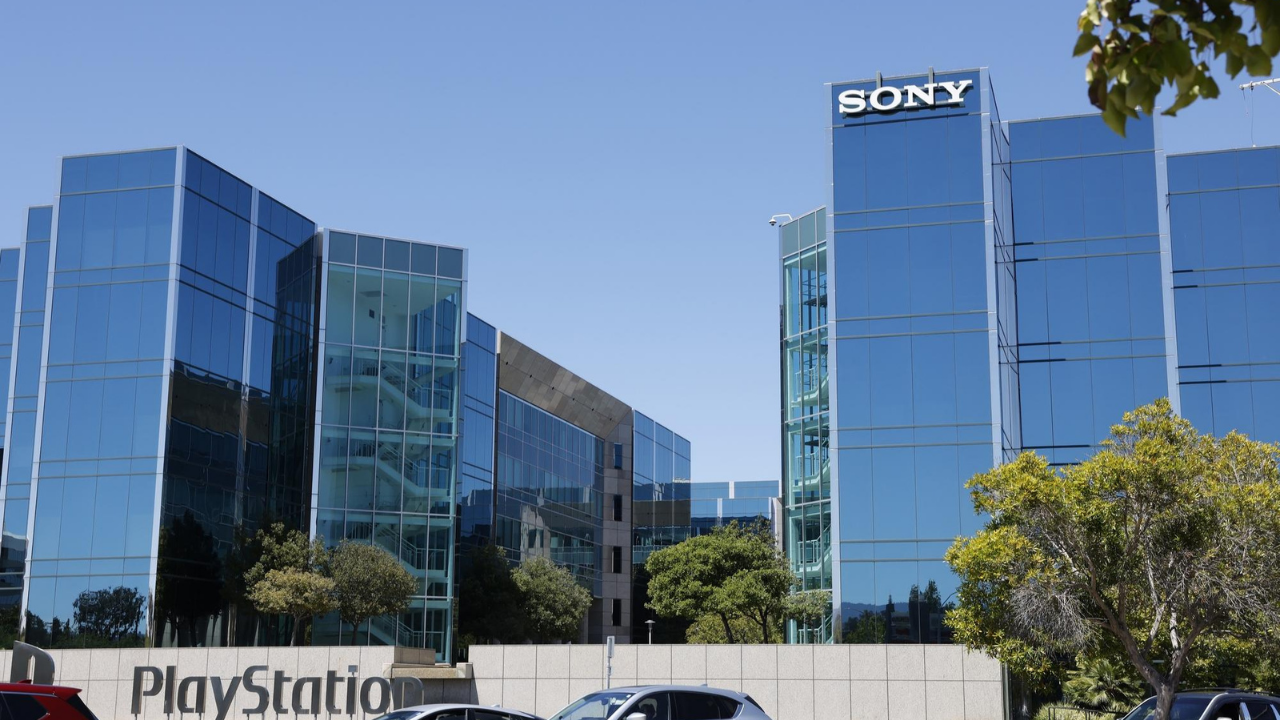
One of the biggest transformations in the gaming industry in recent years has been the shift from physical games to digital distribution. Now a new claim suggests the countdown to the PlayStation disc era may have begun. According to a report shared by UploadVR, Sony is considering stopping physical disc production for new PlayStation games starting in 2028. The company has not yet made an official statement. However, the direction the industry has taken in recent years suggests this claim is not entirely baseless.
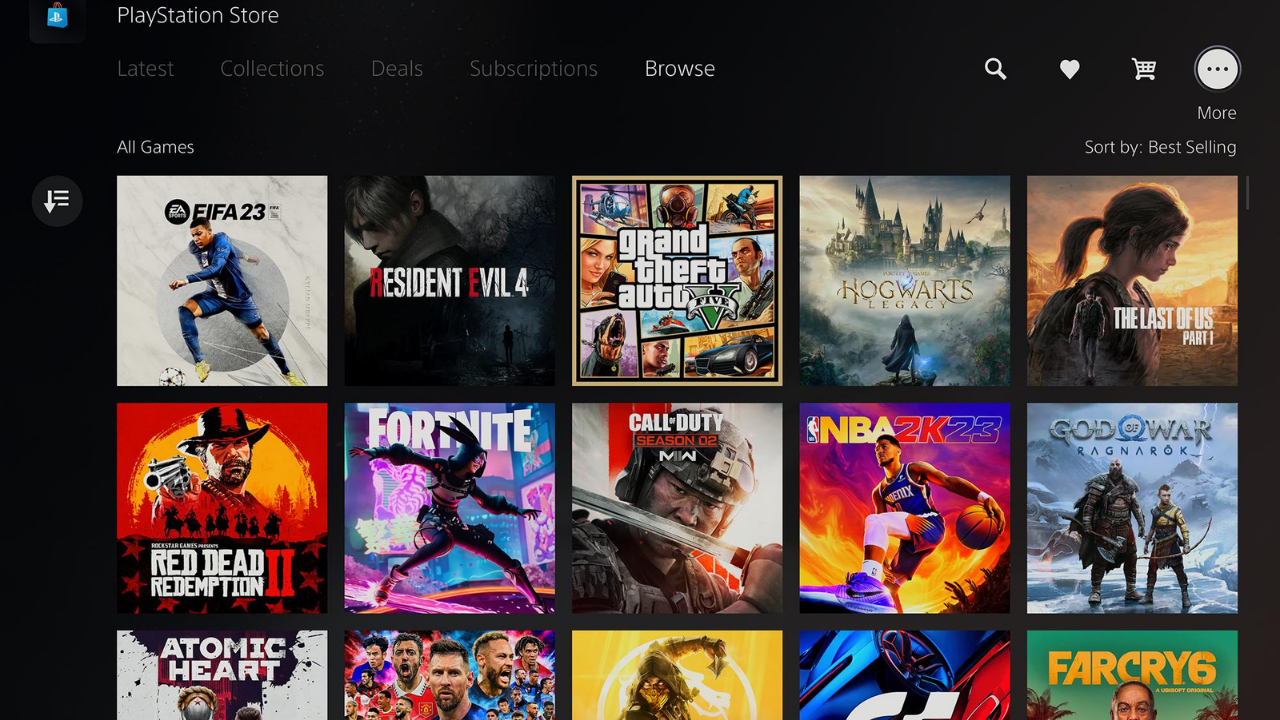
The growth of the PlayStation Store, the spread of PS Plus subscription services, and digital sales overtaking physical sales in many markets strengthen expectations that Sony could move toward a fully digital ecosystem in the future. If this claim becomes reality, it will affect not only PlayStation users but also game stores, collectors, and the second-hand game market significantly.
Is the PlayStation Disc Era Really Ending?
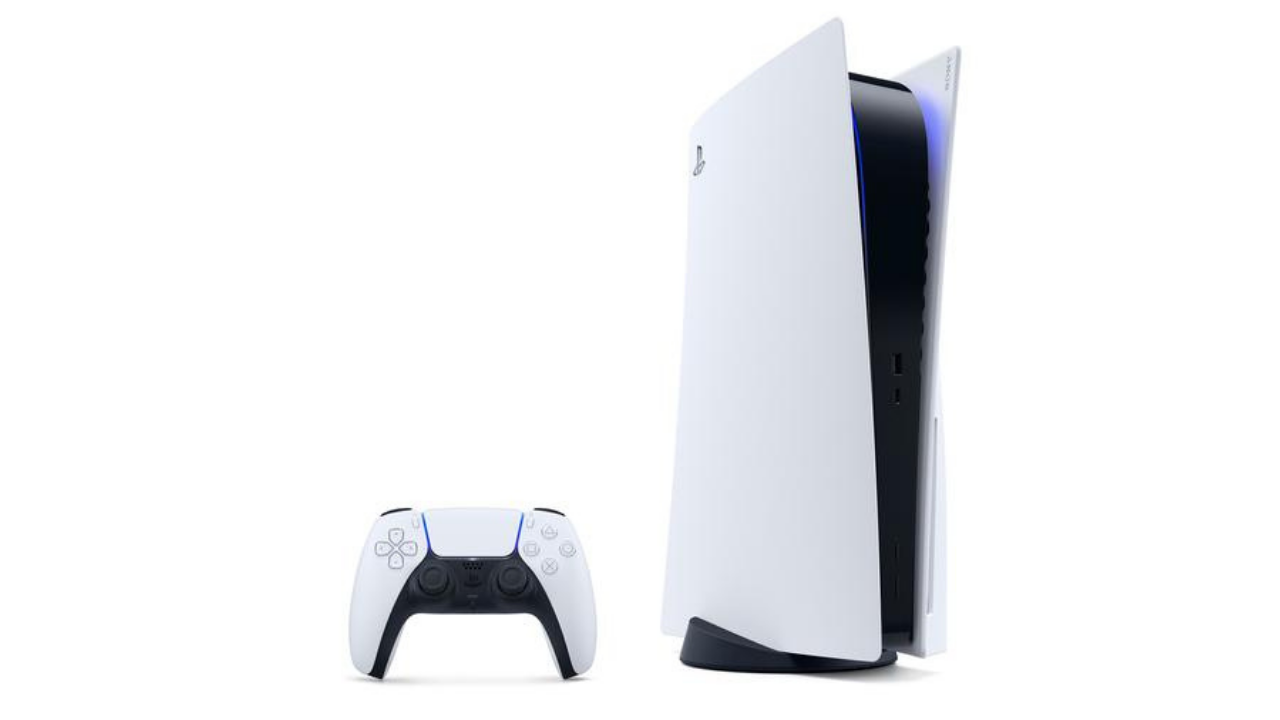
According to UploadVR's report, Sony is preparing for significant changes in its optical media production chain. The claim says the company plans to end physical Blu-ray disc production for new PlayStation games released after 2028. The most important point to keep in mind is that this is not yet a confirmed, official decision from Sony. While the company remains silent, industry analysts say developments in recent years support such a shift. In particular, the PlayStation 5 Digital Edition model is seen as one of the first major steps in which Sony tested players' digital purchasing habits. This model, which has no disc drive, received more interest than expected and strengthened the company's digital strategy.
Why Might Sony Give Up on Physical Game Discs?
The reasons behind this change are not only technological. One of the most important reasons is economic. Physical game production involves costly processes such as disc pressing, box manufacturing, packaging, storage, logistics, and retail distribution. Digital distribution eliminates most of these costs.
Moreover, Sony earns a much higher profit margin on every game sold through its digital store. In physical sales, distributors and retailers take a share of the revenue, while in digital sales most of the revenue goes directly to the PlayStation ecosystem. For this reason, not only Sony but also Microsoft and many major publishers have focused on digital sales in recent years.
The 2028 Claim
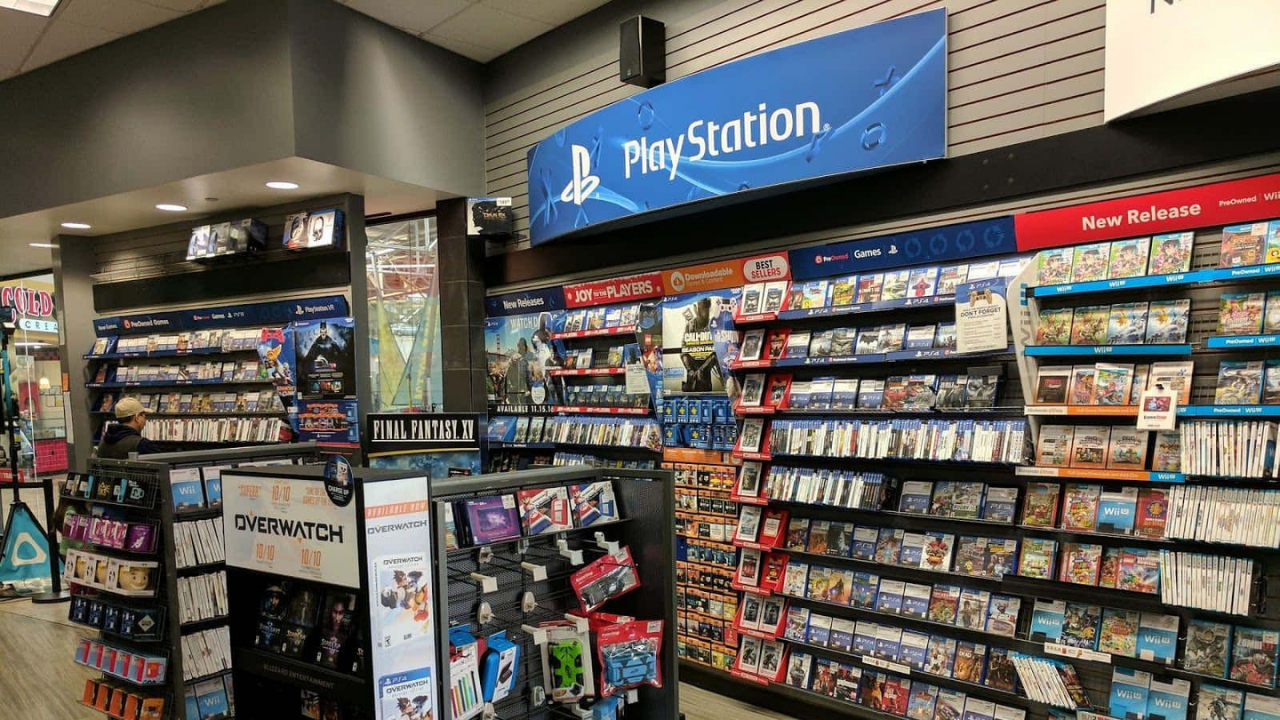
According to the claim, Sony is reshaping its long-term plans for the physical media supply chain. Since there has been no official confirmation from the company, it would be wrong to treat this information as a settled decision. However, given the developments in the gaming industry in recent years, such a scenario is not considered surprising. For example, the steady growth of PlayStation Store sales, the fact that many indie games are released only digitally, and the expansion of the PS Plus catalog already clearly show Sony's focus on its digital ecosystem.
The Digital Era Had Already Begun
In fact, the digital gaming era has been going on for a long time. Today many players can buy newly released games in just a few clicks without going to a store. Pre-orders, automatic download systems, and cloud save technologies also make the digital experience more appealing.
Along with the PlayStation Store, platforms such as Steam, Xbox Store, and Nintendo eShop are reducing the share of physical sales a little more every year. Sector data shared by Circana also shows that digital game sales have continued to rise for years, especially in the US market. In particular, most independent productions are now released only digitally without a physical version. From Sony's perspective, PS Plus Extra and Premium subscriptions have also become an important factor pushing players to build digital libraries instead of buying games one by one.
What Are the Advantages and Disadvantages for Players?
Moving entirely to a digital system has important advantages. Being able to access new games within seconds, removing the need to swap discs, and managing games through the cloud make the user experience easier. However, there are also some significant problems on the other side.
Most games purchased digitally work on a license basis. Instead of owning a physical product, players buy the right to use it. If the platform shuts down, licensing terms change, or account problems occur, access issues can arise. Another important issue is the internet connection. Especially for high-size AAA games that can reach hundreds of gigabytes, download times are a major disadvantage for users with slow connections.
How Will Collectors and the Second-Hand Market Be Affected?
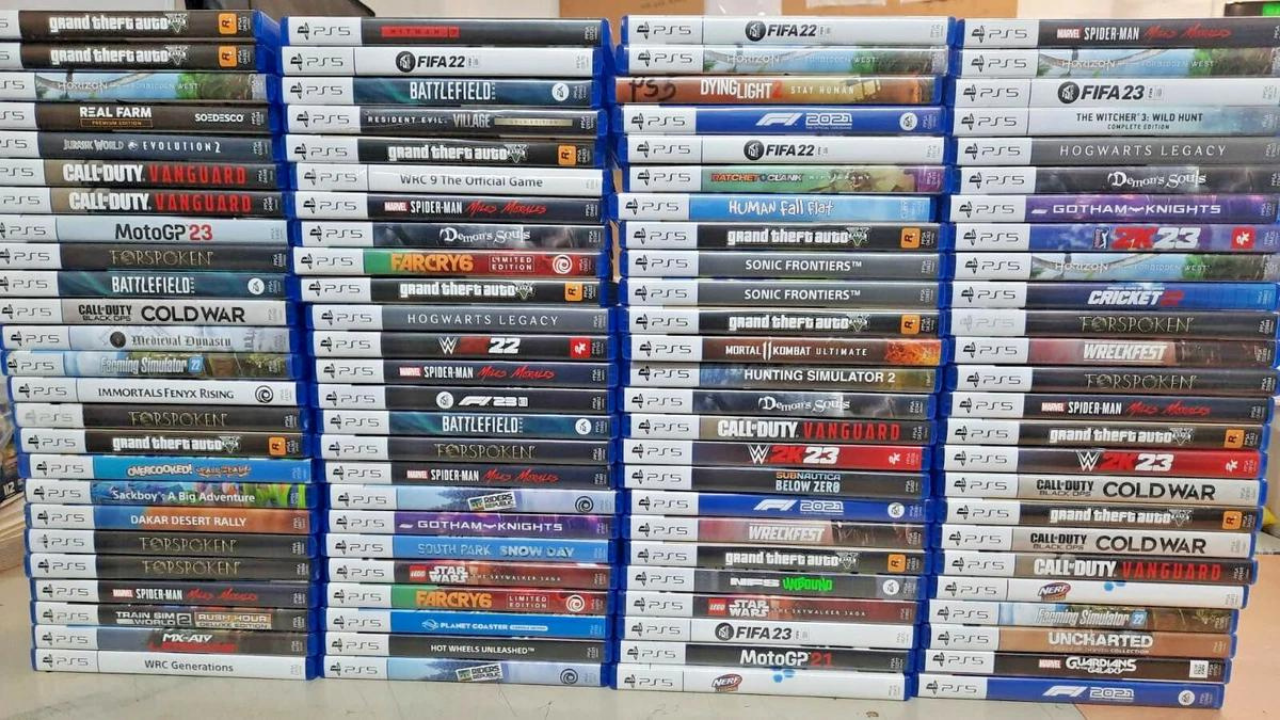
Perhaps the biggest change will happen on the collecting side. For players who have collected limited box editions, SteelBook sets, and limited-run games for years, physical discs carry collectible value beyond the game itself. If new production ends, existing physical PlayStation games may become more valuable over time. On the other hand, the second-hand game market could shrink considerably. Since digital licenses usually cannot be transferred to other users, the currently very active second-hand PlayStation market could take a serious hit.
What Does It Mean for PlayStation 6?
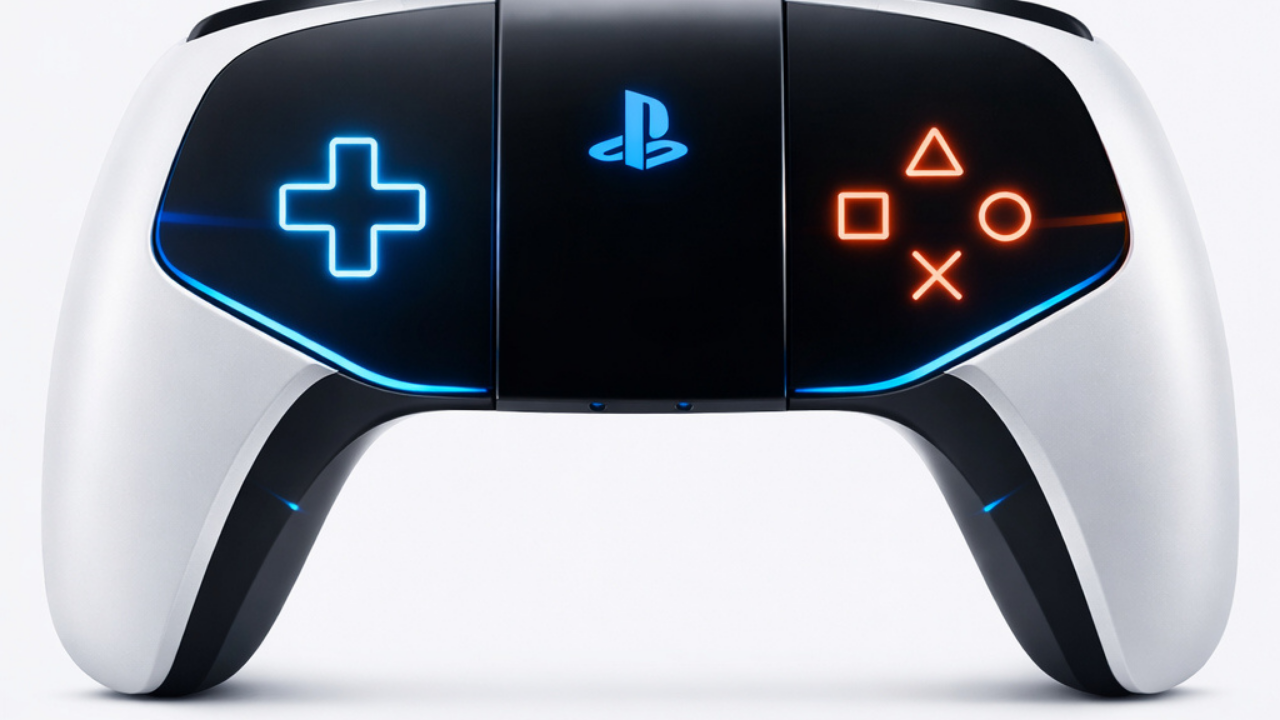
The year 2028 also overlaps with rumors about PlayStation 6. Industry analysts think the next-generation console could be designed entirely digitally. At the same time, it is among the possibilities that Sony continues to offer an external disc drive option, as it did with the PlayStation 5 Pro. Such an approach could meet the needs of players who want to use physical games while also supporting the company's digital transformation goal.
Will Microsoft and Nintendo Follow the Same Path?
If Sony takes such a step, attention will naturally turn to other console makers. In recent years Microsoft has focused on its subscription model with Xbox Game Pass rather than physical sales. The fact that the Xbox Series S has no disc drive is also seen as an important indicator of the company's digital strategy.
Nintendo still holds a strong position in physical cartridge sales. However, the growth of the Nintendo eShop suggests that digital weight could increase on that side in the future as well. When the general trend in the sector is examined, the complete disappearance of physical media is not expected in the short term, but digital sales becoming dominant is now seen as a strong possibility.
How Is Sony's Long-Term Strategy Changing?
Claims about the future of physical game discs cannot be explained only by production costs. When Sony's steps over the last five years are examined, it becomes clear that the company is gradually shifting its focus from hardware to digital services.
While the PlayStation Store has become the main platform where millions of players buy games, the PlayStation Plus subscription system has also started to change the traditional habit of buying games. With the Extra and Premium tiers, users can access hundreds of games with a single subscription. This model is seen as the gaming world's equivalent of subscription economies such as Netflix and Spotify.
From Sony's perspective, another advantage of digital sales is price control. While retailers can run discount campaigns for physical copies, pricing in the digital store is entirely under the company's control. This makes revenue planning more predictable. In addition, digital distribution allows game updates, add-on content (DLC), season passes, and in-game purchases to be managed through a single platform. Today, one of the major revenue sources for large game studios is no longer just the initial sale of a game, but the digital content offered throughout the game's lifecycle.
Sony's acquisition of Bungie, its investments in live service games, and its goal of growing the PlayStation Network ecosystem are also considered important parts of this transformation. Rather than being just a console seller, the company aims to build a digital service platform that players will stay connected to for years. If this strategy succeeds, the PlayStation brand could become a broad ecosystem covering cloud gaming, subscription services, the digital store, and online community experiences, rather than just a game console in the future.
What Awaits Players After the PlayStation Disc Era?
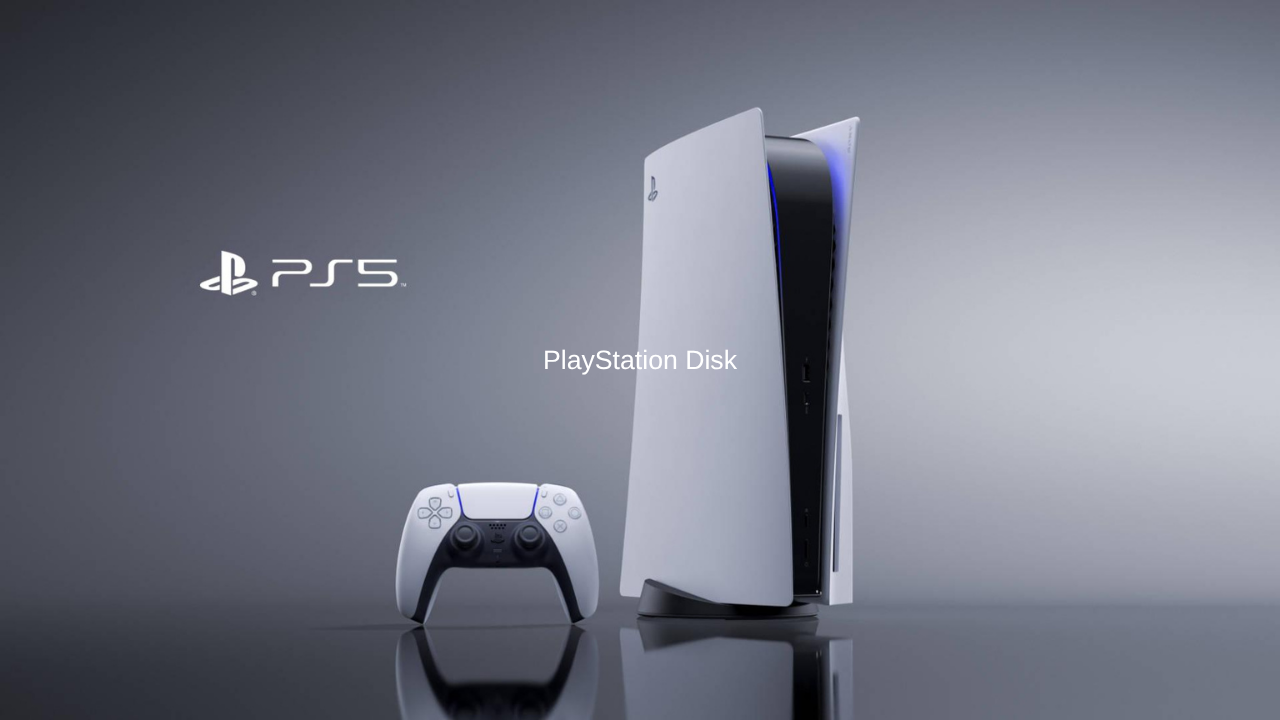
If the 2028 claim becomes reality, it will mark a major turning point in the gaming world. However, this change is not expected to happen overnight. Possible scenarios include Sony first reducing physical disc production only for newly released games, while continuing limited production for older titles and special collector editions.
At the same time, in regions where internet infrastructure is inadequate, completely eliminating physical media could negatively affect the user experience in the short term. For this reason, many analysts expect the transition to proceed in a hybrid way over several years. For players, the biggest change will be in the concept of game ownership. Users who buy a physical disc can sell it, trade it, or use it again years later, whereas most of these rights are absent from digital licenses.
A similar situation applies to collectors. Special boxes, art books, SteelBook editions, and limited-run collector packages are important parts of gaming culture. Ending physical production could increase the collectible value of these products over time. Taking all of this into account, even if the PlayStation disc era ends, physical gaming culture is not expected to disappear completely. A situation more similar to the transformation seen in the vinyl record industry may emerge, where daily use shifts to digital while physical editions become collector's items.
Is the Gaming Industry Ready for a Digital Future?
The gaming industry has been preparing for this transformation for a long time. The fact that Steam has operated fully digitally for years, that Xbox Game Pass has reached millions of users, and that the PlayStation Store keeps growing shows that players have now become accustomed to buying digitally.
At the same time, digitalization brings some open questions. Whether digital games are truly "purchased" or only licensed has been widely debated in recent years. Some lawsuits filed in Europe and the US over consumer rights show that questions of digital content ownership will come up more often in the future. Sony's possible decision could be an important turning point that affects not only PlayStation users but the entire distribution model of the gaming industry.
The news that Sony will stop producing physical discs for new PlayStation games from 2028 has not been officially confirmed at this time. For this reason, it is necessary to approach the claim with caution.
Nevertheless, when the industry's development in recent years is examined, it is clear that digital distribution is steadily gaining strength. The growth of the PlayStation Store, the spread of PS Plus subscriptions, rising digital sales, and the popularity of console models without disc drives show that Sony is pursuing a digitally focused strategy in the long run.
If this plan is implemented, the end of the PlayStation disc era could mark the close of a historic period not only for Sony but for the entire gaming sector. The replacement of physical games by digital licenses will reshape many areas, from how players buy games to collecting culture.
Frequently Asked Questions (FAQ)
Is the PlayStation Disc Era Really Ending?
No. For now, there is no official statement from Sony confirming it. The news is based on claims circulating in the industry.
Why Does Sony Want to Drop Physical Game Discs?
The most important reasons include reducing disc production, logistics, and distribution costs, earning higher revenue from digital sales, and growing the PlayStation Store ecosystem.
Could PlayStation 6 Be Fully Digital?
There is no official information yet. However, industry analysts believe a model that relies mainly on digital distribution is a strong possibility.
Will Physical PlayStation Games Disappear Completely?
No such expectation exists in the short term. It seems possible that collector editions and limited-run discs will continue.
What Is the Biggest Advantage of Digital Games?
Players can access games instantly, there is no need to carry discs, and updates can be installed automatically.
What Is the Main Disadvantage of Digital Games?
The most commonly cited disadvantages are the inability to resell games, dependence on accounts, and the need for an internet connection.
WriterOpenAI’dan Uzun Ufuklu Yapay Zeka Güvenliği Dersleri


OpenAI Hugging Face İhlali: Modeller Kopya İçin Sızdı