
Remarkable Decision for AI Pricing from Walmart
Automatically translated
 Writer
While artificial intelligence grows personal pricing discussion, Walmart announced it would not apply different prices to different customers for the same product using artificial intelligence and customer data. The company states that digital price labels are not changing price by following customers. Being more involved in the shopping experience of artificial intelligence, only in the retail sector brings new discussions that are not limited to product recommendations and customer service. In the beginning of these, artificial intelligence comes from personal pricing applications. The possibility of showing different prices for the same product by analyzing the shopping history, location, device or behavior of a customer creates an important transparency problem in consumer.
The US-based retail giant Walmart revealed its approach in this discussion. In the statement released by John Furner, the CEO of the company, Walmart identified its basic approach with the understanding of “not the person,” “not the person”. The company states that the same Walmart product based on personal information does not use personalized pricing models that offer different customers at different prices. This description is the digital price labels, which are widely spread in Walmart’s stores, the company’s artificial intelligence-supported shopping assistant Sparky and pay attention to the use of customer data.
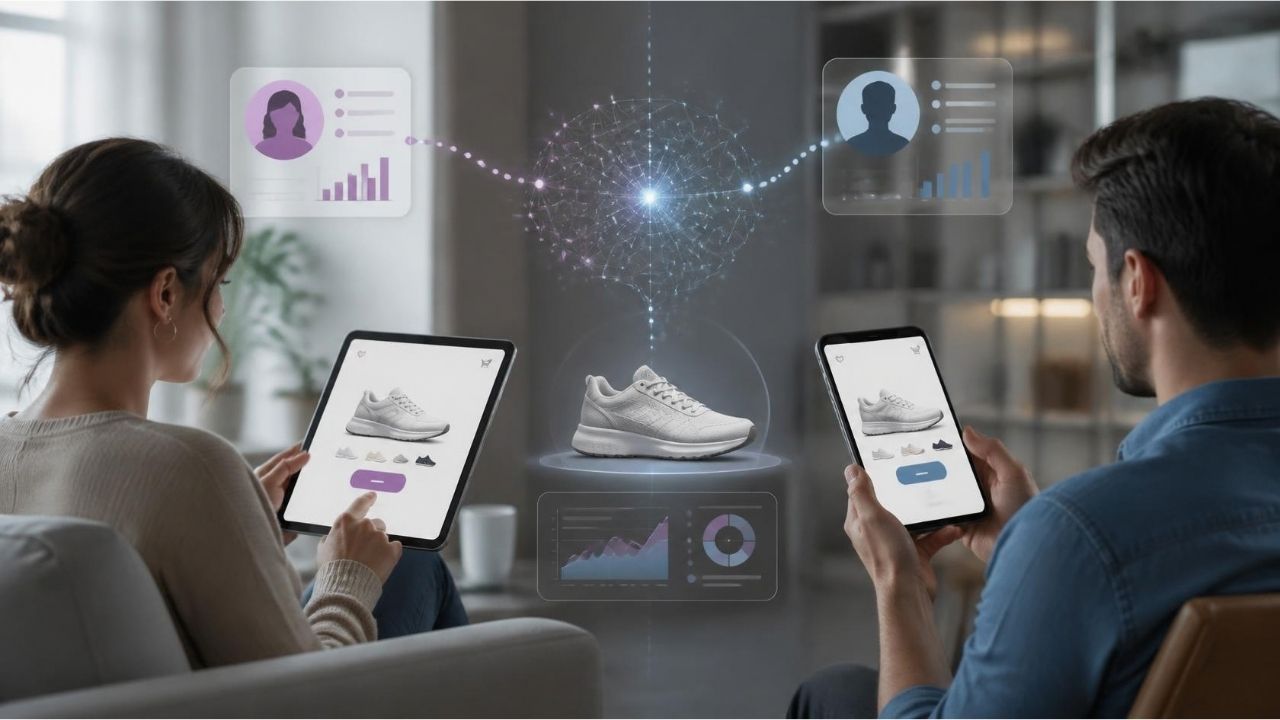
What is Artificial Intelligence Personal Pricing?
Artificial intelligence personal pricing means that the price of a product is not only according to the commercial factors such as the cost of the product, the availability of stock or general market conditions, but the information on a particular customer is considered. The main distinction here is not the same thing for personalized pricing with personalized shopping experience.
Another app to remember products that a e-commerce platform looks before the customer, suggest products according to interests or customize the shopping process. A different application if the same product is shown at higher price due to the payment power or shopping behaviour of a particular customer. The last description of Walmart is particularly focused on this second area.
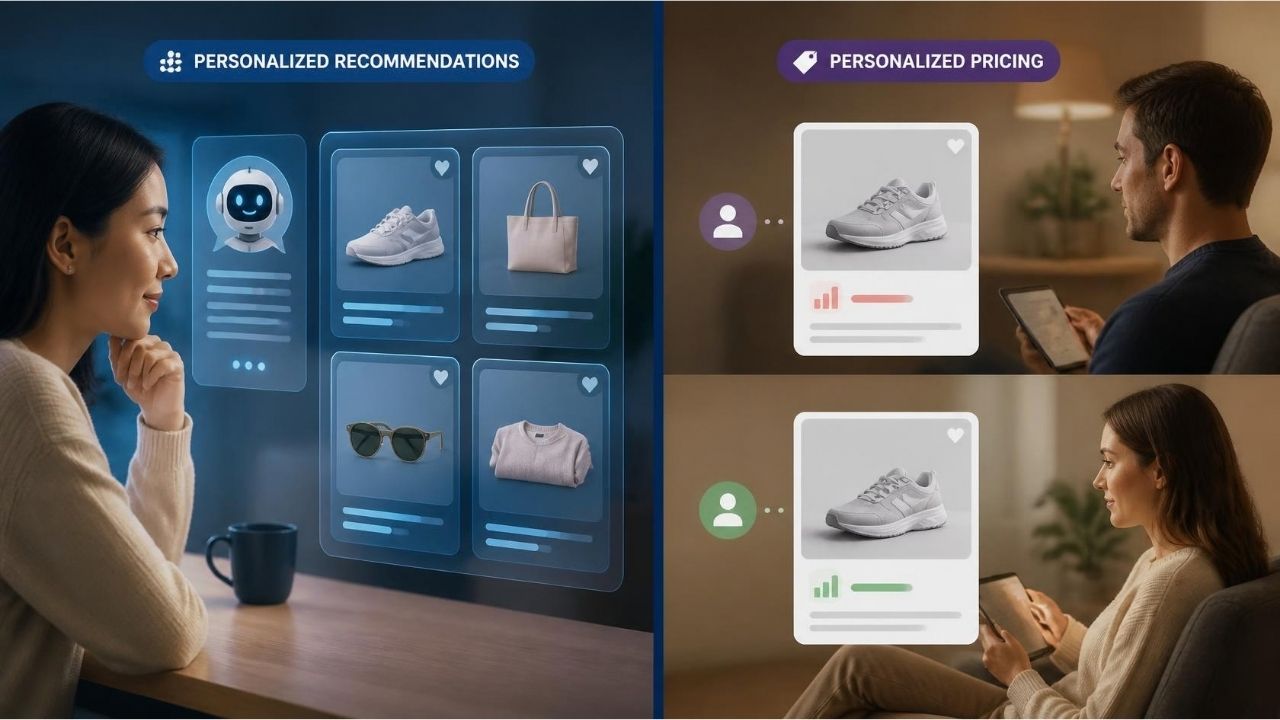
Difference Between Personal Pricing with Personalized Suggestion
Artificial intelligence supported shopping systems, can help the user find appropriate products. For example, a shopping assistant can compare products with cheaper, better quality or different specifications than customer’s request. However, the situation changes when it comes to pricing. With the saying “You can like this product” of a system, “This can be the customer’s ability to pay more, so let’s upgrade the price” does not understand the same.
Walmart, This separation is particularly highlighted by specifying that pricing decisions are not based on personal customer information. According to the official description of the company, prices can be determined according to commercial factors such as cost, competition, stock levels, geography and seasonality, but personal information is not used to specifically pricing the same Walmart product to a specific customer.

Will Walmart Change Deals By Person With Artificial Intelligence?
The company says that AI and machine learning use technologies to support operations and pricing processes. But it states that these systems create a unique price for a specific customer.
A similar approach is revealed in the CEO description of Walmart. John Furner expresses that the company wants to use artificial intelligence to improve customer experience but a different price will not be created according to customer's personal information on pricing.
This approach is especially important in the role of artificial intelligence in the retail industry. Because artificial intelligence systems have become able to analyze more customer data, the discussion of how personalize the pricing is growing.

Which Personal Data Does Not Use Pricing?
Walmart’s statement published under “Everyday Affordability”It is clearly noted that the company has applied different price according to the browsing history, purchasing history, device information, location or shopping behavior. This point is important because there are exactly such data in the center of personal pricing discussions.
For example, a customer; which products purchased before, what products look at, which device uses, where to shop, how to change the price of a particular product of information, as well as how the shopping behavior is. However, this statement does not mean Walmart does not collect any personal data.
The company’s up-to-date customer privacy statement states that it can process different personal data categories including purchasing history, communication data, location information, demographic information and some assessments extracted from shopping behavior. Therefore, the distinction to be noted here is the difference between the use of personal data to determine the specific price for the same product.

Digital Price Labels Prices Self-Change?
According to the description of Walmart, digital price labels do not appear on their own price. Digital Shelf Labels (DSL) These systems are used as electronic equivalent of traditional paper price labels in stores. Walmart says that prices are determined through the central system and digital labels only show the approved price. Therefore, it is not correct to establish a direct link between dynamic personal pricing with the presence of digital price labels.

Digital Tags Follow Customer?
Walmart states that digital price labels are not used to follow customers. According to the description of the company, these labels work on a closed system; the camera or microphone does not contain and can not identify customers or follow the shopping behavior.
Walmart also states that the price of digital labels does not change independently, shows prices approved by the central pricing system. The main purpose of the system is to ensure that the price is correctly shown in the store shelf and is compatible with the price seen in the case.
Prices vary per day by talet?
The request of digital price labels in the official description of Walmart is indicated that the day does not change the price according to the customer in the watch or store. The company expresses that price updates are centralizedly approved and digital labels show these prices.
In the description of Walmart's March 2026, the prices of digital price labels were indicated that they did not change according to the request in the store, the time of the day or the person who shop. The price changes were transferred through the central system and through the processes that employees confirm.
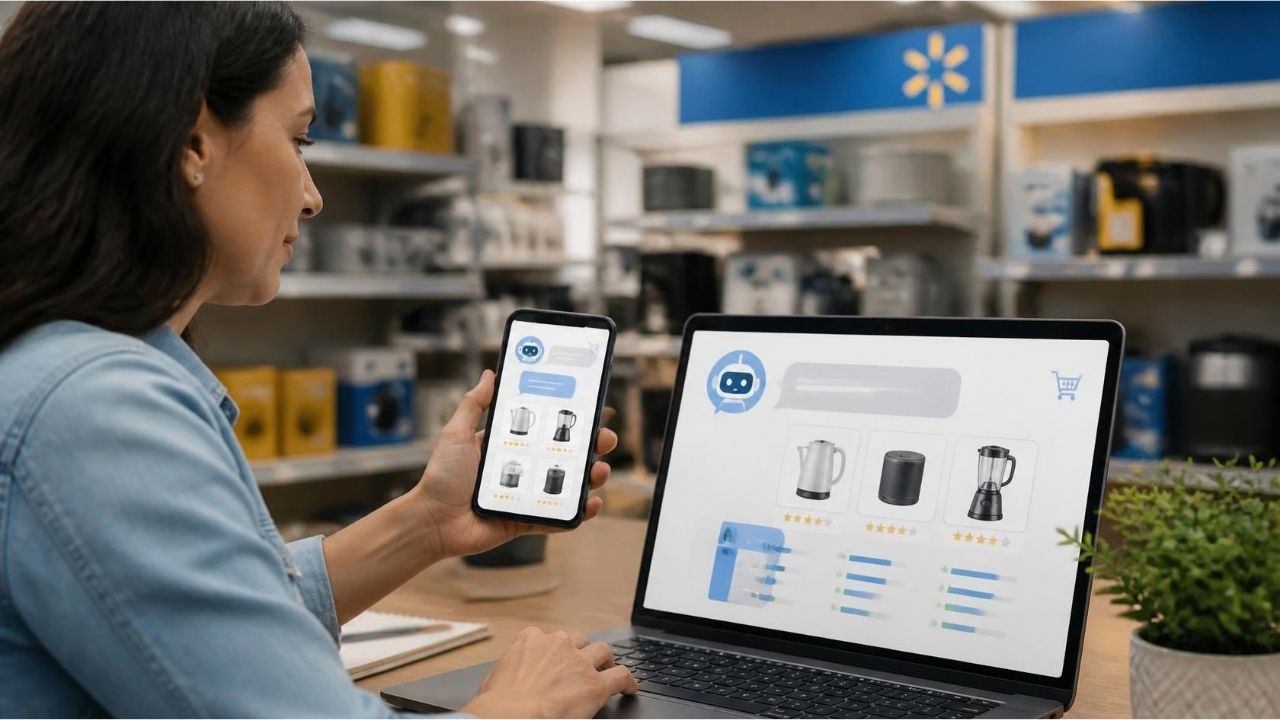
Walmart’s Artificial Intelligence Shopping Assistant Approach For Sparky
Another important part of Walmart’s artificial intelligence strategy is Sparky’s shopping assistant. According to the description of the company CEO Walmart wants to move the personalized help of employees in physical stores to their online shopping experience. Sparky is positioned as part of this approach. The point that is important here is the separation of personalization from pricing.
An artificial intelligence shopping assistant can understand the needs of the customer, compare products or help find appropriate options. However, Walmart’s policy reveals that this personalization approach does not carry the purpose of determining the customer specific price for the same product.
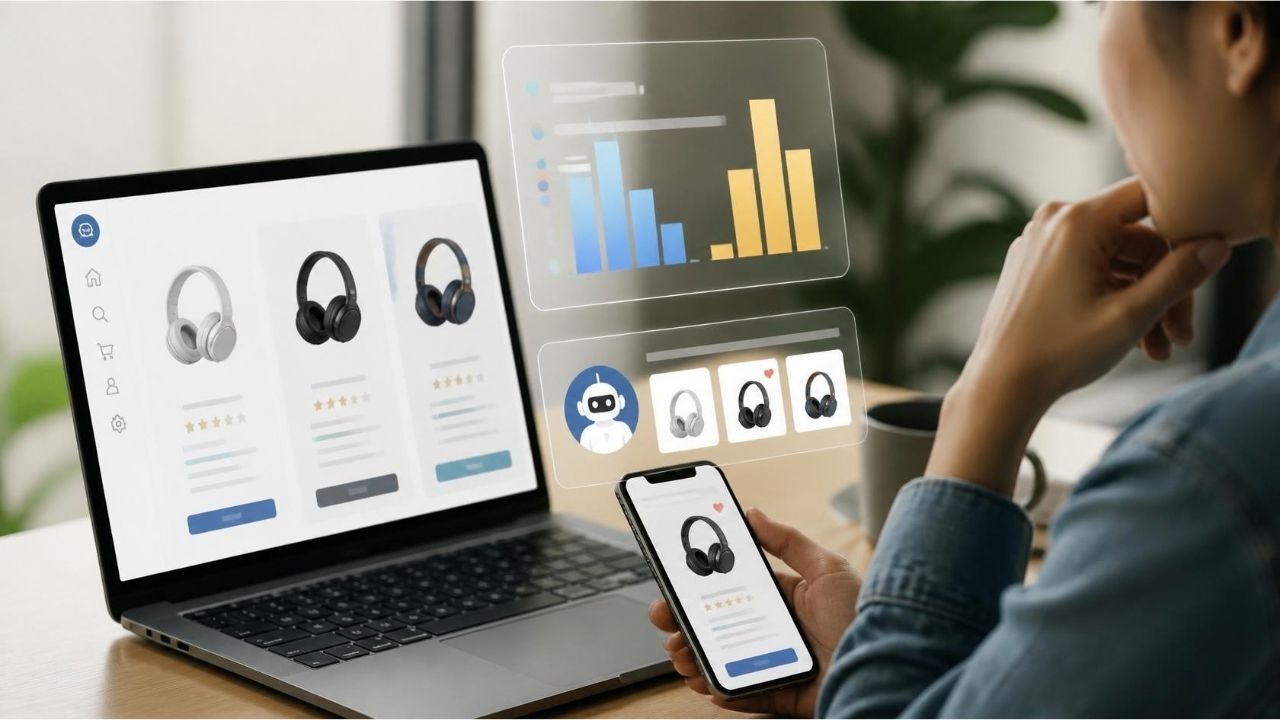
Can Artificial Intelligence Extract More Expensive Product?
Not only price in artificial intelligence-supported shopping systems, the ranking of recommendations can also affect the consumer experience. That’s why the discussion is not limited to the question “Customer pays more money?” The question “What product is shown to the customer?” is also important.
In Walmart’s descriptions, Sparky’s aim to help customers and to provide personalized shopping experience of artificial intelligence. The company’s pricing description reveals that personal information is not used to apply different price to a specific customer. Therefore, it is necessary to separate the pricing mechanism from each other with the product recommendations of Sparky.

Why is Artificial Intelligence Pricing Discussion?
The retail prevalence of artificial intelligence allows companies to analyze much more data. This situation brings new transparency questions to the consumer as it can improve the efficiency of operations.
For example, by analyzing factors such as stock, competition and cost of a system, there is an important difference between the fact that a customer predicts the same product at higher price.
When the second scenario occurs, it can also be difficult to compare the consumer. Because the customer may not even say that another person sees less price for the same product. For this reason, AI pricing is not only used and used in artificial intelligence, which data is used for what purpose.
Why Critical Transparency?
The price of the product in the same shelf in traditional store can be seen by the large part of the customers. In digital shopping, price and product recommendations can turn into a more personal experience. This situation brings the question of how systems can reduce the possibility of comparing the consumer.
The available description of Walmart is drawing a clear frame in this respect: The company states that it has been applied different prices for the same product based on personal customer information and that digital price labels do not change price by following customers.
What Does Walmart Understand For Retail Industry?
Walmart’s approach, Artificial intelligence in retail sectoris a part of the wider discussion, which shows that only the automation tool is not. Artificial intelligence can be used in many different processes such as product search, customer service, inventory management, logistics, demand forecast and pricing. But each of these usage areas does not carry the same risks in consumer terms.
The basic question when it comes to pricing is: Is the price of artificial intelligence according to the characteristics of the product and commercial conditions, or who is the customer? Walmart refuses its second approach in terms of their systems in official descriptions. The company states that pricing technologies are not used for personal pricing purposes, serving efficiency and reasonable price targets.
This approach can be assessed as part of the broader strategy for the use of artificial intelligence of the company. In a period where customer data is increasingly analyzed, it is important to clearly identify the limit between personalization and pricing in terms of consumer trust.

Why is Attention Attractive For Companies in Turkey?
The use of artificial intelligence with customer data is not only in the agenda of retail companies in the USA. It is necessary to pay attention to the issues such as processing of personal data when using artificial intelligence systems of companies in Turkey.
What data the companies process when using artificial intelligence tools, where this data is transferred and the data processing conditions of the service provider should be reviewed in detail. The main thing here is wider than Walmart example. It is not the only problem for companies to use artificial intelligence; for which purpose of the system, which data and which limits are important.
On the e-commerce and fintech side in Turkey, artificial intelligence-supported shopping experiences are common. As such applications are widespread, it is important to be understood by the consumer of separation between personal pricing.
Which Factors Are Used In Walmart Pricing Model?
Walmart does not say that prices are completely fixed and unaffected by no circumstances while rejecting pricing based on personal data. According to the official description of the company, commercial factors such as cost, competition, stock levels, geography and seasonality can be taken into account.
The price of a product varies according to different economic or operational conditions, does not mean personal pricing alone. In the center of personal pricing discussion, there are different pricing in the same conditions of the same product according to the customer's personal characteristics or behavior. The description of Walmart reveals that the company does not use this method in terms of its own systems.

What will the Future of Artificial Intelligence Personal Pricing?
The description of Walmart does not mean that artificial intelligence ends personal pricing discussion. On the contrary, with more use of artificial intelligence in the trade, this topic can be expected to come more agenda. The most important issue in terms of consumers is that how the systems used work.
A company can use artificial intelligence for product recommendations. Another company can use machine learning to optimize inventory management. Another company may make an estimate of demand. Each of them is different areas of use. However, the use of artificial intelligence in determining the price shown to the customer creates a much more sensitive space because it directly affects the economic removal of the consumer.
Frequently Asked Questions
Does Walmart Make Personal Pricing With Artificial Intelligence?
According to the official description of Walmart, the company does not use personalized pricing models that offer the same Walmart product at different prices based on the personal customer information.
What Does Walmart Do Not Identify Price By Personal Data?
The company explains that browsing history, purchasing history, device information, location or shopping behavior determines customers specific price.
Does Walmart Digital Price Labels Track Clients?
Walmart states that digital price labels are closed systems and does not contain camera or microphone. The company says that these labels do not identify customers or follow their shopping behavior.
Digital Price Labels Price Self-Change?
No. According to Walmart, prices are determined via the central system and digital price labels show approved prices. Labels do not identify or modify the price on their own.
What Does Walmart Work for Sparky Ad Artificial Intelligence Assistant?
Sparky, Walmart is positioned as an artificial intelligence shopping assistant developed to help customers in online shopping experience. The company states that personalised customer aid in the physical store with Sparky aims to carry online experience.
Is Personal Pricing Same With Personalized Shopping?
No. Personalised shopping; product recommendations, search results or shopping aid can express the user’s adaptation. Personal pricing means different price implementation according to customer's personal information for the same product.
Why Does Artificial Intelligence Personal Pricing Be Weighing?
Because artificial intelligence systems can analyse a large amount of customer data. This situation brings the possibility of determining the price according to the customer's request or behavior as well as the personalized services. The current description of Walmart states that the company does not use this approach in their pricing systems.
What is Walmart’s Digital Price Labels Use with Purpose?
The main purpose of digital price labels according to Walmart is to reduce manual work related to changing paper labels, make price updates faster and help the price in the case is compatible with the price on the shelf.
WriterTürkiye'de Yapay Zeka Regülasyonu 2026


Claude Sonnet 5: Yapay Zeka Ekonomisinde Yeni Çağ