RoboCup 2025 Humanoid Robot Games
Automatically translated
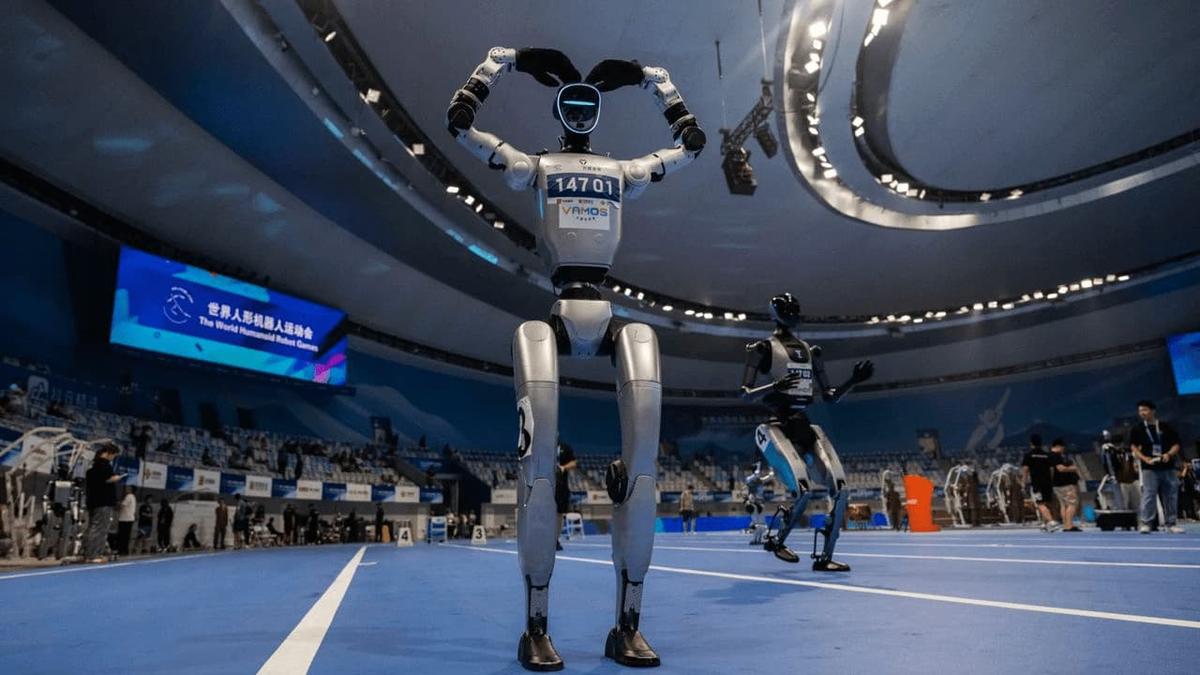
RoboCup 2025, held in Beijing, hosted the first Olympic-style gathering of humanoid robots in history. Hundreds of teams from 16 countries took part in the event, which featured soccer, athletics, martial arts and task-based competitions.
Opening Ceremony: A Show of Technology
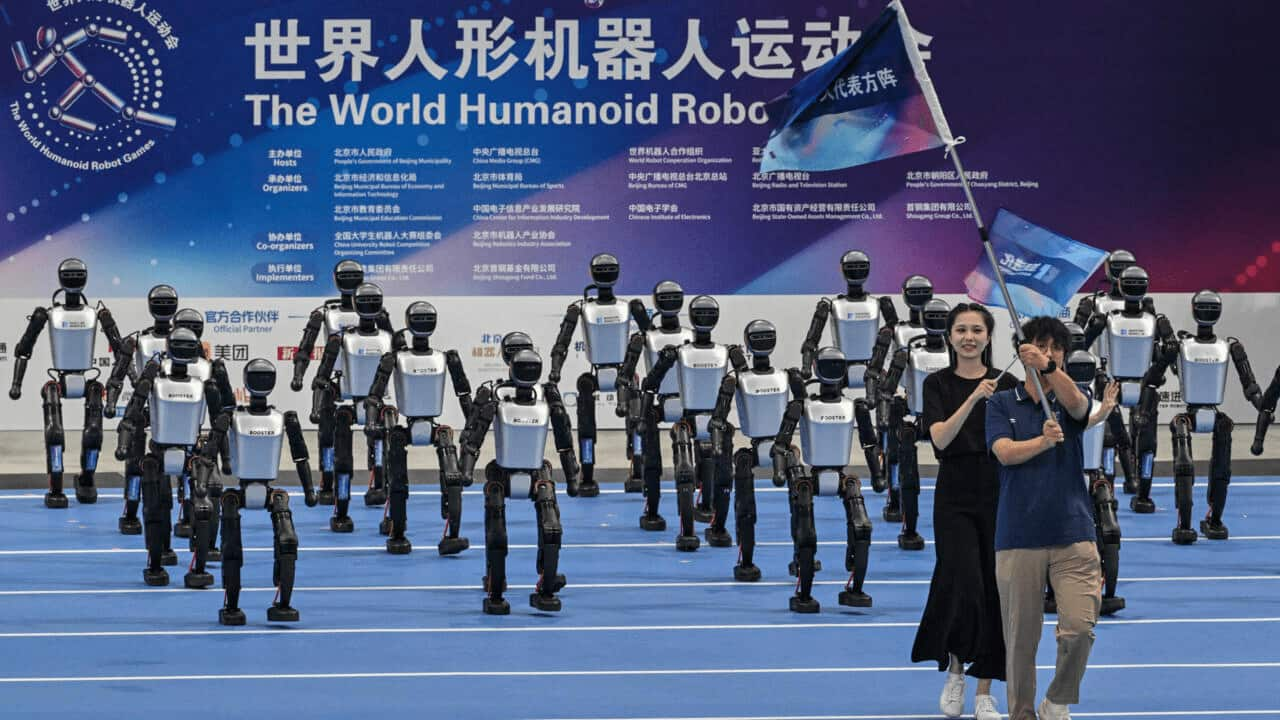
The opening ceremony, held in Beijing, China, on August 14, 2025, was not only a sporting event but also a technology show. Robots that danced, played the guitar and demonstrated martial arts took the stage, while the audience knew they were witnessing history. As highlighted on the official page of the organization, RoboCup 2025 was not just a competition but also a turning point where the boundaries between humans and machines are becoming increasingly blurred.
Countries and Notable Teams at RoboCup 2025
RoboCup 2025 featured 280 teams and more than 500 humanoid robots from 16 countries. A significant share of the teams came from universities, research centers and technology companies. According to Reuters, more than 20 countries were officially represented, led by Japan, South Korea, Germany, the United States and China, and this level of participation showed that humanoid robot games have become a global technology stage.
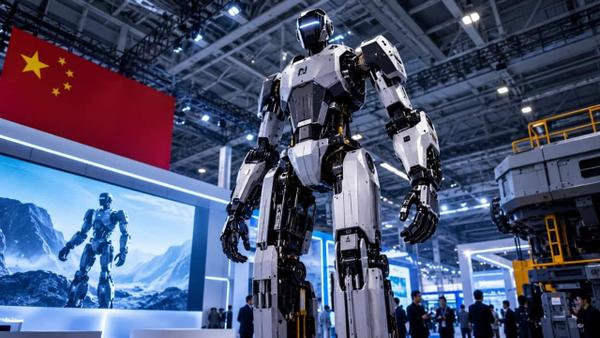
Japanese and South Korean teams stood out in martial arts and athletics, while US and European teams delivered strong performances in soccer and task simulations. China entered the field with its T1 robot, sending both a technological and a strategic message. The participation of universities and technology companies showed how robotics research is supported by collaboration between academia and industry.
Competition Categories: Soccer, Athletics and Task Simulations
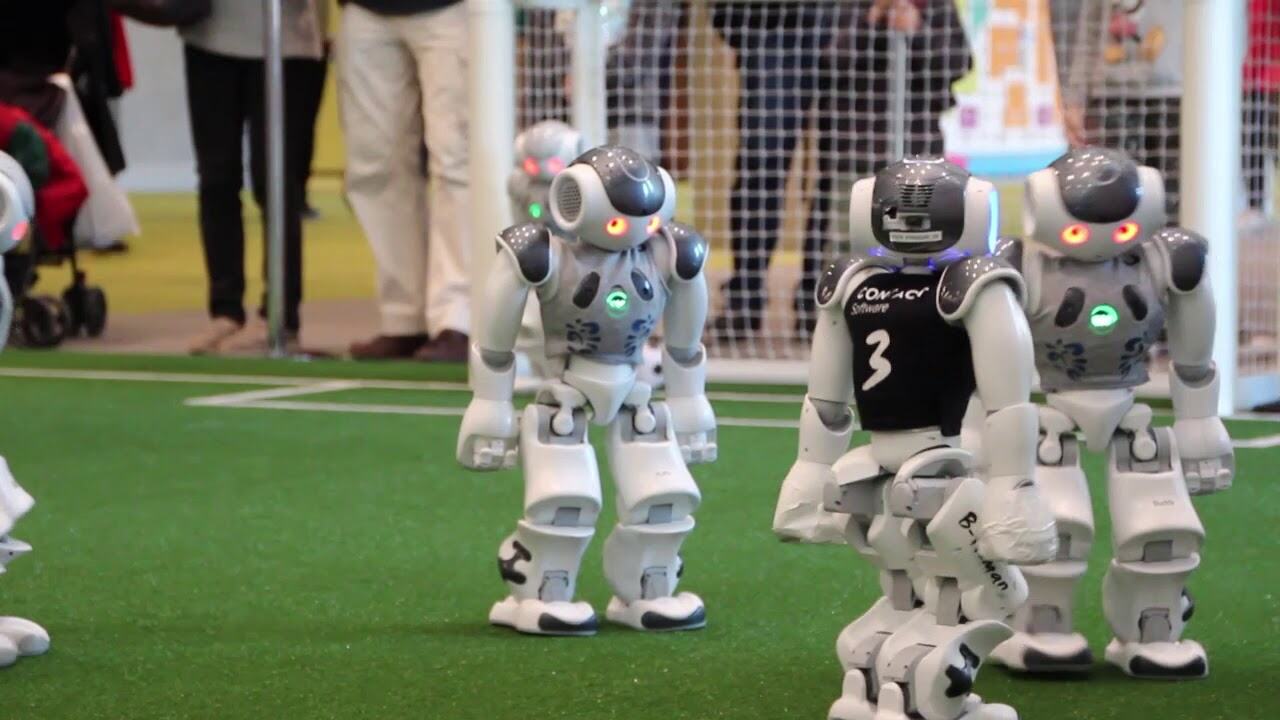
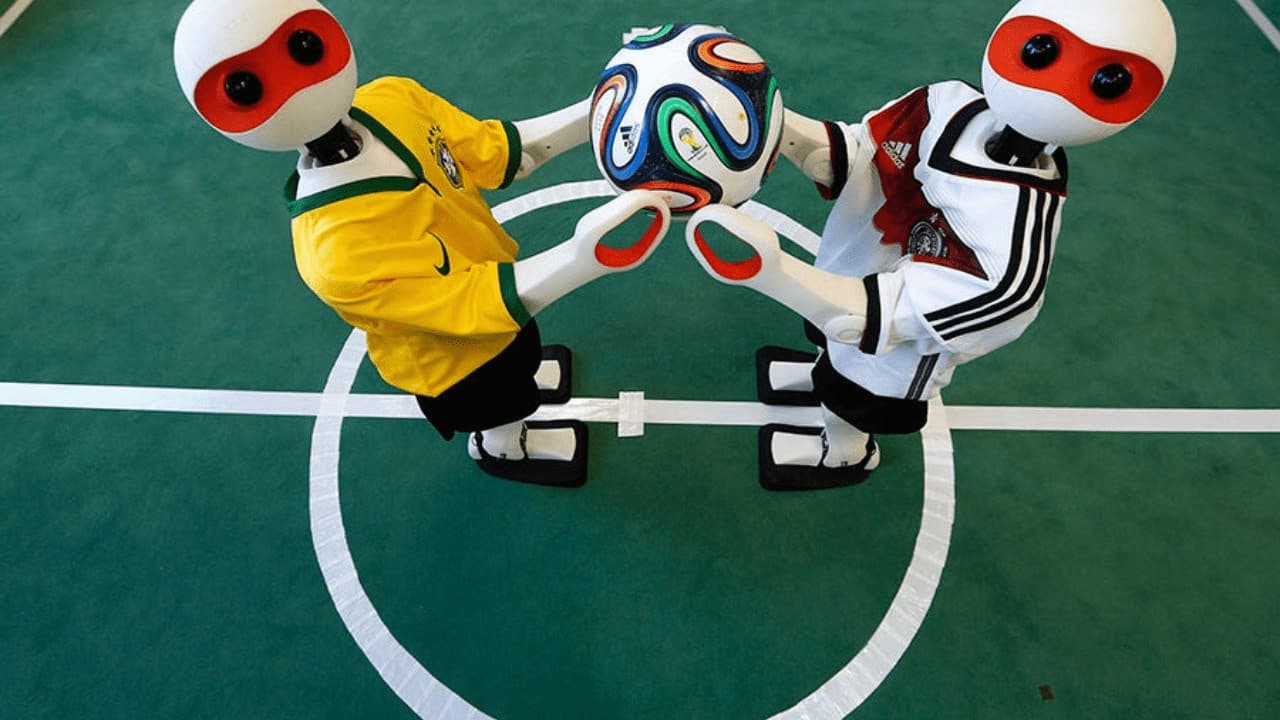
One of the most popular categories at RoboCup 2025 was soccer. Matches between humanoid robots offered moments that were both entertaining and engineering-wise challenging. According to the official announcement of the organization, in addition to soccer, the event included athletics, martial arts, obstacle courses and task-based competitions.
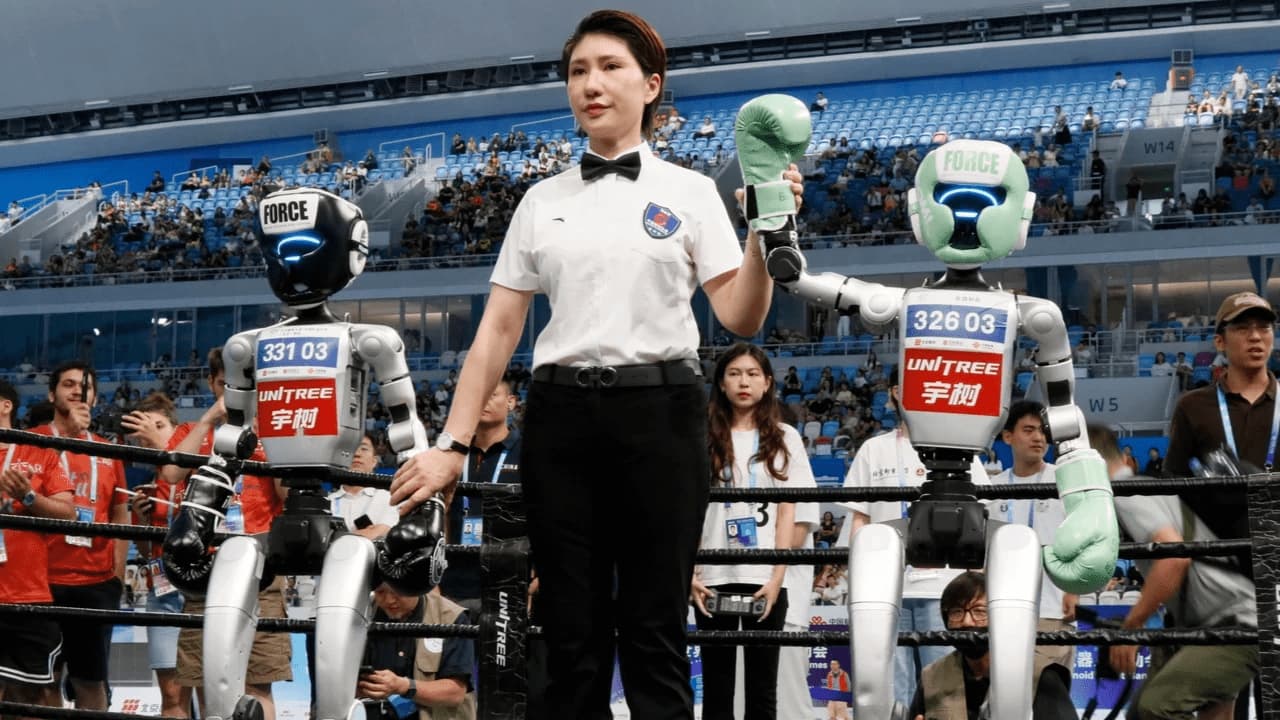
Task simulations drew particular attention. In this category, robots mimicked search-and-rescue operations to demonstrate their ability to save human lives. The goal of these competitions was not only entertainment but also to encourage the development of technologies that could be used in disaster zones in the future.
History and Development of RoboCup
RoboCup events were first held in Japan in 1997. Initially limited to robot soccer, the tournaments expanded over the years to cover humanoid robot categories, rescue missions and performance demonstrations. Each year's tournaments allowed universities and research centers from different countries to showcase their capabilities. This development turned RoboCup into more than a sports event, making it a global robotics laboratory.
The main goal of RoboCup's history has always remained the same: "By 2050, to have humanoid robots that can beat the human FIFA World Cup champion." Since 1997, RoboCup events have continuously evolved in line with this vision. Holding humanoid robots at the center of a separate Olympic-style event in 2025 shows that this vision is becoming more concrete.
For researchers from universities, RoboCup is a testing ground as well as a competition. Critical engineering problems such as artificial intelligence algorithms, motion planning, object recognition and balance control are being tested in these games with solutions that could be applied in the real world.
China's Strategic Position
Hosting the event in Beijing is seen as part of China's goal of global technology leadership. In recent years, China has made significant investments in artificial intelligence and robotics.
For example, last July, Chinese tech giant Alibaba competed with Meta at the Shanghai AI Summit by introducing its first AI-powered smart glasses, Quark AI. Hosting this event carries not only a technological but also a political message. According to Euronews, Chinese officials described the organization as "a scientific collaboration serving the common future of humanity."
Where Humanoid Robots Meet Sport
Humanoid robot games showed that sport is not exclusive to humans. In athletics, running, hurdling and endurance courses stood out, while martial arts demonstrations drew great interest from spectators. The robots' coordination, balance systems and reflexes were tested in these categories. Teams from Japan and South Korea in particular delivered notable performances in martial arts.
Why the "First Ever" Label? What Sets RoboCup 2025 Apart
The reason RoboCup 2025 is described as the "first ever" is that it differs clearly from previous tournaments. Earlier RoboCup events (since 1997) mainly focused on specific areas such as robot soccer or rescue missions. The 2025 event, however, took place in an Olympic-style format covering fully human-like robots. |
By bringing together different disciplines such as dance, athletics, martial arts and task-based simulations, the event allowed humanoid robots to demonstrate their versatile abilities. |
The scale of participation was also far larger than in previous years: 16 countries, 280 teams and more than 500 robots took part on the field. This number shows that the event has become a global technology and sports stage, not just an academic tournament. |
In addition, while earlier RoboCup events were mostly limited to soccer and rescue tasks, the 2025 event presented a multidimensional show by bringing together sports, performance and daily task simulations. |
Industry and Vision for the Future
RoboCup 2025 was not only a sports event but also a laboratory that shaped the industry of the future. The use of humanoid robots across many sectors, from automotive and healthcare to logistics and security, was discussed. At the event, which also attracted strong interest from technology giants and investors, talks were held on new collaborations.
According to experts, events like RoboCup 2025 herald a future in which humanoid robots will play a bigger role in everyday life. These developments are accelerating societies' adaptation to robotic technologies while also raising ethical debates.
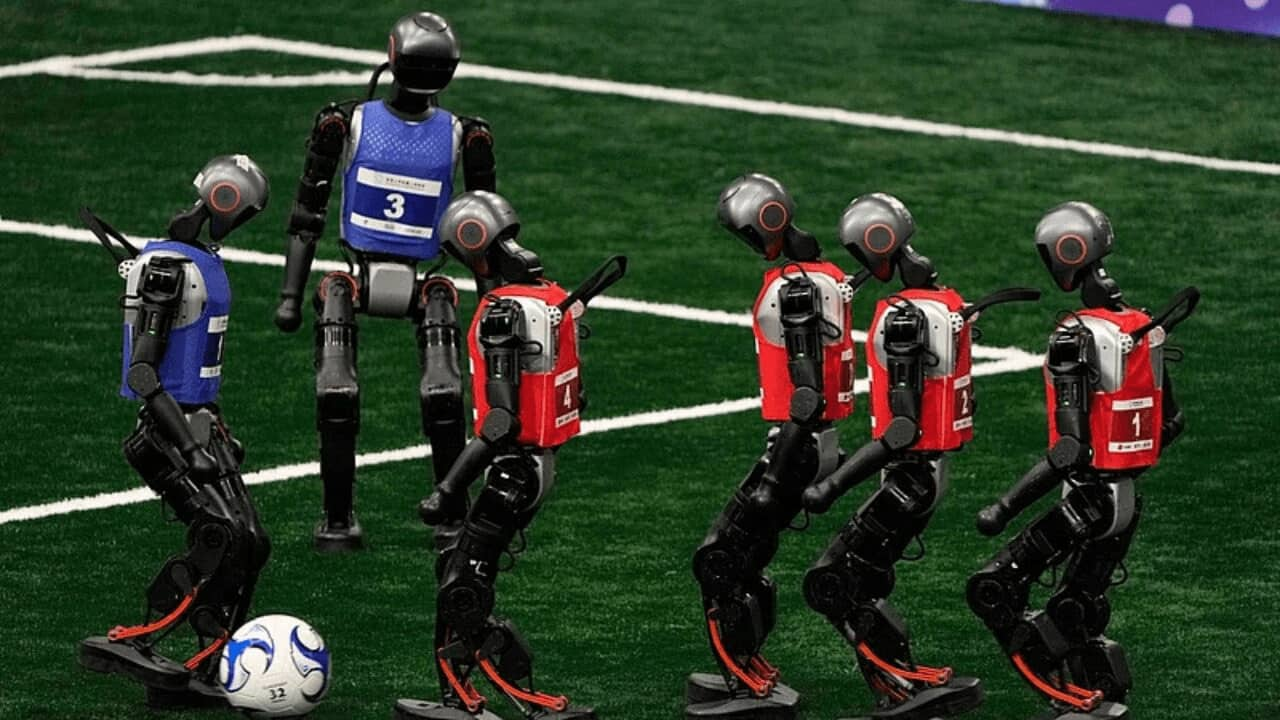
RoboCup 2025 also showed how interaction between people and machines can be made more natural. The communication robots maintained with spectators during the competitions, along with their human-like movements and gestures, were among the most notable details of the event. This suggests that humanoid robots are positioned not only as functional machines but also as social entities.
Looking Ahead: The 2050 Goal
RoboCup's ultimate vision is for humanoid robots to take the field against human football champions by 2050. The step taken in 2025 became one of the most important milestones on the road to this goal. The academic and technological outputs of the organization will give momentum to artificial intelligence and robotics work in the coming years.
Vergi Denetiminde Dijitial Dönüşüm: Kurgan


Yapay Zekanın Ergenlik Testi: İnsanlık Bu Gücü Kaldırabilir mi?