Cloud Based 5 Application Used For Voice Recognition
Automatically translated
 Creator
What is Voice Recognition Technology?
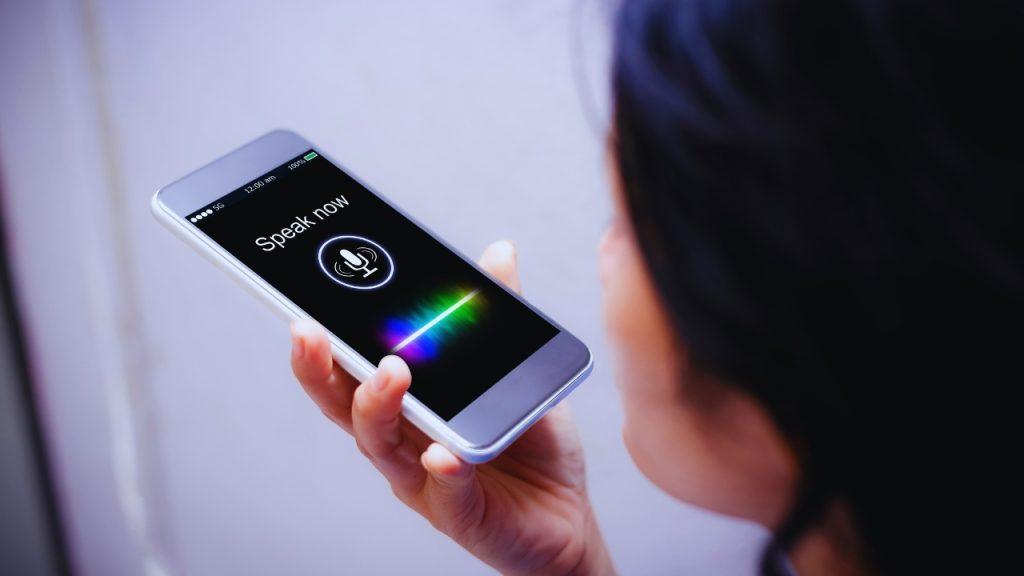
Voice recognition is the process of converting audio signals to text or commands. This technology is performed using artificial intelligence and machine learning models. Cloud-based audio recognition applications make this process more accessible, scalable and easy to use.
Voice Recognition Technology is an artificial intelligence (AI) and machine learning (ML) application that converts spoken words to text or commands by analyzing human voice. This technology makes meaningful information by processing audio signals and uses this information in various applications. Voice recognition, voice assistants in everyday life, automatic transcription, call center systems and many more areas. On this article, the cloud-based 5 application advice will be given to audio recognition.
Basic Working Principle of Voice Recognition Technology
Voice recognition technology follows a number of steps to process audio signals and convert meaningful texts. This process usually consists of these stages:
1. Record Voice Signal
- The sound recognition process starts with digital format conversion of audio signals through a audio recorder like microphone.
- Audio signals are converted into digital format (eg, .wav or .mp3) from analog format.
2. 2. Pre-Processing (Preprocessing)
- Sound signals are cleaned with techniques such as noise reduction and normalization.
- At this stage, unwanted sounds like background noise are filtered.
3. Feature Extraction (Feature Extraction)
- Significant features are removed from audio signals. These features include frequency, tonne and time information of sound.
- Sound signals are mathematically expressed using techniques such as Mel-Frekans Kepstral Catals (MFCC).
4. Voice Recognition Model
- Sound signals are analyzed using artificial nerve networks (YSA) or other machine learning models.
- Repeated Nervous Networks (RNN), Long Short Time Memory Networks (LSTM) and models like Transformers are often used for voice recognition.
5. Text Output
- The audio recognized by the model is converted to text format.
- This text is shown to the user or used in another system (eg, voice assistants).
Cloud Based 5 Application Used For Voice Recognition
1. Google Cloud Speech-to-Tex Tags
- Features:
- Real-time and public voice recognition.
- Support more than 120 languages and polish.
- Auto language recognition and speaker diarization (speaker diarization).
- Uses:
- Voice assistants, automatic transcription, call center analysis.
- Advantages:
- High accuracy rate.
- High scalability thanks to the infrastructure of Google.
2. 2. Amazon Transcribe
- Features:
- Automatic audio recognition and text conversion.
- Custom word recognition (custom write) and channel identification.
- Speaker recognition and feeling analysis.
- Uses:
- Transcription of media contents, call center analysis, educational materials.
- Advantages:
- Integration with AWS ecosystem.
- Flexible pricing models.
3. Microsoft Azure Speech Service
- Features:
- Real-time and public voice recognition.
- Special audio models and language support.
- Speaker recognition and audio synthesis (text-to-speech).
- Uses:
- Voice assistants, automatic transcription, accessibility solutions.
- Integration with Azure ecosystem.
- Advanced customization options.
4. IBM Watson Speech to Text
- Features:
- Real-time and public voice recognition.
- Special language models and sound adaptation.
- Speaker recognition and feeling analysis.
- Uses:
- Call center analysis, transcription of media contents, educational materials.
- Advantages:
- Integration with IBM Cloud.
- High customizable.
5. Apple Vine Tags
- Features:
- Voice command recognition and processing.
- Integrated voice assistant features.
- Uses:
- iOS apps, smart home devices.
- Advantages:
- Full integration with Apple ecosystem.
- User-friendly interface.
Uses of Voice Recognition Applications
1. Voice Assistants
- Samples: Siri, Google Assistant, Alexa.
- Usage: Users control devices with voice commands.
2. 2. Automatic Transcription
- Samples: Meeting records, lectures, interviews.
- Usage: Converting audio recordings to text.
3. Call Center Analysis
- Samples: Customer service, tele sale.
- Usage: Analysis and reporting of customer calls.
4. Accessibility Solutions
- Samples: Text conversion for hearing disabilities.
- Usage: Providing audio content as text.
5. Media and Entertainment
- Samples: Subtitle of movies and TV shows.
- Usage: Converting audio content to text.
Advantages of Cloud Based Voice Recognition Applications
1. Scaleability
Cloud-based applications can easily perform large-scale audio recognition.
2. 2. Accessibility
Cloud-based solutions are accessible and easy to use from any device.
3. Updates & Support
Cloud-based applications are constantly updated and offer technical support.
4. Cost Event
Cloud-based solutions are a cost-effective option for small and medium businesses.
Challenges of Cloud Based Voice Recognition Applications
1. Data Privacy
Cloud-based solutions can cause concerns about data privacy and safety.
2. 2. Internet Addiction
Cloud-based applications require internet connection.
3. Customization Limitations
Some cloud-based solutions may have limitations on customization.
Conclusion
Cloud-based audio recognition applications have a huge potential in many areas from voice assistants to automatic transcription. Applications such as Google Cloud Speech-to-Text, Amazon Transcribe, Microsoft Azure Speech Service and IBM Watson Speech to Text are the leading solutions in this field. These applications offer advantages such as high accuracy rates, scalability and ease of use. However, challenges such as data privacy and internet dependence should also be taken into account. Voice recognition technology will continue to transform our lives by becoming more common in the future.
You can withdraw your interest: Top 10 Artificial Intelligence Based Writing Tools
Creator