




Voice Typing Revolution: The Most Powerful Dictation Tools of 2025
Automatically translated
As of 2025, voice typing technologies have moved beyond being merely an accessibility tool and have become central to content creation, translation, note-taking and professional workflows. AI-powered dictation apps are fundamentally changing writing habits with their speed, accuracy and multilingual translation capabilities.
Why Did Voice Typing Take Off in 2025?
Behind the rapid rise of voice typing technologies in 2025 lie not only hardware advances but also a leap in the language processing capabilities of AI. Voice typing software that was previously used mainly for simple commands and short texts is now being used effectively in complex scenarios such as long articles, news texts, emails and even code writing.
In this transformation, new-generation voice to text tools that work with large language models have gained abilities such as analyzing conversational context, placing punctuation correctly and inferring meaning based on the speaker's tone. As a result, voice typing has moved beyond being a technology that simply 'turns speech into text' and has become an assistant that edits and makes sense of text.

The spread of remote work models, the growing need for mobile productivity and the need to speed up content production were also among the factors that triggered this boom. Especially for journalists, content editors, researchers and developers, AI voice note solutions that reduce dependence on the keyboard have delivered significant time savings.
At the same time, 2025 stood out as a turning point where voice typing technologies merged with translation capabilities. Many apps can now detect the spoken language in real time and produce English translation or Turkish translation output. This has made voice typing software one of the core tools for multilingual content production.
Best AI-Powered Voice Typing Apps
Dozens of different dictation tools are on the market as of 2025, but some apps stand out for their accuracy, user experience and advanced AI features.

General-purpose AI platforms have also brought voice input and dictation features to the center of productivity workflows. Chat-based AI apps in particular are starting to offer an alternative to classic voice typing software, with functions such as converting speech into text instantly, editing text and adapting it to context.
Thanks to the voice modes offered in chat-based AI tools, users' speech is converted directly into text. These texts are not left as raw transcription; punctuation, paragraph structure and coherence are automatically improved by AI. Thus, dictation turns into an integrated production experience that covers writing and editing steps as well.
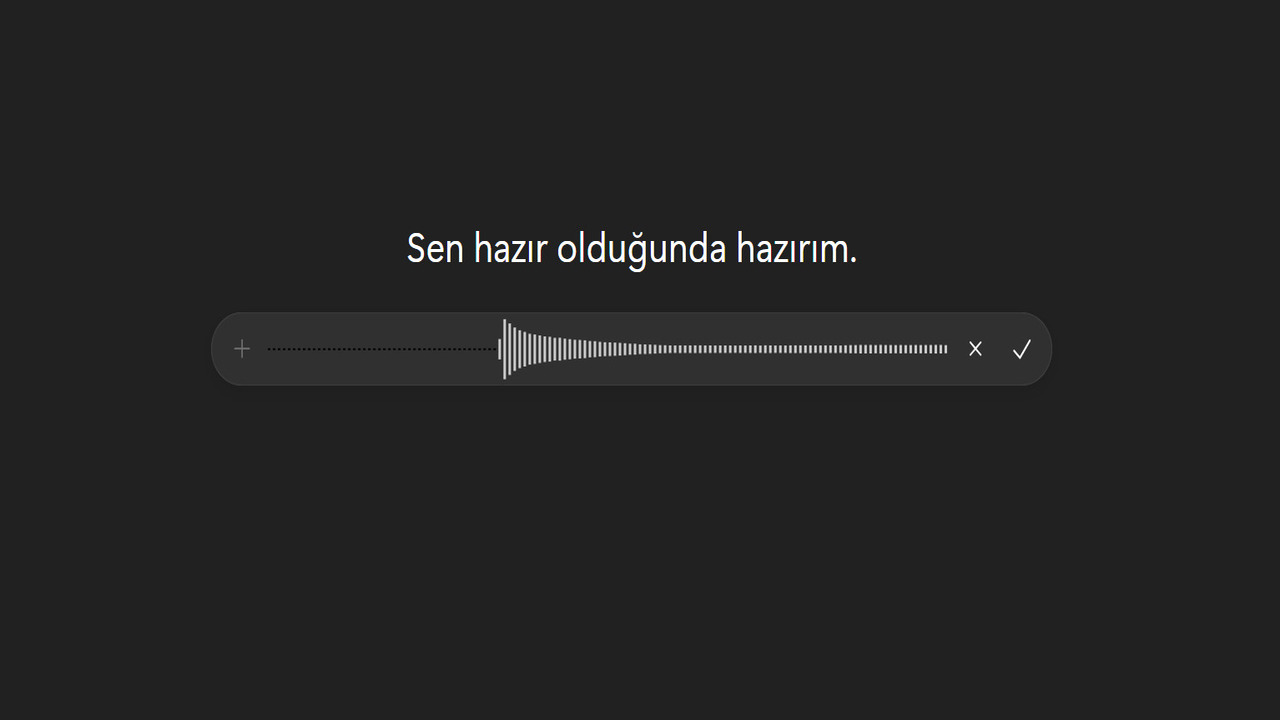
Such general AI apps also stand out in multilingual use cases. Inputs made during speech can be translated into the required language to produce English translation or Turkish translation output. In this respect, chat-based AI is becoming a hybrid tool that combines voice typing, translation and content creation under one roof.
Some solutions stand out with real-time speech recognition and instant editing features, while others specialize in analyzing long audio recordings to produce detailed texts. This diversity clearly shows that voice typing technologies no longer have a single use case.

The applications below are among the voice typing tools that have drawn the most attention in international tech publications and user reviews.
Wispr Flow: Dictation Experience for Professional Productivity
Wispr Flow stands out as one of the most talked-about AI-powered voice typing apps of 2025. The most notable aspect of the app is considered to be its advanced language model integration, which can understand context during speech and shape the text accordingly.
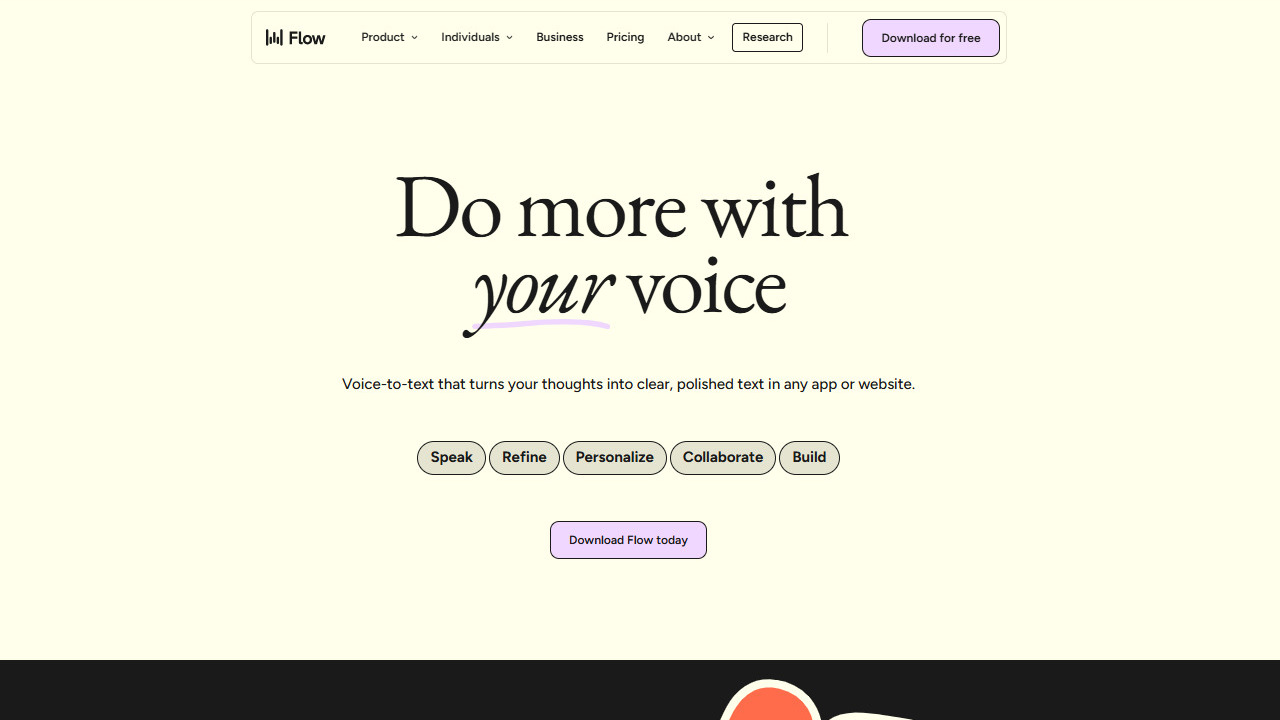
Unlike classic dictation tools, the voice typing experience offered by Wispr Flow is not limited to transcribing words. Pauses, changes in emphasis and sentence endings during speech are automatically analyzed and punctuation is added correctly. This considerably reduces the need for editing, especially in long text production.
The app also offers multilingual support and can be used in real-time translation scenarios. Users can speak in English to get Turkish text, or conversely produce English translation output. This feature makes Wispr Flow not just a voice typing software but also a powerful translation tool.
Superwhisper: A Minimalist Approach to Speed and Accuracy
Superwhisper is featured among the best dictation apps of 2025 for its clean interface and high accuracy. Its structure, optimized especially for technical texts and content with heavy terminology, makes this app attractive to professionals.
One of Superwhisper's standout features is that it can run in the background and be used integrated with different applications. Users can enable voice typing while working in a document editor, an email client or a browser and enjoy an uninterrupted production process.

Thanks to the AI voice note feature, meetings, interviews and brainstorming sessions can be converted into text instantly. In addition, these notes can later be edited and translated into different languages. In this respect, Superwhisper is positioned as a powerful tool that brings together voice typing and translation technologies.
Willow: Smart Dictation and Text Editing
Willow is among the apps that, in 2025, turned voice typing from a tool that merely converts speech into text into an AI-powered writing assistant. The app analyzes dictated text in real time, improves sentence structure, adjusts the narrative tone and makes the text fit its context. With this approach, the voice typing process moves closer to producing content that can be published directly.
One of Willow's standout features is the ability to create custom dictionaries and style preferences for each user. This allows the app to learn the user's writing habits over time and produce more consistent output. In addition, local data storage options are an important advantage for users who are sensitive about privacy.
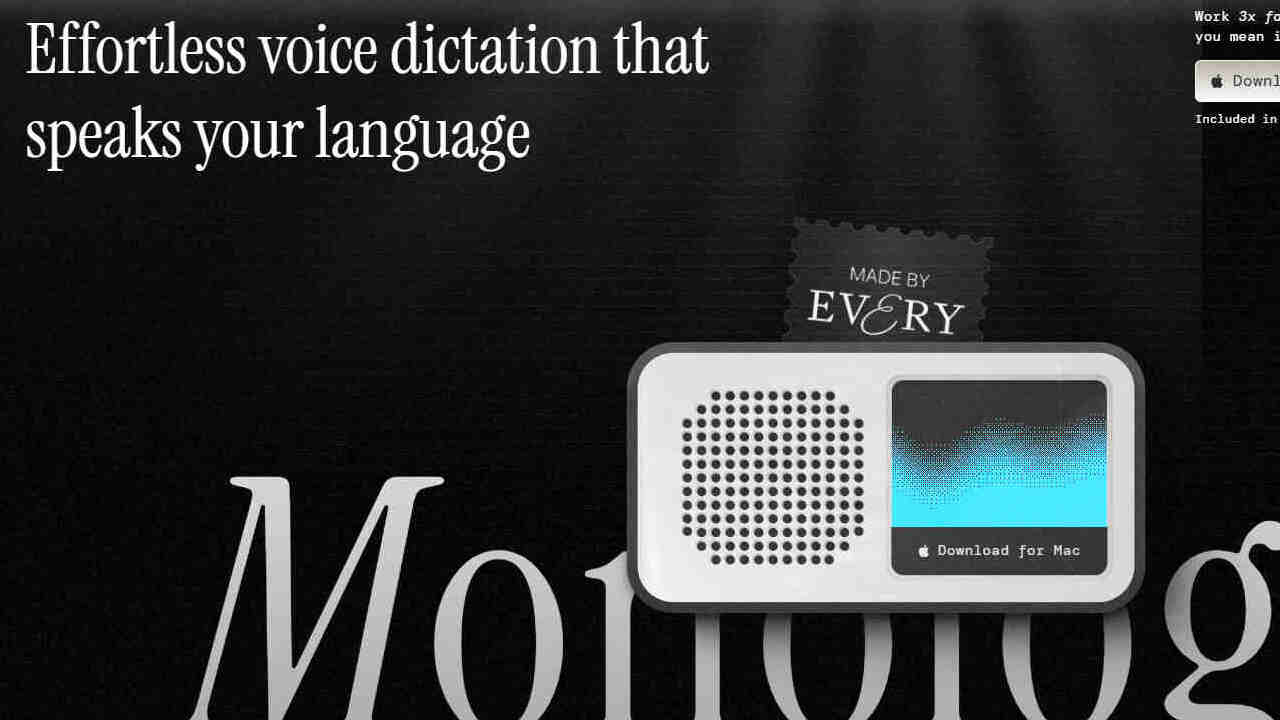
Monologue: Offline Operation and a Privacy-Focused Experience
Monologue stands out among voice typing tools for its approach that prioritizes privacy and data security. The app's most distinctive feature is that it offers local AI models that can work without an internet connection. This structure ensures that conversations and generated texts do not leave the device.
The offline advantage is an important reason for preference, especially for professionals working with sensitive content. Monologue also makes it possible for dictated text to achieve a more personal and natural expression through tone and style settings. These features make voice typing not just fast but also a controlled production process.
VoiceTypr: Open Source and Multilingual Voice to Text Experience
VoiceTypr is featured among the notable voice to text tools of 2025 for its open source structure and wide language support. Thanks to its ability to work offline, the app offers voice typing without depending on an internet connection. This provides a significant advantage in terms of both privacy and accessibility.
Particularly for technical users and developers, VoiceTypr offers a customizable infrastructure and stands out with its flexibility to work with different language models. Its support for many languages makes the app a suitable solution for international content production and multilingual note-taking scenarios.
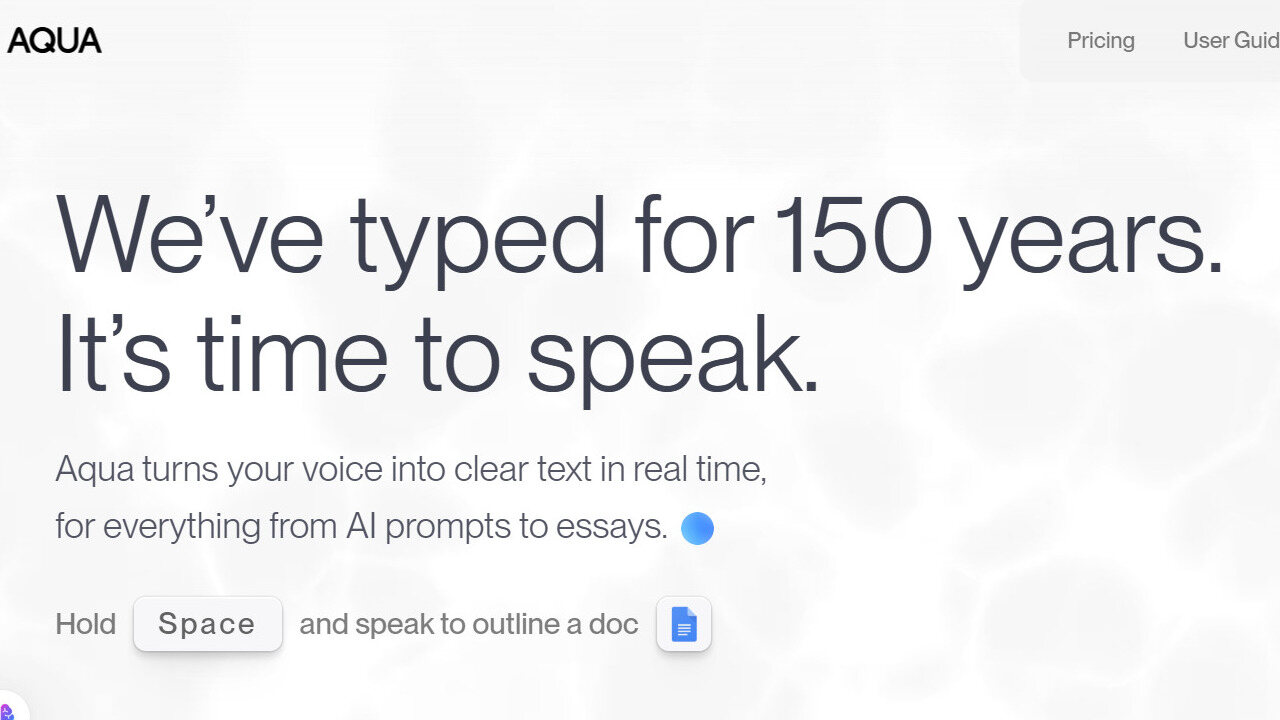
Aqua: A Speed-Focused Next-Generation Dictation Tool
Aqua is among the new-generation dictation apps that build the voice typing experience on speed and fluency. During speech, the app does not only transcribe text; it also speeds up the writing process with autocomplete and context-based suggestions.
This approach offers a significant advantage, especially for users who need to produce high volumes of text in a short time. Aqua's autofill features detect repeated phrases and patterns, making the dictation process more efficient. Thus, voice typing turns into a fluent production process that requires less manual intervention.
Handy: A Basic and Accessible Voice Typing Solution
Handy stands out as an open source dictation tool positioned for users looking for a simpler and more basic voice typing experience. Rather than complex features, the app focuses on transcribing speech quickly and clearly, keeping accessibility at the forefront.
Thanks to its free and open source structure, it offers a low entry barrier for users who are new to voice typing technologies. With its approach aimed at basic needs, Handy offers a plain but functional alternative in the dictation market.
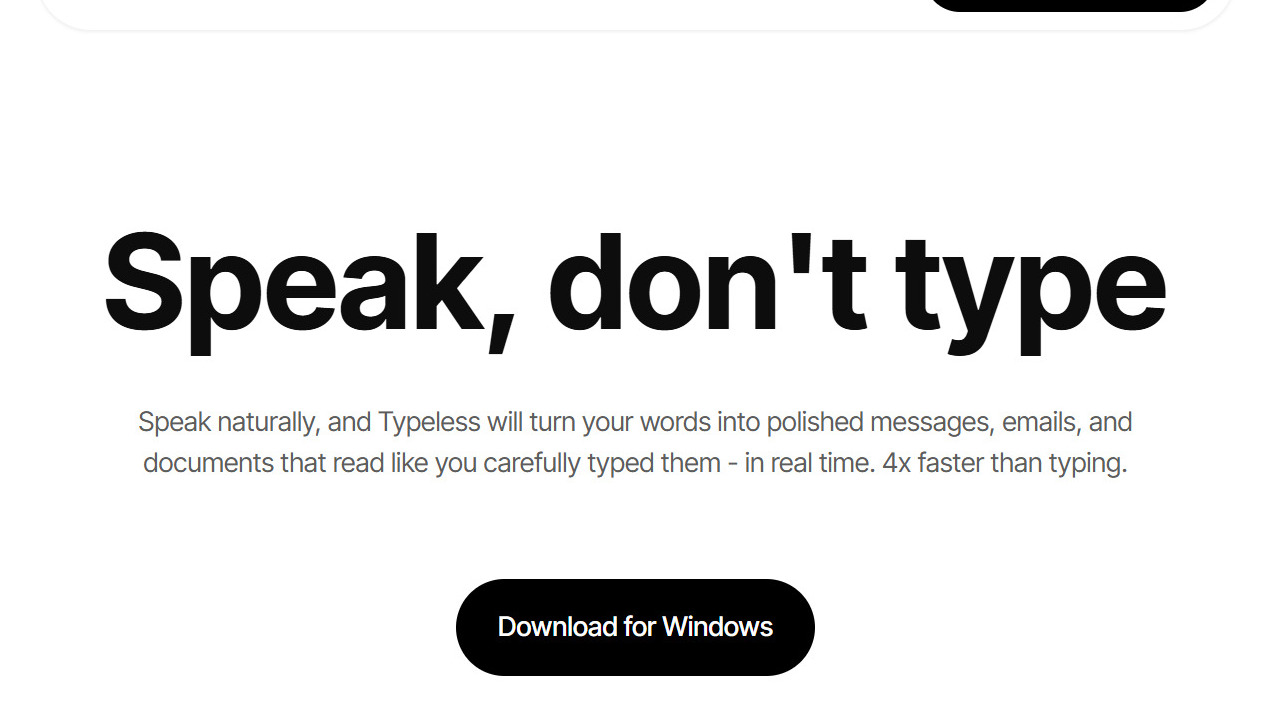
Typeless: Voice Typing for Long Texts
Typeless draws attention as a voice typing app developed especially for users focused on producing long texts. Its generous free usage limit makes the app attractive to users who need heavy dictation. AI-powered sentence improvement features aim to increase the fluency of the text.
The app analyzes dictated text and tries to reduce awkward phrasing and repetitions. This approach reduces the need for manual editing in long pieces, making voice typing a more sustainable production method.
The Rise of Translation Capability in Voice Typing Technologies
As of 2025, one of the most notable common points of voice typing apps has been their advanced translation features. Many voice typing programs can now not only detect the spoken language but also produce text suited to the target language.
For professionals working especially with international teams, Turkish translation and English translation support is a great convenience. Instantly converting English spoken content in a meeting into Turkish text, or writing down an idea spoken in Turkish as English text, significantly speeds up work processes.

At this point, the context awareness of AI plays a critical role. Meaning shifts that are frequently encountered in traditional translation tools have been largely reduced in new-generation voice typing apps. By analyzing the tone, context and purpose of speech, more natural and consistent translation output is achieved.
The Impact of Voice Typing Software on Content Production
The spread of voice typing technologies has brought a fundamental transformation to content production processes. Blog posts, news texts and social media content can now be produced without spending hours at the keyboard.
Especially for content creators working on news, voice typing means speed and flexibility. Field interviews or live developments can be turned into written text in a short time thanks to AI-powered dictation apps. This increases publishing speed and provides a competitive advantage.
In addition, voice typing makes the act of writing more natural, allowing thoughts to be transferred to text without filtering. This enables more original and fluent content to emerge, particularly in creative writing processes.

The Future of Voice Typing in 2025
According to experts, voice typing technologies will become more personalized in the coming years. Texts will be shaped accordingly as the user's word choices, writing style and sentence structure are learned over time.
At the same time, features such as voice tone analysis, emotion detection and contextual suggestions are also expected to be integrated into voice typing apps. These developments will turn voice typing software from a mere tool into an active writing assistant.
2026 Dijital Pazarlama Trendleri : Teknoloji Değil, Bir Zihniyet Değişimi


Teknoloji Staj İlanları | 26 Ocak - 2 Şubat 2026


