Skiv: The Guide to AI-Powered Video Management
Automatically translated
 Writer
In the vast ocean of data that makes up the digital universe, videos are no longer just sequences of images we watch. They have become massive information repositories that we can explore, interact with, and analyze in seconds. Skiv goes beyond the limitations of traditional video hosting services, using artificial intelligence as a beacon to transform our visual memory into a digital library.
At the center of this transformation, Skiv stands out as a platform that fundamentally reshapes the video ecosystem through its AI-powered video search engine and advanced AI video hosting solutions. Features such as in-video keyword search, an interactive video player, and automatic video transcription tools are making the boundaries between content creation and consumption increasingly seamless.
What Is Skiv (Muse AI) and How Does Its In-Video Search Feature Work?
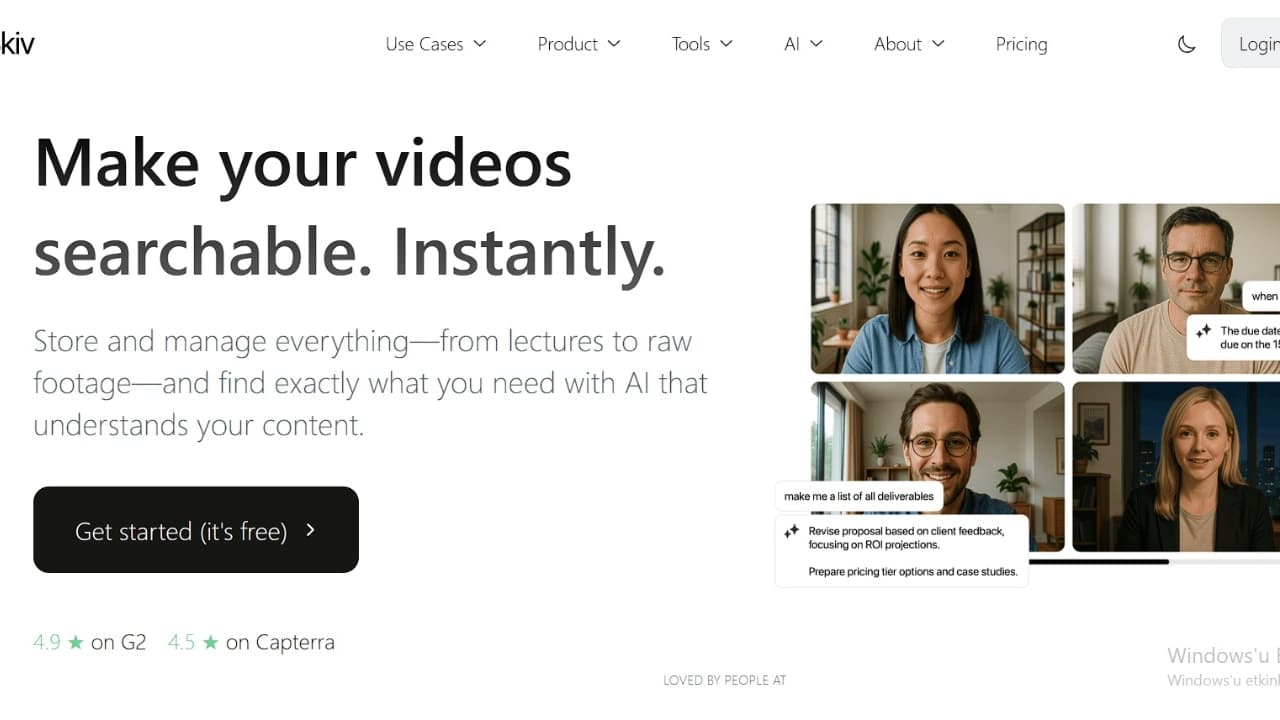
Going beyond the limitations of traditional video platforms, Skiv positions video as far more than a media format, transforming it into a fully searchable data structure. The AI-powered video search engine at the heart of the platform performs comprehensive indexing by analyzing conversations, scenes, and contextual elements within videos.
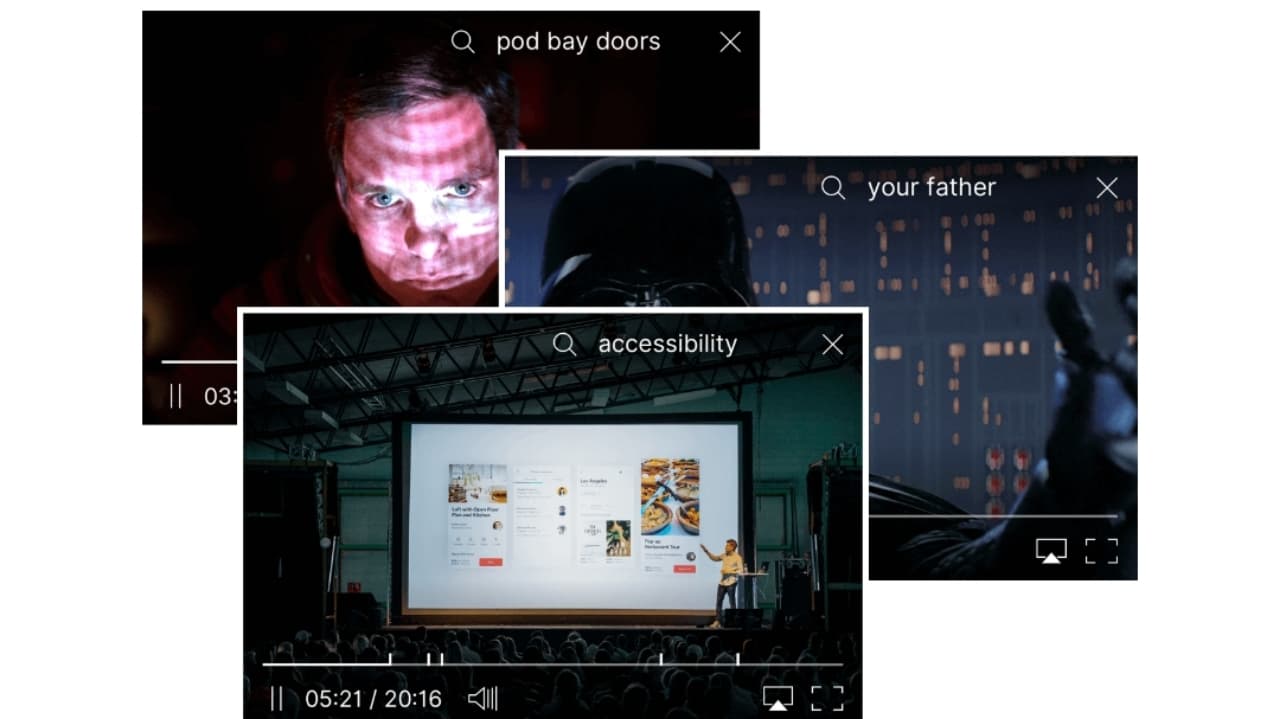
Automatic video transcription tools come into play during this process. Audio data is converted into text, and these transcripts are synchronized with timestamps. As a result, when users search for a specific word, the system takes them directly to the relevant second in the video. In-video keyword search technology minimizes wasted time, particularly with long-form content, while offering significant functionality for academic research, legal records, educational videos, and media archives. This approach transforms video from a linear sequence into a segmented, searchable, and reusable information map .
What Are the Advantages of AI-Powered Video Hosting Platforms?
While traditional video hosting systems are mostly limited to storage and playback functions, AI video hosting solutions deliver value on multiple levels. Platforms like Skiv determine not only where content is stored but also how it is understood.

These systems offer advantages such as:
· Content analysis and automatic tagging,
· Recommendation systems based on user behavior,
· Advanced data analytics and viewing reports,
· Scalable cloud infrastructure,
· Secure access and authorization mechanisms
These technologies are particularly valuable in digital marketing and corporate communications, helping deliver more relevant content to target audiences. AI-powered analytics provide insights into metrics such as where viewers abandon a video and which segments attract the most interest. This makes it possible to reshape content strategies based on data.
Automatic Transcription and Subtitle Management
Converting video content into text plays a critical role not only in accessibility but also in SEO and content repurposing. Skiv's automatic video transcription tools convert speech into text with a high degree of accuracy. These transcripts also form the foundation of the in-video keyword search system.
Subtitle management offers a multilayered experience. Users can:
· Edit automatically generated subtitles,
· Add translations in different languages,
· Obtain SEO-friendly text outputs.
These features provide a significant advantage, especially for brands producing content on a global scale. The same content can reach a broader target audience by becoming accessible in multiple languages. Furthermore, transcription data can be repurposed into various formats, including blog posts, social media content, and reports.

The Role of Interactive Video in 2026 Digital Marketing Strategies
As of 2026, digital marketing has evolved from one-way narratives into multidimensional experiences. One of the most powerful tools driving this transformation is interactive video player technology. Skiv's interactive video infrastructure turns viewers from passive observers into active participants.
Through interactive videos, users can:
· Make selections within a video,
· Be directed to specific sections,
· Interact directly with the content.
This deepens the user experience while helping establish a stronger connection between brands and viewers. Particularly in e-commerce, education, and digital advertising, interactive videos stand out as tools that increase conversion rates, keep users engaged with content for longer, and maximize interaction.
From Data to Value: A Usage Guide and Workflow
Skiv optimizes video management through four fundamental steps by presenting complex AI algorithms through a user-friendly interface. This workflow covers the entire process, from adding a video to the system to presenting it to the outside world as an "intelligent asset":
1. Smart Import and Analysis:
The process begins when video files are uploaded to the platform using drag-and-drop functionality or API integration. Upon upload, the video is divided into its visual, audio, and textual layers. Deep learning models simultaneously initiate object recognition, face clustering, and audio-to-text conversion (transcription).

2. Automatic Indexing and Tagging:
Once the analysis phase is complete, the video is no longer just a file; it becomes a database in which every frame can be individually addressed. The system automatically tags spoken words, on-screen text (OCR), and actions in the video (running, dancing, etc.). This allows users to access a massive content library without the burden of manual tagging.
3. Advanced Search and Filtering:
The search bar in the user dashboard works like a "search engine." Users can search using specific commands such as "person:name, object:item, or text:word" or by entering natural-language sentences. For example, the command "Find the scenes where the CEO talks about sustainability" takes you directly to the relevant moments.
4. Interactive Publishing and Sharing:
Content is published through Skiv's customizable interactive player. Thanks to the interactive transcript feature built into the player, viewers can click on text to jump to different sections of the video, search within the content, or take direct action using interactive buttons added to the video.
This workflow transforms video from a passive storage unit into a strategic information resource that can be searched and interacted with at any time.
Technical Feature Analysis for Corporate Video Management
Corporate-level video management involves much more than simply producing content; it also includes organizing, analyzing, and securely delivering that content.
The platform's standout technical features include:
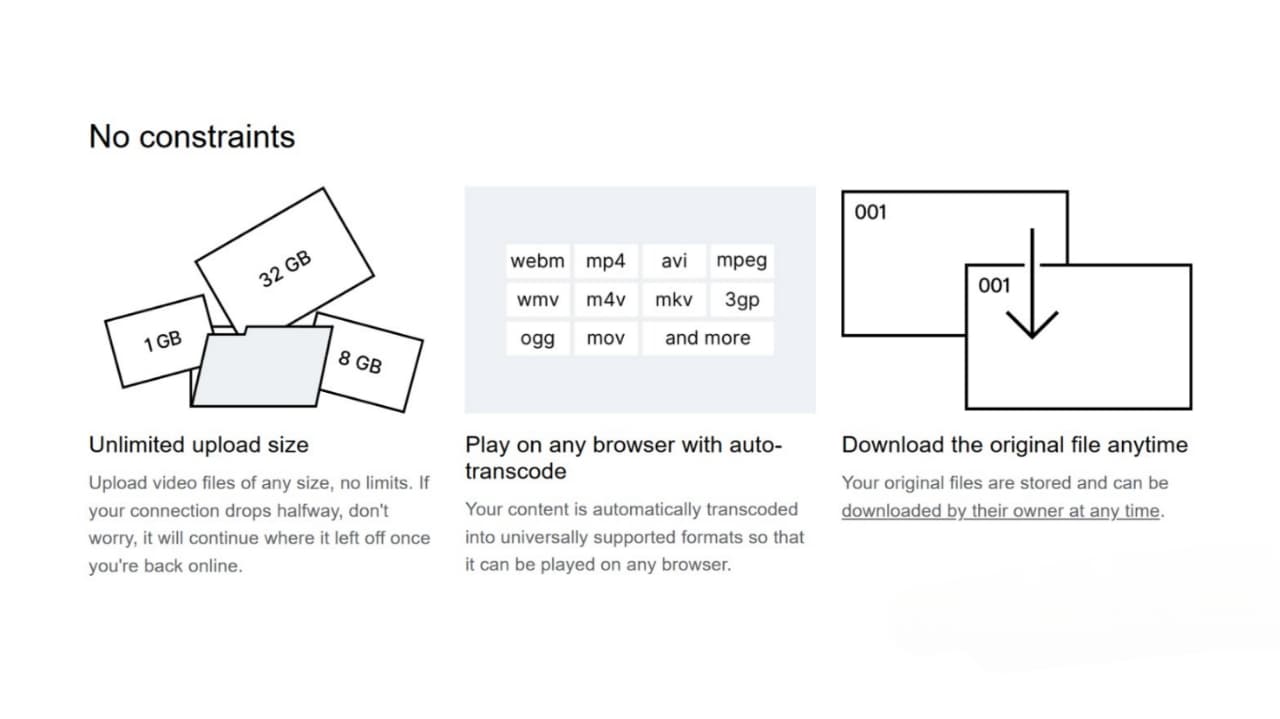
· Compatibility with different systems through API integrations,
· Advanced video analytics dashboards,
· Automatic indexing and tagging,
· High-performance video processing infrastructure,
· Secure data storage and access control mechanisms
These features enable large-scale organizations to manage their video archives effectively. For educational institutions, media companies, and corporate communications departments, Skiv offers a solution that increases the speed of information retrieval, improves operational efficiency, and makes content management more systematic.
A Deeper Look: Cognitive Layers and Interactive Simulation
Skiv does more than simply separate video into audio and visual components; it transforms it into a multidimensional semantic matrix . The power behind this technological architecture lies in its hybrid approach to data processing. To better understand the speed and precision offered by the platform, let's examine the sharp distinction between traditional methods and Skiv through a scenario:
Scenario Analysis: Finding a Needle in a 1000-Hour Archive
Imagine you have a corporate video archive spanning decades and containing thousands of hours of footage. Your task: "Find those 15 seconds from the 2024 board meeting where the sustainability report was presented and the 'Carbon Footprint' chart appeared on screen."
· Traditional Method (Human-Based): An employee must watch all the videos in fast-forward mode, take notes, and manually tag the content. This process takes an average of 120 working hours, and the risk of errors is high due to lapses in concentration.
· Method (AI-Based): The platform simultaneously scans audio using NLP (Natural Language Processing), on-screen text using OCR (Optical Character Recognition), and chart types using Computer Vision.
Performance and Efficiency Matrix
Task Performed | Traditional Method (Human Labor) | Skiv (Artificial Intelligence) | Benefit Achieved |
Searching for Information Within Videos | Rewinding and fast-forwarding through videos for minutes | Instant access with a single keyword | Results in Seconds |
Transcribing Speech into Text | Hours of manual transcription | Ready as soon as you upload the video | 95%+ Time Savings |
Archive Organization | Manually tagging each item individually | Automatic object and scene recognition | Zero Manual Effort |
Viewer Engagement | Passive, one-way viewing | Clickable and interactive structure | Maximum Engagement |
This efficiency matrix has been optimized based on Skiv's GPU-based vector search infrastructure and the implementation results of global organizations such as NASA and TripAdvisor . The platform's 98.4% accuracy threshold represents the highest tier in current "Deep Learning" literature. Although these performance figures may vary depending on video quality and audio clarity, they scientifically confirm the fact that artificial intelligence operates at a speed many times greater than human cognitive processing.
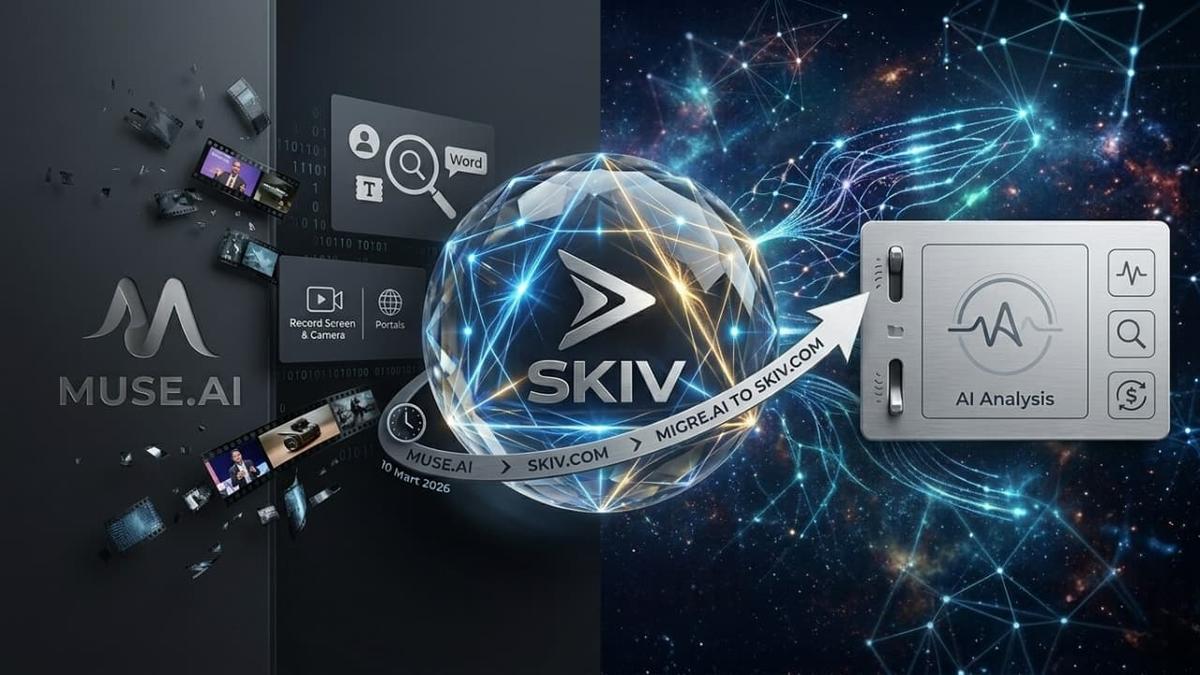
The Dawn of a New Era: The Evolution from Muse.ai to Skiv.com
The pace of technological innovation sometimes outgrows platform names themselves. Muse.ai, which has been building video intelligence since 2018, decided to continue its journey under the name Skiv as of March 2026. This name change marks the platform's evolution beyond being merely an "AI assistant" into a comprehensive video ecosystem that includes a video marketplace, subscription-based portals, and advanced monetization tools.
Skiv.com combines the powerful algorithmic infrastructure inherited from Muse.ai with a fresher brand identity and an expanded feature set. For users, this transition means a higher-performance interface and next-generation creative tools designed to meet the needs of the 2026 digital world, while preserving all existing API keys, videos, and collections. In short, while the technology retains its strength, Skiv opens up a much broader horizon for the platform's vision.

Beyond the Name: Structural and Functional Innovations with Skiv
Muse.ai's transformation into Skiv is more than a simple rebranding. It represents the platform's move from being an intelligent storage unit to becoming an independent video ecosystem. With this evolution, several areas of development are emerging that fundamentally transform the user experience and business models:
Comprehensive Monetization and Video Portals: Skiv now does more than host videos; it enables content creators to build their own "Video-on-Demand" (VOD) platforms. Subscription systems, video sales, and licensing tools are integrated directly into the platform, eliminating the need for external paywalls.
Advanced API and Infrastructure Performance: Optimizations to the server architecture alongside the domain name change have taken video processing and indexing speeds to the next level. The new embed codes offered particularly for high-traffic websites now provide an architecture that minimizes page loading times.
Creative Toolkit and New Interface: The refreshed interface introduced with Skiv makes complex datasets (AI analysis results) easier to read and manage. Users can now monitor the object and text analyses provided by artificial intelligence through a more interactive "management cockpit."
Ecosystem Integration: Skiv has introduced next-generation integration protocols that provide deeper compatibility with third-party software and workflow tools (CRM, LMS, etc.). This makes it easier to incorporate video into corporate business processes as an "intelligent data input."

Skiv transforms video content from material that is merely watched into digital assets that can be understood, analyzed, and used strategically . With its AI-powered video search engine, in-video keyword search technology, interactive video player infrastructure, and automatic video transcription tools, the platform is redefining the future standards of video management for both individual content creators and corporate organizations. In this context, Skiv represents not merely a tool in the digital content world, but also an entirely new way of thinking.
Writerİnsansı Robotlar ve 18 Milyon Dolarlık Yetenek Savaşı


Apple Intelligence Nedir? 2026