Could the Doctor You Trust on Social Media Be AI?
Automatically translated
 Writer
While scrolling through your social media feed, you may have come across an authority figure in a white coat with a stethoscope who looks very friendly. Videos with striking lines such as "The only way to protect yourself from cancer", "Take this supplement and you will stay young" or "The miracle cure that lowers blood pressure in seconds" attract millions of views. But the authoritative and warm doctor behind the screen may not be a real medical expert. They may not even be a real human being.
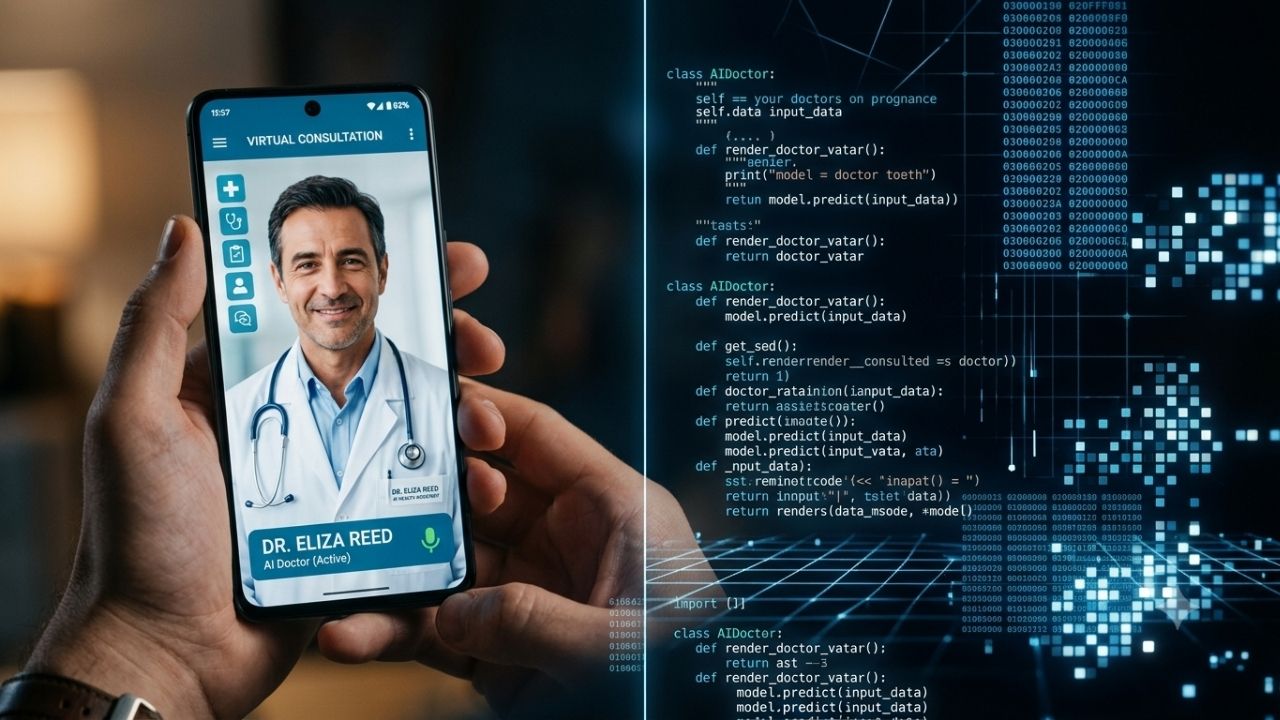
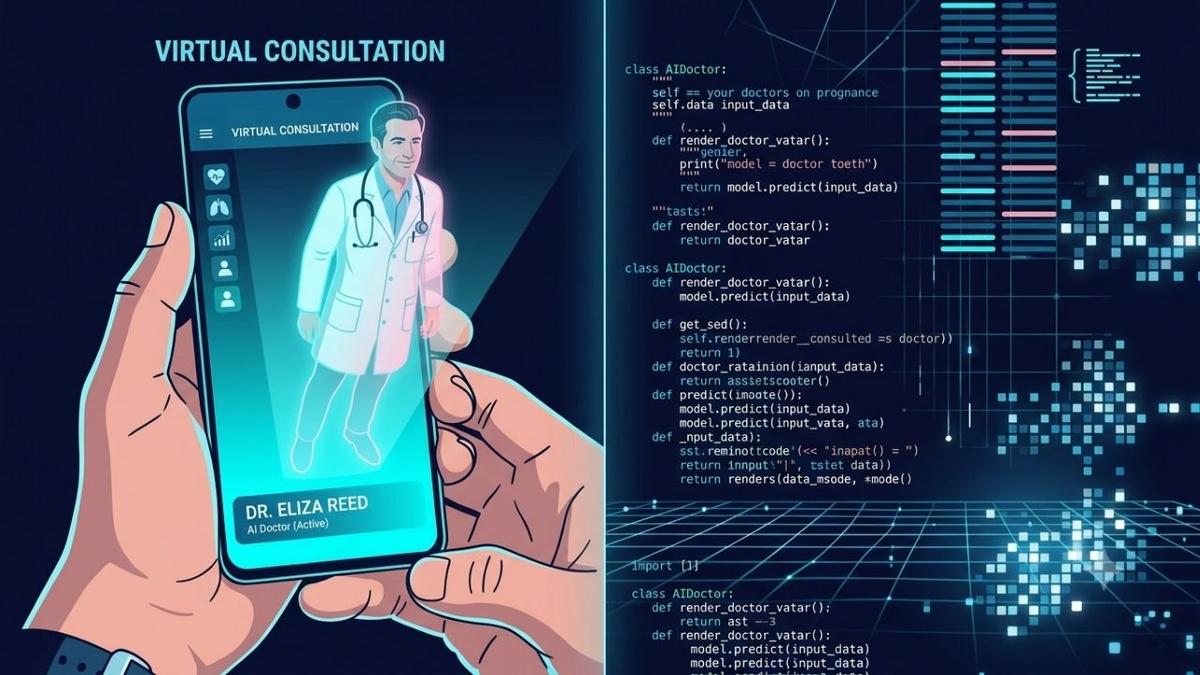
As artificial intelligence technologies advance, they are transforming the medical world, but they are also revealing the dark side of the coin. AI doctor accounts and fake health influencers created with deepfake technology are multiplying on social media at an unprecedented pace. So how big is the danger of AI doctors on social media, and how can you tell apart these AI health influencer contents that appear on digital platforms?
How Did the AI Doctor Phenomenon Emerge?
As AI tools and visual generation algorithms have become accessible, the digital content world has changed completely. On one side, companies transforming the industry in health and artificial intelligence are breaking new ground in diagnosis and treatment, while on the other hand, the manipulative use of these tools has paved the way for new-generation threats such as AI doctor accounts on social media.
Advanced generative AI software can create a flawless doctor avatar, a realistic human voice and a fluent script within minutes. These fabricated digital doctors instantly inspire trust in viewers with their stethoscopes, clinical backgrounds and confident speaking styles.
Recent analyses by digital marketing agencies and researchers reveal a alarming picture:
More than 40% of popular health searches on TikTok and Instagram Reels consist of content created or supported by artificial intelligence.
For specific search terms such as "health tips", this rate rises to as high as 84%.
AI-generated fake doctor videos reach an average of 2.5 million views per video.
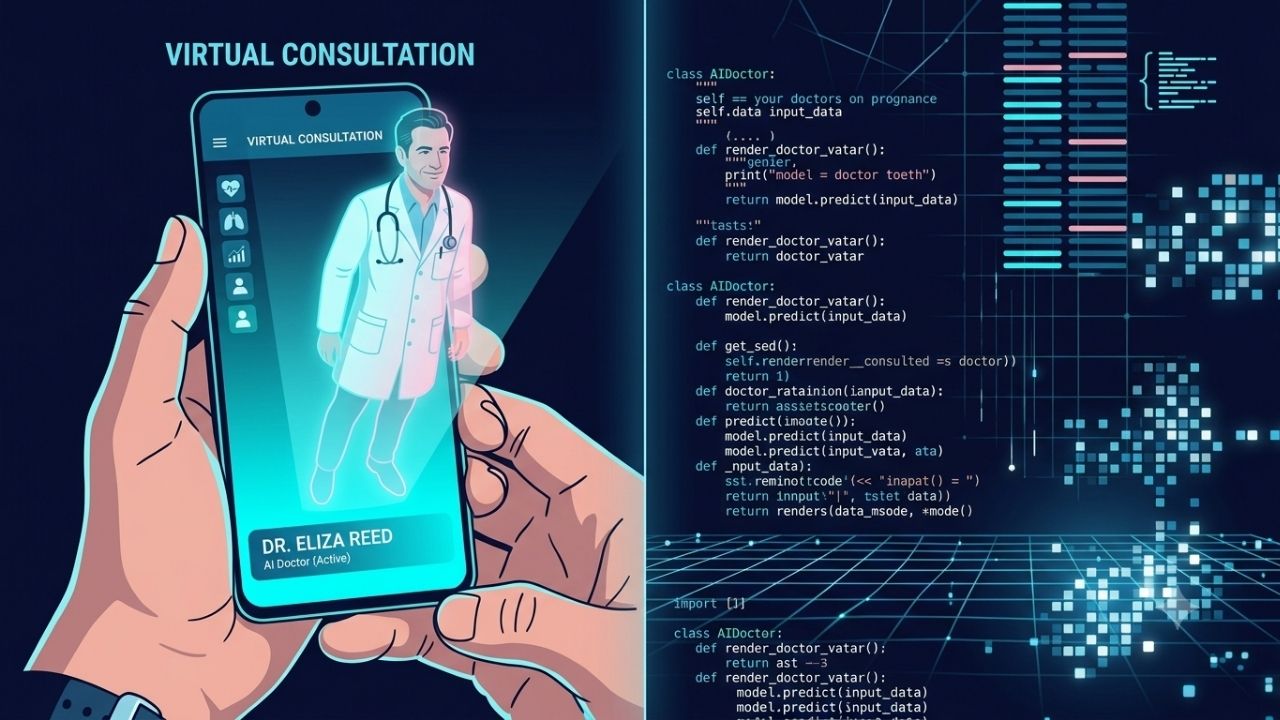
The Scale of the Danger: Misinformation, Medical Myths and Fake Products
While a fake profile posting videos may look like a harmless marketing tactic at first glance, when human health is involved, it turns into a direct and vital threat.
Experts describe the information spread by AI-generated profiles as "industrialized exploitation of trust". Lacking real medical ethics or ethical responsibility, these accounts fuel dangerous myths to increase view counts and sales. The report on AI fake health influencers published in the press documents in striking detail how this uncontrolled growth on digital platforms threatens public health.
1. Spread of Medical Myths and Fear
Research shows that AI-generated doctor avatars revive scientifically debunked claims about cancer. Claims lacking scientific basis, such as microwaving food in plastic containers, using deodorant or sleeping next to a phone causing cancer, are used to create panic among users.
2. Miracle Product and Supplement Sales
The main motivation behind these profiles is usually commercial gain. AI doctor avatars promote nonexistent, unlicensed or ineffective herbal supplements and anti-aging compounds, claiming "I have been recommending this to my patients for years". Absurd prescriptions, such as strange mixtures like onion-flavored cola being a painkiller, even reach millions of people.
3. Delays in Medical Care
The World Medical Association and international health organizations warn: patients who believe the medical myths spread by AI accounts on digital platforms delay their real medical examinations and put their health at risk by applying wrong treatments. At this point, referring to the guidelines and ethical standards on the use of artificial intelligence in health prepared by international authorities is of great importance.

The State of Health Systems and Global Regulations
Manipulative content spreading on social media concerns not only individual users but also all health infrastructures and public policy. The rapid rise of artificial intelligence in health raises the question of how well ethics, oversight and legal frameworks can keep pace with this speed.
Current data published by international institutions clearly show how prepared health systems are for this digital transformation. The WHO 2026 report , which contains detailed analyses on the subject, shows that Europe still has a long way to go in both clinical practice and oversight mechanisms on social media to be ready for AI in health.
How Do You Distinguish a Real Doctor from an AI Doctor?
For technology enthusiasts and social media users, the most critical issue is verifying the accuracy of the information they encounter online. Here are the key clues to watch for when detecting an AI doctor video:
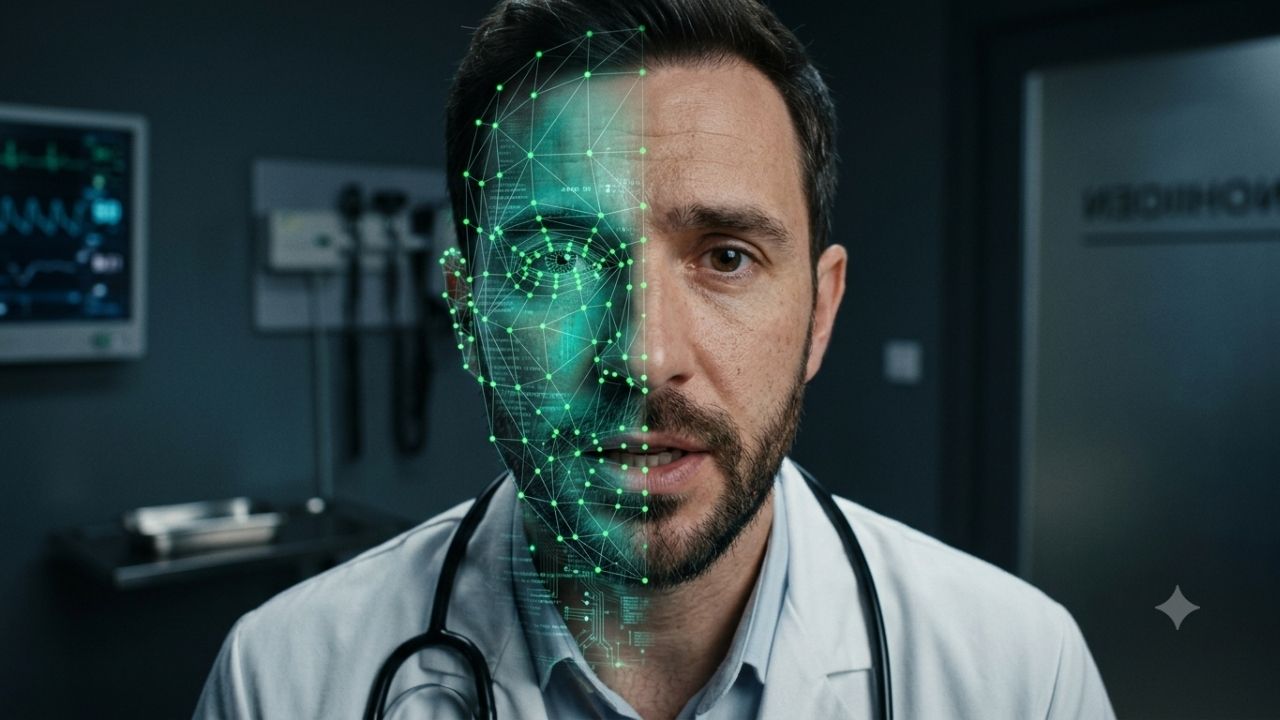
1. Visual and Audio Details (Deepfake Signs)
Blinking and Expressions:
AI avatars often blink at unnatural intervals, or their expressions do not fully match the emotion of their words.
Lip Sync:
There may be small delays or mismatches between mouth movements and the sound.
Static Body Posture:
While the head and lips move, the shoulders and torso often remain fixed.
2. Communication Style and Prescription Approach
Absolute and Sensational Language:
Real doctors avoid bold words such as "guaranteed miracle" or "100% guaranteed" in medicine. AI doctors, on the other hand, prefer dramatic, clickbait-driven expressions.
Directing to a Single Product:
If the video constantly points to a link in the bio, a specific brand or a "miracle product", it is most likely a commercial scam.
3. Identity and License Verification
Searching the Name and Title:
Are the expert's name, hospital or field of specialty clearly stated in the video? Real physicians openly display their diplomas and the medical chambers they belong to. AI avatars, however, often use generic names such as "Dr. Alex" or "Dr. Sarah".
Responsibility of Social Media Platforms and Algorithms
Social media platforms (TikTok, Instagram, YouTube) use algorithms designed to increase user engagement. Unfortunately, content involving fear, curiosity and "miracle solutions" is promoted faster by algorithms.
Today, although major platforms such as TikTok and Meta have begun requiring AI-generated content to be labeled, the speed of content uploads outpaces oversight mechanisms. For this reason, the strongest line of defense is the user's own digital health literacy.
Raise Your Digital Health Literacy
Every white-coated profile we encounter on social media may not carry a real medical diploma behind it. The rapidly evolving AI doctor technology requires us to continually question the concepts of transparency and accuracy in digital content. You can also examine field research and the posts of fake doctor avatars through the video on fake AI influencers and supplement product warnings to see the seriousness of these cases firsthand.
To avoid leaving your health to chance or to algorithms, questioning every prescription you see on screen is the most critical step. Before acting on any suspicious health advice you encounter, make it a habit to consult an authorized and real health professional.
WriterOpenAI Astra Kritik Siber Yetenek Eşiğine Dayandı


Gemini 1 Milyar Kullanıcıya Ulaştı