



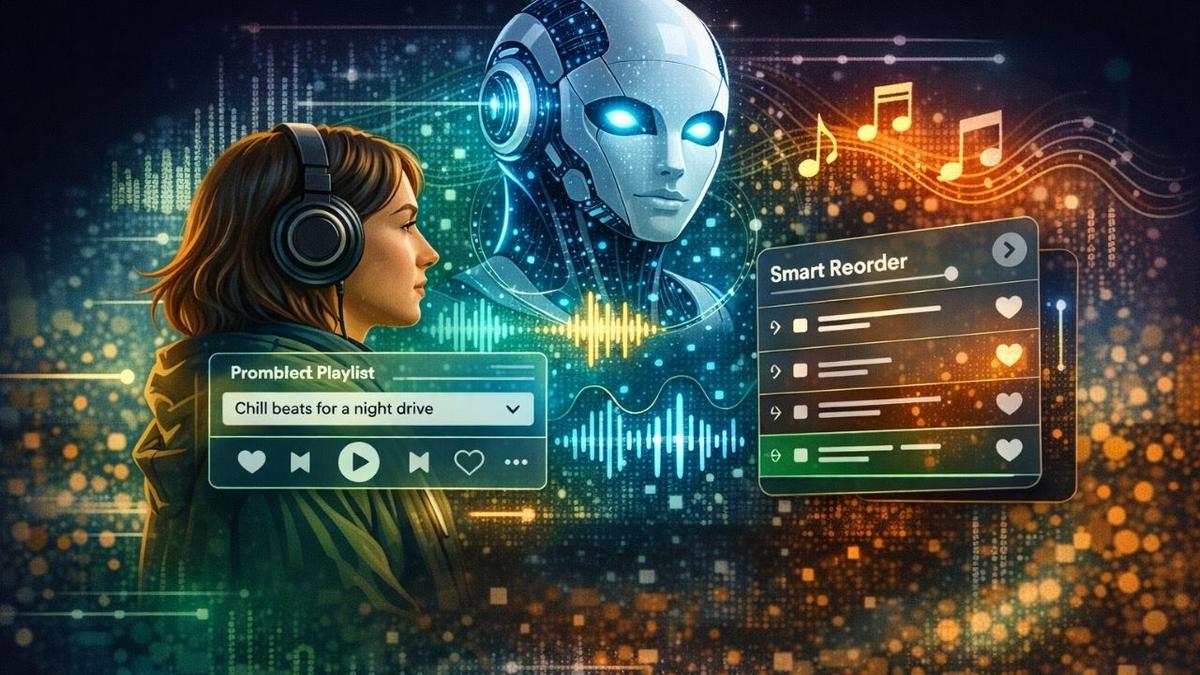
Spotify Music Discovery in 2026: More User Control and AI Features
Automatically translated
 Writer
Spotify music discovery was completely reshaped in 2026 with AI-powered systems. Users are no longer just passive listeners who consume recommendations; they have become active participants who steer the algorithm directly and deliberately design their music experience.
Three key features sit at the center of this shift: using Spotify Prompted Playlist, Spotify Smart Reorder, and steering the algorithm. Thanks to these features, users are no longer just listening to music; they are also shaping their own experience.
How Has Spotify Music Discovery Changed?
Spotify's 2026 strategy is moving away from classic recommendation systems toward an intent-driven discovery model. In the past, users searched by music genre, chose artists, and browsed playlists. Today, they can steer the algorithm simply by expressing their moods and describing scenarios.
For example, users can now find the song they want with prompts such as music that motivates early in the morning or dark electronic tracks for walking alone at night. This change moves music discovery away from a technical process and makes it fully focused on the user experience.
How to Get Personalized Discovery with Spotify Prompted Playlist
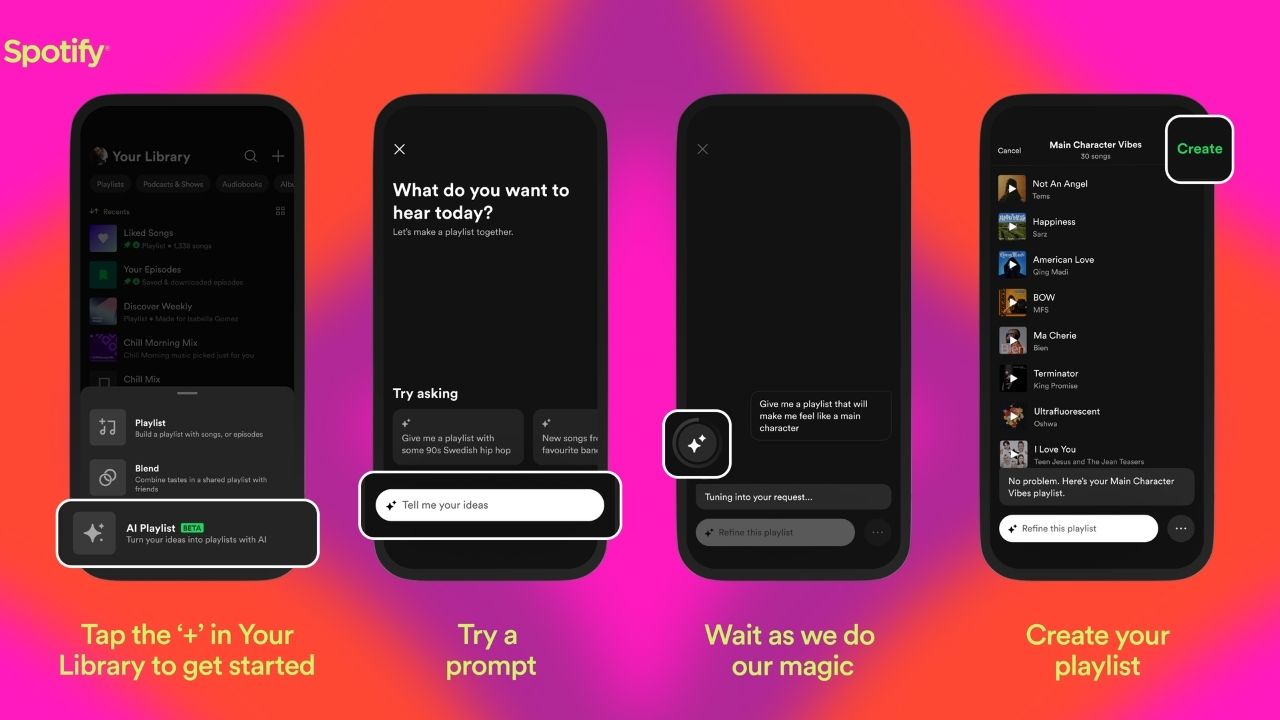
Using Spotify Prompted Playlist is one of the most important innovations that comes from integrating natural language processing into the music experience. With this system, users describe what they want directly instead of relying on traditional filters.
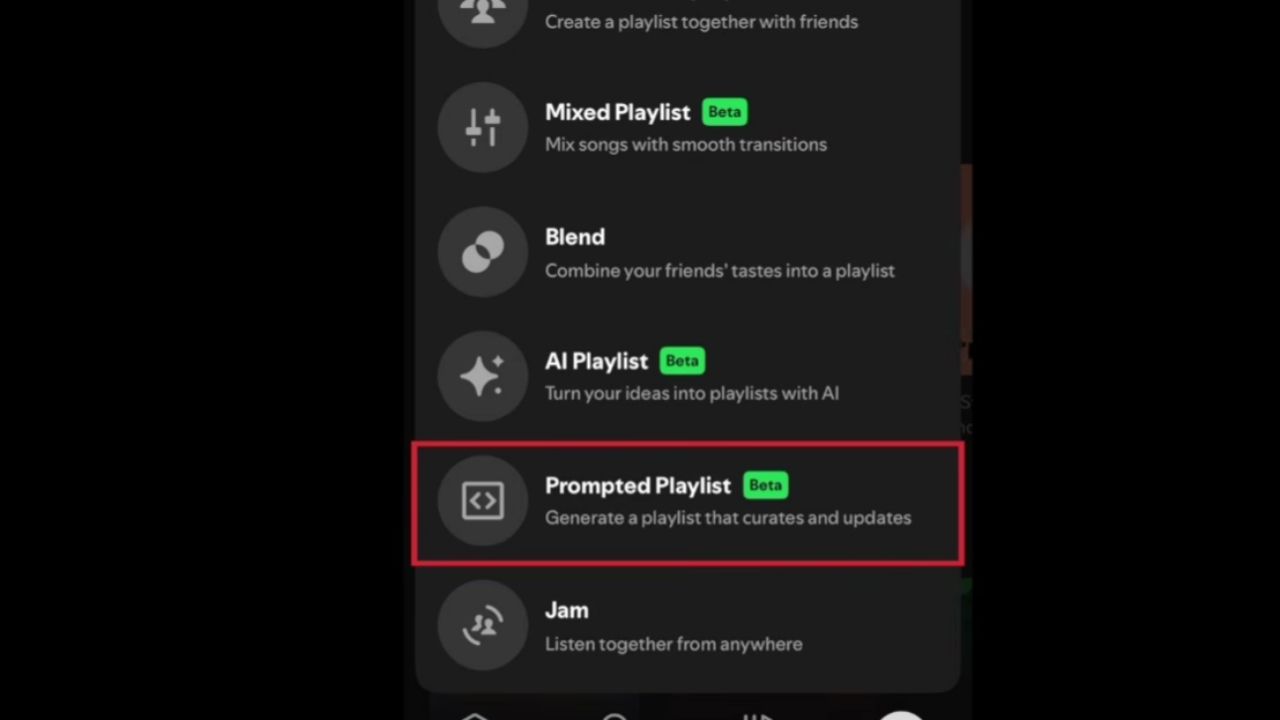
Step-by-step use
Go to the Create tab in the Spotify app
Select Prompted Playlist
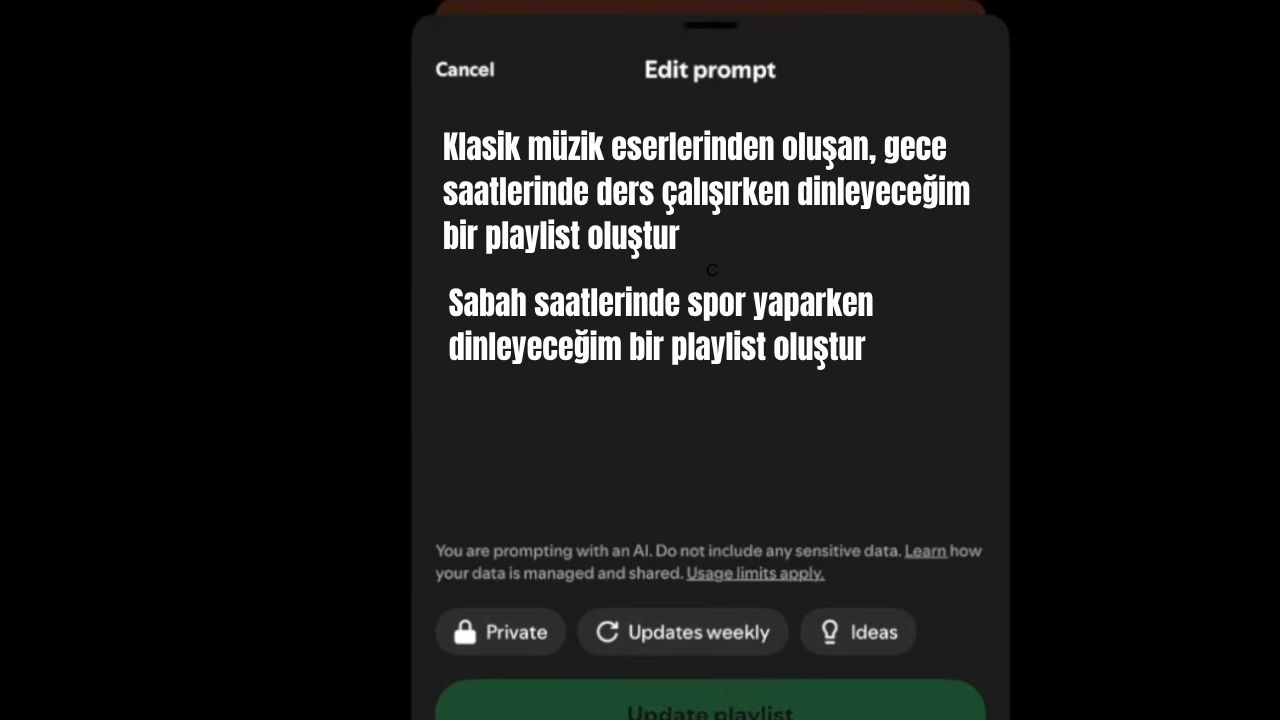
Write the kind of music experience you are looking for
The system will create a playlist automatically
Tips for better results
State the mood: sad, energetic, or nostalgic, for example
State the time: night, morning, or while exercising
Add a genre: rock, jazz, pop
Example prompt: Calm lo-fi music that helps you focus while studying at night
Why this feature matters
It detects user intent directly
It shortens discovery time
It delivers more accurate recommendations
This also strengthens the concept of personalized music experience control.
How Does the Smart Reorder Feature Optimize the Playlist Flow?
Spotify Smart Reorder is one of the most discussed topics following the 2026 updates. This feature automatically sorts the songs in a playlist into the best listening flow.
How does it work technically?
The Smart Reorder system analyzes BPM (tempo), checks key compatibility, and plans transitions based on energy level. The benefits for users can be listed as a smoother playlist experience, fewer abrupt transitions between songs, and longer listening sessions. In this way, Spotify becomes a platform that not only guides users but also optimizes their experience.
Who is it ideal for?
People who exercise
People who take long trips
People who want to concentrate while working
Steering the Algorithm: How Spotify Provides User Control
The most important change at Spotify is that the algorithm no longer works in one direction only. Users are now in a position to steer the system. This approach is called steering the algorithm. You can steer the algorithm by using prompts, liking or skipping songs, editing playlists, and filtering by genre. In the past, the algorithm analyzed the user; now the user tells the algorithm what to do. This change is turning music platforms into personal experience engines.
Why does it matter?
You get more accurate recommendations
Discovery happens faster
Your listening habits take clearer shape
What Is the Strategic Value of Audio Data in 2026 Digital Marketing Strategies?
These developments on Spotify have also brought significant changes to the digital marketing world. In content production, a genre-focused approach is no longer enough, and mood and context have come to the forefront. On the platform's previous approach, searching for the best pop songs was sufficient, but the new approach has changed to light pop music to listen to while drinking morning coffee. This approach has become even more important with the 2026 Spotify AI updates.
Next-generation content approach
Mood-based content
Storytelling
Usage-scenario-driven production
With Spotify Music Discovery, Control Now Belongs to the User
As of 2026, Spotify music discovery has moved away from classic algorithmic recommendation systems and become a structure fully controlled by users. Thanks to the AI update, users will no longer use the Spotify app only to listen to music; they will be able to enjoy music while using Prompted Playslist to deliberately design their own listening experiences, and control the tempo and keys of songs in a list with Smart Reorder. They will also be able to share the playlists they create with friends. On the other hand, some see this move by the platform less as a way to improve the music experience and more as an effort to retain subscribers against rival music platforms. The Spotify AI update is reportedly an attempt to maintain its competitiveness against companies such as YouTube Music, Apple Music, and Amazon Music, according to reports.
Because the update is still in Beta, it is not available in the desktop app and is not open to every user yet. The feature was first offered to premium mobile app users in the United States and Canada, and it is expected to become available worldwide soon.
WriterClaude AI Öğrenme Modu: Artık Herkesin Erişebileceği Bir Araç


2026'da Öne Çıkan Yapay Zeka Reklam Araçları


