Stress Reduction with Virtual Reality (VR) and Auged Reality (AR)
Automatically translated
 Creator
Home
Stress in today’s world has become a common problem that negatively affects the quality of life of individuals. The intensity of business life is among factors that increase social pressures and personal problems, stress levels. At this point, technology offers significant opportunities in innovations, stress management and reduction. Technologies such as Virtual Reality (VR) and Augmented Reality (AR) are the forefront as effective tools to help individuals cope with stress. In this article, we will examine the effects on stress reduction with virtual reality (VR) and augmented reality (AR).
What is Virtual Reality (VR)?
Virtual Reality is a technology that helps users interact in an environment created by computer. VR is often supported with special glasses and headphones and offers users a completely different experience from the real world. This technology is used in many areas from games to educational simulations.
Basic Components of VR
- Imaging Systems: VR glasses allow the user to see the environment in a virtual environment.
- Sound Systems: 3D audio technology helps users experience the environment more realistic.
- Motion Monitoring: The sensors that monitor user’s movements increase interaction in virtual environment.
What is Augmented Reality (AR)?
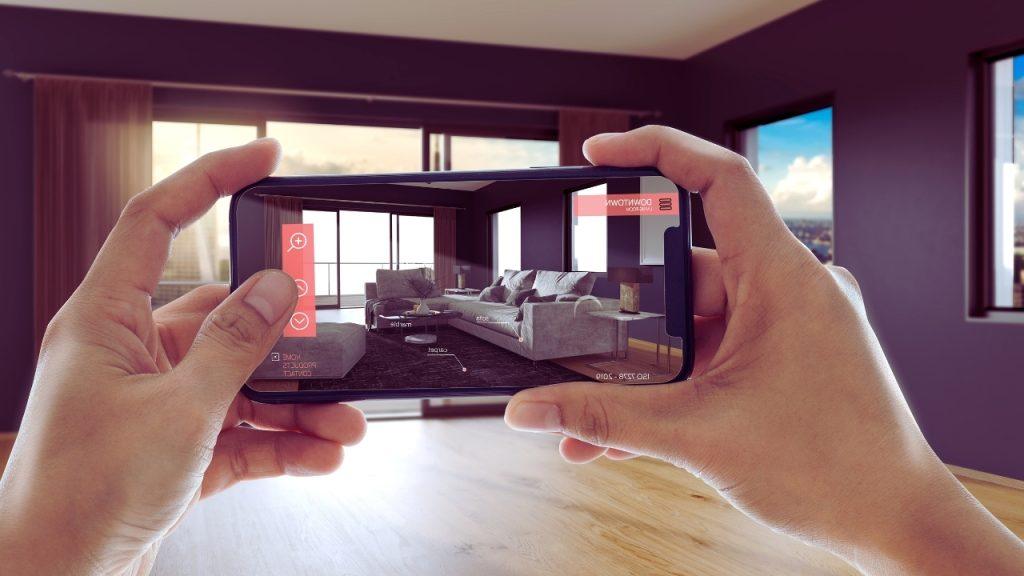
Augmented Reality is a kind of technology that combines the real world with virtual items. AR adds virtual objects to the environment of users in real time through smartphones or special glasses. This technology is used in many areas from education to entertainment.
Basic Components of AR
- Display Devices: Smartphones, tablets or AR glasses can be counted.
- Sensors and Cameras: It can be considered devices that place virtual objects by detecting the real world.
Stress and Stress Management
Stress is a reaction that individuals feel in the face of challenges they face. Stress in short term can be negative effects on health in the long run, while improving performance. Stress management contains strategies that help individuals cope with stress.
Symptoms of stress Home
- Physical Symptoms: Headache, muscle tension, sleep disorders can be counted.
- Emotional Symptoms: Anxiety, irritability and depression can be counted.
- Behavioral Symptoms: Social isolation, appetite changes can be counted.
Stress Reduction Methods With VR and AR
1. Meditation in Virtual Environment
VR technology allows users to meditate in virtual environments. For example, users can meditate on a virtual beach or nature. Such experiences provide mental relaxation and lowers stress levels.
Application Samples
- VR Meditation Applications: Users can make guided meditation in virtual environment.
- Nature Landscapes: Virtual nature landscapes help users relax in stressful moments.
2. 2. Virtual Reality Games
VR games offer fun stress. Users can reduce stress by interacting with different characters in virtual worlds. These games provide users with social interaction and entertainment.
Game Types
- Action Games: Users can stress by experiencing adventures in virtual worlds.
- Puzzle Games: Puzzles that engage in mind help reduce stress.
3. Social Interaction with Augmented Reality
AR technology allows users to interact with virtual objects in the real world. This can help reduce stress by increasing social interaction. For example, playing AR games with friends, strengthens social ties.
Application Samples
- AR Games: Users can interact with friends to find virtual objects.
- Virtual Events: Virtual events organized with AR enhance social interaction.
4. Virtual Therapy Sessions
VR allows therapists to interact in virtual environment with their patients. This type of therapy is an effective method for anxiety and stress management. Users can cope with stress by working in virtual environments with therapists.
Therapy Types
- Exposure Therapy: Users can reduce their stress by facing fears.
- Guided Therapy: The therapists can guide users in virtual environment.
Advantages of VR and AR
- Reality Experiences: Users can reduce their stress by experiencing realistic experiences in virtual environments.
- Accessibility: VR and AR applications can be used anywhere and provide convenience in stress management of individuals.
- Personalization: Users can make stress management more effective by personalizing their experiences.
Limitations of VR and AR
- Cost: VR and AR devices can be cost-effective for some users.
- Technology Dependency: Continuous use can lead to technology dependence in some individuals.
- Physical Relaxations: Long-term use may cause physical discomfort such as dizziness or nausea.
Future Perspective
In the future, the impact of VR and AR technologies in the field of stress reduction will increase further. These technologies integrated with artificial intelligence and machine learning can offer more personalized experiences than users’ needs. Furthermore, the use of these technologies in the health sector will be widespread and will play an important role in the treatment processes.
You can withdraw your interest: New Generation Game Technologies: Combining Virtual Reality and Augmented Reality!
Conclusion
Virtual Reality (VR) and Augmented Reality (AR) technologies offer significant opportunities for stress management and reduction. Users can track stress levels thanks to these technologies, apply relaxation techniques and improve social interactions. However, limitations of these technologies should be taken into account. In the future, VR and AR’s potential for stress reduction will continue to play an important role in enhancing individuals’ quality of life.
Creator