Tesla Optimus Gen 3: Humanoid Robotics and the 2026 Workforce Revolution
Automatically translated
 Writer
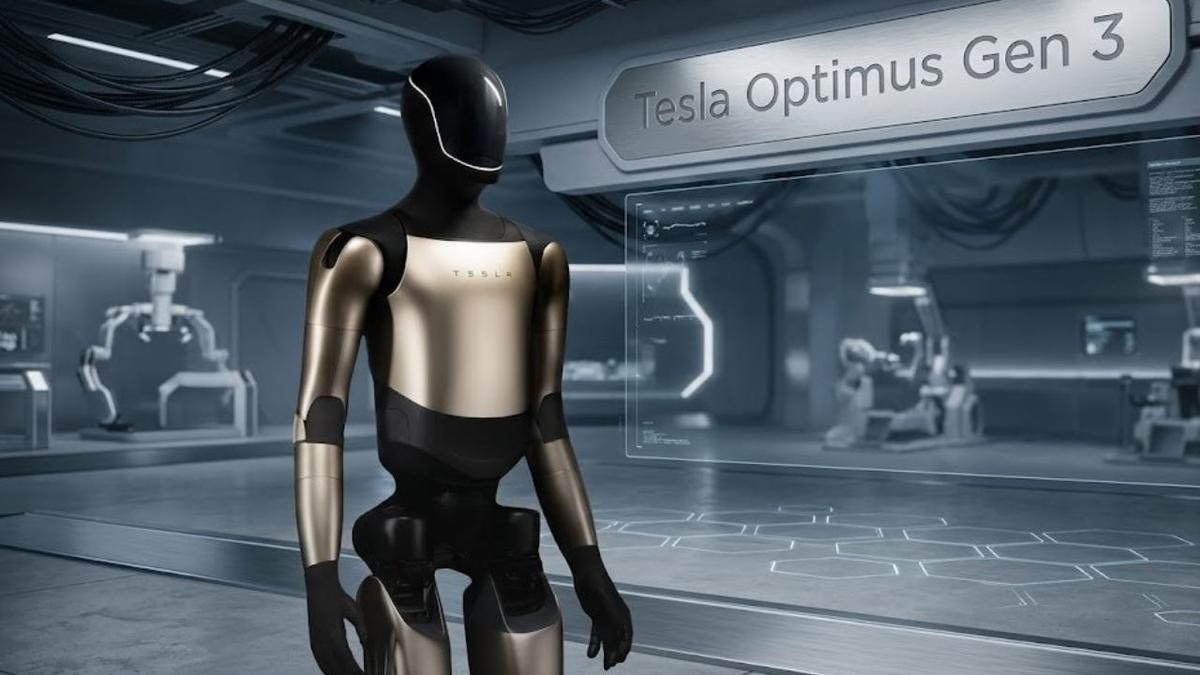
The Tesla Bot project, which Elon Musk unveiled in 2021 with a dancer on stage, has moved past the skeptical commentary and become one of the biggest technology stories of 2026. Today Tesla Optimus Gen 3, has moved beyond the prototype stage and sits at the center of an industrial and household transformation. The jerky movements of the early versions have given way to smooth mobility that closely copies human kinetics, backed by much stronger AI capabilities.
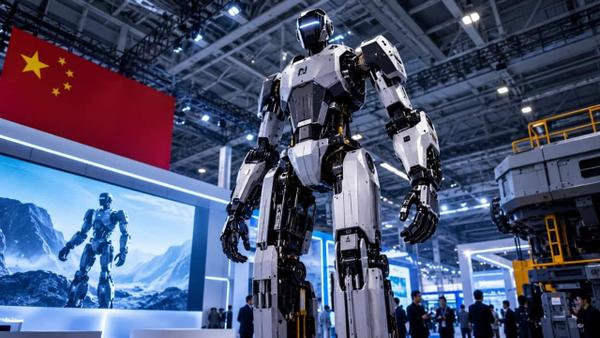
Thousands of units deployed on production lines at Fremont and Giga Texas show that humanoid robots are no longer just an idea but an active part of the manufacturing ecosystem. However, experts stress that scaling a structure made of roughly 10,000 components is still a major engineering challenge, especially for tasks that require delicate hand skills. Tesla's vision of transferring its car manufacturing experience to autonomous systems is poised to fundamentally change the 2026 labor market and the human-robot balance in factories.
What Are the Technical Specifications and Capabilities of Tesla Optimus Gen 3?
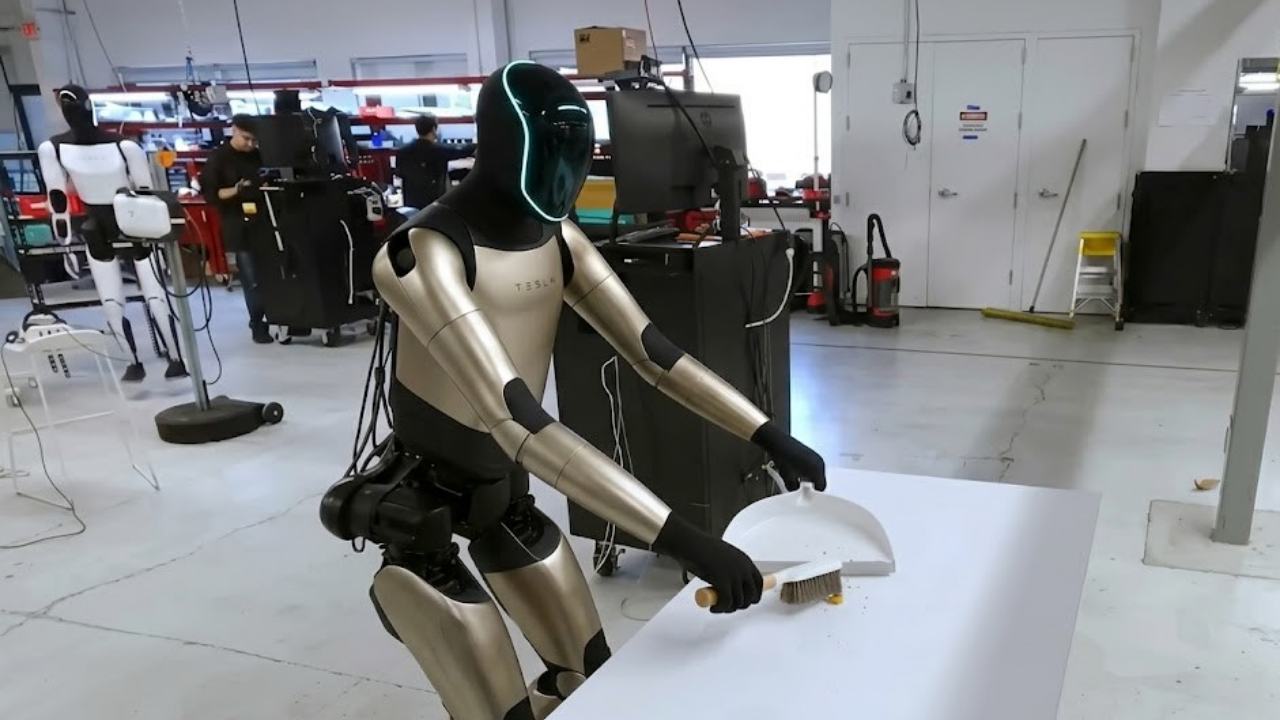
Tesla Optimus Gen 3 specifications offer the hardware set that comes closest to the human-equivalent definition in the robotics world. The biggest innovation of the third generation is the refinement of Tesla's in-house actuators and tactile sensors.
Advanced Hand Dexterity: With its new hands, which have 22 degrees of freedom, Gen 3 can grasp delicate objects without breaking them. This means it can do more than carry heavy loads; it can also handle tasks that demand fine craftsmanship, such as holding a lab test tube.
AI and Visual Perception: The robot uses a customized version of the FSD computer used in Tesla vehicles. According to Tesla Optimus technical specification data, the robot perceives its surroundings with full 3D depth maps instead of 2D cameras, and through neural networks it learns how to grip an object it has never seen before within seconds.
Battery Life: The 2.3 kWh battery pack allows the robot to complete a full-intensity work day, roughly 8 to 10 hours, on a single charge.
How Are Humanoid Robots Being Integrated into Gigafactory Production Lines?
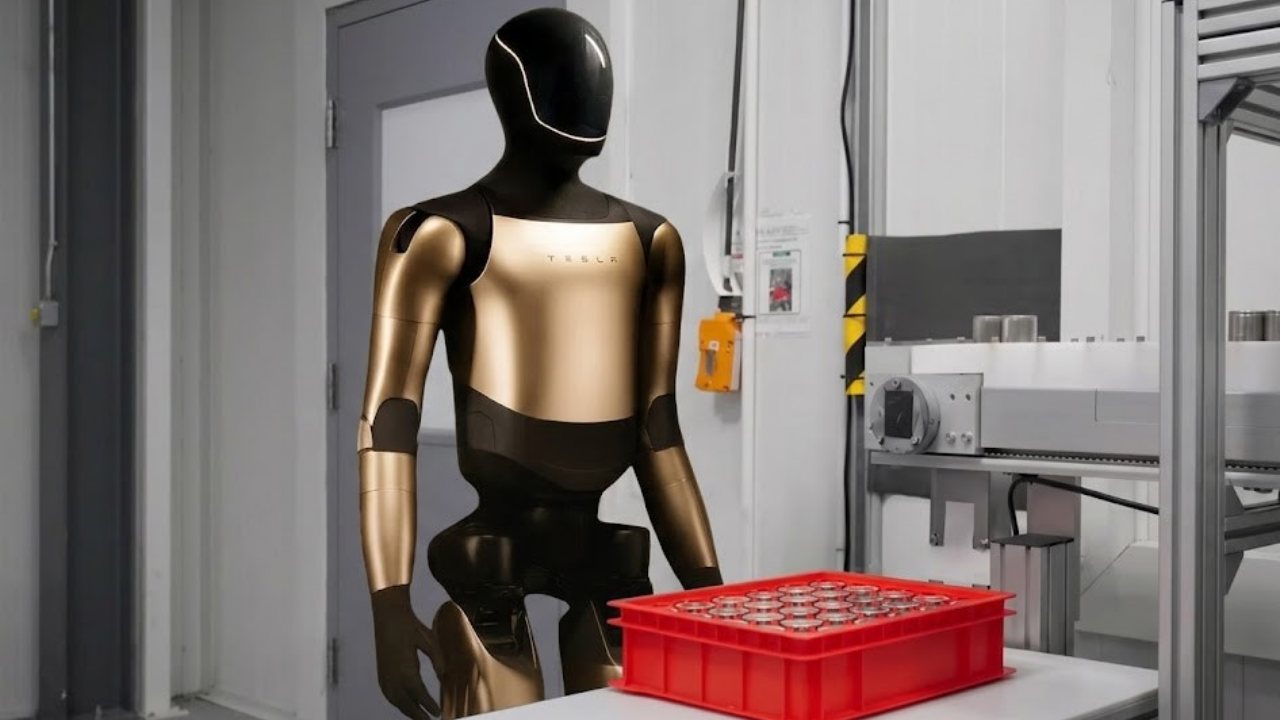
Tesla is using Optimus not only to sell but also to lower its own production costs. The integration process, which started at Gigafactory Texas and Berlin, serves as a practical guide to the industrial use of humanoid robots worldwide.
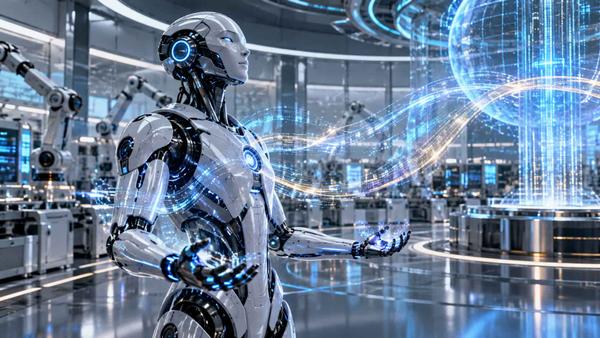
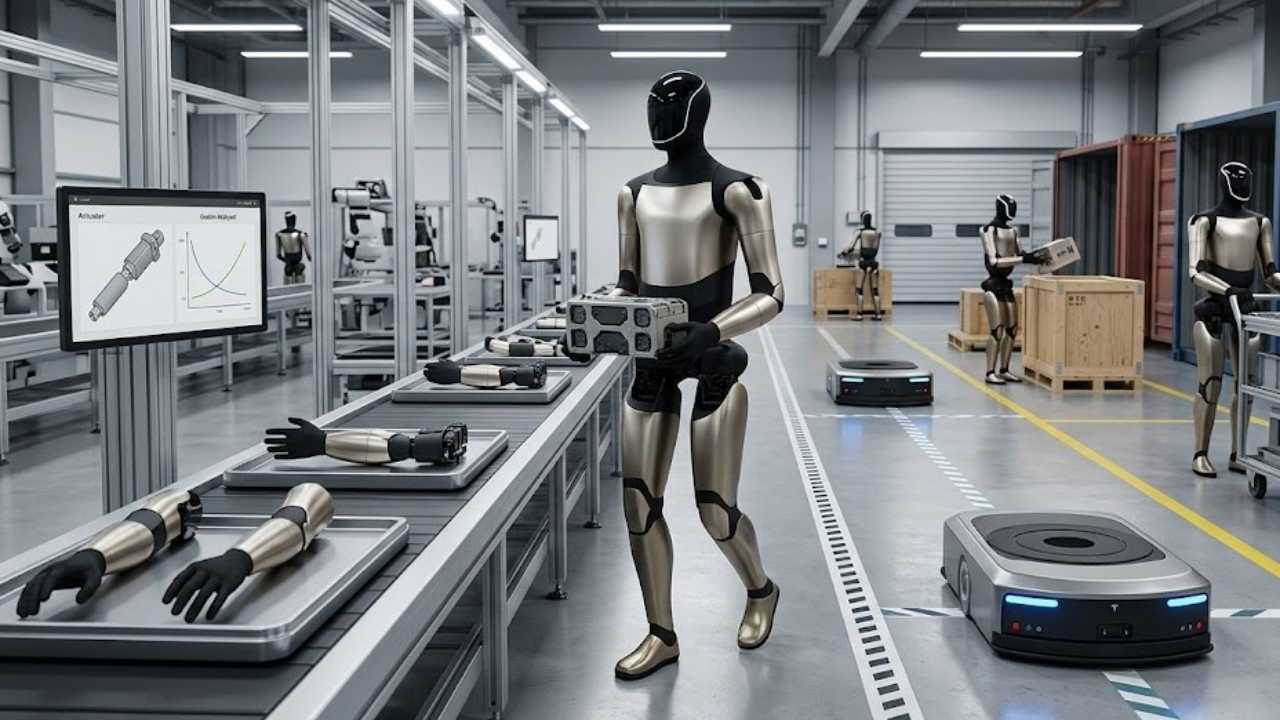
Traditional industrial robots are programmed to perform a specific task, such as welding or painting, at a fixed point. Optimus, on the other hand, fills the gaps on the factory floor. It works in tight spaces where standard automation cannot reach, in areas that still require human labor such as cable assembly, part transport, and quality control. The robots communicate with other autonomous transport vehicles inside the facility, becoming part of a logistics network and driving the margin of error toward zero.
What Is the Tesla Robot Price and 2026 Commercial Availability?
Economic accessibility, the question people ask most about Tesla's humanoid robot project, is taking concrete shape in 2026. In line with Elon Musk's vision of making it cheaper than a car, Tesla's management has set a long-term target of a $30,000 sale price at mass production. Reaching that figure, however, requires a very aggressive cost engineering process that optimizes 10,000 different components through vertical integration. Based on the data shared, the commercial picture in 2026 can be summarized under three main headings:
Production Cost and Profit Margin: Tesla plans to bring the unit cost down to around $20,000 by applying its experience with vehicle powertrains to the actuators. This strategy aims to make robots a profitable industrial product rather than just technological toys.
Pilot Applications and Mass Production: Spring 2026 is marked as a decisive period for real-world testing of Optimus. The production lines set up at Fremont and Giga Texas are expected to first deploy thousands of robots in Tesla's own facilities, then scale toward a massive capacity of 1 million units.
Market Accessibility: Analysts warn that the opening of the robots to external markets will be limited by the slowest component. Even so, Tesla, which has an advantage over its rivals thanks to vertical integration, aims to strike a price-performance balance that will fundamentally change labor economics in logistics and factory automation.
Skeptical experts question whether the $30,000 target can cover warranty and liability costs, but Tesla's scalability goals put 2026 forward as the year humanoid robots become commercial.
The Impact of Autonomous Robotic Labor on the Global Employment Market
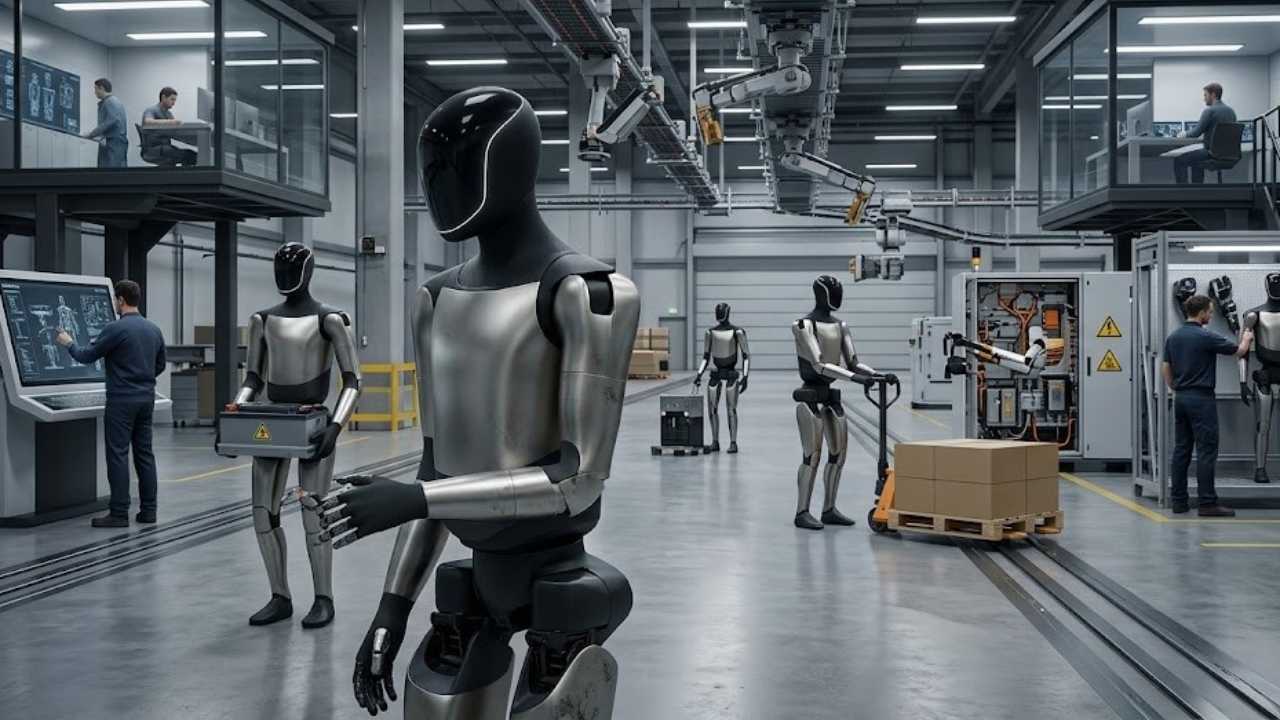
Autonomous robotic labor has become the most debated topic in the global economy in 2026. As Optimus and similar humanoid robots join the workforce, the handover of dangerous, boring, and repetitive jobs from people to robots has accelerated.
While this raises fears of a contraction in blue-collar employment, economists say a new era is opening. New professions are emerging, such as robot maintenance, fleet management, and robotic AI training. However, it is clear that governments must speed up universal basic income or reskilling programs so that low-skilled workers can adapt to this transformation.
What Tasks Can Tesla Optimus Perform as a Home Assistant?
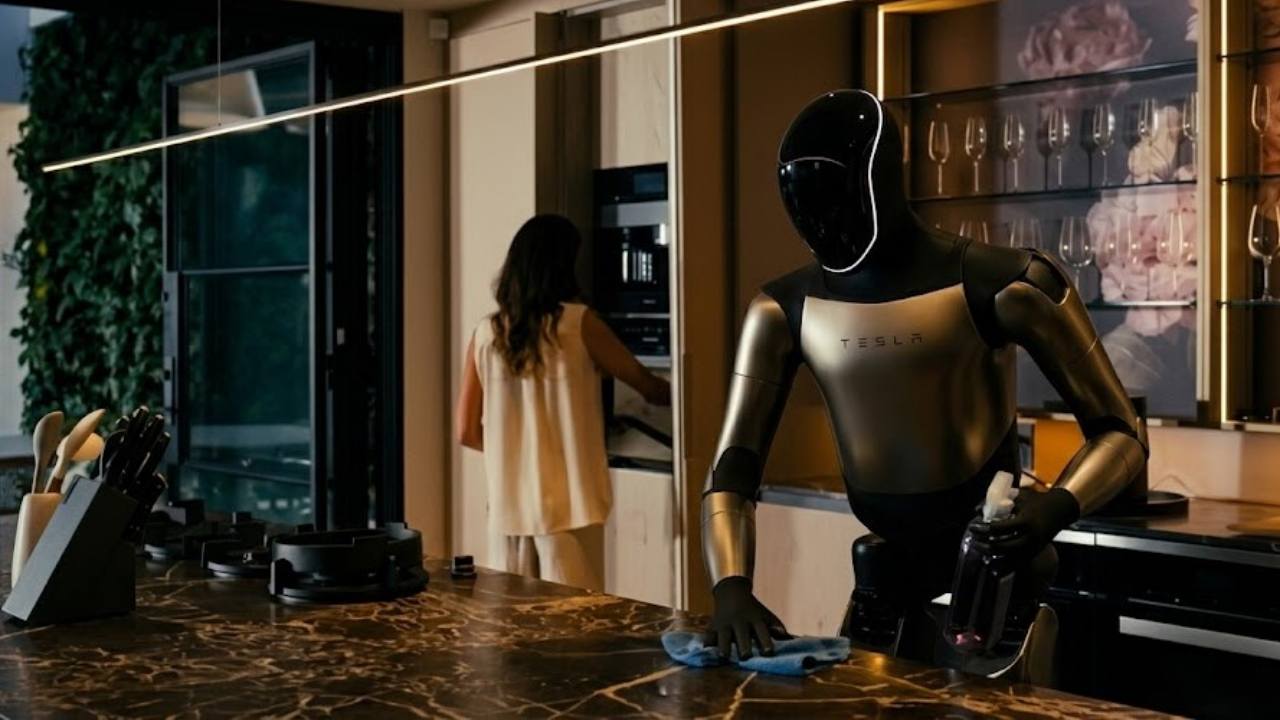
Scenes from science fiction films are now entering our homes. Tesla's home assistant robot capabilities, with Gen 3, aim to remove the chores of everyday life.
Household Chores: Optimus can autonomously fold laundry, empty the dishwasher, and carry grocery bags.
Elderly and Disability Care: The robot's precise movement ranges from reminding someone to take medication to supporting an individual who struggles to stand up.
Education and Entertainment: Integrated with a Grok-based AI model, the robot offers interactive experiences, from playing games with children to practicing a foreign language.
In all these respects, Tesla Optimus Gen 3 aims to be more than a technological device and to become a turning point that fundamentally changes humanity's relationship with physical labor. 2026 looks set to go down in history as just the beginning of this change!
WriterTasarım Yapay Zeka ile Nasıl Kullanılır?


Janitor AI Nedir, Türkçe Kullanılır mı? JanitorLLM