The New Period for AI School Safety is Started!
Automatically translated
 Writer
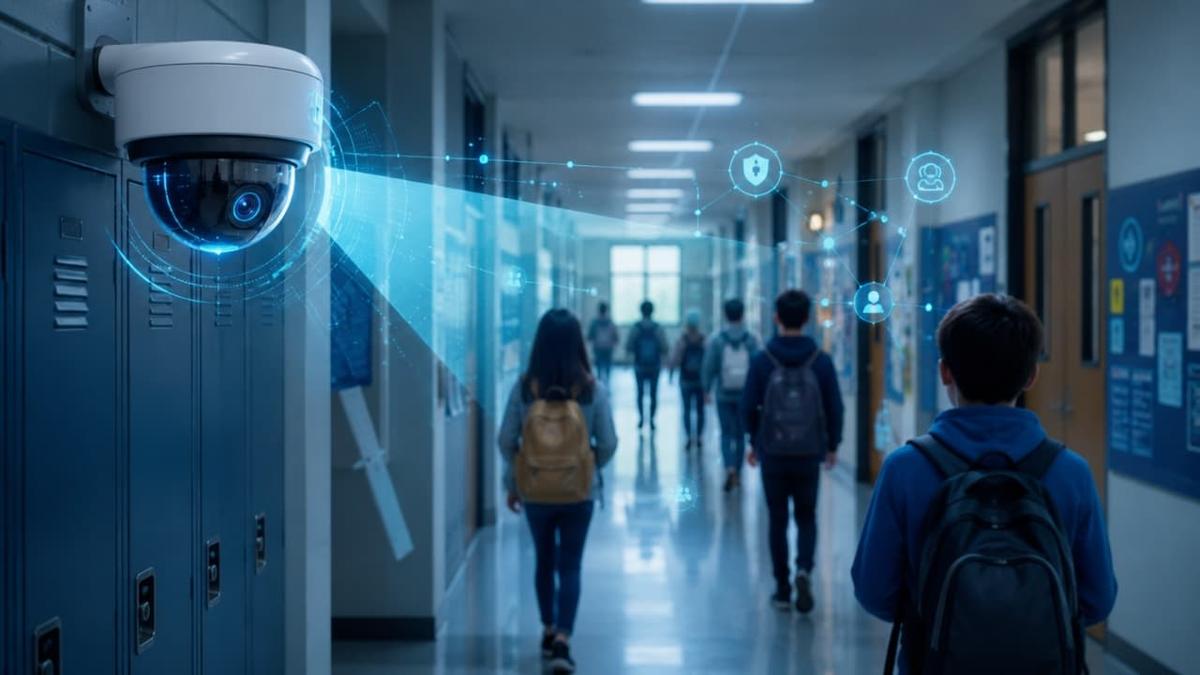
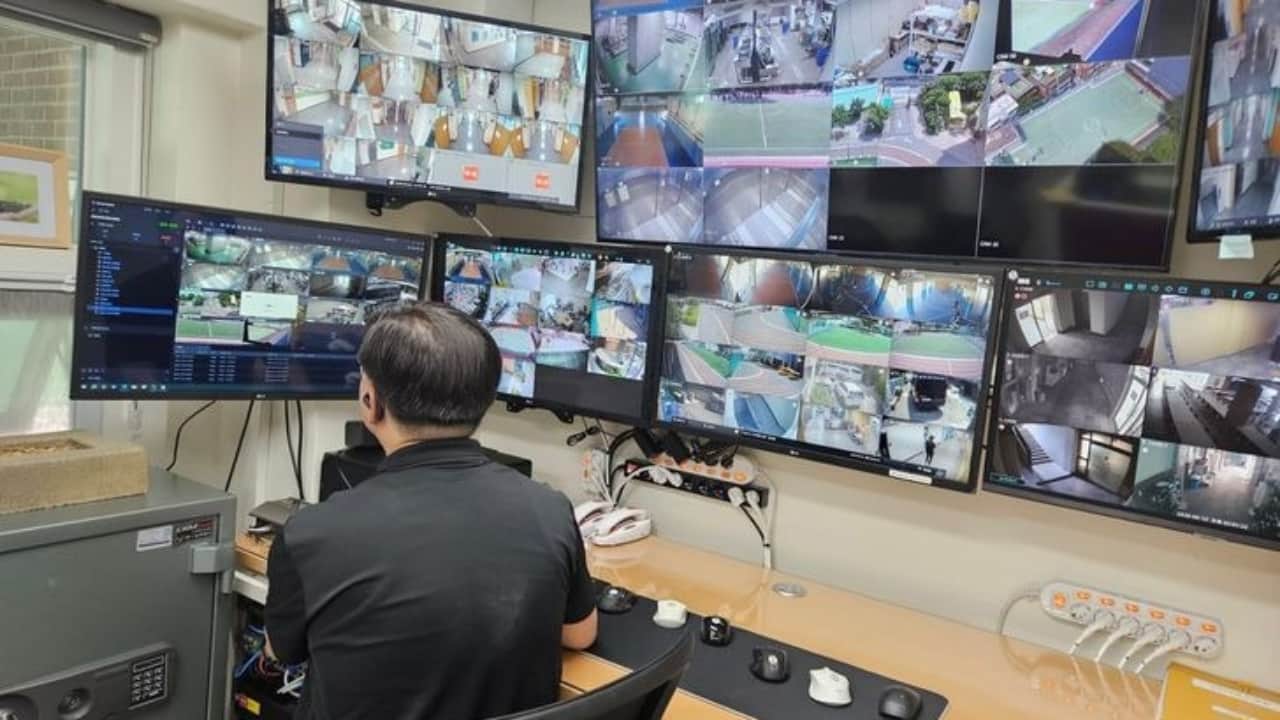
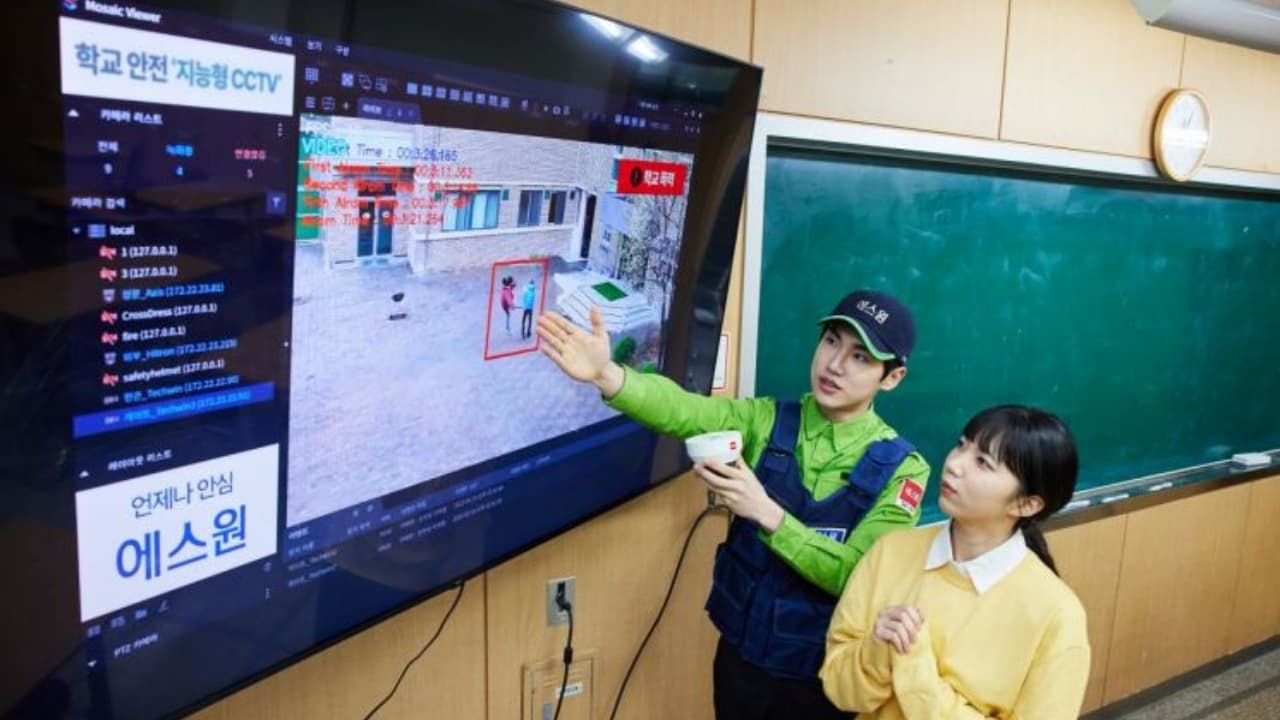
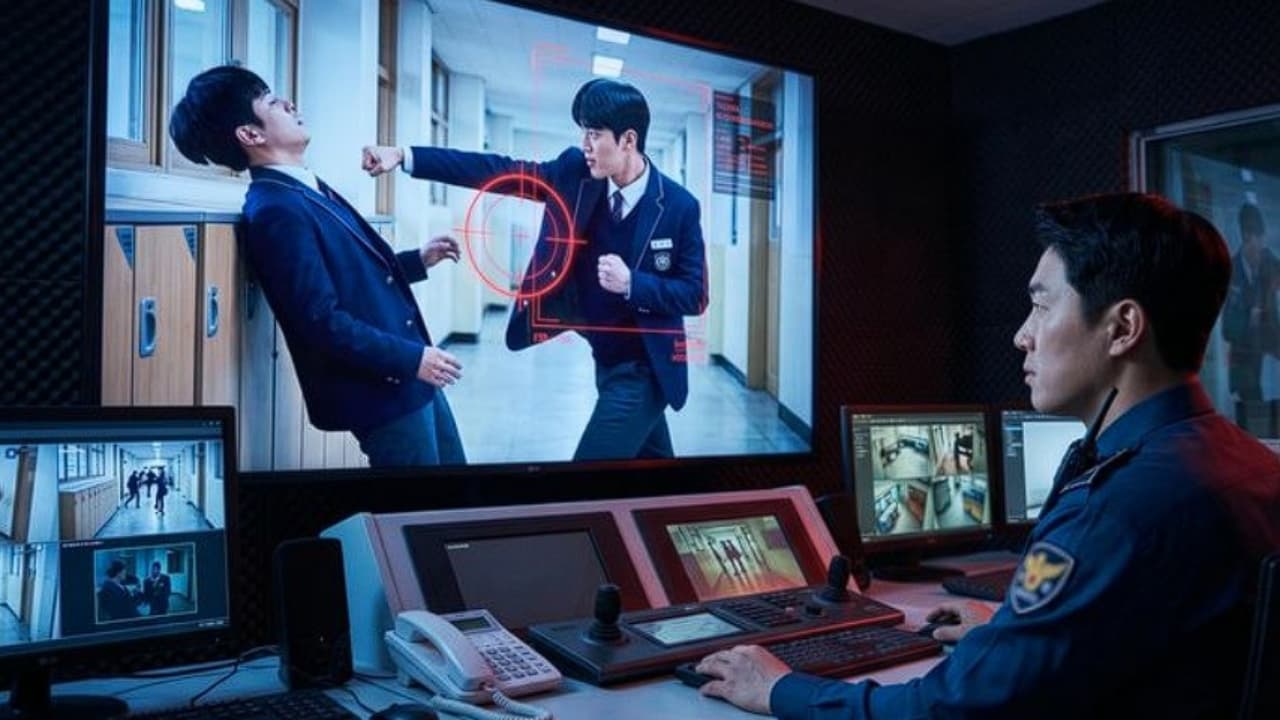
We enter the school corridors in a period where not only with the teacher eye, algoritmic is carefully monitored. The educational institutions in South Korea redefined the concept of school safety, taking into the field of artificial intelligence-supported surveillance systems that can instantly capture and interfere with the bullying event. Every student on the field is followed by a blue marker in the control room established in a high school in the Seodaemun district of Seoul, when a push-like movement is detected between two students, the system points it as a possible fight and send instant notification to the phone of the administrator.
Early Warning Systems from Security Cameras: Paradigma Exchange Home
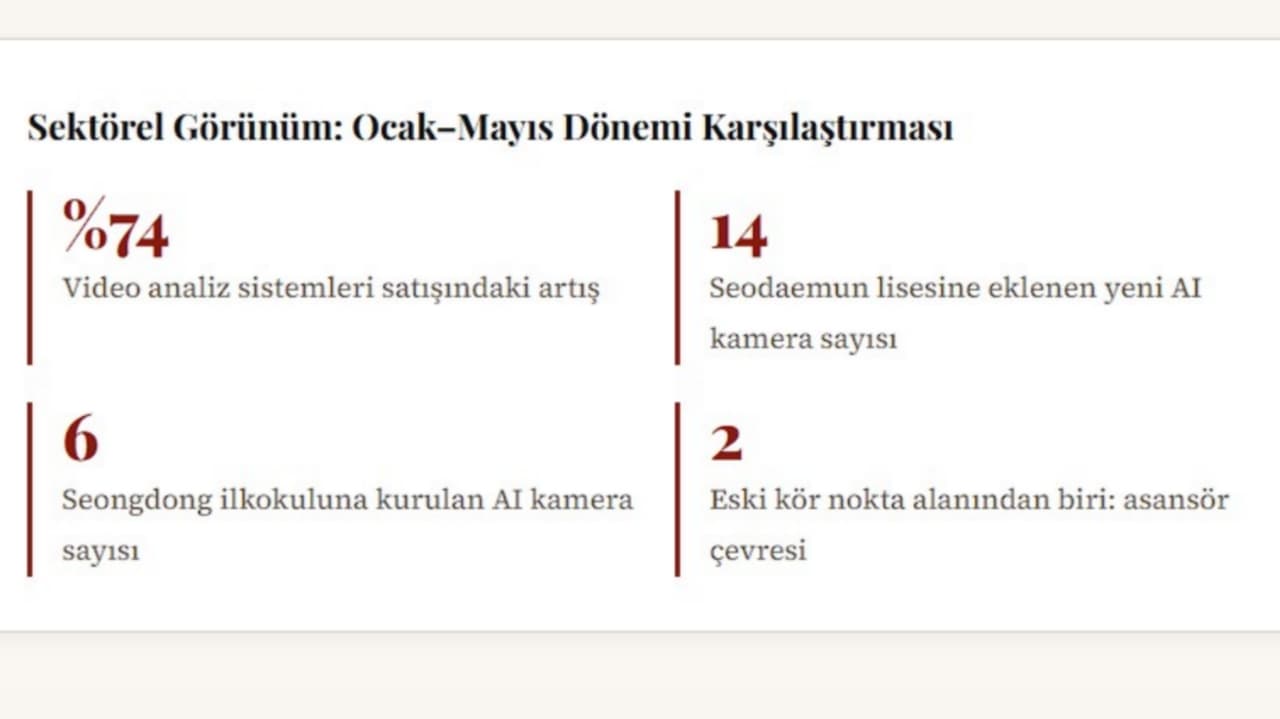
Traditional security cameras were criticized as passive tools that offer only post-event evidence for a long time by educators. Today, schools are in a race to completely eliminate blind spots. Operating in the field of security technologies S-1 company, The sale of video analysis systems including AI-supported cameras provided to schools explained that this year shows a marked leap compared to the same period of last year in January-May. This data is a concrete indicator of the transformation, which can be called as a transition from reactive security in academic literature.
Instant Warning From Motion Analysis
The logic of system processing is based on behavior recognition algorithms in image processing. Two or more people are analyzed sudden and irregular movements that occur in moments that are close to each other, when a possible physical conflict is detected, the system informs administrative personnel without waiting for human intervention. In Seodaemun, high school, play area, waste collection area and two elevator surroundings, the pre-blind spot was placed on four new cameras. School management states that there is no longer available space on the campus after this investment.
Border Violation: Virtual Environment Technology
Another component that pays attention to the system is the virtual limit application defined for restricted areas such as the roof entrance of the gym. In the case of this limit, the system gives a voice warning, so if there is no physical barrier, a behavioral deterrent is provided. This approach creates a concrete example of digital code of spatial rules in intelligent school system design.
Artificial Intelligence Offers a New Approach in Zorbascence Detection
The challenging events in schools often occur in invisible areas and the difference of the incident for the intervention of the teachers is delayed. The new generation of artificial intelligence-supported surveillance systems aim to identify the camera images, behavioral images and unusual movements in the early stage of risk situations.
Thanks to this technology, physical conflicts that may be experienced among students can be sent to school management by noticeing the signs of threat behavior or difficulty. Thus, instead of the “interruptcy interfering” model in the classical security concept, the approach of “taking measures before taking place.” In some smart security applications in South Korea, it is aimed to increase early intervention capacity with artificial intelligence-based analysis systems.
How Does Smart School System Change Education Safety?
Future education institutions not only from technological classes or digital classroom materials. Smart school system creates a wide structure that covers data-supported solutions to reduce the safety of students and reduce the workload of teachers and make more efficient decisions of school management.
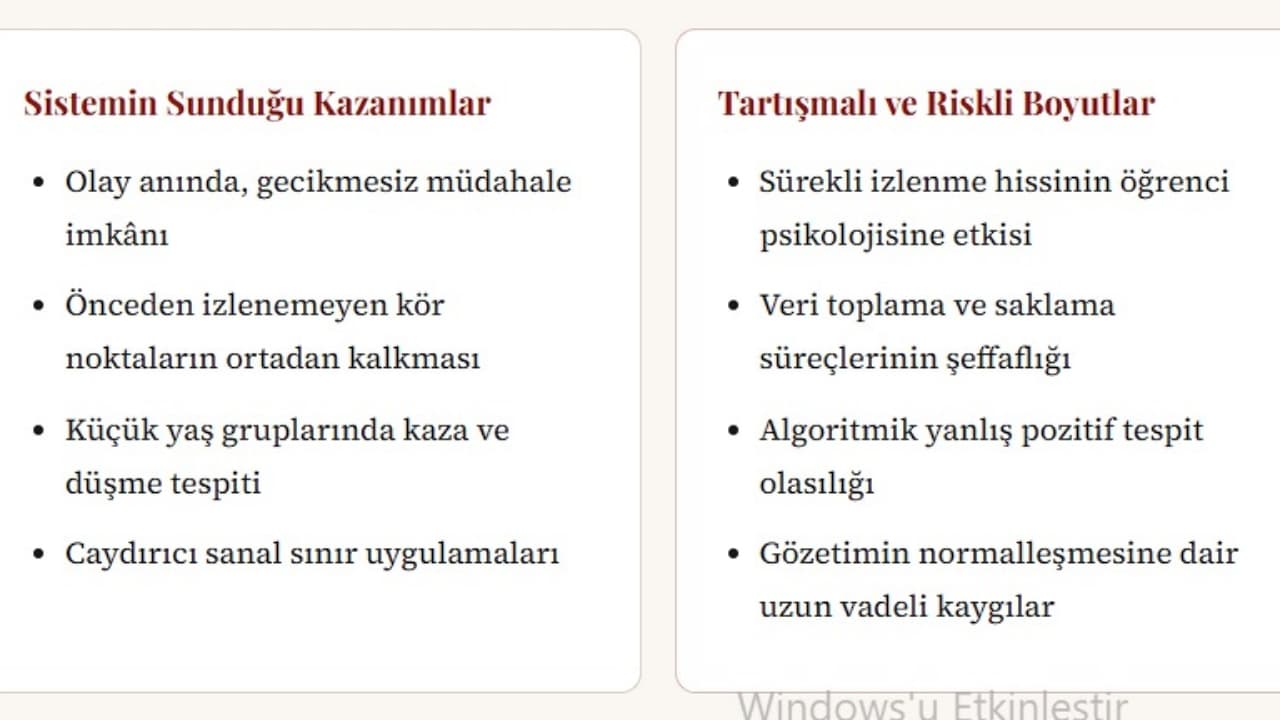
Artificial intelligence-supported security systems have the potential to identify unusual situations by analyzing student movements, detect risk zones in school and enable security teams to move faster. These developments in educational technologies aim to make school environment more controlled and secure.
However, this transformation in academic circles is evaluated not only in terms of technological success, but also with ethical dimensions. Student privacy is among the basic headers that need to be discussed, the role of personal data protection and the decision processes of artificial intelligence. Similar AI tracking systems used in different countries reveal new questions about data privacy as well as security benefits.
Security and Ethics Balance in Educational Technologies
The use of artificial intelligence in schools accommodates important opportunities for educational systems. AI systems can serve as a supporting tool in large educational environments where teachers are not always able to track every point. Especially bullying, cyber bullying and attention to the analysis power provided by artificial intelligence in early notice of psychological risks of students. Academic studies also show that artificial intelligence-based systems are researched to detect online kebab content and support interfering processes.
However, positioning artificial intelligence as a observer requires careful policy development of educational institutions. The technology should not be used to improve the safety of students, but it should not turn into a structure that will lead students to the feeling of being constantly monitored.
Social Context: The Effects of Teacher Authority Wear and Popular Culture
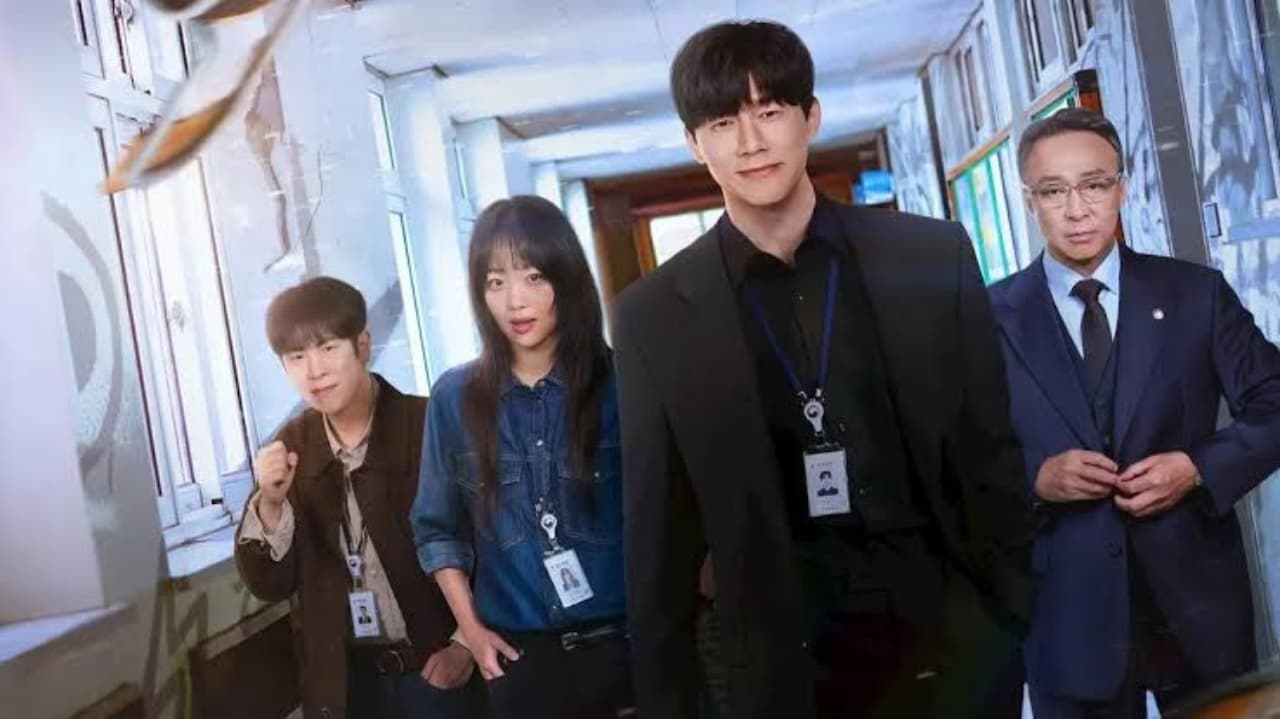
The driving force behind this technological breakthrough is not only a technical preference, but also the reflection of a social concern. The rise of public sensitivity on the weakening and school bullying of class authority relations is considered among the main factors that feed these investments. The series "Teach You a Lesson" that broadcasts Netflix and creates a discussion with densely challenging scenes also stands out as a cultural reference point that strengthens this public perception. The indirect effect on public policy and technology investment decisions of popular culture products from academic perspective offers a remarkable example of studying in the field of educational sociology.
Safety in Small Ages: Seongdong Primary School Example
The application area of technology is not only limited to difficulty. A primary school in Seongdong district of Seoul placed six artificial intelligence-supported cameras to the entrance of the car park connected to the school’s destination. These cameras are working with an algorithm that recognizes the fall movement and a high voice alert is triggered in the control room if a student falls on the ground. School management expresses that this system increases its capacity to interfere with serious accidents that concern students at small age.
Algorithmic Surveillance in Global Scale: Is A Prototype For Other Countries?
This technological move, which South Korea started, not only in Asia borders, but also serves a comprehensive laboratory for global educational policies. The US, UK and some European countries, particularly struggling with similar peer difficulty, in-school violence and discipline problems, began to closely follow the operational outputs of this project in Seoul and long-term effects on student psychology.
In academic circles, it became one of the most important research topics that these systems can be integrated into different socio-cultural structures. For example, physical distance and body language patterns in the eastern communities show serious differences in peer interactions in western societies. Artificial intelligence algorithms developed must be able to distinguish the line between gestures, mimic, joke-purpose pushes in different cultures and real micro-aggressions without any error.
This situation transforms the vision of educational technologies into a global scale cultural adaptation and standardization discussion from a simple software integration. This step, which South Korea jumps, offers both a technical guide and a ethical test area for all world countries that aim to establish security and freedom balance.
Academic Perspective: The Future of Educational Technologies
South Korea sampleIt shows that artificial intelligence-supported monitoring systems are not only a regional case, but a reference point that can shape global educational technologies policies. For academicians, this development brings new research questions about how to establish balance between technology acceptance, corporate trust and student rights. Smart school system design is not only engineered; pedagogical, law and ethical disciplines should be addressed in the intersection, it stands out as the most prominent academic interests offered by this case.
Integration of artificial intelligence bully detection technologies into school environments invites educational glass to rethink on privacy, authority and technological dependence while providing a technical response to security concerns. In the coming years how this transformation will sit on a corporate and social framework, educational policy research will continue to be one of the important agenda substances. The main question in front of the educational world is no longer “Is it going to enter the intelligence schools?”; “How to be used in the right and ethical way for the safety of smart students”.
WriterTürkiye Japonya Drone İş Birliği Yeni Dönem Başlatıyor

AI ile Geliştirilen Oyunlar Steam Next Fest'te Öne Çıkıyor