The Future of Talent Management: Eightfold. English : Today’s dynamic business environment plays a critical role in the success of talent management and recruitment processes companies. The global talent scarcity, the continuous evolution of skills sets, increased diversity, equality and inclusive (DEI) expectations and mobile nature of the workforce, forced human resources departments to go beyond traditional methods. In complex and competitive environment, artificial intelligence (YZ) converter power is activated and ' 'The Future of Talent Management : Eightfold. AI As innovative platforms offer breakthrough solutions to overcome these challenges.
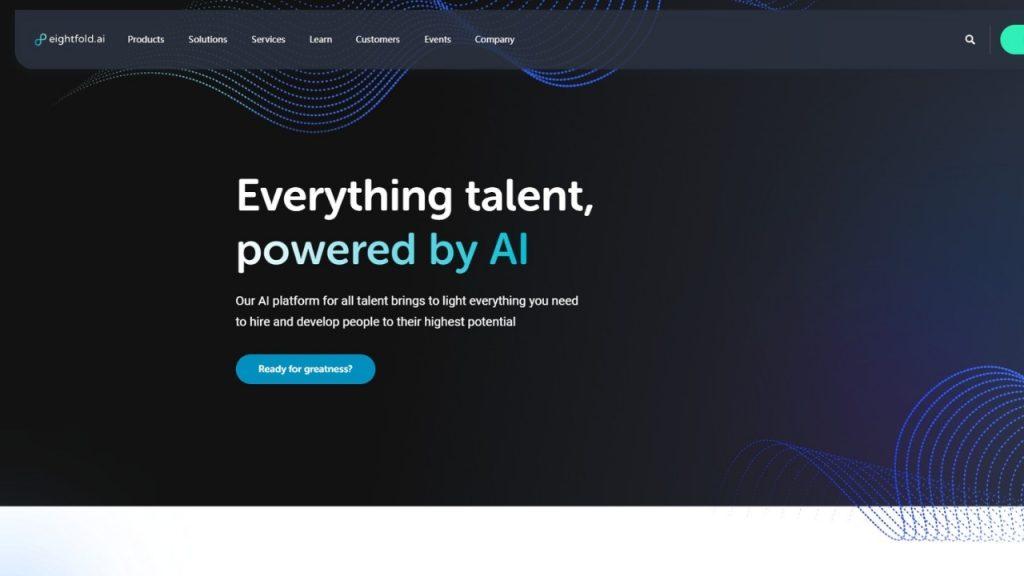
The future of talent management: Eightfold. EnglishIt is much more than a simple recruitment or candidate tracking system; it is a comprehensive AI-supported platform that shapes the future of talent intelligence and human resources management.
Transformation of Human Resources Management
For many years, recruiting and talent management was considered a "second" based on largely subjectives, personal networks and manual processes. Human resources experts often evaluate candidates by relying on their instincts, scans the resumes from hundreds of pages individually and internal terfi opportunities are often overlooked. This approach was also explained to human-borne bias, as well as time-consuming, and could often lead to the selection of the candidate with the best visible or best connections, not the most appropriate ability.
The platform aims to be a single source of accuracy for all decisions relating to talent by seeing both potential candidates and existing employees outside the company.
Eightfold. The Roots and Evolution of AI
Eightfold. AI, Founded in 2016 by Ashutosh Garg and Varun Kacholia. Both of the founders, Google and Facebook have trained engineers with critical roles in the world’s leading technology companies in AI and large data field, in-depth technical knowledge and sectoral experience.
Ashutosh Garg, when working on search rankings and advertising algorithms in Google, Varun Kacholia led news stream rankings and algorithm of alaka level on Facebook.
This background gives them a unique perspective on how they can solve inefficiencies, biases and talent loss problems in human resources processes with artificial intelligence. The HR area noticed that it has a fully discovered potential for its large data and AI analytics.
The future of talent management: Eightfold. English Today through advanced platforms, it is supported with integrated solutions covering recruitment, internal mobility, business power planning and DEI (diversity, equality and containerity).
The Future of Talent Management : Eightfold. Changing Dynamics With AI
Eightfold. EnglishThe structure that creates the spine of the most basic feature and AI-supported talent intelligence that distinguishes the competition, Global Talent Chart (Global Talent Graph) is a huge and continuous learning knowledge base called. This chart is created by the registered AI algorithms of the company, feeds and is constantly updated. So, what is this chart exactly and how do this offer powerful insights?
Global Talent Chart, billions of public data points (business ads, professional profiles, career websites, company websites, news, scientific articles, sector reports etc. ) and also eightfold.ai is created by analyzing the anonymous and combined in-house talent data provided by customers' consent. Among these gigantic and versatile data clusters are:
- Skills and Competences: Complex relationships between hundreds of thousands of different skills (technical, behavioral, cognitive) and these skills. For example, "Python Knowing "not only a programming ability, but also can be strongly associated with other skills such as "data analysis," "machine learning" or "automation". AI reveals hidden skills connections by learning these relationships.
Career Ways and Transitions: Millions of professionals track a career orbit in different companies, industries and positions. This helps to predict what roles from a certain role should be a natural pass or what steps should be taken to achieve a specific career goal.- Company Information: The companies’ size, sectors, cultural properties, growth rates and recruitment habits. This is critical to assessing the potential of a candidate to adapt to the corporate culture or understanding the talent demands in a specific sector.
- Industry Dynamics: fluctuations in trends, technological changes and talent demands of different industries.
- Education History: Universities, occupational schools, certificates and the effects of their specific career paths with programs they offer.
- Work Achievements and Performance Metrics: Principles of success in specific positions and basic skills and competencies required by them. (Customer data based, privacy protected)
The Future of Talent Management: Eightfold. English : Today’s dynamic business environment plays a critical role in the success of talent management and recruitment processes companies. The global talent scarcity, the continuous evolution of skills sets, increased diversity, equality and inclusive (DEI) expectations and mobile nature of the workforce, forced human resources departments to go beyond traditional methods. In complex and competitive environment, artificial intelligence (YZ) converter power is activated and ' ' The Future of Talent Management : Eightfold. AI As innovative platforms offer breakthrough solutions to overcome these challenges. The future of talent management: Eightfold. English It is much more than a simple recruitment or candidate tracking system; it is a comprehensive AI-supported platform that shapes the future of talent intelligence and human resources management. Transformation of Human Resources Management For many years, recruiting and talent management was considered a "second" based on largely subjectives, personal networks and manual processes. Human resources experts often evaluate candidates by relying on their instincts, scans the resumes from hundreds of pages individually and internal terfi opportunities are often overlooked. This approach was also explained to human-borne bias, as well as time-consuming, and could often lead to the selection of the candidate with the best visible or best connections, not the most appropriate ability. The platform aims to be a single source of accuracy for all decisions relating to talent by seeing both potential candidates and existing employees outside the company. Eightfold. The Roots and Evolution of AI Eightfold. AI, Founded in 2016 by Ashutosh Garg and Varun Kacholia. Both of the founders, Google and Facebook have trained engineers with critical roles in the world’s leading technology companies in AI and large data field, in-depth technical knowledge and sectoral experience. Ashutosh Garg, when working on search rankings and advertising algorithms in Google, Varun Kacholia led news stream rankings and algorithm of alaka level on Facebook. This background gives them a unique perspective on how they can solve inefficiencies, biases and talent loss problems in human resources processes with artificial intelligence. The HR area noticed that it has a fully discovered potential for its large data and AI analytics. The future of talent management: Eightfold. English Today through advanced platforms, it is supported with integrated solutions covering recruitment, internal mobility, business power planning and DEI (diversity, equality and containerity). The Future of Talent Management : Eightfold. Changing Dynamics With AI Eightfold. English The structure that creates the spine of the most basic feature and AI-supported talent intelligence that distinguishes the competition, Global Talent Chart (Global Talent Graph) is a huge and continuous learning knowledge base called. This chart is created by the registered AI algorithms of the company, feeds and is constantly updated. So, what is this chart exactly and how do this offer powerful insights? Global Talent Chart, billions of public data points (business ads, professional profiles, career websites, company websites, news, scientific articles, sector reports etc. ) and also eightfold.ai is created by analyzing the anonymous and combined in-house talent data provided by customers' consent. Among these gigantic and versatile data clusters are: Skills and Competences: Complex relationships between hundreds of thousands of different skills (technical, behavioral, cognitive) and these skills. For example, " Python Knowing "not only a programming ability, but also can be strongly associated with other skills such as "data analysis," "machine learning" or "automation". AI reveals hidden skills connections by learning these relationships. Career Ways and Transitions: Millions of professionals track a career orbit in different companies, industries and positions. This helps to predict what roles from a certain role should be a natural pass or what steps should be taken to achieve a specific career goal. Company Information: The companies’ size, sectors, cultural properties, growth rates and recruitment habits. This is critical to assessing the potential of a candidate to adapt to the corporate culture or understanding the talent demands in a specific sector. Industry Dynamics: fluctuations in trends, technological changes and talent demands of different industries. Education History: Universities, occupational schools, certificates and the effects of their specific career paths with programs they offer. Work Achievements and Performance Metrics: Principles of success in specific positions and basic skills and competencies required by them. (Customer data based, privacy protected)





 Creator