2026 Artificial Intelligence Workflows: Coding and Agent Guide
Automatically translated
 Admin
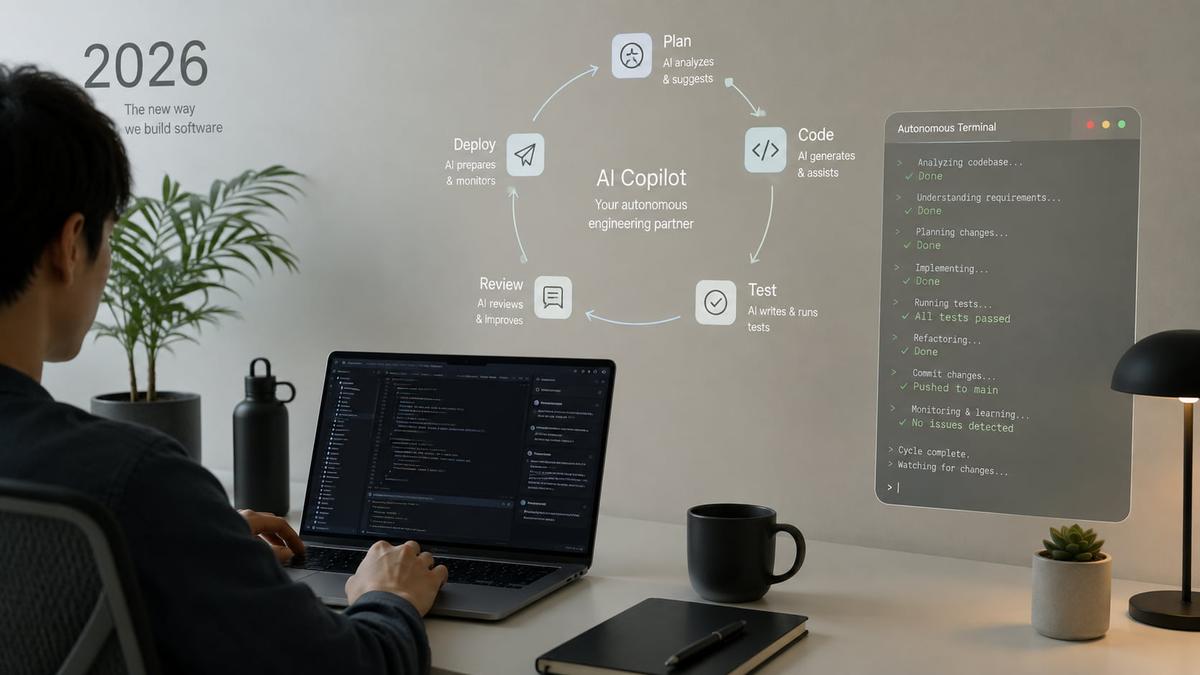
AdminOnly the code piece on a chat box on a web browser was glued and the use model, which was seen from waiting out. Modern engineering practices as of 2026; autonom loops working in the background, Model Context Protocol (MCP) married based data bridges and systemic development environments.
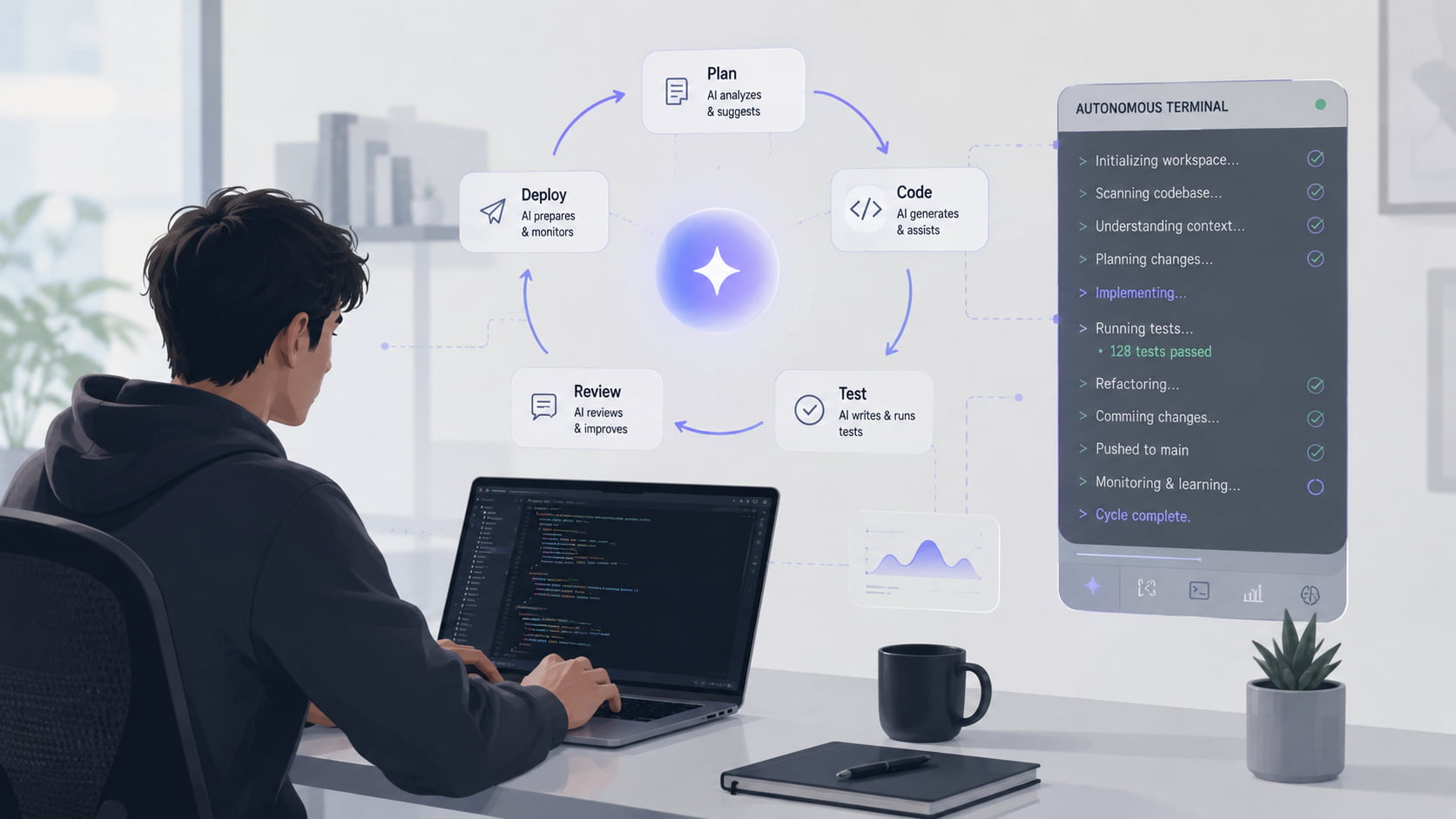
Today, using artificial intelligence with high efficiency; rather than writing single prompts, it means establishing the right architectural workspace and converting software loops into self-processing pipelines in human control. From code production to architectural specifications, from mobile devices to managing local terminal agents, let’s examine all steps how to install a comprehensive artificial intelligence workflow in 2026 standards, from reverse engineering to code base learning.
How to Changed Artificial Intelligence Workflows in 2026?
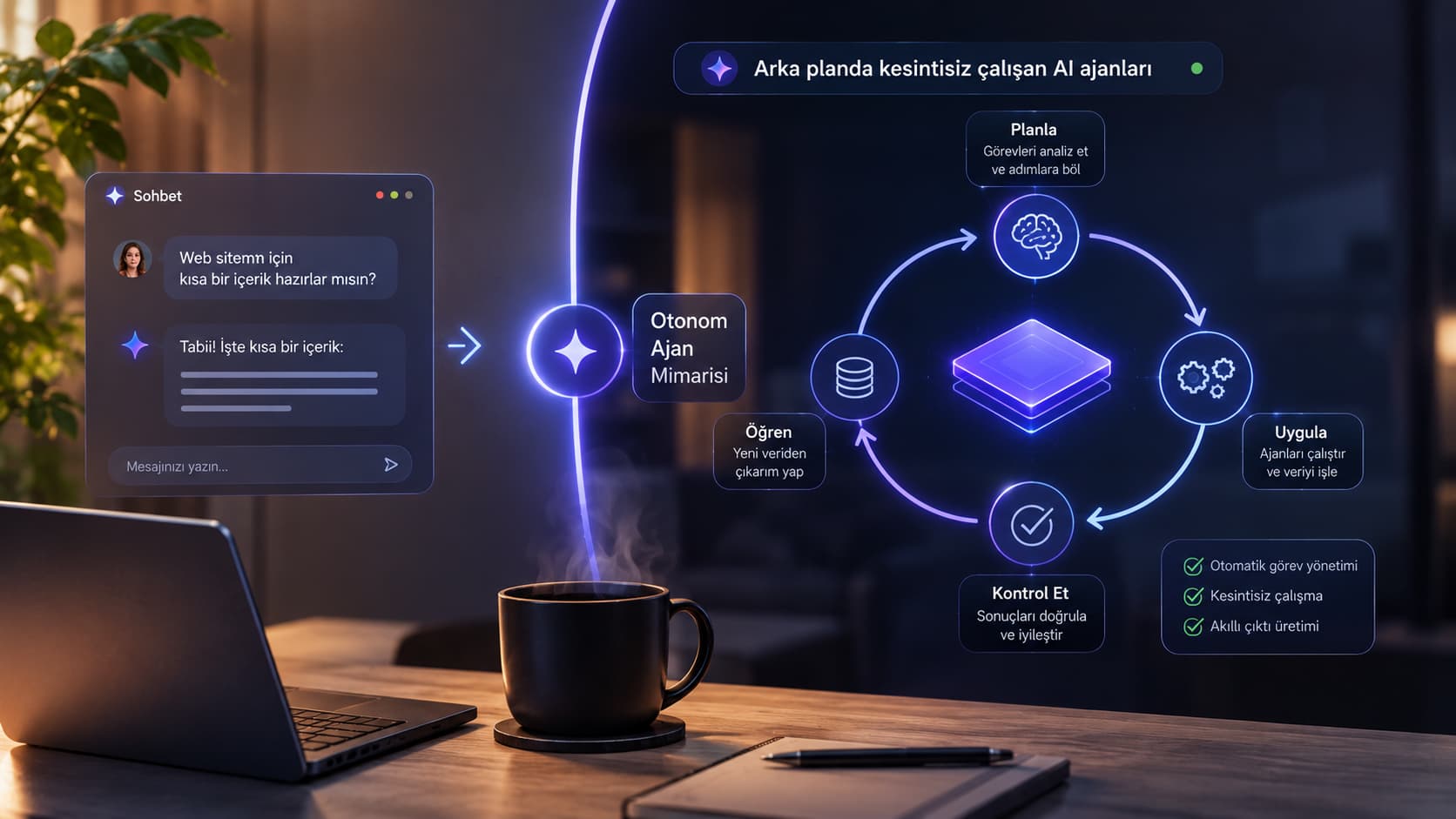
The basic paradigma change in the use of artificial intelligence tools is to switch to proactive and context sensitive work areas from the reagent question-cevap model. Instead of carrying out syntax errors that developers face to external windows, artificial intelligence models are placed directly in the development environment and the center of the file system. In this conversion developers Claude Code and terminal-based vehicle choice created a decisive standard.
In current workflows, the model does not only produce an isolated line of code, the directory structure of the project, the addictive tree, test packages and git history directly read on the terminal level. When starting a task, the model is not only the target; system definitions are transferred to the architectural rules of the project, coding standards and environment variables. The model does edit on the file, run the assembly command on the terminal and completes the process by deleting errors in itself.
How to Install "Shift-Left" and Test-driven Development (TDD) Cycle in coding?
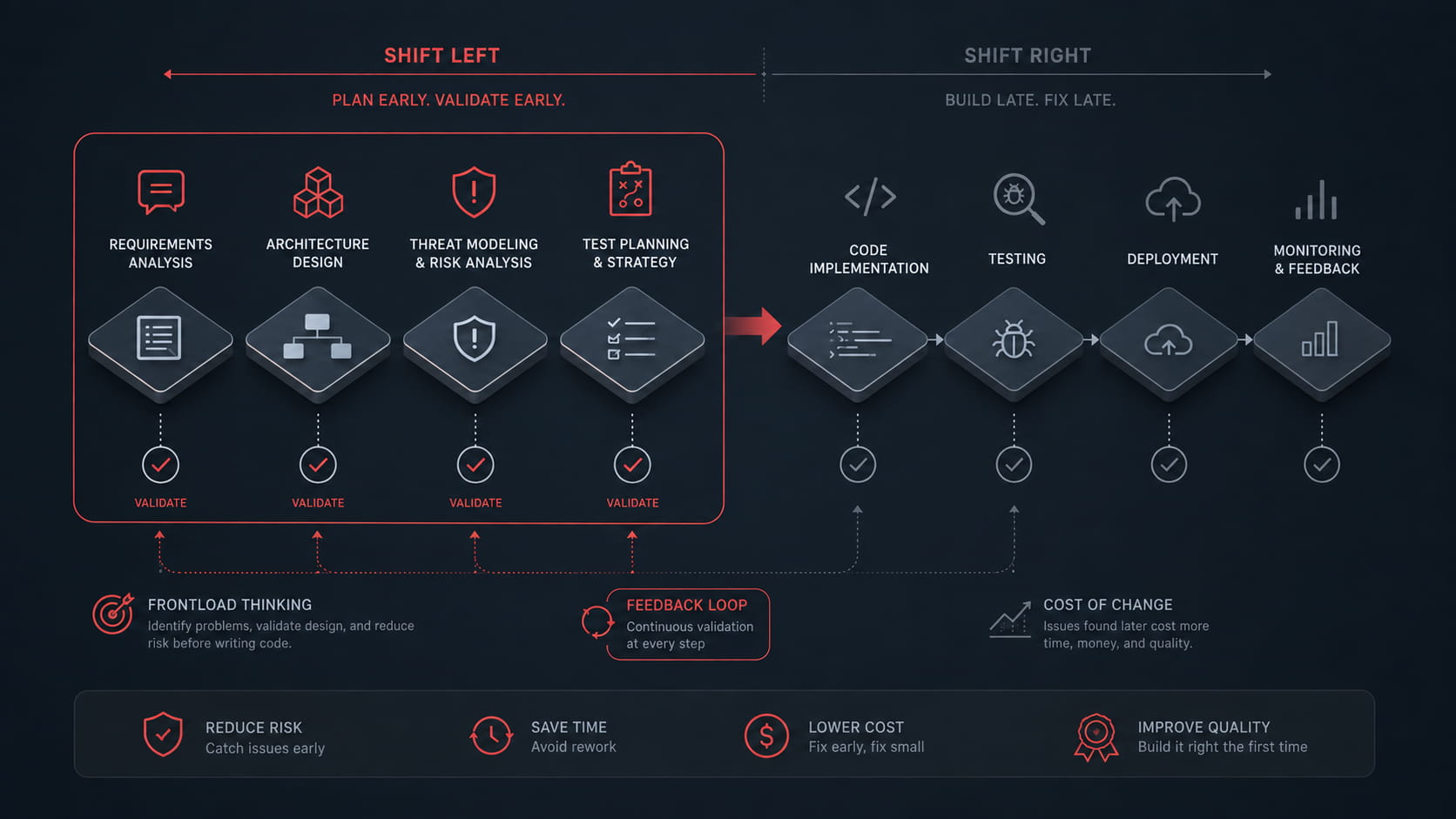
The biggest inefficiencies encountered in code writing with artificial intelligence is to try to clean assembly and logic errors directly if they want code production. The most healthy method accepted in 2026 engineering standards is to shift the planning, specification and testing design from the eforu coding stage by integrating "Shift-Left" approach into artificial intelligence cycles.
This cycle is operated as a four-stage pipeline:
Requirements and Architecture Separation: Instead of printing the application code directly to the model, the data models of the installed structure are questioned by security layers and external service dependency.
Extraction of End Scripts (Edge-Cases): It is desirable to list points, memory limits and invalid data input scenarios from model to system crash. At this stage prompt techniques for open problems with ambiguity Home architecture assumptions are tested.
Writing Tests Before (TDD): Before passing the code typing, the unit (unit) and integration test files that are suitable for the specified specification are produced into the agent. These tests are originally created to be unsuccessful (red).
Self Correction (Self-Healing) and Circuit Breaker (Circuit Breaker): The author of the agent application code, runs the test package and reorganizes the code by reading the error logs of the failed tests from the terminal. The rule of a limited "circuit breaker" is defined with 5 or 10 repetitions to prevent this cycle from entering or consuming uncontrolled tokens.
How to Build Tmux and Otonom Terminal Agent Architecture 24/7?
The most critical advantage provided by terminal-based AI agents is that they can work like background service on the server or local hardware without requiring graphical interfaces. This structure is on an independent hardware left in the home or office for stable operation Build AI applications for Mac computers and it is the most common method to support it with session managers.
Installation is implemented by operational steps:
Permanent Session Start: Through Terminal
tmux new -s ai-agentAn independent session opens with the command. Thus, even if the SSH connection is closed, the command line does not fall.Development Environment Insulation: A new Git is opened in the project directory to avoid damaging the main system files directly from the agent and the virtual working area is activated.
Operation Agent in Loop Mode: In the session Claude Code autonomous work capabilities in the background Home triggered. The agent is connected to a comprehensive refactoring or test completion task.
Separation Session (Detach):
Ctrl+BNextDThe combination of keys is out of the tmux session; the agent can close the developer terminal while maintaining its task in the operating system core.
[GORSEL: claude-code-tmux-server-mimarisi. jpeg] Sub-text (TR): hardware visual symbolizing terminal and autonomous agent sessions that run 24/7 on a small server or Mac.
How to Provide Asenkron Communication with MCP Channels from Mobile Devices?
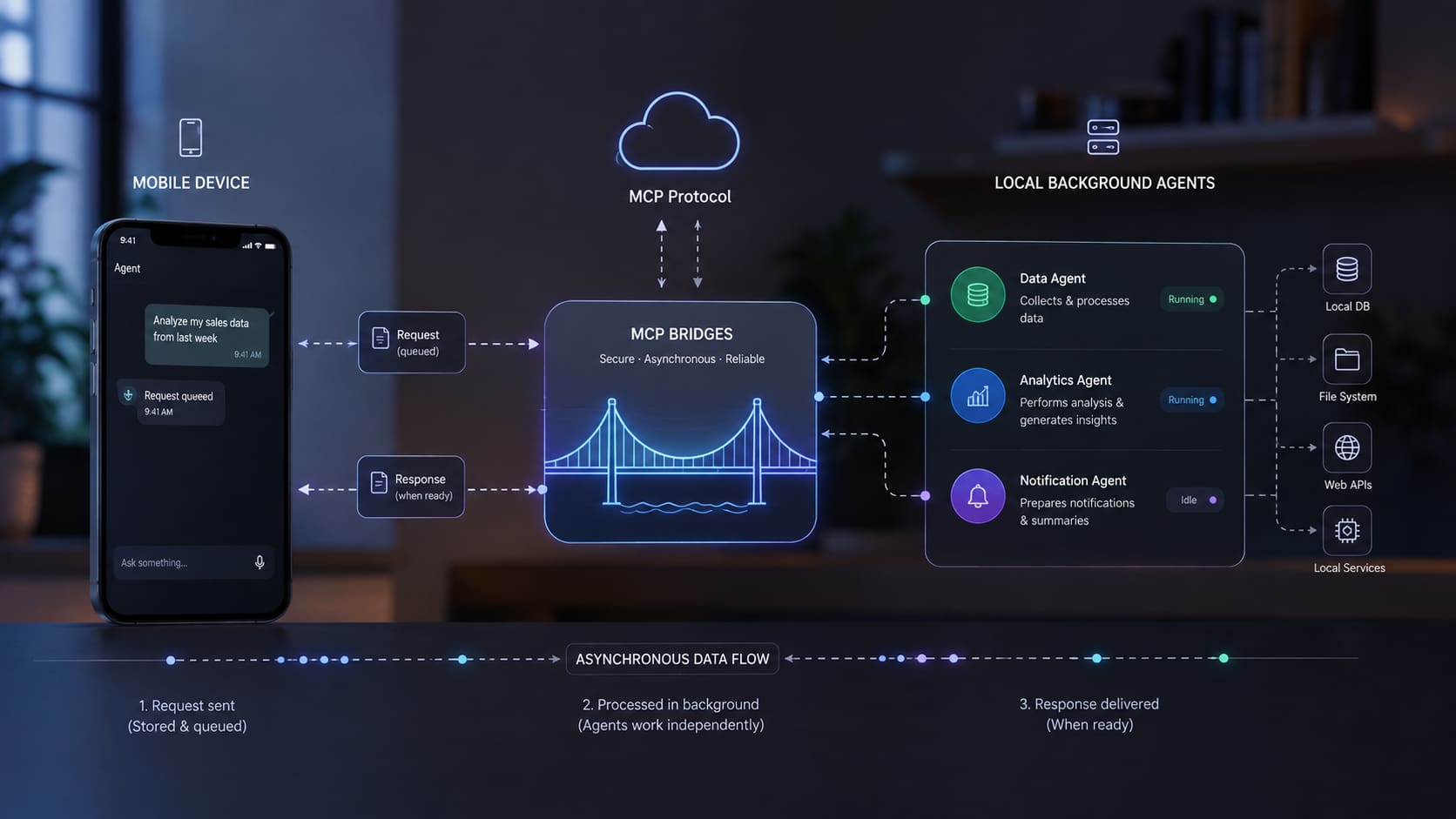
It is not practical to open a continuous SSH terminal to interfere with a 24/7 employee agent outside on the desktop or server. This problem in 2026 workflows is solved through Model Context Protocol (MCP Channels) and messaging bridges.
The operating mechanism of the system is as follows:
MCP Server Bridge: The working agent in the local machine connects to a MCP server that provides a webhook or messaging interface (Telegram, Slack or special HTTP tip point).
Voice and Written Command Transmission: When the user comes with a voice record or a short text from the phone on the go, this input drops to the MCP server on the background.
Context Injection: The MCP server transacts the incoming message and adds it as a new instruction to the active task context of the agent working in tmux at that time.
Status Notice: When the agent has completed the process, or when a critical approval is required (e.g. database governance permit), sends one line summary and approval button to the mobile device.
How to Automate Scheduled (Cron) and Event-Based Tasks?
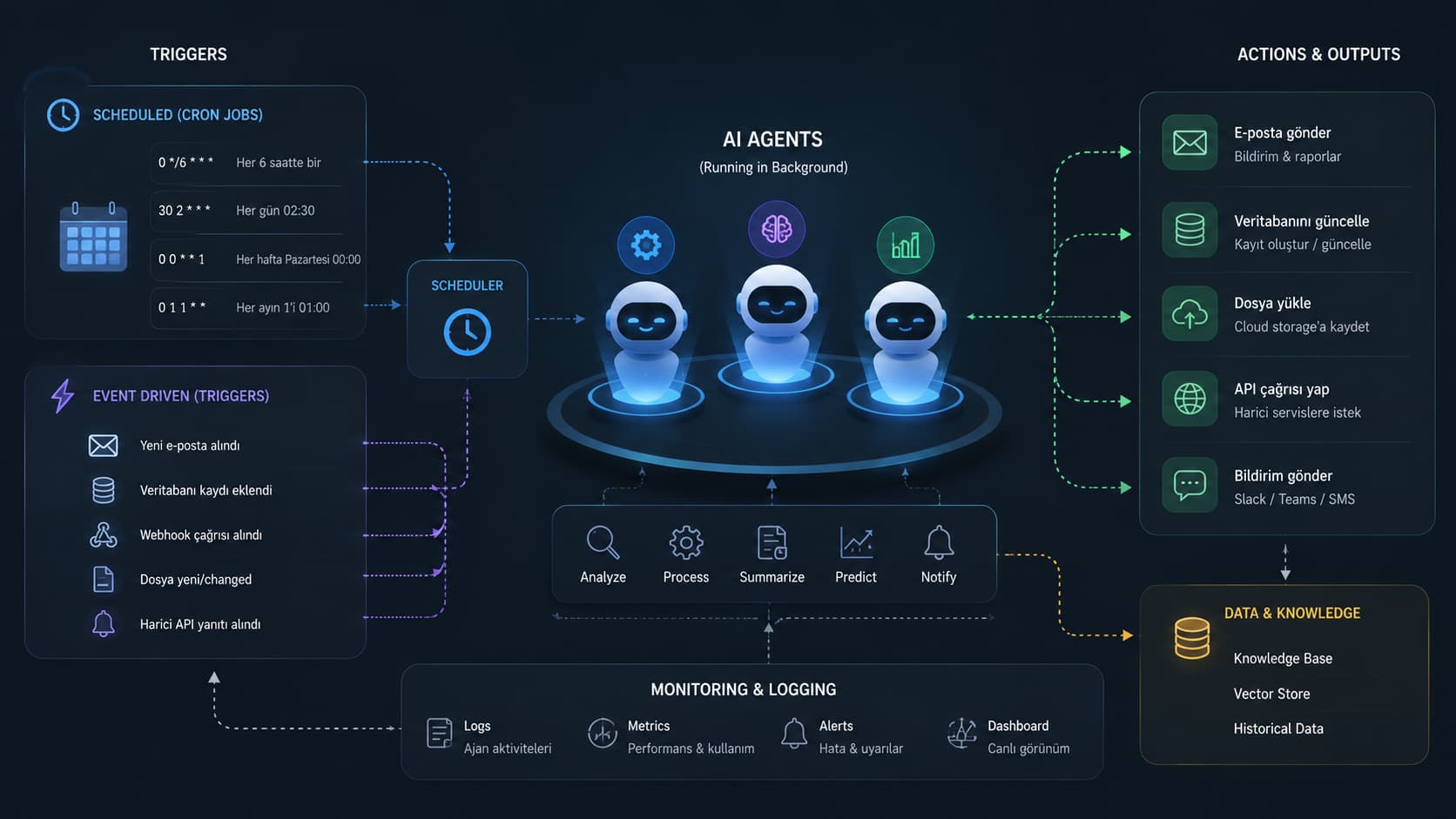
Artificial intelligence assistants have turned into routines that are triggered automatically in certain time ranges or system events, since they are only the structures that are waiting for the command. This approach minimizes the operational maintenance load of software teams.
The basic automation scenarios applied in practice are:
Night Employee Error Scans (Cron): Every night half a timeed script is working on the error tracking system (Sentry, GitHubAI) scans new records, detects the source of the error in the code base and opens a ready patch.
PR Reviews (Event-Driven): The autonomous agent triggered when a new Pull Request on GitHub examines the security openings, performance bottleneckes and code quality by base on the architectural standards file of the team; it leaves in-line technical notes.
Log Anomalisi Filtering: When an unexpected bug increase is detected on production environment API logs, the agent automatically wakes up, analyzes the debugging stack and delivers root cause report to the developer.
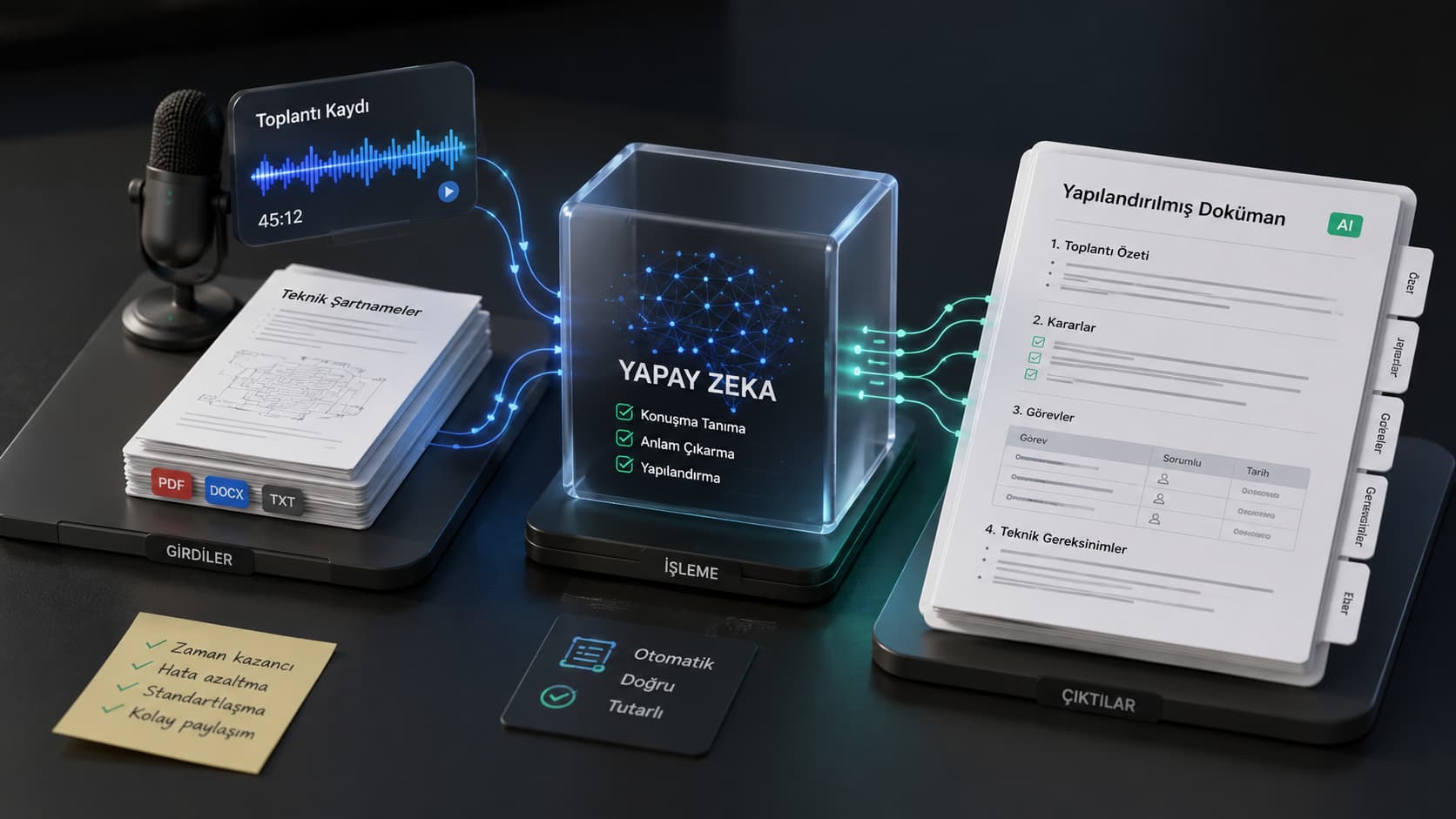
How to Remove Automatic Technical Documentation and Task Tree from Meeting Records?
Technical documentation production is one of the areas where artificial intelligence gives the most clear time. Nowadays engineering teams Home modern software factories design In line with principles, the documentation production is connected to an automatic pipeline.
The process is processed by:
Receiving the raw input: Sound records of architectural meetings or free-shaped thought castings (brain-dump) are converted to text.
Convert Standard RFC Format: The artificial intelligence model translates into a standard RFC (Request for Comments) document, including Goals, Non- Scope Topics, Data Architecture, Safety Risks and Alternative Solutions headers.
Argüman Simulation: By entering the role of a senior system architect from the model, it is desirable to criticize the logic openings and scale limits in the document.
Task Tree and Issue Extraction: The approved document is divided into small row task steps to be transferred directly to the project management system or GitHubArt panel.
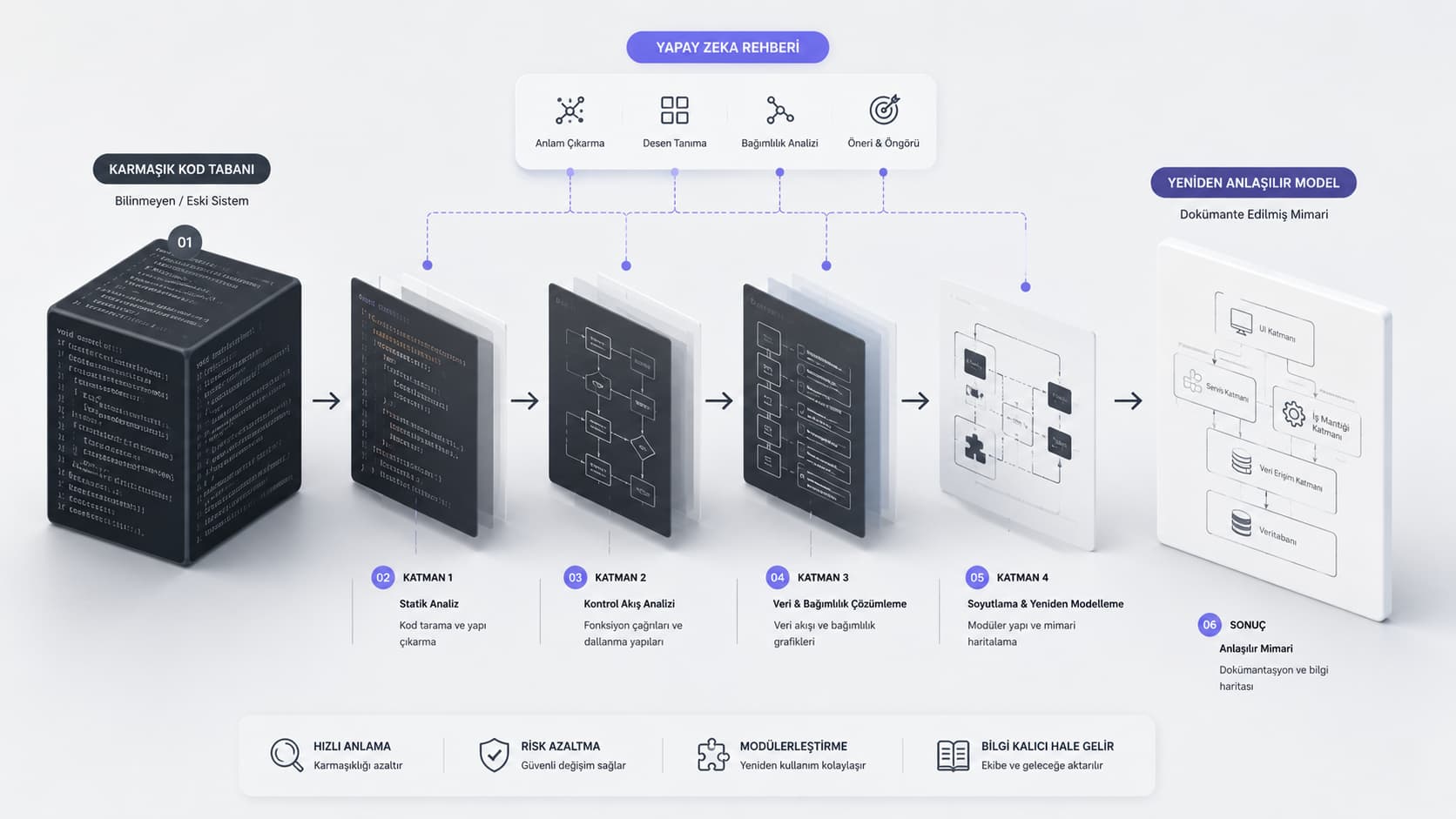
How to Quickly Learn Complex Code Bases with Reverse Engineering?
In addition to an unknown code base or a large-scale open source library, line line code reading method replaced interactive reverse engineering practices.
The following technical steps are applied to speed up this process:
System Call Chart Extraction: The main input point of the code base (entrypoint) and data flow direction are mapped from components by analyzing the agent.
Inquiry Design Decisions: For the complex parts of the code, the model "Why this design pattern can be preferred and what is the advantage according to their alternatives?" the question is directed.
Generate Visual Mind Models: In order to concrete the Soyut streams, it is desirable to produce flow diagrams (Mermaid.js syntax) and status machines from the model.
Developer communities and analysis in global engineering newsletters As highlighted, not the only code printer of artificial intelligence, it increases technical learning speed as an interactive code reading trainer.
Frequently Asked Questions
How to prevent agents working in the background from damaging the main code base?
The authority of writing agents directly with the main branch (main branch) should be closed. The agent should always be operated in an isolated Git branch, the codes produced should be passed automatically from CI/CD tests and the final approval should be given to the code review of the human developer.
How to check the token cost of autonomous agents working on Tmux?
It should be communicated with clear comprehensive commands instead of giving unlimited task definitions to agents. It should also be defined circuit breakers (circuit breaker) that determine maximum number of steps to prevent endless cycles and the file reading limits should be cleared.
Is it necessary to rent a private server to use Model Context Protocol (MCP)?
No, MCP servers can work on your local computer or home device. Clients are securely connected to files and tools on your own machine by reading this protocol through local JSON configuration files.
Does Shift-Left and TDD approach slow down the process in small-scale projects?
On the contrary, it saves time to clear the specification and tests even in small projects. A 3-minute design verification, made before code writing, eliminates the debugging and architectural correction efor hours.
The actual productivity growth of artificial intelligence offers is not the monopoly code blocks that models produce directly, but these models are welded from architectural discipline and seamless workflows established around. Starting the coding process from planning stage, enriching terminal sessions with autonomous agents and connecting tools with MCP bridges is the basic standard of modern engineering. When you redesign your development habits according to this systemic infrastructure, you can directly experience the artificial intelligence from a simple assistant to a fully skilled operational power center.
AdminBen Affleck AI Girişimini Netflix Satın Aldı mı?


Yapay Zeka Ajanı Siber Saldırısını Türk Öğrenci Durdurdu