



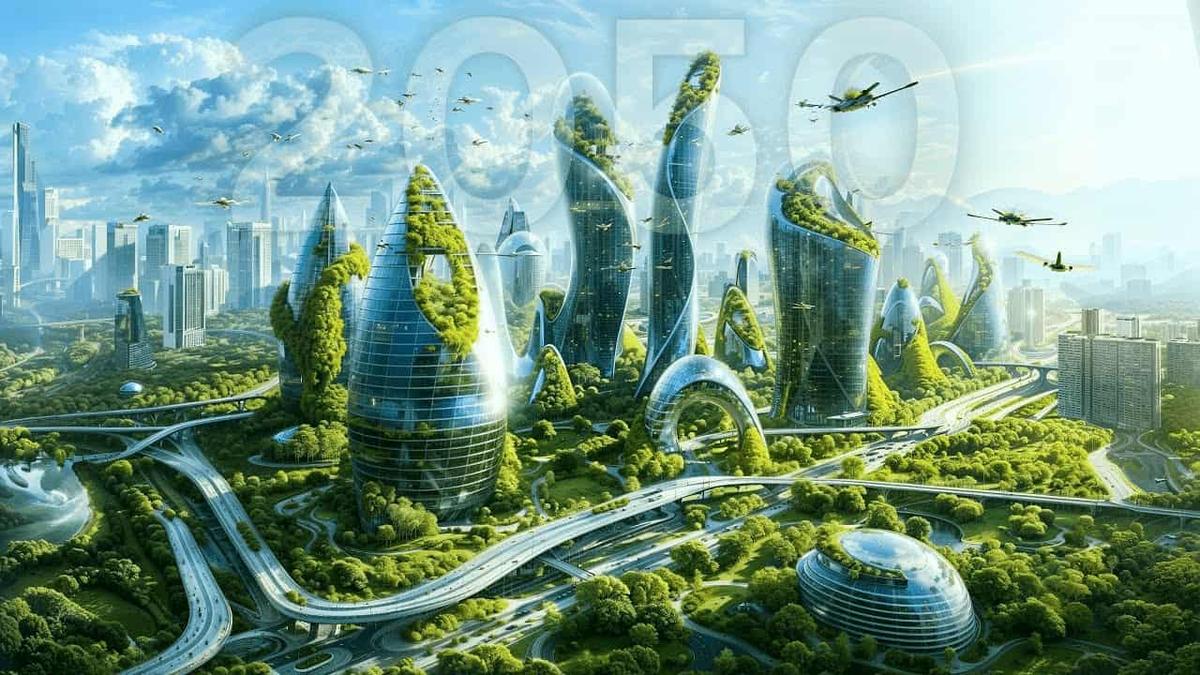
2050 Technology Predictions: Human–Machine Integration Is Ushering in a New Era
Automatically translated
2050 technology predictions point to a future in which artificial intelligence touches every area of human life, from education to healthcare, from transportation systems to the space economy. According to expert analyses, human–machine fusion, digital twin technologies and quantum computers will fundamentally transform not only technological progress but also the structure of societies.
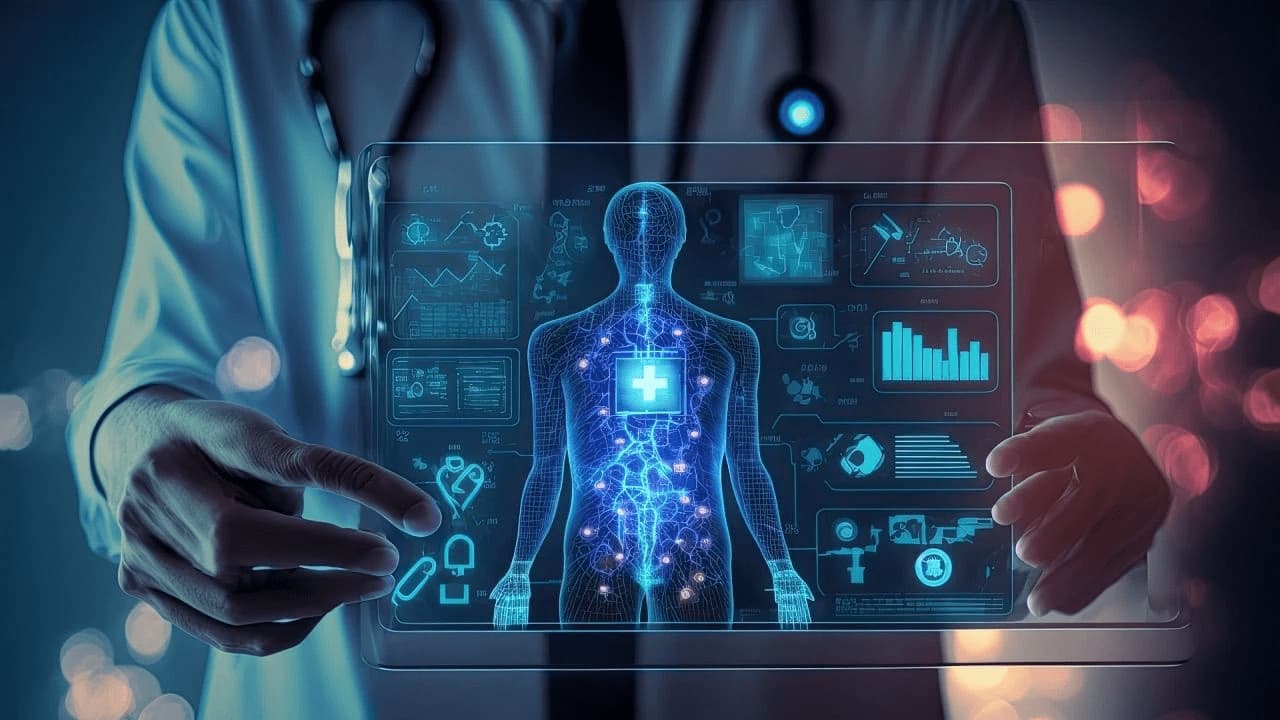
Humans and Machines Converge: The Era of Cybernetics and "Captain Cyborg"
Among the most notable topics in 2050 technology predictions is the increasingly blurred boundary between humans and machines. The question of what cybernetics is has moved beyond theoretical debate and become a concrete technology area that affects daily life. Neurotechnology, along with work on brain–computer interfaces and biomechanical implants, is seen as a harbinger of an era in which the human body can interact directly with digital systems.
Although cybernetics often brings science fiction films to mind today, this technology is already being used in medicine. Brain–computer interfaces, prosthetic limbs and electronic devices connected to the nervous system are concrete examples. Experts say these systems detect signals from the human body and enable machines to act in response to those signals.
In published assessments, microchips integrated into the nervous system are expected to spread first in healthcare. Enabling paralyzed individuals to move again, reducing the effects of neurological diseases such as Parkinson's, and supporting people with vision or hearing loss are listed as the primary areas of use for these technologies.
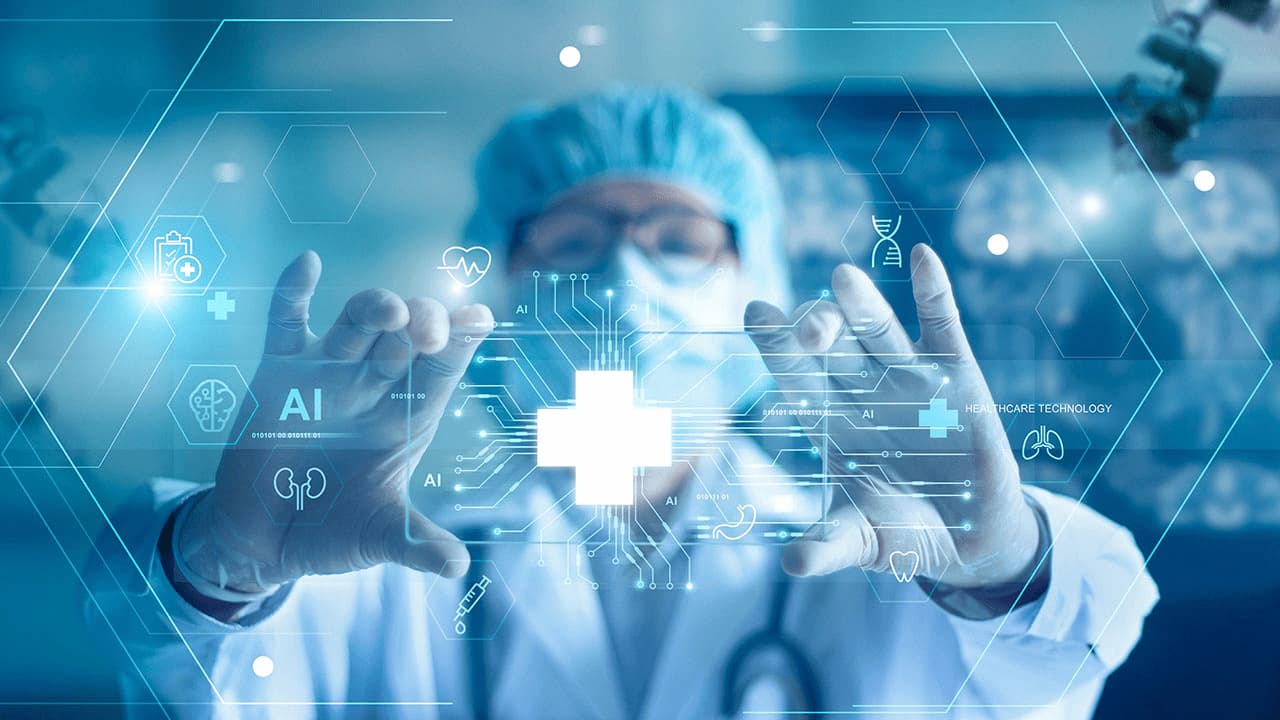
However, according to experts, cybernetics will not remain limited to treating diseases. In the long term, systems that enhance human physical strength, reflexes and even memory may come onto the agenda. This places human–machine fusion debates in focus not only in technological terms but also in ethical and legal dimensions.
From Science Fiction Narratives to Medical Applications
The merging of humans and machines was addressed for many years in cinema and literature through dystopian scenarios. Works such as "Ghost in the Shell" and "RoboCop" opened up discussion of the social consequences of cybernetic bodies. Today, however, some elements of these narratives are being carried into the real world in controlled and limited ways.
This transformation brings ethical and legal debates with it. The limits of technologies integrated into the human body, data security and individual privacy are expected to be debated more intensively in the coming years. International analyses emphasize that within 2050 technology predictions, this topic is treated not merely as a technical issue but as a social one.
Digital Twin: Test Your Future Before You Live It
Another area highlighted in 2050 technology predictions is digital twin technology. A digital twin means modeling all the physical and behavioral data of a person, system or object in a digital environment. According to expert assessments, this technology has the potential to bring about a fundamental transformation, particularly in healthcare.
By 2050, individuals' digital twins could be used to test drug trials, nutrition plans and lifestyle changes. Possible risks and side effects could thus be identified before they appear in real life. Digital twin technology is expected to become one of the building blocks of personalized medicine. These systems are also expected to be used in predicting the spread of epidemic diseases and in shaping public health policies.
Revolution in Education: AI Teachers and DNA-Based Learning
Education is considered one of the sectors that will undergo the fastest transformation within 2050 technology predictions. AI teachers are positioned at the center of a new understanding of education that will replace traditional classroom models. Artificial intelligence–supported systems are expected to analyze students' learning speed and cognitive tendencies and create personalized training programs.
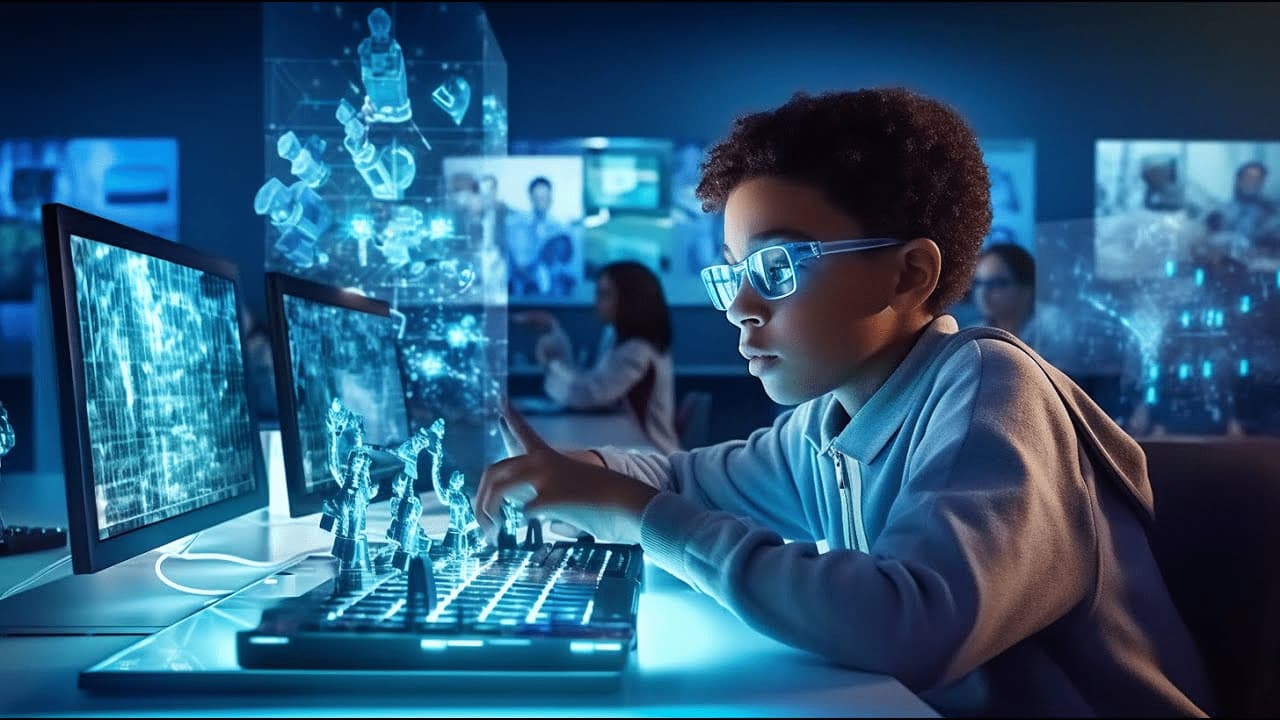
DNA-based learning models could become part of education policies in the future. In these systems, course content will be shaped by taking students' genetic predispositions, attention spans and perception styles into account. The one-size-fits-all approach to education will thus give way to fully individualized learning processes.
AI teachers are positioned not merely as systems that transfer information, but as guides that continuously monitor students' development, give feedback and optimize the learning process. This transformation is expected to bring discussions of equal opportunity in education back to the agenda.
When Will Quantum Computers Enter Our Lives?
The question "When will quantum computers arrive?" is one of the most widely asked within 2050 technology predictions.
Quantum computers operate on a completely different working principle from the classical computers in use today.
Classical computers process information through zeros and ones, whereas quantum computers can evaluate multiple possibilities at the same time. This makes it possible for them to solve very complex problems in an extremely short time.
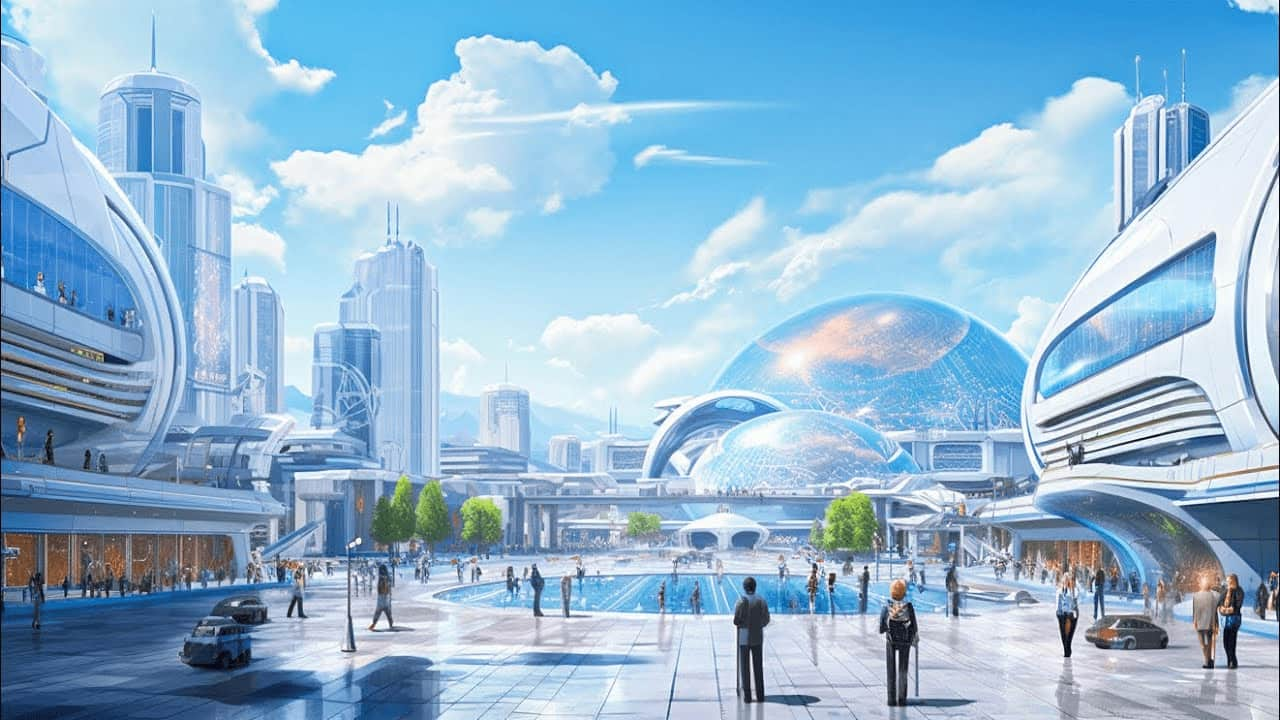
According to expert opinions, quantum computers are expected to begin being used in specific fields in the 2030s and to become more widespread after 2040. The technology is expected to make a major leap in areas such as drug development, climate change modeling, financial analysis and AI training.
The development of quantum computers will enable AI to be trained much faster and in far more complex ways. This will pave the way for digital twin technologies and cybernetic systems to become more precise and realistic.
Driverless Roads and Moon Bases: Transportation and Space in 2050
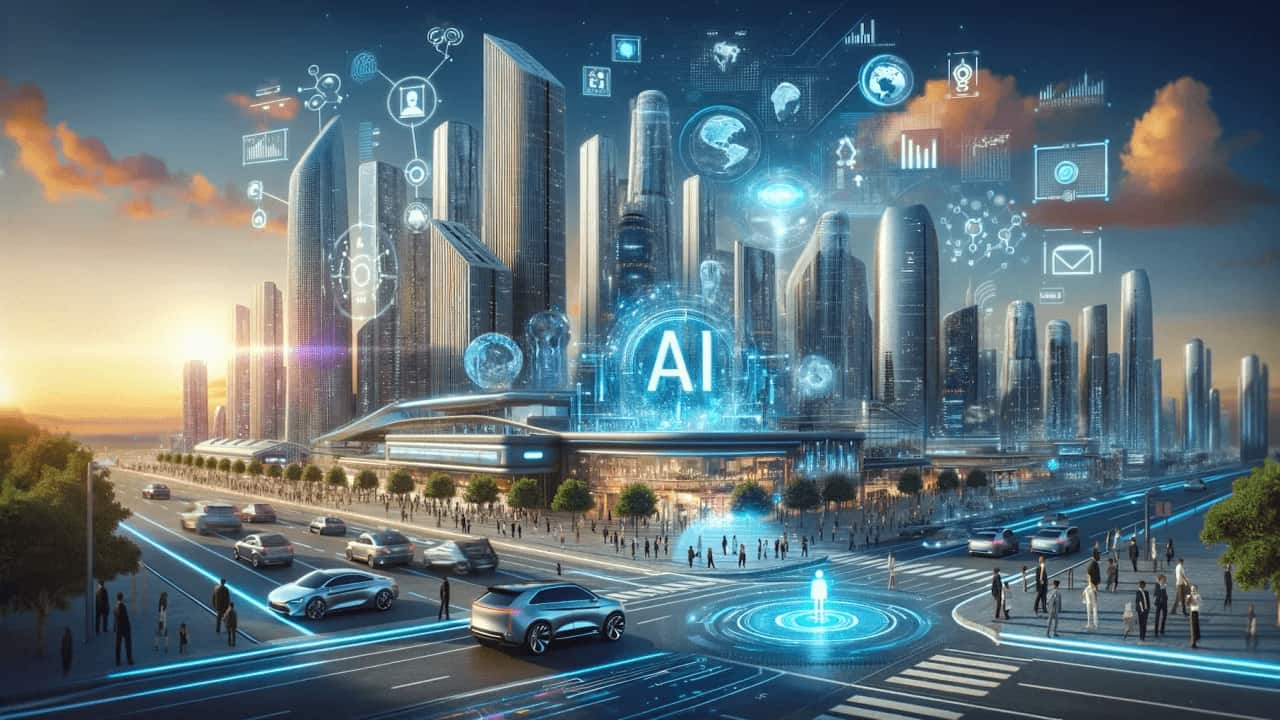
2050 technology predictions also point to a fundamental transformation in transportation. With the spread of autonomous vehicle fleets, traffic accidents and urban congestion are expected to decline significantly. AI-supported transportation systems are expected to work integrated with urban infrastructure.
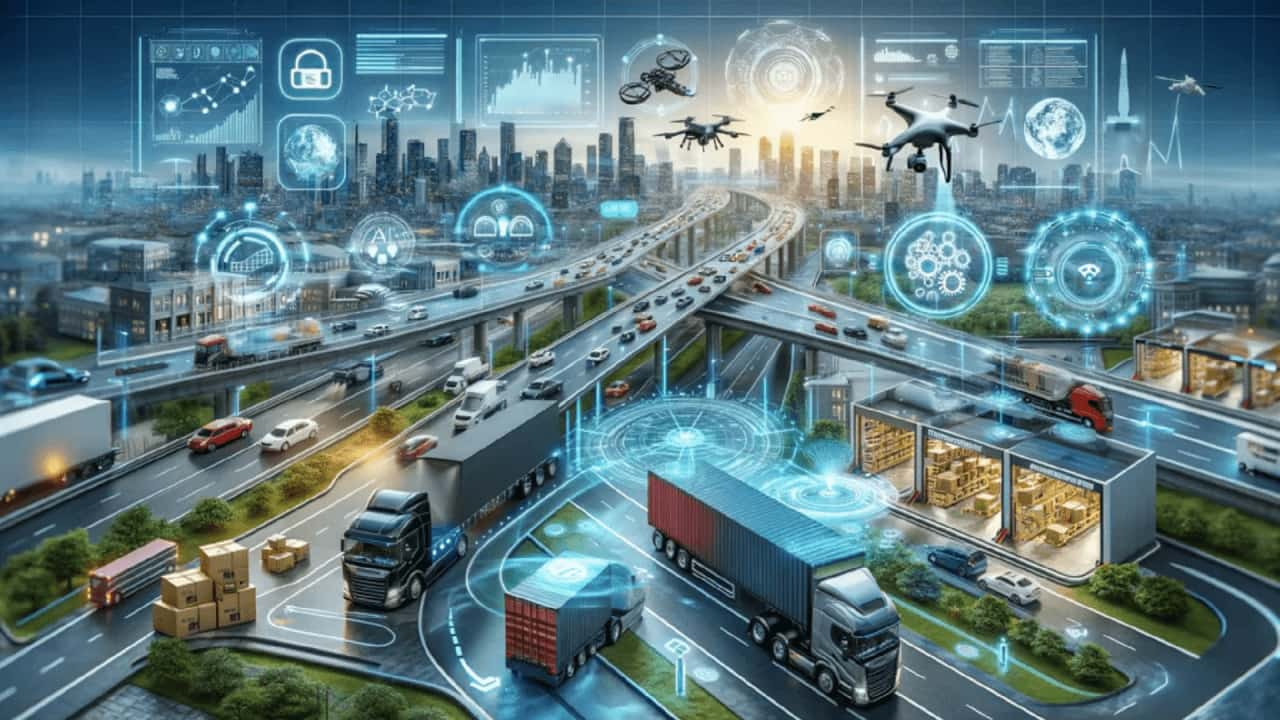
According to experts, driverless vehicles will reshape not only individual transport but also logistics, public transportation and urban planning. Traffic lights, road sensors and vehicles will continuously exchange data, and traffic flow will be optimized by central systems.
This transformation is considered to play a critical role in reducing carbon emissions and in achieving sustainable city goals.
Life on the Moon and the Space Economy
2050 technology predictions suggest that humanity's presence in space will become permanent. Establishing livable bases on the Moon will enable economic activities to be carried into space alongside scientific research. According to experts, the Moon will become a strategic hub for space mining and advanced manufacturing technologies.
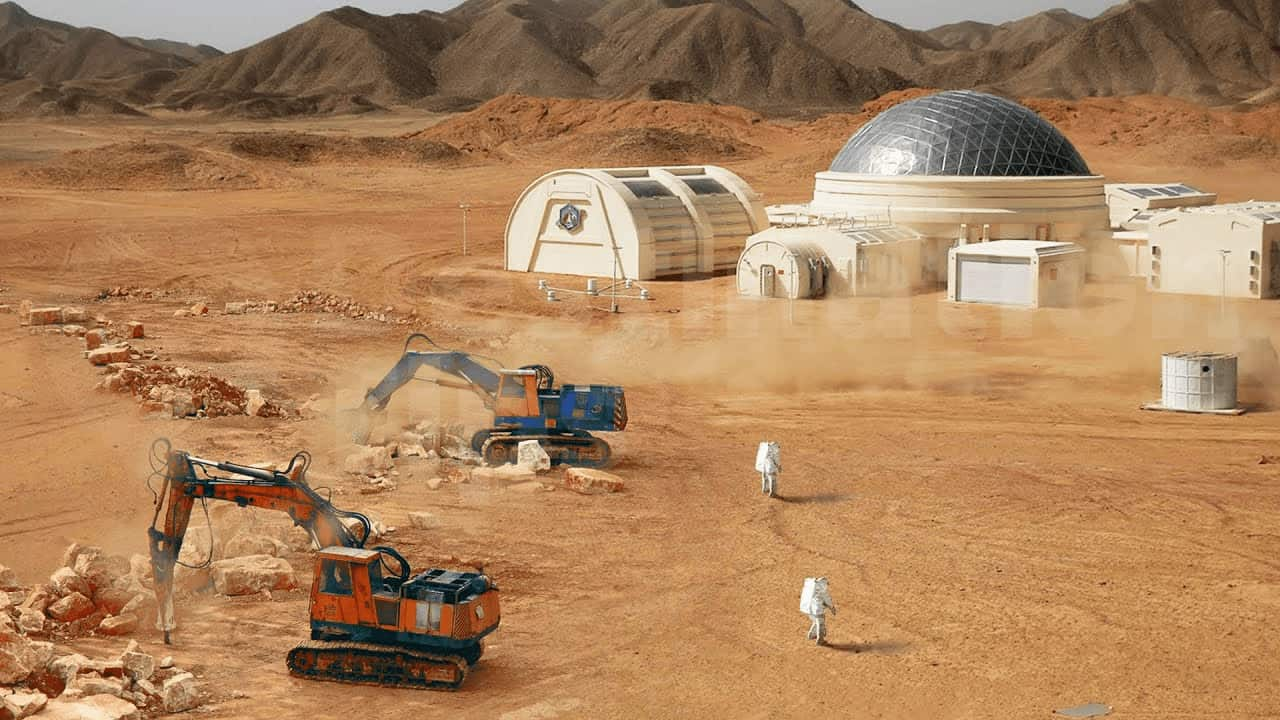
It is emphasized that processes such as drug and crystal production in space could be more efficient than on Earth. This paves the way for the space economy to take shape as a new sector.
How Does Cinema Portray the Future? Films Set in 2050
2050 technology predictions are conveyed to broad audiences not only through scientific reports and academic work but also through cinema. Science fiction films shape societies' perceptions of the future by examining the possible consequences of technological developments through dramatic scenarios.
Minority Report depicts a world where crimes are predicted by algorithms before they happen, and it places technologies such as biometric data use, facial recognition systems and behavioral prediction at its center. Many of the applications shown in the film are directly associated today with work on AI-supported security systems and data analytics.
Her (2013) addresses the relationship artificial intelligence builds with human emotions, offering a different perspective on the debate about AI teachers and digital assistants. The film questions the possibility that AI could become not only a functional but also an emotional and social actor.
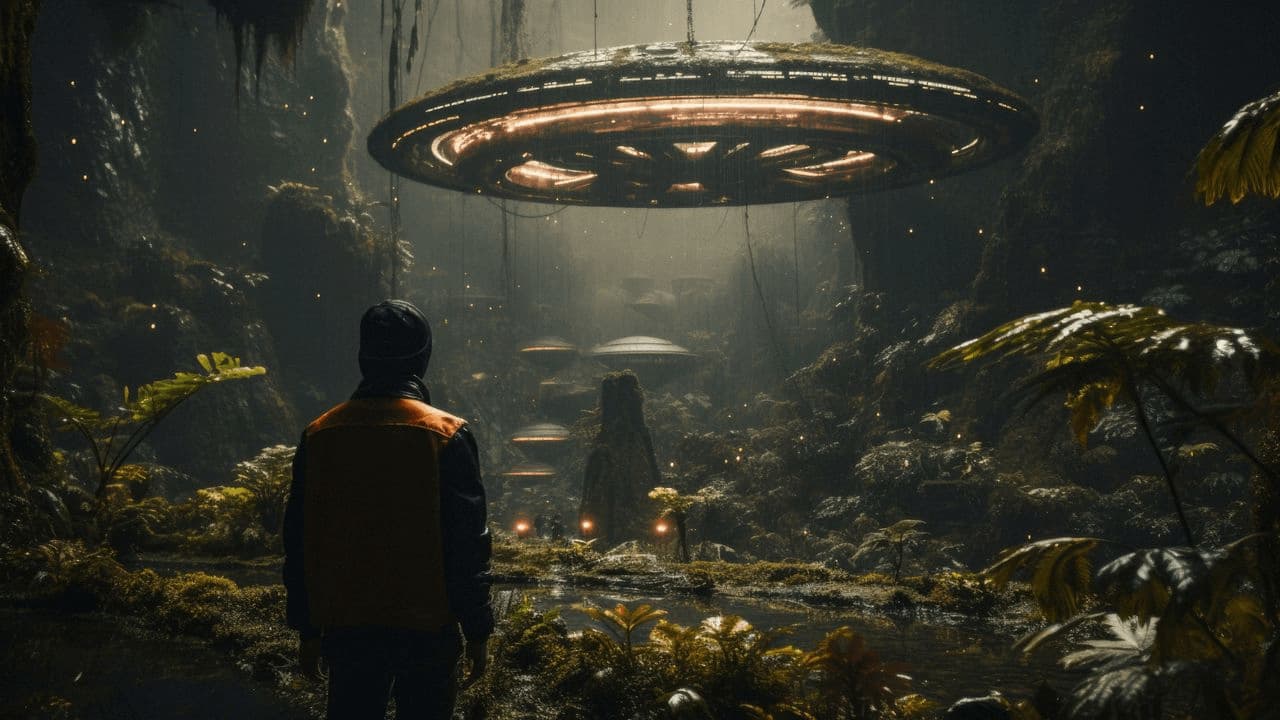
Elysium and Blade Runner 2049 focus on how technological progress can deepen social inequality. Advanced healthcare technologies, cybernetic bodies and AI systems that are open to access by a particular segment while the rest of society remains outside this transformation are among the central points of conflict in these films.
According to experts, these films do not so much predict the future exactly as they make visible the ethical, legal and social risks that 2050 technology predictions may bring. Cinema feeds these debates as an area that asks not only "what technology can do" but "what it may turn into."
Science Fiction Becomes Reality: From Minority Report to 2050
As we move toward 2050, it is emphasized that technological developments will produce social consequences as well as technical ones. Human–machine fusion, the use of biometric data and AI-supported decision systems bring with them debates about privacy, data security and equality.
How these technologies will be regulated and who will control them will be among the most critical questions of the 2050 world. 2050 technology predictions show that humanity will face a new test not only technologically but also ethically.
LTX-2 Nedir? LTX-2.5, Fiyatlar ve Kullanım Rehberi

Teknoloji Staj İlanları | 2-8 Şubat 2026


