



Agentic Vision: Going Beyond Image Analysis
Automatically translated
 Writer
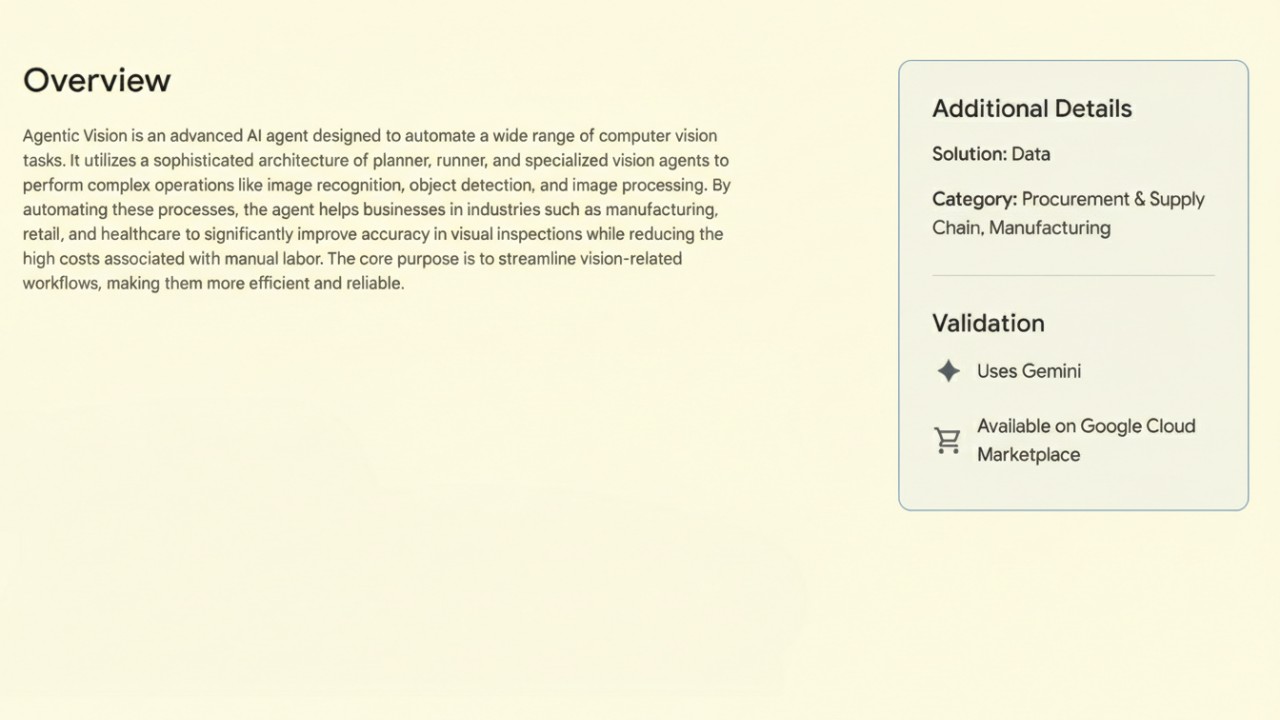
For many years, traditional image processing technologies focused only on identifying what was in an image. For a camera feed to detect a person, a vehicle or a defect was considered a major achievement. However, as of 2026, especially with the release of the Gemini 3 Flash model, this passive observation process has given way to a much more dynamic structure. The Gemini-based Agentic Vision capabilities, which began rolling out in the Gemini app with Google's new Thinking Model, represent a new era in which AI goes beyond understanding visual data: it can make independent decisions based on that data and initiate actions in the physical or digital world.
At the heart of this transformation is Agentic AI, known as agentic AI , which has recently shaken up the technology world. In its simplest definition, Agentic AI refers to systems that can set their own strategy toward a given goal, analyze their environment, and autonomously take the steps needed to reach the goal. What distinguishes it from classical AI is not just that it answers a question, but that it decides for itself which tools to use to complete a task. Strengthened by the Gemini 3 architecture, these next-generation vision capabilities perform dynamic planning while analyzing complex visuals, verify data by running Python code during analysis, and detect overlooked details by examining them from different angles through iterative reasoning.
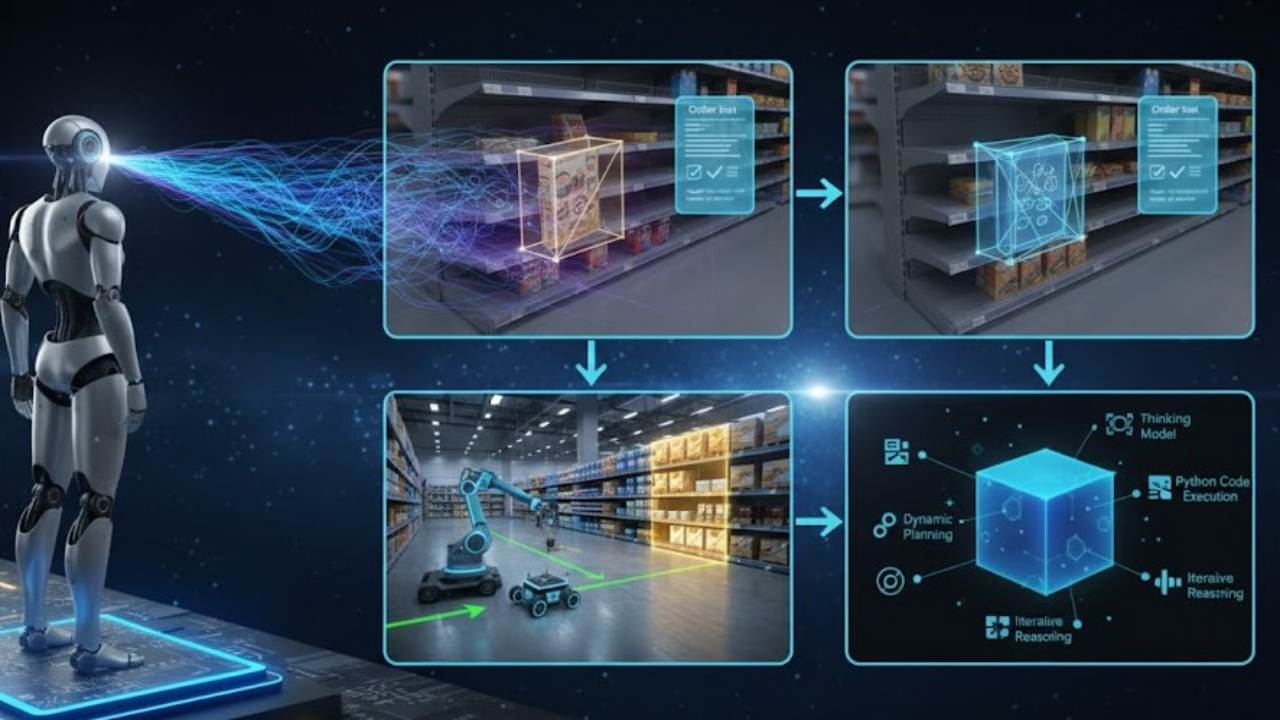
In the visual world, this means a system does not merely see that a shelf is empty; it orders the missing product or directs a robot in the warehouse to that shelf. Instead of getting lost in complex datasets, these systems run a result-oriented reasoning process. Systems that carry out this entire process with contextual autonomy within defined ethical boundaries are accessible to developers through Google AI Studio and the Vertex AI, via the Gemini API.
Autonomous Visual Decision Mechanisms
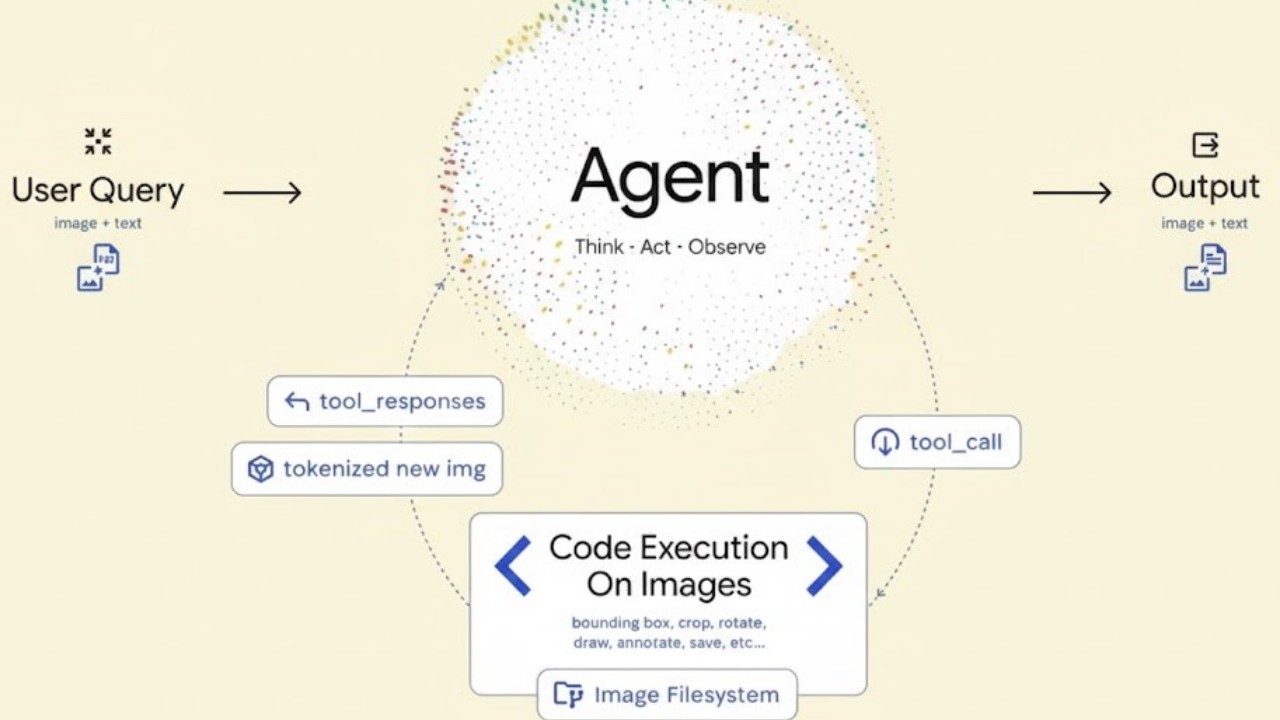
The most critical stage in the change in image processing is the deployment of structures called autonomous visual decision mechanisms. These mechanisms use visual input as a trigger. For example, when high-resolution cameras on a production line detect a millimeter-scale deviation, the system not only raises an alarm but also adjusts production speed, separates the defective part from the line, and presents a technical report to the responsible engineer. The critical steps in how these decision mechanisms work are as follows:
Anomaly Detection and Verification: Through Gemini 3's "Think-Act-Observe" loop, a suspicious condition is first detected and then verified by running code.
Prioritization: Among multiple visual signals, it independently decides which one is operationally more critical.
Action Integration: Immediately after the decision stage, a run command is sent to physical systems or software via APIs.
This process is the point where visuals turn from a data type into an action plan. Autonomous decision mechanisms allow machine learning models not only to make predictions but also to evaluate probabilities and choose the step with the lowest risk and highest efficiency. For businesses, this means not just speed but also an error margin that approaches zero.
Artificial Intelligence Image Processing Trends 2026
As the technology world continues to change every day, the trends highlighted in artificial intelligence image processing trends 2026 are strengthening the foundation of Agentic Vision systems:
Edge AI: This term refers to the growth of processing capacity at edge devices. Data is processed directly on the sensor instead of in a central cloud. This local processing power will reduce Agentic Vision's decision-making speed to the millisecond level, enabling life-saving responses in critical moments.
Multimodal Learning: AI now builds context by combining not only pixels but also sounds, texts and temperature data with visual data. In Agentic Vision, the merging of different data types allows the agent to understand a visual situation together with all environmental factors, not just see it.
Use of Synthetic Data: Thanks to this data, rare accident or failure scenarios are created on digital twins. Models trained on synthetic data pave the way for Agentic Vision to act prepared even against risky scenarios that have not yet occurred in the real world.
Visual Reasoning: The ability of AI to build logical relationships between objects. This reasoning capability enables the agent to unravel a chain of events in a complex scene and form the most sensible action plan.
Transparent Decision Processes: The ability of systems to report their decisions with visual evidence. A transparent decision process strengthens trust in Agentic Vision's autonomous actions and makes compliance with industry standards easier.
Action-Oriented Artificial Intelligence
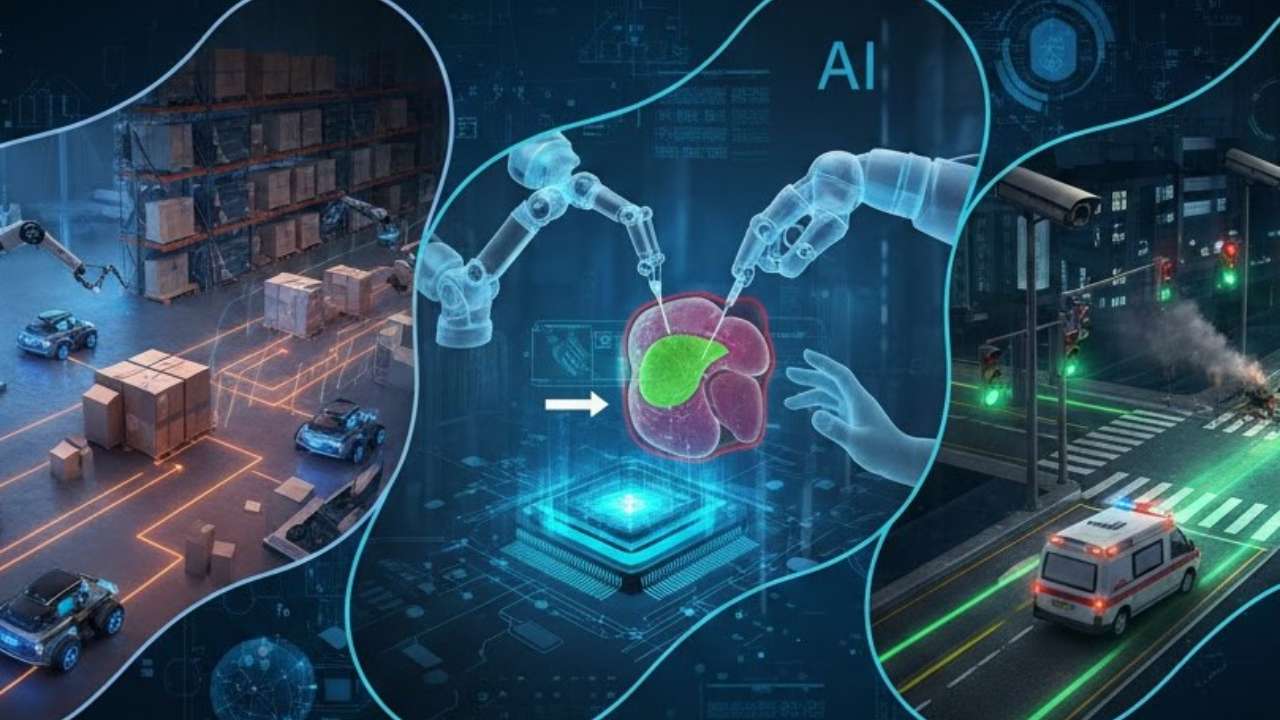
In the future world, information alone will not be enough. At this point, the real value will be measured by how quickly information is turned into action. Action-oriented AI also sees the analysis stage not as an outcome but as a starting point. This approach combines the thinking process of software with the doing process. When a security system only detects a suspicious movement, that is analysis; but locking the doors, reporting the live location to authorities and creating an evacuation route is an action-oriented approach. Industrial applications of action-oriented systems include the following examples:
Logistics: Autonomous vehicles in a warehouse updating their routes based on visual data to avoid collisions and optimizing parcel sequencing.
Healthcare: Surgical robots monitoring changes in tissue color and giving the surgeon real-time advice to cut or stop.
Smart Cities: Traffic cameras synchronizing traffic lights to clear an ambulance route at the moment of an accident.
This discipline is generating great excitement, especially in logistics, healthcare and smart city projects. Action-oriented systems carry out the most accurate intervention within defined ethical boundaries and protocols without being overwhelmed by complex hierarchies. In this way, human operators can free themselves from routine and stressful monitoring tasks and focus on more strategic decision-making processes.
Advantages of Agentic Vision Systems
Moving from traditional systems to Agentic Vision structures brings many corporate and operational benefits. We can summarize these advantages as follows:
Near-Zero Latency: Reducing the time between processing visual data and acting on it to milliseconds can be life-saving in critical operations.
Low Operational Cost: Reduced need for continuous monitoring and manual intervention allows human resources to be used more efficiently.
High Adaptability: Agentic AI systems can update their own strategies according to changing environmental conditions, which sets them apart from static software.
Data-Based Objectivity: A fully data-driven and consistent decision-making process is run, free from factors such as human fatigue or inattention.
Accuracy Based on Visual Evidence: Gemini 3's Python code execution capability minimizes counting and measurement errors.
Use Cases for Agentic Vision
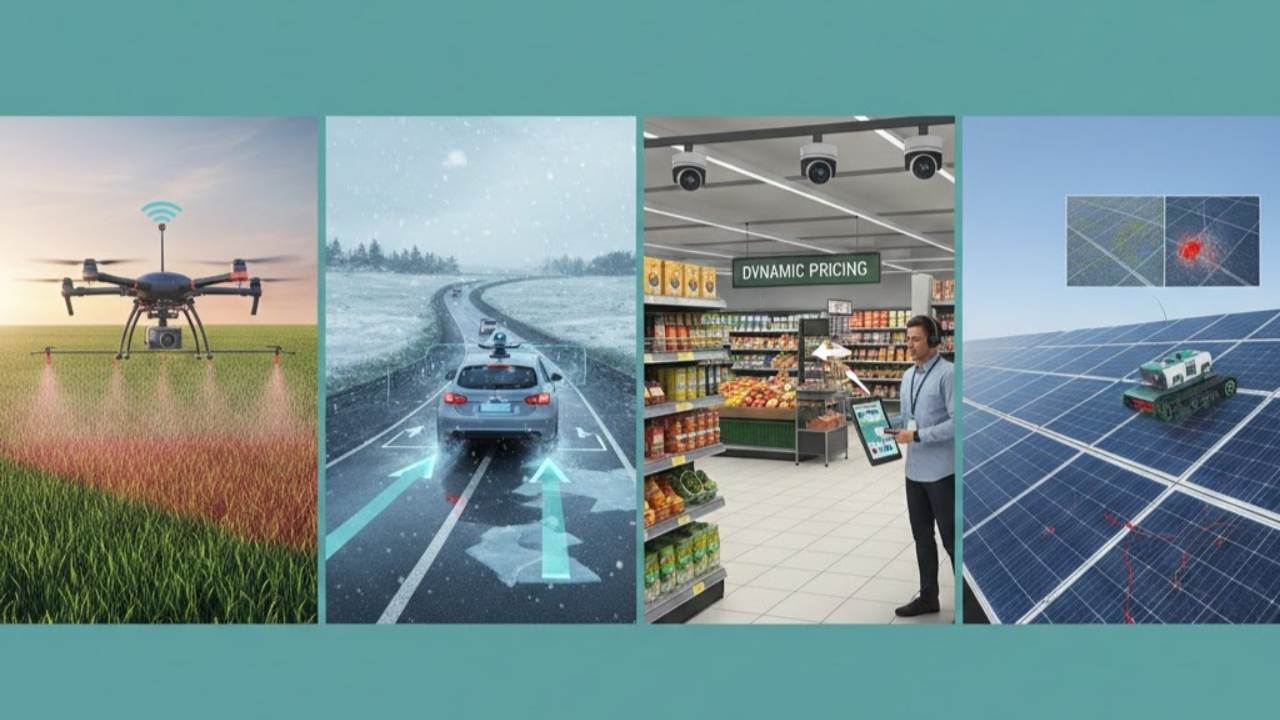
This technology has already started a quiet but profound transformation in many areas of our lives today. Some of the areas where major change will take place are as follows:
Smart Agriculture: Drones equipped with cameras not only detecting pests in fields but also autonomously spraying only the affected area.
Autonomous Vehicles: A vehicle not only seeing an obstacle but calculating traffic flow and road slipperiness to plan the safest maneuver within seconds.
Retail Management: Going beyond stock tracking, applying dynamic pricing based on customer density or directing staff to prevent checkout queues.
Energy Sector: Systems that detect micro-cracks on solar panels with thermal vision automatically dispatching cleaning robots.
In all these respects, the world of Agentic Vision promises not just a clearer image but a smarter future. Going beyond image analysis means turning data into a mechanism that lives and makes decisions. In 2026 and beyond, organizations that can integrate these autonomous systems into their business processes will be far ahead of the competition. So the question is no longer just seeing, but reasoning about what is seen and acting on it!
WriterYapay Zeka & Teknoloji Staj İlanları | 16-22 Mart 2026


AI Regülasyon, Etik ve Benchmark İçerikleri (2026 Rehberi)


