AI Data Center Crisis Global Race Threats!
Automatically translated
 Writer
The most valuable resource in artificial intelligence race is not only GPU. Electricity, water and convenient terrain are strategically becoming the newest chips of at least Nvidia. The increasing local opposition for data center projects in recent months in China brought a new discussion in the global AI ecosystem. The AI data center crisis is viewed not only the internal policies of China, but as a development that can directly affect the growth plans of US-based companies, mainly in OpenAI infrastructure.
Companies such as OpenAI, Anthropic, Google, Meta and xAI need increased processing power by folding each year to improve larger models. However, in many regions of the world, the energy grids can not keep up with this growth speed. Recent developments in China show that the largest bottleneck in front of the artificial intelligence industry is no longer the software but not physical infrastructure.
Why is AI Data Center Crisis on Agenda?
About two years ago data center investments were evaluated as non-existing operations of technology companies. Today, the situation has changed completely. GPT-4, Gemini, Claude and so on While training of large language models needs millions of GPU clocks, this process force requires hundreds of thousands of high performance servers at the same time.
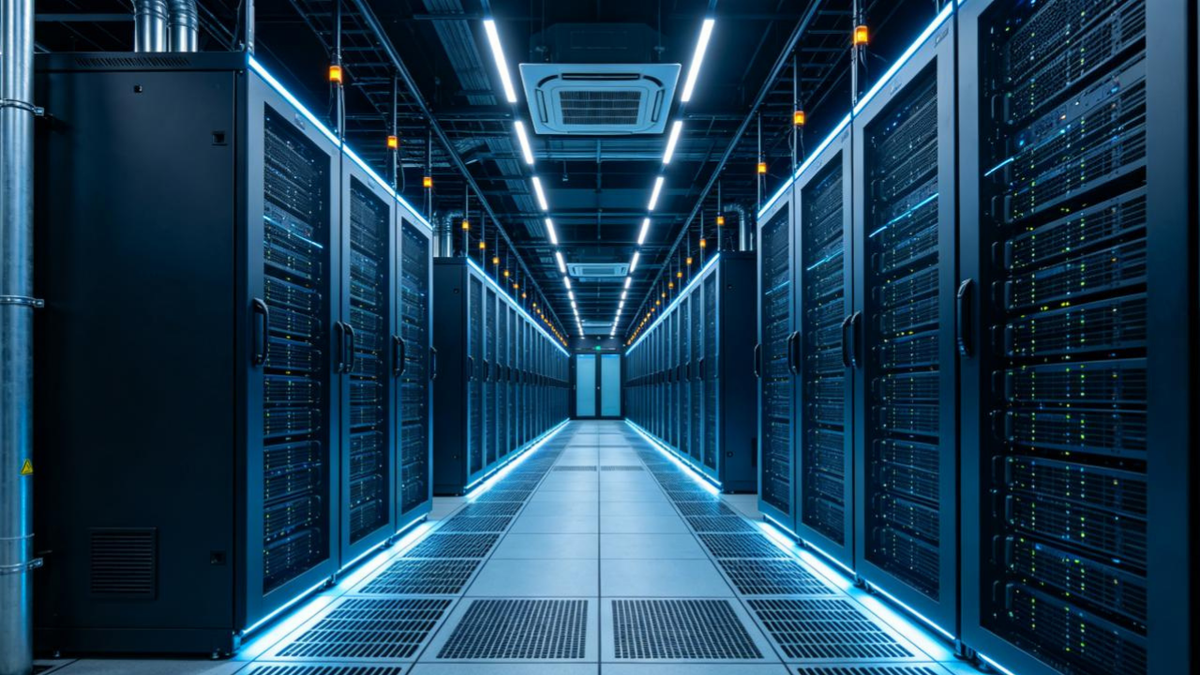
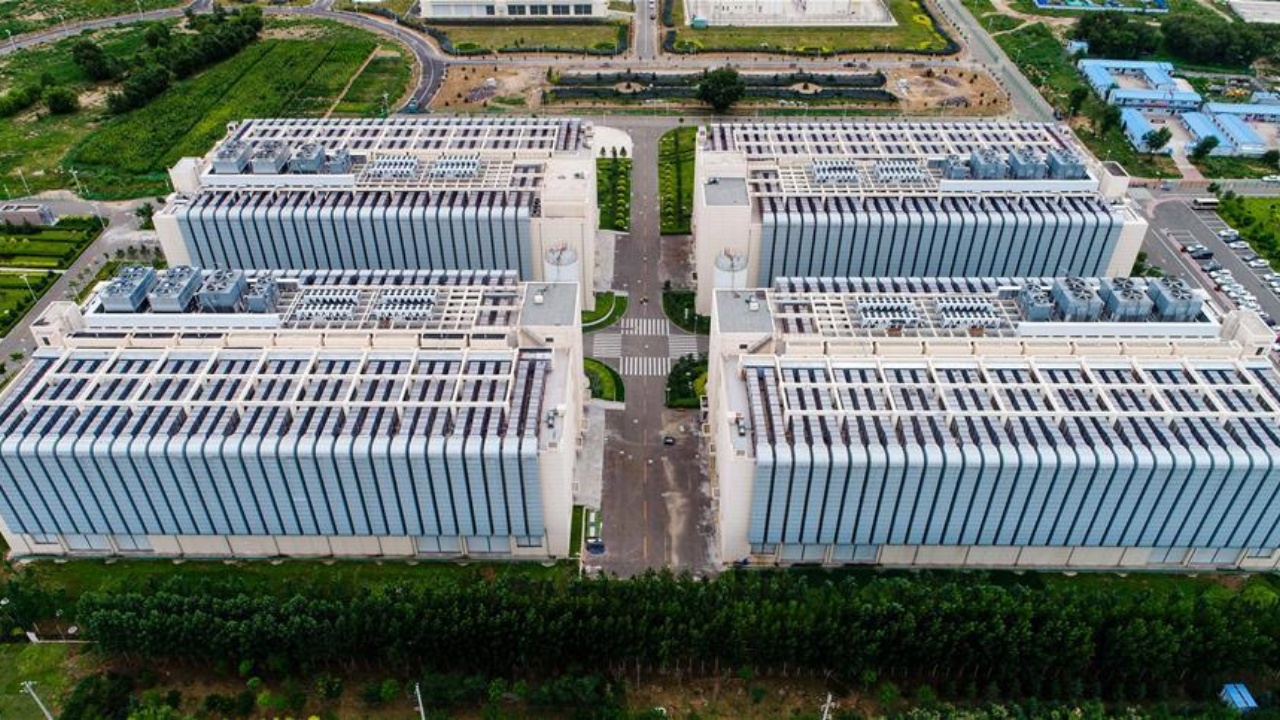
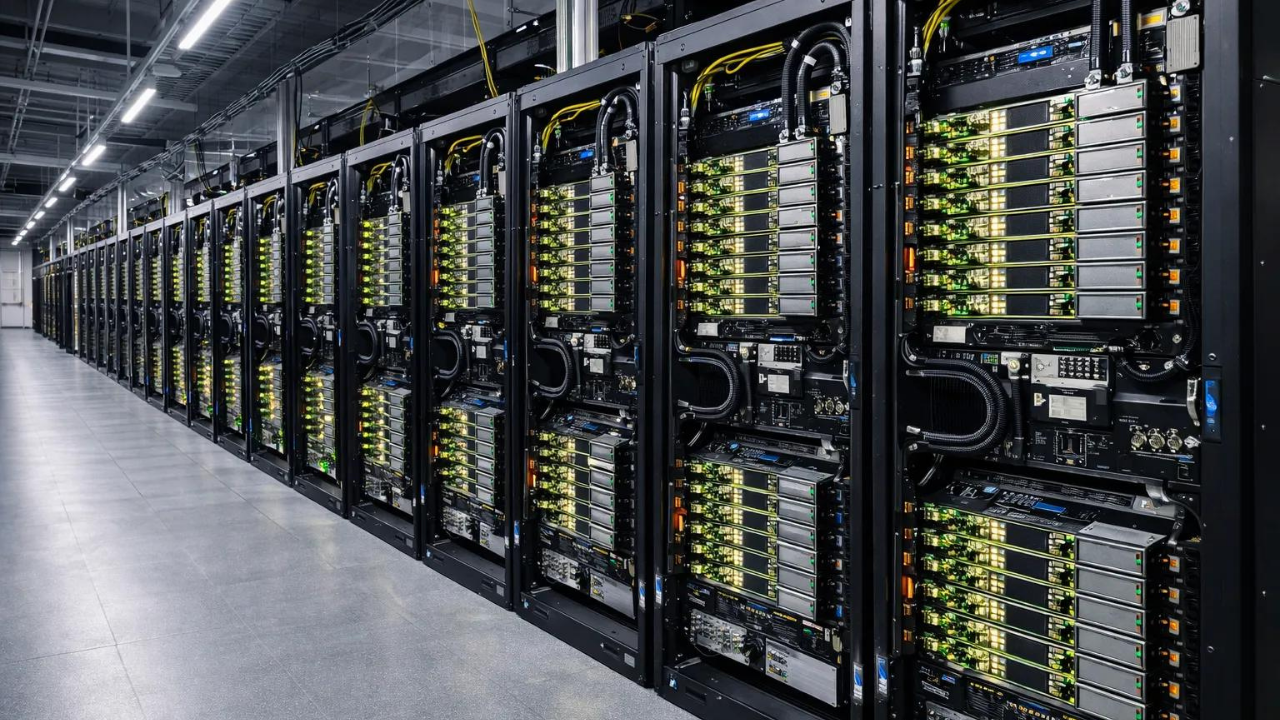
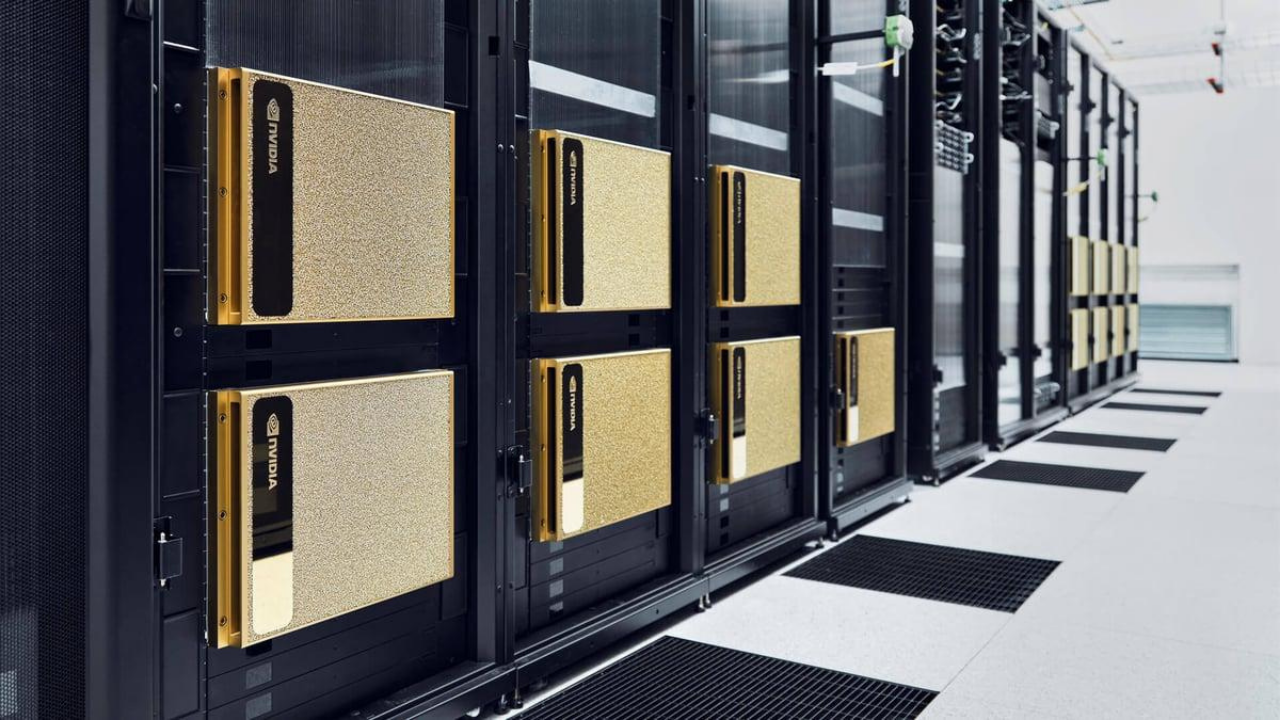
A modern AI data center does not only consist of computers. There are thousands of Nvidia GPU, petabaytlarca storage space, advanced liquid cooling systems, high voltage energy infrastructure, continuous internet spine. All of them are the result of huge energy consumption.
International Energy Agency (IEA) estimates that only AI-oriented data centers can approach the total consumption of many countries in the next few years. Therefore, governments now evaluate data center investments not only technology investment, but energy policy.

Why Does React Against Data Centers in China?
According to the news that BGR is transferred New data center projects in some parts of China are unexpectedly met with the response of local governments and people. At first glance, the main thing is different if it looks like technology contrast. There are three major elements in the center of the problem:
Electrical consumption Home
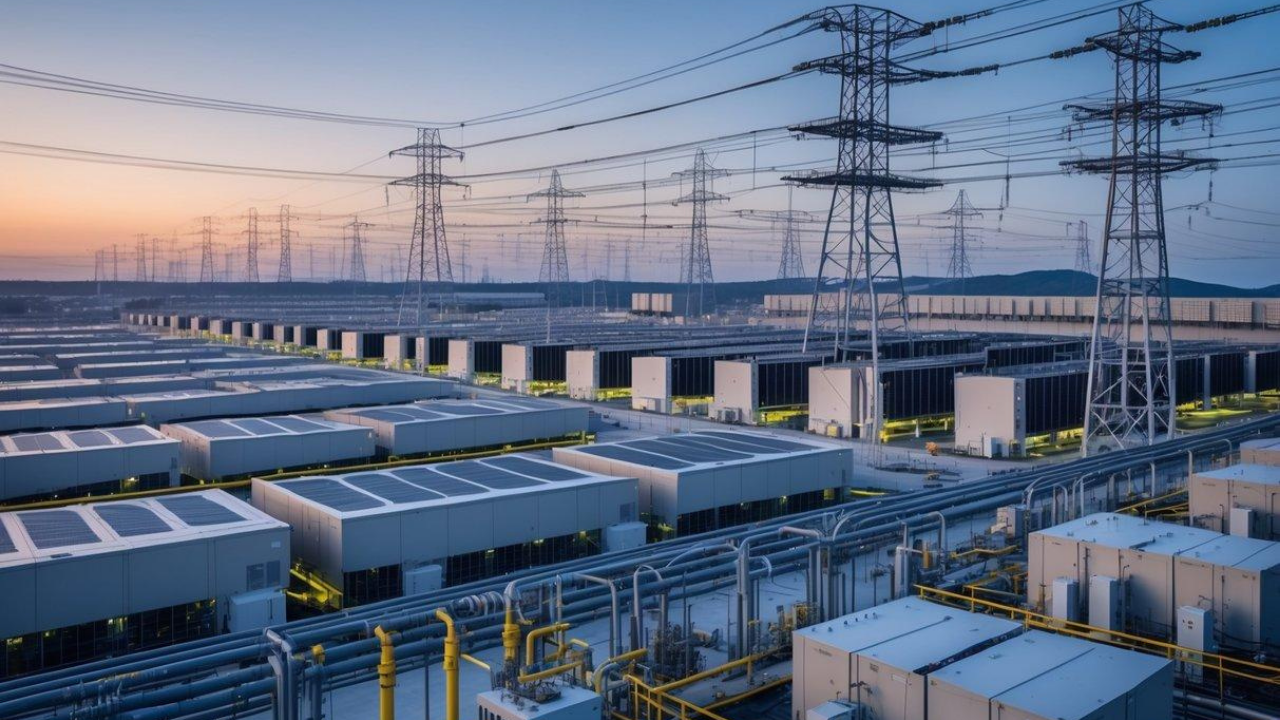
Large-scale AI data centers can consume electricity up to small cities. When trying to keep industrial production and residential consumption in many regions of China, a single AI campus requires serious planning on the grid. Due to the increasing electricity needs in summer, some local management began to approach new data center projects more cautiously.
Water consumption Home
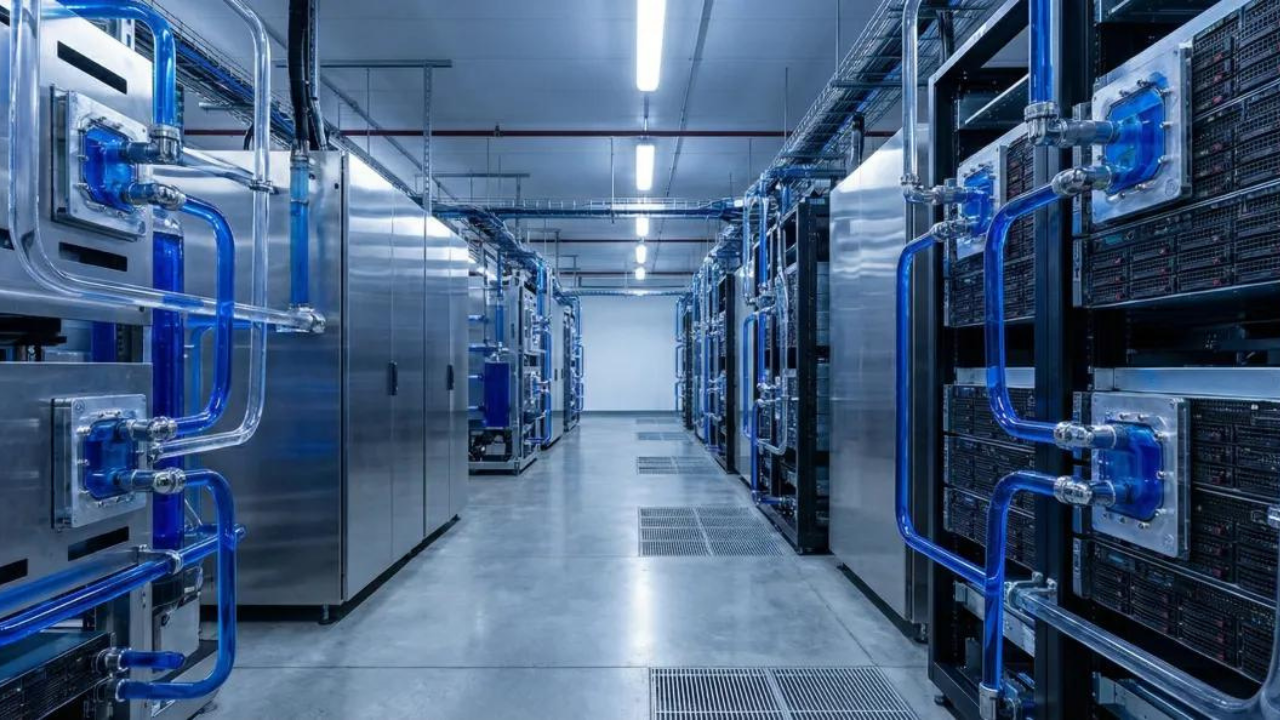
GPU sets work at high temperatures. Therefore, intensive cooling systems are used in data centers. In particular, millions of liters of water can be consumed in traditional systems. This situation is criticizing by local people in areas with a risk of drought. The new generation of liquid cooling technologies aim to reduce this problem, but the important part of existing facilities still have high water consumption.
Land and environmental effects
Some states of China are discussed that lands allocated for large data center campuses can affect agricultural areas or natural habitats. Local governments can space some projects allow processes when trying to balance between economic investment and environmental sustainability. These developments are not only specific to China. Similar discussions live in the US’s Virginia, Arizona and Georgia states. In Europe, Ireland and the Netherlands have started to limit new data center permissions due to energy capacity.
OpenAI Infrastructure and Global Data Center Racing
OpenAI is not only a artificial intelligence company today. It is also one of the organizations that work to build one of the world’s largest computing infrastructures. Each new version of GPT models requires more GPU, more energy, larger storage capacity, faster network connections. Therefore, OpenAI is not only developing models in the last period, but also separating billions of infrastructure investments.
The partnership with Microsoft for many years is the basis of this. In addition, Stargate initiative, which is located in Oracle and SoftBank, is evaluated as one of the largest AI infrastructure projects in the US history. The purpose is not only to install more data centers. At the same time create new generation facilities that can increase the capacity of artificial intelligence on the global scale by decades. However, the developments in China show that the next competition will not only be won by buying more GPUs. Companies that can access energy, find appropriate land and manage environmental permits will gain significant advantage.
Is Artificial Intelligence Great Than Expected Energy Consumption?
Large language models not only consume high energy during the training phase. The main point of interest is the continuous processing load that occurs after models are opened. Every query made into systems such as ChatGPT, Gemini or Claude is processed in real time in data centers with thousands of GPUs. As the number of users increases, this process load is not linear, but it is growing by folding.
The focus of the sector for a long time was only model performance. Now companies are looking for ways to deliver the same performance with lower energy costs. Because new generation models are not only having to be smarter, but also have to be sustainable. At this point artificial intelligence energy consumption, technology companies have become one of the most important R&D titles. Blackwell architecture of Nvidia, Home'in Instinct series and Google's TPU solutions are not only able to perform higher performance, but it is aimed to increase the processing power per watt.
However, improvements on the hardware side are not enough alone. Electrical infrastructure, high voltage lines and energy storage systems can not work with full capacity even the strongest GPU clusters in the world unless they are developed at the same speed. Therefore, many analysts think that in the coming years the largest competition area of artificial intelligence will be very energy management.
How Does China Technology Policy Change AI Infrastructure?
China sees artificial intelligence as one of the main components of the national strategy. However, in the last period, the policy is not only about building more data centers. The new approach aims to guide the energy efficiency of investments to high regions and to use the existing capacity more effectively. Especially when it is encouraged to establish large AI campuses in areas where energy production is strong in the west of the country, a more selective permit process is applied in eastern cities where electrical infrastructure is dense.
This approach refers to an important change in terms of Chinese technology policy. The goal is not only to increase the capacity; positioning the capacity in the right place. Another reason for this is the international competition. After restrictions on the semiconductor export of the US, China focuses on using the hardware it has. Therefore, the technology policy with energy planning is in the first time.
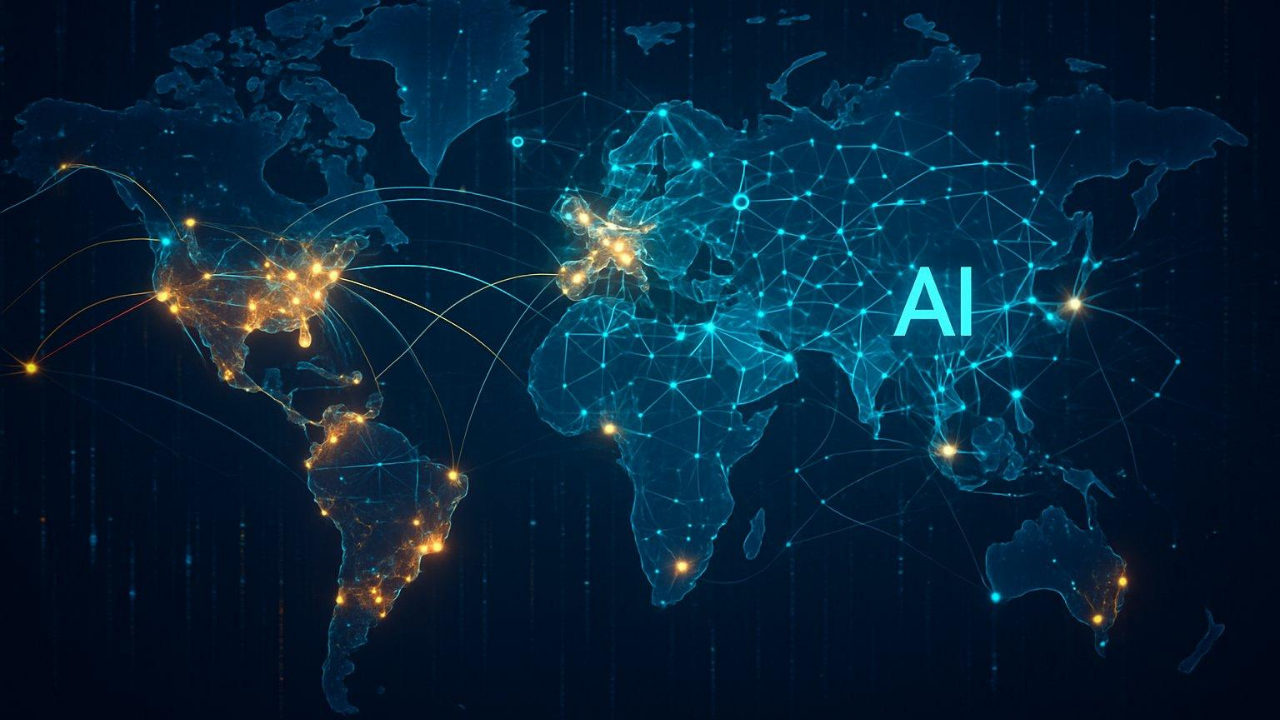
Data Center Competition Between US and China Enters a New Home
In the last two years, artificial intelligence competition was mostly evaluated through the GPU supply. Nvidia’s H100 and Blackwell accelerators were discussed to provide advantages. Today, the table started to change. Even if a company buys GPU as much as it wants, it can be thrown into the big part of investment if it has energy or appropriate data center infrastructure to run them.
That’s why in the US Microsoft, Amazon, Google and Meta are making long-term agreements with energy companies while they are announced new data center investments. Nuclear power plants, solar power farms and small modular reactors (SMR) technology giants started to be increasingly involved in investment plans.
China is watching a different strategy. Thanks to central planning, energy is trying to collect intensive data centers in certain regions. Thus, it is aimed to reduce printing on both grid and optimize welding usage. The common point of both approaches is quite clear: Artificial intelligence race is not only software teams, but also energy engineers and infrastructure planningrs.
How to Affect Initiatives and AI Startups from this Process?
The biggest impact of the data center attack will not only be felt in technology giants. The main fragile group can be initiatives dependent on cloud infrastructure. Newly established AI attempts often do not install their data centers. Instead OpenAI, Microsoft AzureGoogle Cloud or AWS are using the infrastructure available. However, the contraction of the data center capacity or the rise of energy costs can be reflected directly to the prices of cloud services.
This situation is particularly interested in productive AI initiatives, video production platforms, large language model developing companies, startups working on AI agents. With the increase of cost pressure, I can turn to smaller and efficient open source models. One of the reasons why models like Llama, Qwen, Mistral and Gemma have been interested in this trend. Efficiency is no longer only a technical advantage, but it comes to one of the important criteria that investors evaluate.
Featured Solutions in New Generation Data Centers
The industry does not only talk about problems. It also invests in new technologies to overcome this bottle. One of the most remarkable developments in liquid cooling systems. While traditional air cooled data centers remain insufficient in high GPU density, liquid cooling solutions that directly contact chip can reduce both energy consumption and water usage. Another trend is the establishment of data centers closer to renewable energy sources. The regions where solar and wind energy are dense, are attractive for new AI campuses.
Some companies work on more radical solutions. Small modular nuclear reactors are evaluated as one of the options that can meet the continuous energy needs of large data centers in the future. Moreover, due to the "edge AI" approach, it is aimed to perform all transactions in the gigantic data centers, at closer points to the user of certain tasks. Thus, reduction of load on central infrastructure is planned.
How to Delete AI Data Center Crisis For 5 Years?
Artificial intelligence sector is now going to the infrastructure-oriented growth period from performance-oriented growth. New models are now solidifying the competitive advantage alone. These models are critical as at least model quality that can offer millions of users with low latency and at reasonable cost. In the coming years, regions where data centers will be installed; electricity prices, renewable energy capacity, water resources and local regulations will be selected.
Therefore AI data center Home the crisis is seen as a temporary problem. On the contrary, artificial intelligence sector is evaluated as a new economic reality. In terms of Turkey, these developments should be carefully monitored. While local artificial intelligence attempts continue dependence on international cloud providers, data center capacity and energy investments can directly influence the competitiveness of the future.
Frequently Asked Questions (FAQ)
What is the AI data center crisis?
The AI data center crisis refers to the status of data centers that will allow the processing power of artificial intelligence models to grow quickly due to energy, water and infrastructure constraints.
Why do OpenAI need more data center?
New generation GPT models require much more GPU, storage space and high bandwidth. The increasing number of users is forced to continuously expand the existing infrastructure.
Why does China treat more cautiously against data centers?
Due to electrical consumption, water usage and environmental impacts, new data center projects in some regions are taken more stringent evaluation. China aims to protect energy efficiency while increasing capacity.
Why does artificial intelligence consume more energy?
Real-time processing of large-language models from education and millions of users requires thousands of high-performance GPUs continuous operation. This leads to high electricity consumption.
How can ventures be affected by this crisis?
Increasing the cost of cloud services, the difficulty of GPU access and limiting infrastructure capacity, especially the operational expenses of artificial intelligence-based initiatives.
What are these developments for Turkey?
With the speed of artificial intelligence investments, domestic data center capacity, energy infrastructure and high performance computing resources will gain strategic importance. Investments to these areas can directly influence the competitiveness of the AI ecosystem of Turkey.
WriterYapay Zeka Kimlik Taklidi Dolandırıcılığı: 3 Saniye Yetiyor


Format Duyarlılık Endeksi Nedir?