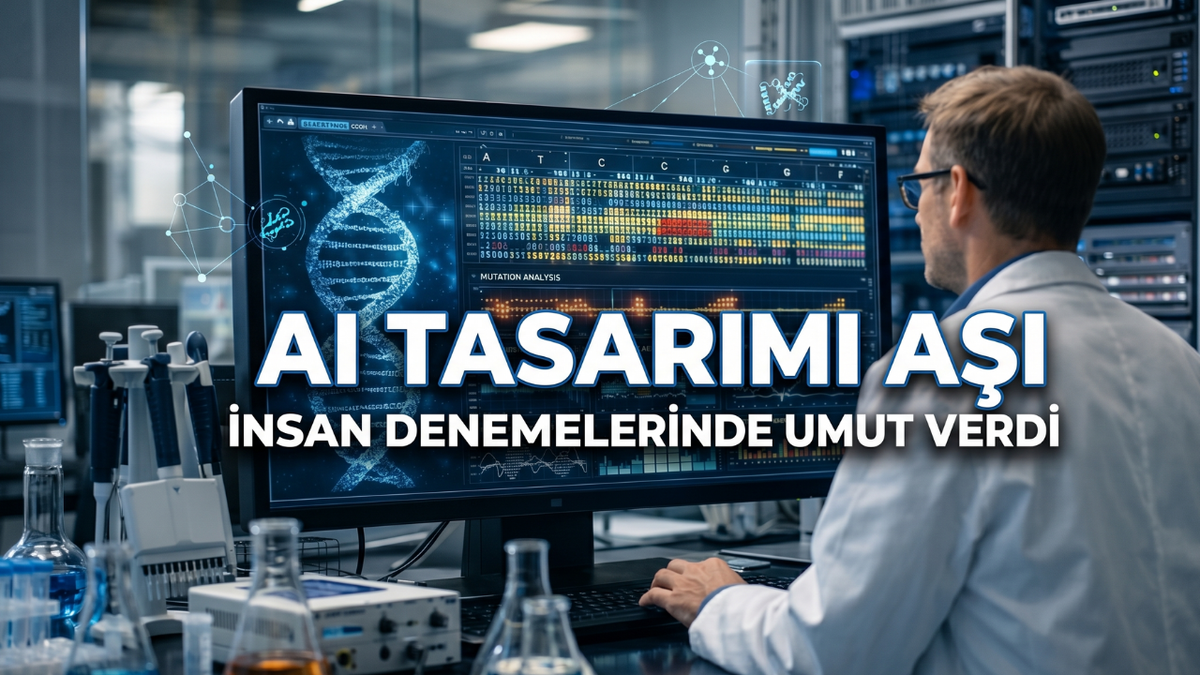
AI Design Has Hopeed In Vaccination Human Experiments
Automatically translated
 Writer
The theoretical period, which was spoken for a long time in biotechnological laboratories, adds protein chains of algorithms and designed new immunogenesis, was behind. The studies conducted by the University of Cambridge, the DIOSynVax platform and San Francisco-based Centivax were clinically confirmed that artificial intelligence is not only a molecular search engine on databases, but they can produce stable outputs that work directly in human biology. The role of artificial intelligence in health This table reveals that classic antigen design models in literature will breed from root to sars; because synthetic antigens, which were removed from scratch with fully computational models, managed to trigger a safe immune response in human trials.
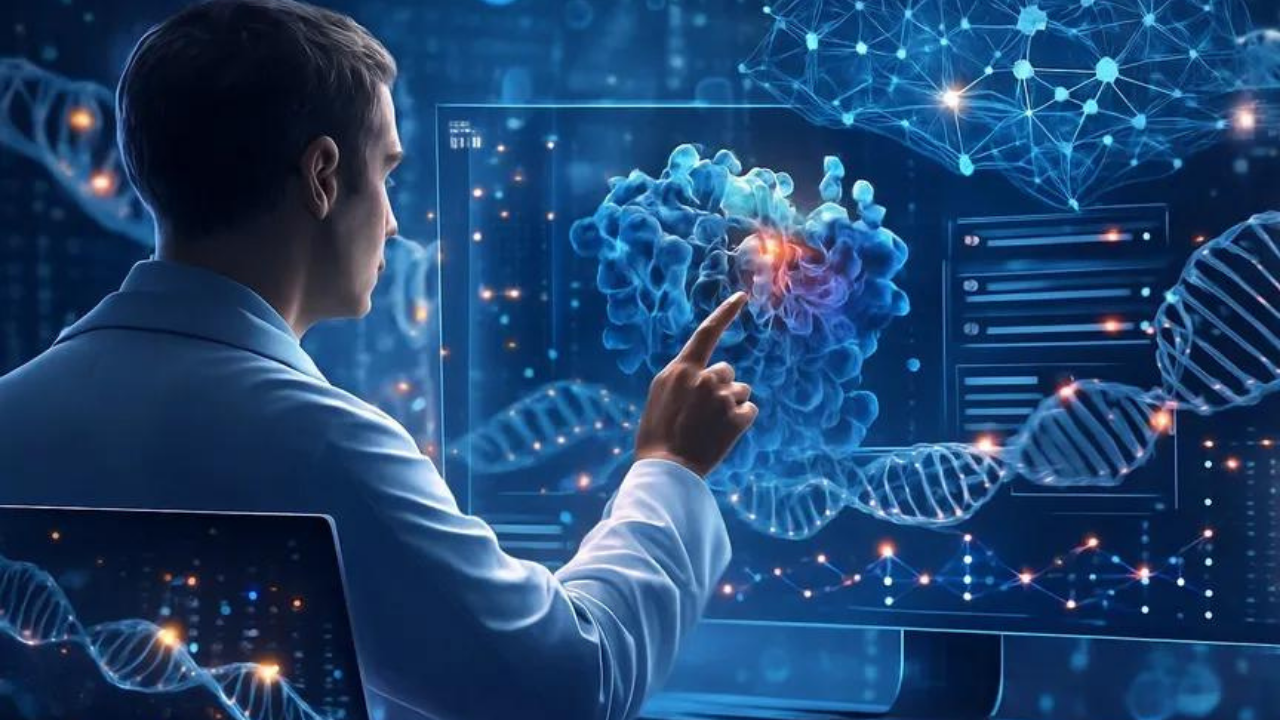
Reading the process just as a "great" becomes unfair to paradigm in the background. Classic vaccine technologies are running the virus and trying to imitate its latest variant, this new computational architecture virus keeps structural corners in advance, which could not escape as evolutionally. In this article, we put the Phase 1 results into the table with an academic perspective on how candidates like molecular background, antigen escape theories and Centi-Flu 01 push the bio ecosystem.
Super Antigen Design and DIOSynVax Architecture in Sarbecovirus Family
Phase 1 data obtained from the first human trials of the DIOSynVax platform brings a radical approach to the problem of "cross reactivity" that the biotechnology world has been trying to solve for a long time. Classic vaccine design is based on clone of the Spike protein in the laboratory, which is isolated from a single viral strain (e.g. SARS-CoV-2 Wuhan strain or a specific Omicron variant) surface glycoproteini. However, this approach can function with a single point mutation on the Reseptör Bonding Area where the virus is connected with the host cell receptor ACE2.
Cambridge team feeds artificial intelligence models with a huge genetic secret pool, covering all Sarbecovirus peel tree. Machine learning algorithms The millions of amino acids in this pool aligned with the array of amino acids and filtered stable structural domains, which should not undergo mutation functionally to survive the virus.
Artificial intelligence, as a result of this analysis, has not been alone in nature, but optimized a synthetic "super antigen" array that carries a common genetic signature of the entire Sarbecovirus family. This structure was modeled in the computer environment, not only at the level of secretion, but also three-dimensional comfort stability tests. Molecular dynamic simulations showed that this artificial protein can easily be easily recognized by human immune cells and the potential of large spectrum neutralizing antibodies (bNAbs) is high.
Results of Phase 1 study conducted on 39 healthy volunteers, proves the biological validity of this calculation design. The analysis of participants in serum examples revealed that the vaccine is not only against the targeted SARS-CoV-2 strains, but in the cellular level SARS-CoV-1 and yet splashed in human population, but also formed a significant T-body response against potential pandemic coronavirus strains in wounds. The systemic tolerability tests were passed successfully in early stage studies, the primary son point (primary endpoint); no majör adverse reactions were observed in the subjects.
Epitopp Selection in Centivax and Influenza Paradoks
This success on coronaviruses is directly shortening the way to the universal flu vaccine vision, one of the biggest targets of the biotechnology world. Influenza virus is one of the most aggressively used pathogens of antigenic deviation and antigenic fracture mechanisms by its structure. Every year the World Health Organization is trying to predict influenza strains that will be dominant in the next winter season with data from global surveillance networks and seasonal vaccines are produced according to these forecasts. But during the periods where the predictions are not kept, the protective rates of vaccines can be back to 10% to 20% band.
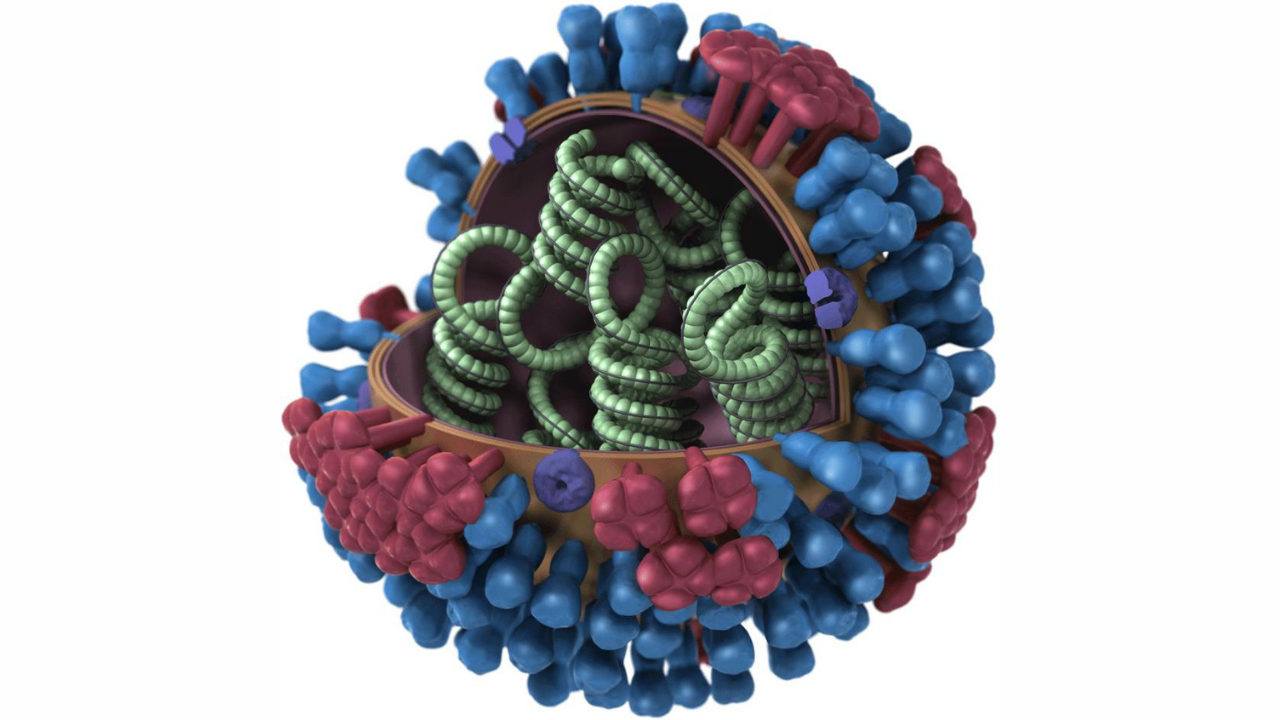
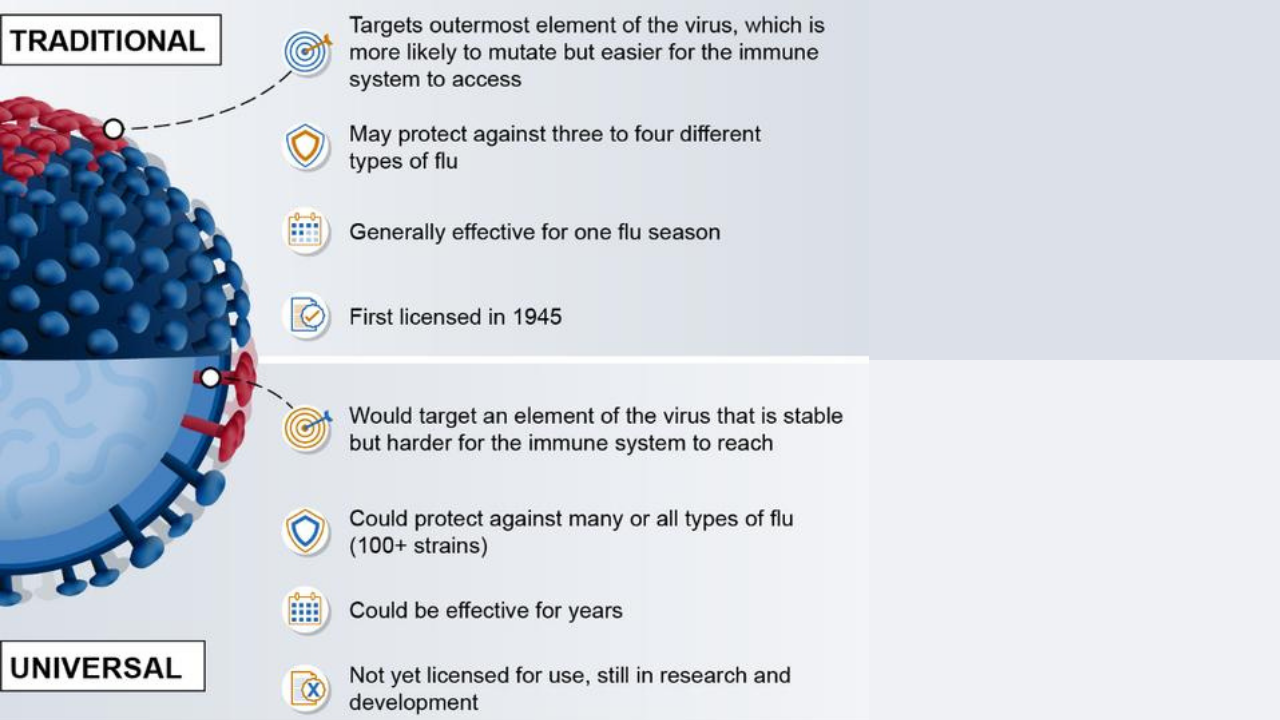
At this point, Centivax, which came to stage, brought the vaccine candidate called Centi-Flu 01, aiming to completely break this paradox using computational immunology tools. The AI biotechnology platform developed by the company targets the anatomy of the Hemagluti (HA) protein, located on the outer surface of the influenza virus.
Traditional Approach:
Seasonal vaccines target the head area of the immune system (imperfectioninant). But this head area is the most dynamic of the mutation pool of the virus. Virus quickly escapes from antibodies to amino acids in the head area.
Centivax Approach:
Centivax algorithms focus on the body area, which is almost impossible to mutation functionally, which the immune system overlooks in normal conditions. Artificial intelligence will stand out the preserved epitopes in the body area and manipulate the antigen surface, allowing the immune system to attack directly into this region.
Phase 1 human trials of the Centi-Flu 01 project, This artificial intelligence optimization antije controls whether a foreign toxic reaction will trigger and trigger when injected into the human body. If the broad spectrum antibody response (bNAbs) expected in intermediate clinical outputs is verified, influenza strains will eliminate the necessity to re-expect each year and the global vaccine logistics will completely change.

Biotechnology Integration of Machine Learning Algorithms u
Artificial intelligence on the journey from the computer screen of a vaccine to the syringe eliminates the trial-burning cycles in traditional wet lab processes. Thousands of potential peptides of an immunologist in the past were synthesized by years to test them individually in cell cultures and measuring affinity values. Today, machine learning models optimize this process in five basic layers.
Deep Arraylim Analysis and Evolution Printing Mapping
Algorithms detect locous under positive and negative selected pressure by scanning hundreds of thousands of viral genomes on global databases such as GenBank and GISAID. What regions of the virus are open to mutation, which regions are mathematically determined to be protected for structural integrity.
T-Hücresi and B-Hücresi Epitopp Forecast Home
The designed synthetic protein is analyzed by deep learning-based forecast models (e.g. NetMHCpan), how human Large Tissue Compatibility Complex (MHC Class I and Class II). In this way, epitopps are selected, not only strong, but also long-term cellular memory (visual T cells).
In Silico Test of Comfort Dynamics
Designed AI design three-dimensional structure of vaccine candidates is simulated at microseconds level while in aqueous solution environment. Geometric harmony (lock-and-key model) that the protein chain does not break over time, is tested in the computer environment and the most stable molecular configuration is selected.
Epistemological Size of Transition from Reactive System u
Traditional medicine practices have always remained in a "reactive" position against the mutational speed of pathogens. A virus is mutation, the epidemi begins, the laboratories take the indicator and develop a formula against him. This cycle causes the pathogens of mankind to remain back at a time when the logistics and production processes are also added.
The intersection of artificial intelligence and computational biology is carrying the sector on a ground of "respective". Evolution algorithms can simulate the structural combinations in the future using the amino acid pool in the hands of a virus. The antigenic map of the variants, which have not yet been in nature but in the nature, is revealed. Thus, the vaccines developed by the partnership of artificial intelligence biotechnology are not only a shield against today’s strains, but it becomes the strategic defense lines that are previously positioned against future possible pandemic leaps.
But at this point there is an important pull that academic camia stands on: the risk of triggering non-specific inflammatory reactions in the human immune system of synthetic proteins optimized by artificial intelligence. That’s why the "ciddi side-effect" reports from Phase 1 trials are revolutionary synonymous in terms of showing the harmony of computational models with human biology.
Regulation and Validation Wall: How to Check Algorithms?
The speed of technological progress is going in front of traditional control mechanisms of regulators (FDA, EMA etc.) according to nature. The existing vaccine approval procedures are carried out on the platforms known for decades in biologically validated and production standards. Synthetic "sper antigens" approval processes, which are the output of a completely algorithm and are not a full analog in nature, create a new gray field for legal authorities.
One of the biggest unopens is the problem of clarity called "black box" in the literature of artificial intelligence. One deep learning modelWhen a certain amino acid array by processing millions of parameters is most ideal antigen, it may not always be possible to explain all the cause of this choice to human supervisors step by step. Regulatory institutions request that a biological product will not be transparent to the suspicion of the "neden-end" relationship. In the coming period, the integration of openable Artificial Intelligence (XAI) models to the vaccine design processes will become an academic obligation.
In addition, the nature of the Phase 1 work is carried out only in a restricted volunteer group (e.g. 39 people in DIOSynVax study), which prevents us to have a certain judgment about the effectiveness of the vaccine statistically. It does not mean that antije is safe and antibody produce will prevent infection or disease indefinitely when it encounters viruses in real world scenarios. The final answer to this problem will be cleared after Phase 2 and Phase 3 clinical trials, which is very based on the inclusion of heterogeneous populations.
The achievements obtained from the first human trials are registered that a new era starts in the partnership of medical and computer sciences. Centivax’s influenza candidate and the sarbecovirus platform of DIOSynVax is very close to eliminating the necessity of "healing every year" which is one of the largest logistic and financial loads in medicine history.
In the future, when a new pathogen is detected, the genome array will be loaded into the cloud through global data networks, artificial intelligence systems will design the most stable universal antigen within a few hours, and this design will be sent directly to mRNA or DNA production facilities around the world as digital code. Pre-clinic optimization stage, which lasts for months in laboratory environments, will be transferred to completely digital simulations. This scenario is no longer a science fiction narrative; it is a close future projection that phase 1 subjects are directly verified by neutralizing antibodies circulating in blood samples.
Frequently Asked Questions
How to split the AI design from traditional vaccines to molecular level?
Traditional vaccines are weakened, killed or shredded virus strains that exist in nature; AI design vaccines are based on synthetic antigens targeting the preserved zones of the virus, which analyzed millions of genetic variations, designed from computer environment, not mutation.
Will the universal flu vaccine developed completely finish the need for vaccination every year?
That’s the goal. The concept of universal flu vaccine that works on companies such as Centivax is aimed to provide permanent protection for many years against a large number of variants with a theoretically single vaccination.
What does Phase 1 mean successful completion of clinical trials?
Phase 1 trials measure the safety profile, toxicity and toughness of an experimental biological product in the human body. The successful passing of this stage indicates that the vaccine does not pose a serious side effects in humans and warns the immune system in the right direction, but Phase 2 and Phase 3 work will be done with larger masses to prove the rate of protection from the disease of the vaccine (activity).
What processes are speedy out of antigen design in the field of artificial intelligence biotechnology?
Artificial intelligence in medicine discovery In the prediction of the affinitys to connect to the target receptors of small molecules, in the simulations of protein coefficient, in clinical simulations of patient populations, it is actively used in many critical processes, such as the analysis of individual neoantigens in cancer immunotherapy and very large genomic data sets.
WriterAI Çağında İnsan Becerileri: İş Dünyasında Denge Değişiyor


Anthropic Fable 5 İlk Kullanıcılardan Nasıl Not Aldı?