



Human Skills in the AI Era: The Balance Is Shifting in the Workplace
Automatically translated
 Writer
The rapid development of AI technologies is reorganizing work habits. These developments also bring up topics such as human skills in the AI era. Recent research shows that technological transformation has not increased the importance of technical skills; instead, human abilities such as communication, leadership, and emotional intelligence have become more valuable. In other words, human skills in the AI era will be among the critical characteristics that shape the future workforce.
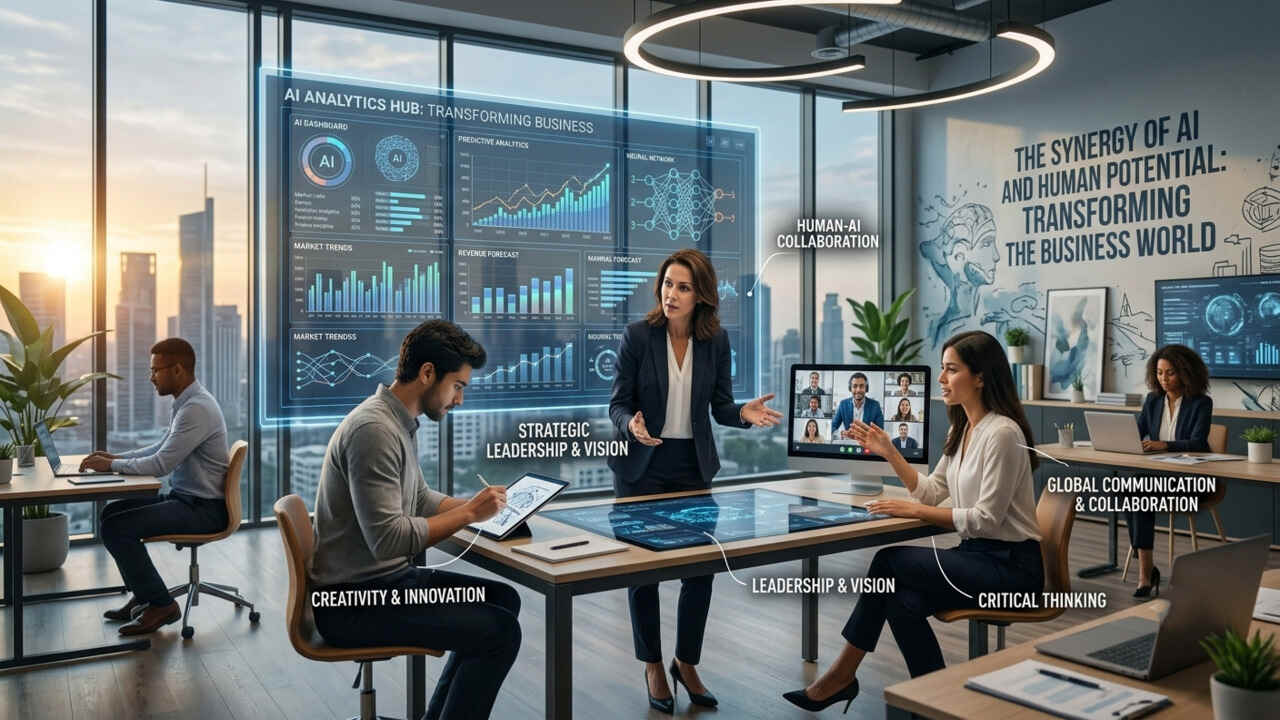
Over the past few years, companies have been integrating AI into their work models, and questions about AI and careers continue to come up often. A significant part of routine and repetitive tasks has begun to be carried out by automation on a global scale. In reality, this change is leading employees to take on more strategic areas rather than eliminating their roles entirely. In this way, the relationship between AI and careers is being redefined without removing people from the equation.
Workforce Transformation Is Accelerating
Looking at the topic from the perspective of workforce transformation, digitalization and AI investments are speeding up this transformation worldwide. While companies want to use these systems to increase efficiency, the skills they expect from employees are changing. In the past, many jobs or positions looked for factors such as technical knowledge and experience, but today they prefer people who can adapt to new systems. This is because AI and infrastructure developments happen so quickly that people who learn and adapt to new systems quickly come to the fore.
As people close to the subject can predict, research shows that AI takes over many routine tasks, but it does not seem possible for it to replace human strategic and creative decision-making in the short term. Looking closely, there is no likelihood of humans becoming obsolete in the short term. In fact, many AI companies argue that development should continue together with human skills.
Human Skills That Gain the Most Value in the AI Era;
Skill | Why It Matters |
|---|---|
Creativity | Differentiates the content produced by AI. |
Critical Thinking | Enables evaluating the accuracy of AI outputs. |
Communication | Plays a decisive role in team management and customer relations. |
Leadership | Enables guiding digital transformation processes. |
Empathy | Is one of the areas where AI falls short in human relationships. |
Problem Solving | Becomes important in complex and unpredictable situations. |
Adaptability | Enables keeping up with a rapidly changing technology environment. |
Decision Making | Highlights the human factor in strategic processes. |
Why Human Skills Are More Valuable in the AI Era?
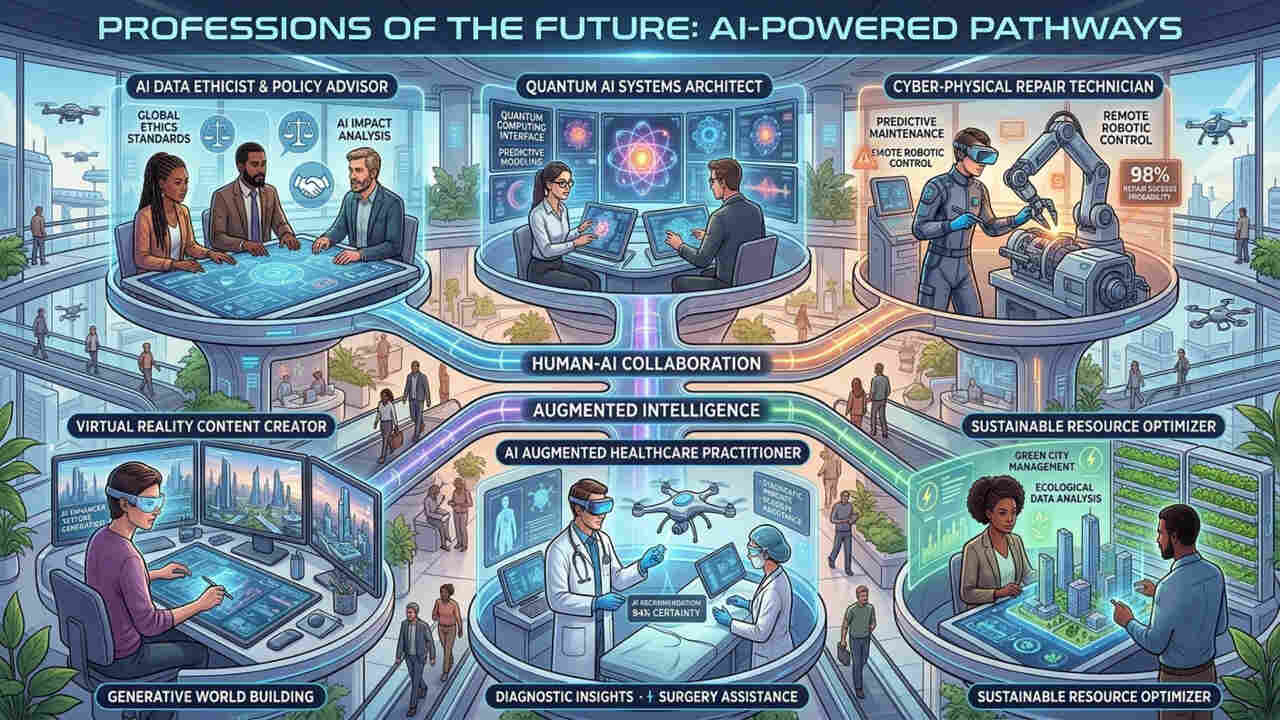
AI and the jobs of the future are topics people are still thinking about. Since we are in the middle of this change, it is quite normal for people and employees to feel this way. AI systems are already achieving significant success in data analysis, reporting, and content production. However, they still have limited capacity in situations that require human relationships, building trust, and social interaction. Especially in the workplace, areas such as team motivation and crisis management stand out as areas where humans keep their natural advantages.
Originality plays a critical role in this process. Although AI produces new outputs from existing data, it still needs humans to develop completely independent ideas. If the self-improving AI we discussed earlier emerges, then things will go in a different direction.
Skills Expected to Be in Higher Demand Over the Next 5 Years;
Skill | Share of Employers Prioritizing It |
|---|---|
AI Literacy | 87% |
Analytical Thinking | 82% |
Problem Solving | 80% |
Creativity | 73% |
Leadership | 71% |
Communication Skills | 69% |
Data Analysis | 67% |
Digital Competencies | 66% |
Teamwork | 63% |
Emotional Intelligence | 58% |
How Will the Jobs of the Future Take Shape?
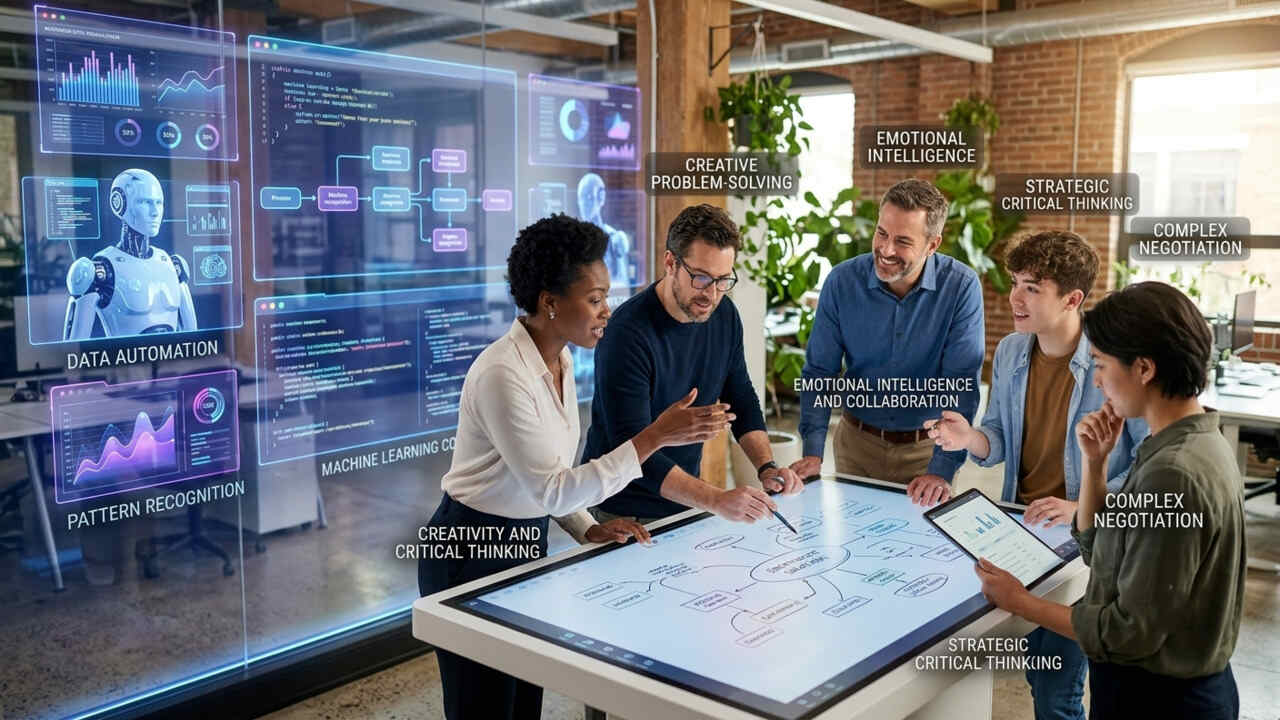
The AI era we are in will push some jobs to transform while opening new fields of work. Roughly speaking, areas such as AI trainers, data ethics specialists, human-machine interaction experts, and digital transformation managers may emerge. Beyond all of this, jobs where human relationships are central, not only technology-focused work, will also gain importance. At this point, we can think of this transformation as a hybrid work structure. Demand for psychologists, teachers, leadership consultants, and workers in creative industries is also expected to grow.
Because of AI and the jobs of the future, no matter how much workflow processes speed up, people still need a human touch to meet emotional needs and social expectations.
Humans and AI Will Work Together
AI companies and developers foresee that the future will bring a structure in which AI systems and human influence work together. In addition, developer companies such as Anthropic have recently set the agenda with statements that the human factor and safety concerns continue to matter. Contrary to most thinking, human skills are gaining more importance rather than losing value.
Individuals who want to succeed in the workforce transformation need both to follow technological developments and to develop competencies such as communication and problem solving. The resulting picture shows that knowledge alone will not be enough in the business world of the future. The factor that will make a difference in the relationship between AI and careers will be the capacity to combine the unique abilities of human nature with technology.
WriterFacebook AI Mode Sosyal Medya Deneyimini Değiştiriyor
AI Tasarımı Aşı İnsan Denemelerinde Umut Verdi


