



AI-Designed Vaccine Shows Promise in Human Trials
Automatically translated
 Writer
The theoretical era long discussed in biotechnology laboratories, in which algorithms fold protein chains and design entirely new immunogens, is now behind us. Research conducted by the Cambridge University spin-off DIOSynVax platform and San Francisco-based Centivax has clinically demonstrated that artificial intelligence is not merely a search engine looking for molecules in databases, but can also generate stable outputs that function directly within human biology. This development, which also highlights AI's role in healthcare, is poised to fundamentally challenge conventional antigen design models in the scientific literature. For the first time, synthetic antigens built from scratch using entirely computational models have successfully triggered a safe immune response in human trials.
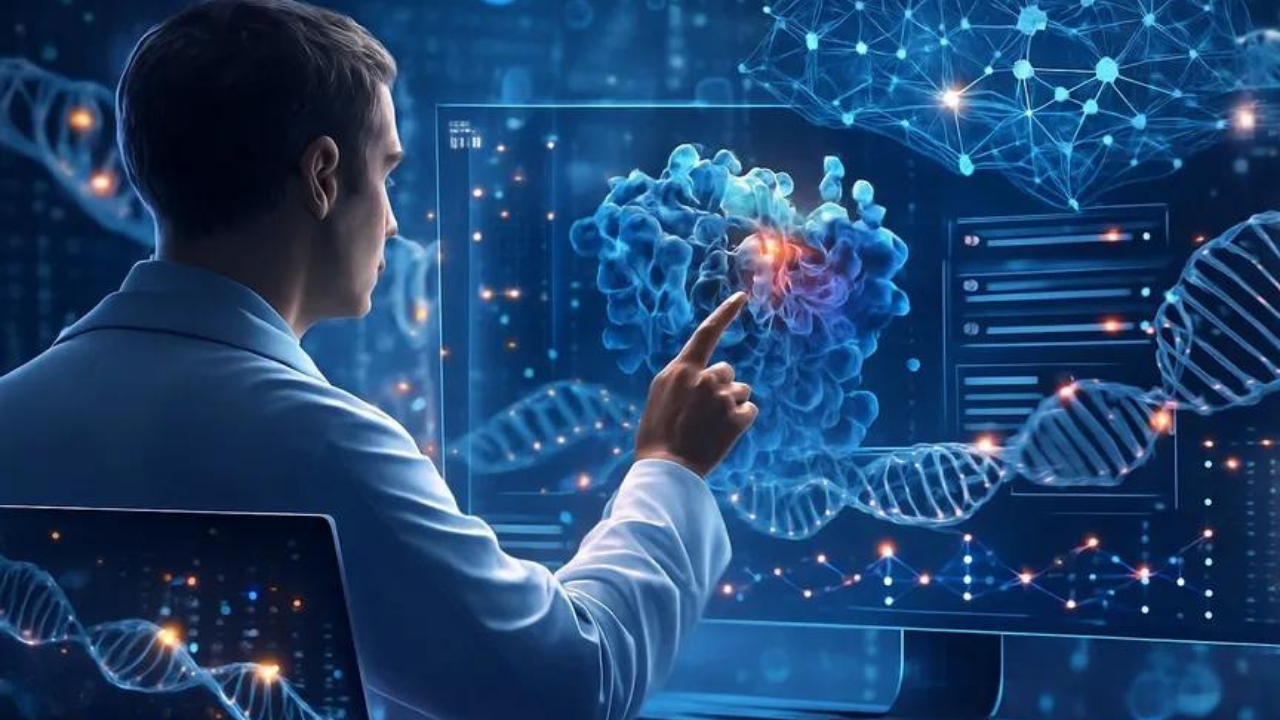
Reading this process merely as a "vaccine discovery" would do an injustice to the paradigm behind it. While conventional vaccine technologies chase viruses and attempt to replicate their latest variants, this new computational architecture anticipates the structural vulnerabilities that viruses cannot escape through evolution. In this article, we examine the molecular background of the Phase 1 results, theories of antigenic escape, and how candidates such as Centi-Flu 01 are driving transformation across the biotechnology ecosystem from an academic perspective.
Superantigen Design in the Sarbecovirus Family and the DIOSynVax Architecture
Phase 1 data from the first human trials of the DIOSynVax platform introduce a radical approach to the problem of "cross-reactivity," which the biotechnology world has been trying to solve for years. Conventional vaccine design relies on cloning the surface glycoprotein Spike protein of a single isolated viral strain (such as the SARS-CoV-2 Wuhan strain or a specific Omicron variant) in the laboratory. However, this approach can become ineffective through a single point mutation in the Receptor Binding Domain, where the virus binds to the host cell receptor ACE2.
Rather than focusing AI models on a single strain, the Cambridge team trained them on a massive genetic sequence pool covering the entire Sarbecovirus family tree. Machine learning algorithms aligned millions of amino acid sequences in this pool and filtered out stable structural domains that must remain functionally unchanged for the virus to survive.
Based on this analysis, AI optimized a synthetic "superantigen" sequence that does not exist independently in nature but carries the shared genetic signature of the entire Sarbecovirus family. During computer-based modeling, this structure underwent not only sequence-level analysis but also three-dimensional conformational stability testing. Molecular dynamics simulations showed that this artificially designed protein could be readily recognized by human immune cells and had a high potential to trigger broad-spectrum neutralizing antibodies (bNAbs).
The results of the Phase 1 study conducted on 39 healthy volunteers provide evidence of the biological validity of this computational design. Analyses of participants' serum samples revealed that the vaccine generated a notable T-cell and antibody response not only against the targeted SARS-CoV-2 strains but also against SARS-CoV-1 at the cellular level and potential pandemic coronavirus strains harbored by bats that have not yet jumped to human populations. Systemic tolerability tests, the primary endpoint in early-stage studies, were also successfully passed, with no major adverse reactions observed in participants.
Centivax and Epitope Selection in the Influenza Paradox
This success against coronaviruses directly shortens the path toward one of the biotechnology world's biggest goals: the vision of a universal flu vaccine. By its very nature, the influenza virus is one of the pathogens that most aggressively exploits the mechanisms of antigenic drift and antigenic shift. Every year, the World Health Organization attempts to predict the influenza strains that will dominate the following winter season using data from its global surveillance networks, and seasonal vaccines are produced based on these predictions. However, when predictions prove inaccurate, vaccine protection rates can fall to between 10% and 20%.
Entering the picture at this point, Centivax brought its Centi-Flu 01 vaccine candidate to the clinical trial stage as of 2026, aiming to completely overcome this paradox through computational immunology tools. The company's AI-driven biotechnology platform targets the anatomy of the Hemagglutinin (HA) protein found on the outer surface of the influenza virus.
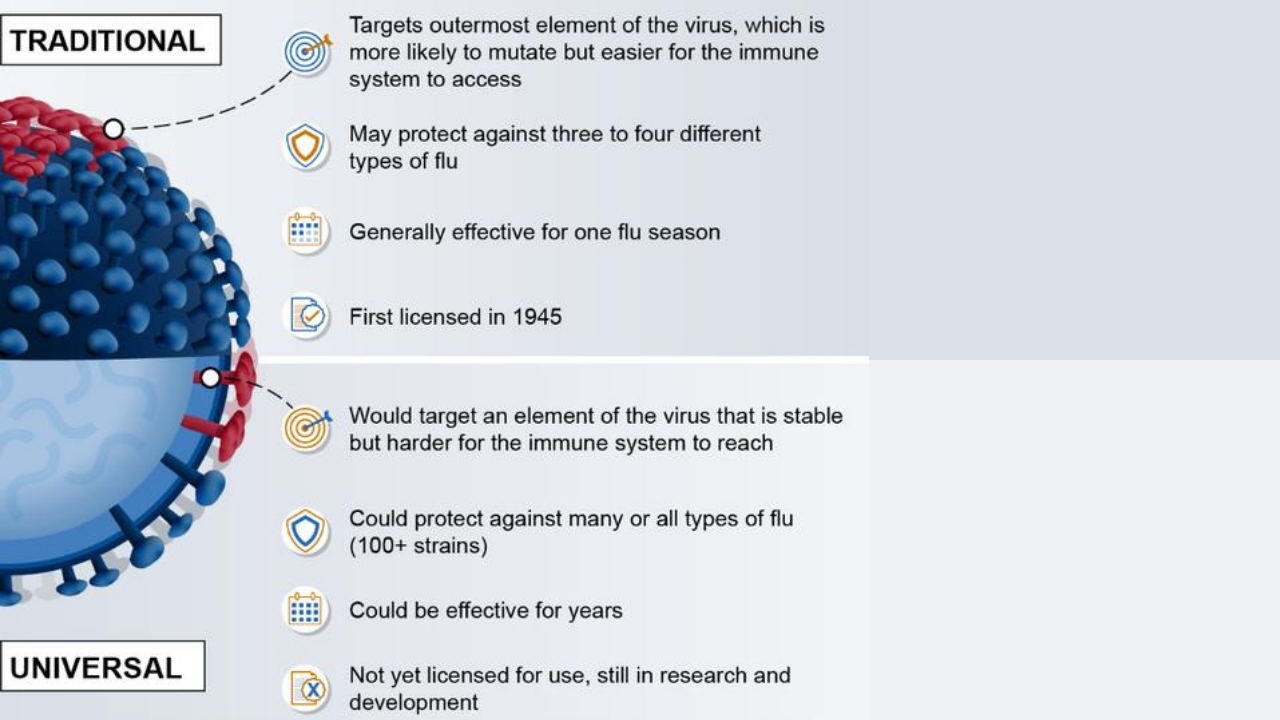
Traditional Approach:
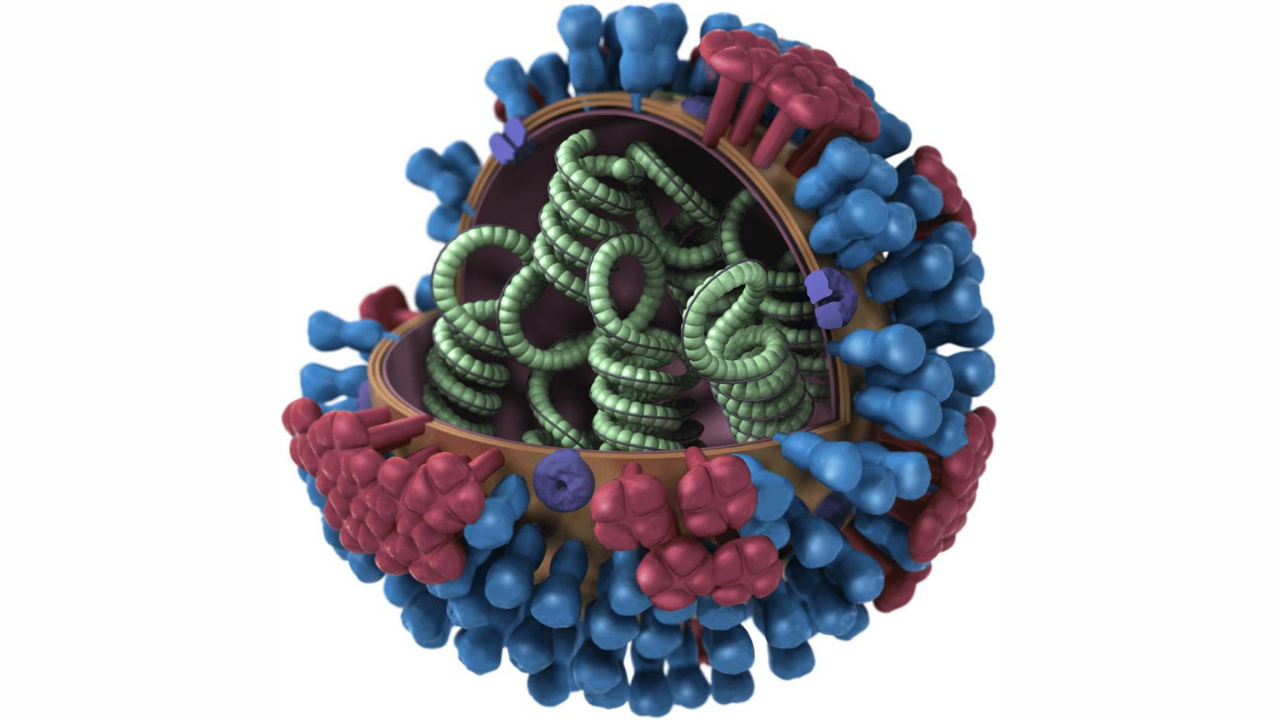
Seasonal vaccines target the head region, which triggers the strongest response from the immune system (the immunodominant region). However, this head region is where the virus's mutation pool is most dynamic. The virus escapes antibodies by rapidly changing the amino acids in this region.
Centivax Approach:
Centivax algorithms focus on the stem region, which the immune system normally overlooks but which is functionally almost impossible to mutate. AI manipulates the antigen surface to highlight conserved epitopes in the stem region and direct the immune system to attack this specific area.
The Phase 1 human trials of the Centi-Flu 01 project are examining whether this AI-optimized antigen triggers any foreign toxic reactions when injected into the human body. If the expected broad-spectrum antibody response (bNAbs) is confirmed in interim clinical results, the need to predict influenza strains anew every year will disappear, fundamentally transforming global vaccine logistics.

Biotechnological Integration of Machine Learning Algorithms
On the journey of a vaccine from a computer screen to a syringe, AI eliminates the trial-and-error cycles involved in traditional wet lab processes. In the past, it took years for an immunologist to synthesize thousands of potential peptide sequences, test them individually in cell cultures, and measure their affinity values. Today, machine learning models optimize this process across five fundamental layers.
Deep Sequence Analysis and Evolutionary Pressure Mapping
Algorithms scan hundreds of thousands of viral genomes in global databases such as GenBank and GISAID to identify loci under positive and negative selection pressure. They mathematically determine which regions of the virus are susceptible to mutation and which must remain conserved to maintain structural integrity.
T-Cell and B-Cell Epitope Prediction
Deep learning-based prediction models (such as NetMHCpan) analyze how the designed synthetic protein will be presented by human Major Histocompatibility Complex (MHC Class I and Class II) molecules. This makes it possible to select epitopes that not only trigger a strong response but also generate long-term cellular memory (memory T cells).
In Silico Testing of Conformational Dynamics
The three-dimensional structures of AI-designed vaccine candidates are simulated at the microsecond level while in aqueous solution. The stability of the protein chain over time and its geometric compatibility with target antibody receptors (the lock-and-key model) are tested computationally to select the most stable molecular configuration.
The Epistemological Dimension of the Transition from Reactive to Predictive Systems
Traditional medical practices have always remained in a "reactive" position when faced with the mutation rates of pathogens. A virus mutates, an epidemic begins, laboratories obtain the isolate, and a formula is developed to counter it. When logistics and production processes are added to this cycle, humanity inevitably remains one step behind pathogens.
The intersection of AI and computational biology, however, is moving the industry toward a "predictive" foundation. Evolutionary algorithms can use the amino acid pool available to a virus to simulate in advance the structural combinations it might develop in the future. Antigenic maps are generated in laboratories for variants that do not yet exist in nature but could potentially emerge. Consequently, thanks to the partnership between AI and biotechnology, vaccines are becoming more than shields against today's strains; they are strategic lines of defense positioned in advance against potential pandemic outbreaks in the future.
However, the academic community has an important reservation at this point: the risk that synthetic proteins optimized by AI may trigger unpredictable non-specific inflammatory reactions in the human immune system. This is precisely why reports stating that "no serious adverse effects were observed" in Phase 1 trials represent a revolutionary milestone in demonstrating the compatibility of computational models with human biology.
The Regulatory and Validation Barrier: How Will Algorithms Be Audited?
The pace of technological progress is inherently far ahead of the traditional oversight mechanisms of regulatory institutions (FDA, EMA, etc.). Existing vaccine approval procedures are built around platforms with known origins, biological validation, and manufacturing standards that have been established for decades. The approval processes for synthetic "superantigens" that are entirely the output of an algorithm and have no exact natural counterpart create an entirely new gray area for legal authorities.
One of the biggest challenges is the explainability problem known as the "black box" in AI literature. When a deep learning model processes millions of parameters and presents a particular amino acid sequence as the ideal antigen, it may not always be possible to explain every step of the causal chain behind this selection to human reviewers. Regulatory institutions, however, require the "cause-and-effect" relationship to be transparent beyond any doubt before approving a biological product. In the coming period, integrating Explainable Artificial Intelligence (XAI) models into vaccine design processes will become an academic necessity if the biotechnology sector is to sustain its growth.

Furthermore, the fact that Phase 1 studies are, by nature, conducted with only a limited group of volunteers (for example, the 39 participants in the DIOSynVax study) prevents us from reaching a definitive statistical conclusion about the vaccine's efficacy. The fact that an antigen is safe and produces antibodies does not mean that it will definitively prevent infection or disease progression when exposed to the virus in real-world scenarios. The final answer to this question will become clear following multicenter Phase 2 and Phase 3 clinical trials involving heterogeneous populations.
The successes achieved in the first human trials confirm the beginning of a new era in the partnership between medicine and computer science. Centivax's influenza candidate and DIOSynVax's sarbecovirus platform are bringing us close to eliminating one of the greatest logistical and financial burdens in medical history: the need to "update vaccines every year."
In the future, as soon as a new pathogen is detected, its genome sequence will be uploaded to the cloud through global data networks. AI systems will design the most stable universal antigen within hours, and this design will be sent directly as digital code to mRNA or DNA manufacturing facilities around the world. The preclinical optimization phase, which currently takes months in laboratory environments, will be handed over entirely to digital simulations. This scenario is no longer a science fiction narrative; it is a projection of the near future directly supported by the neutralizing antibodies circulating in the blood samples of Phase 1 trial participants.
Frequently Asked Questions
How do AI-designed vaccines differ from traditional vaccines at the molecular level?
While traditional vaccines use weakened, inactivated, or fragmented viral strains found in nature, AI-designed vaccines are based on synthetic antigens designed from scratch in computer environments by algorithms analyzing millions of genetic variations. These antigens target the conserved regions of viruses that do not mutate.
Will the universal flu vaccine being developed completely eliminate the need for annual vaccination?
That is the goal. The universal flu vaccine concept being developed by companies such as Centivax targets the stable stem region of the influenza virus instead of its constantly changing head region. Theoretically, this aims to provide lasting protection against numerous variants for many years with a single vaccination.
What does the successful completion of Phase 1 clinical trials mean?
Phase 1 trials measure the safety profile, toxicity, and tolerability of an experimental biological product in the human body. Successfully passing this stage indicates that the vaccine has not caused serious side effects in humans and has stimulated the immune system in the intended direction. However, larger Phase 2 and Phase 3 studies are still required to prove the vaccine's protection rate (efficacy) against disease.
Which processes beyond antigen design is AI accelerating in biotechnology?
AI in drug discovery is actively used in many critical processes, including predicting the binding affinities of small molecules to target receptors, protein folding simulations, clinical simulations of patient populations, identifying personalized neoantigens for cancer immunotherapies, and analyzing extremely large genomic datasets.
WriterAI Çağında İnsan Becerileri: İş Dünyasında Denge Değişiyor


Anthropic Fable 5 İlk Kullanıcılardan Nasıl Not Aldı?


