Skip to content
Back to blog list
NG1 ve DN1: Yapay Zeka ile Geliştirilen Yeni Antibiyotikler
Artificial Intelligence

NG1 and DN1: New Antibiotics Developed with AI

Automatically translated
Masqot Community
Masqot CommunityCreator
3 min read
The WHO considers antibiotic resistance one of the biggest threats to global health. NG1 and DN1 were developed using fragment-based and unconstrained design approaches.

Although antibiotics are one of the cornerstones of modern medicine, their misuse has fatal consequences. The World Health Organization describes this as 'one of the greatest threats to global health'. AI-supported research offers hope against this danger; the new antibiotics NG1 and DN1 provide a strong solution against resistant bacteria.

Discovering New Antibiotics with AI
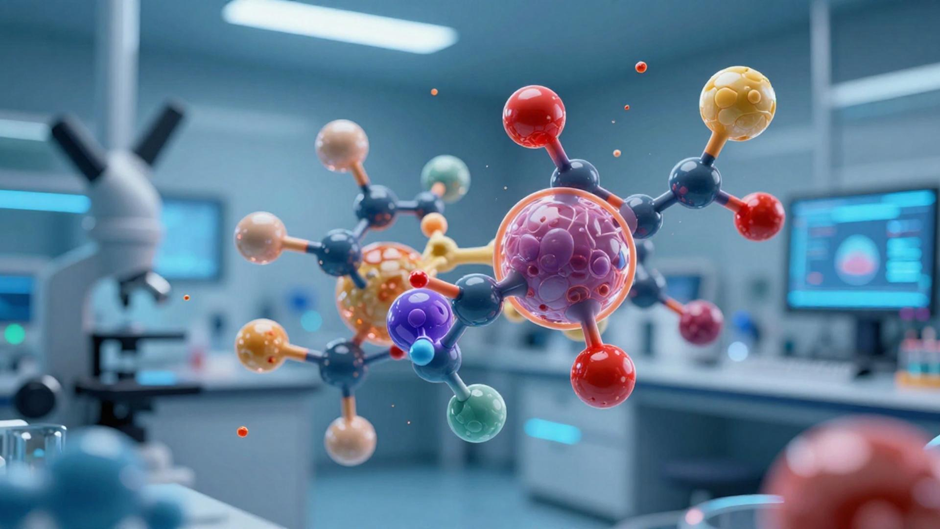
NG1 and DN1: New Antibiotics Developed with AI

Traditional drug development takes years, while AI can analyze millions of molecules in a very short time to identify potential antibiotic candidates. With this technology, scientists speed up the process by testing only the most promising molecules.

Scientists at the Massachusetts Institute of Technology (MIT) and collaborators elsewhere announced that AI helped discover two new potential antibiotics that can kill drug-resistant gonorrhea and MRSA bacteria: NG1 and DN1. Details of the study were published in a new Cell
paper titled " Generative deep learning approach for new antibiotic design ".

A Strong Candidate Against Resistant Bacteria
NG1 and DN1: New Antibiotics Developed with AI

Antibiotics discovered with AI algorithms produced promising results, especially against resistant bacteria. In laboratory tests:

  • They were effective against superbugs such as MRSA.

  • They showed success against bacteria resistant to conventional antibiotics.

  • They showed low toxicity to human cells.

The researchers went beyond screening existing libraries and used AI to generate new antibiotic candidates. Two approaches were tested, as follows:
NG1 and DN1: New Antibiotics Developed with AI

Fragment-Based Approach:

  1. A library of 45 million chemical fragments was built to develop molecules that could be used against N. gonorrhoeae (the gonorrhea-causing bacterium).

  2. After machine learning screening, the number of candidates was narrowed to about 1 million compounds.

  3. In experiments, a fragment called F1 stood out.

  4. Two algorithms (CReM and F-VAE) generated 7 million candidates starting from F1, and 1,000 of them were selected.

  5. 80 compounds were selected for synthesis, and only two could be synthesized. Of these, NG1 effectively killed drug-resistant gonorrhea bacteria in both cells and mouse models.

  6. NG1 targets the LptA protein, which plays a role in synthesizing the bacterial outer membrane, while DN1 kills MRSA by targeting its cell membrane.

Unconstrained Design Approach:

  1. 29 million compounds were generated against drug-resistant S. aureus without any fragment restrictions.

  2. Filtering reduced the number to 90, of which 22 were synthesized and tested.

  3. Six compounds showed strong antibacterial activity.

  4. The best candidate, DN1, successfully treated MRSA skin infection in mice.

Conclusion: AI developed new antibiotic candidates that could be effective against both gonorrhea and MRSA, and these drugs were shown to act on different new targets.

What Do Experts Think About AI Antibiotics?
NG1 and DN1: New Antibiotics Developed with AI

Dr. James Collins, the senior author of the study and a professor of medical engineering and science and of biological engineering at MIT, said, "The new possibilities this project opens up in antibiotic development excite us," and added, "Our work shows the power of AI in drug design and allows us to draw on a much broader chemical space that was previously out of reach."

Dr. Andrew Edwards of the Fleming Initiative and Imperial College London described the study as "very important" with "enormous potential," stating that it "offers a new approach to the discovery of new antibiotics."

However, Edwards added, "AI antibiotic discovery has the potential to greatly advance the discovery and development of antibiotics, but we still have to take on the hard part, which is safety and efficacy testing."

AI-developed antibiotics are a promising step against resistant bacteria. However, AI's contribution to healthcare is not limited to new drug discoveries. AI tools have also begun to be used in many areas such as diagnosis, treatment planning, imaging and patient monitoring. If you want to learn more about this field, you can find our article What are the AI tools used in healthcare? on our site.

Although antibiotics are one of the cornerstones of modern medicine, their misuse has fatal consequences. The World Health Organization describes this as 'one of the greatest threats to global health'. AI-supported research offers hope against this danger; the new antibiotics NG1 and DN1 provide a strong solution against resistant bacteria. Discovering New Antibiotics with AI Traditional drug development takes years, while AI can analyze millions of molecules in a very short time to identify potential antibiotic candidates. With this technology, scientists speed up the process by testing only the most promising molecules. Scientists at the Massachusetts Institute of Technology (MIT) and collaborators elsewhere announced that AI helped discover two new potential antibiotics that can kill drug-resistant gonorrhea and MRSA bacteria: NG1 and DN1. Details of the study were published in a new Cell paper titled " Generative deep learning approach for new antibiotic design ". A Strong Candidate Against Resistant Bacteria Antibiotics discovered with AI algorithms produced promising results, especially against resistant bacteria. In laboratory tests: They were effective against superbugs such as MRSA. They showed success against bacteria resistant to conventional antibiotics. They showed low toxicity to human cells. The researchers went beyond screening existing libraries and used AI to generate new antibiotic candidates. Two approaches were tested, as follows: Fragment-Based Approach: A library of 45 million chemical fragments was built to develop molecules that could be used against N. gonorrhoeae (the gonorrhea-causing bacterium). After machine learning screening, the number of candidates was narrowed to about 1 million compounds. In experiments, a fragment called F1 stood out. Two algorithms (CReM and F-VAE) generated 7 million candidates starting from F1, and 1,000 of them were selected. 80 compounds were selected for synthesis, and only two could be synthesized. Of these, NG1 effectively killed drug-resistant gonorrhea bacteria in both cells and mouse models. NG1 targets the LptA protein , which plays a role in synthesizing the bacterial outer membrane, while DN1 kills MRSA by targeting its cell membrane. Unconstrained Design Approach: 29 million compounds were generated against drug-resistant S. aureus without any fragment restrictions. Filtering reduced the number to 90, of which 22 were synthesized and tested. Six compounds showed strong antibacterial activity. The best candidate, DN1 , successfully treated MRSA skin infection in mice. Conclusion: AI developed new antibiotic candidates that could be effective against both gonorrhea and MRSA, and these drugs were shown to act on different new targets. What Do Experts Think About AI Antibiotics? Dr. James Collins, the senior author of the study and a professor of medical engineering and science and of biological engineering at MIT, said, "The new possibilities this project opens up in antibiotic development excite us," and added, "Our work shows the power of AI in drug design and allows us to draw on a much broader chemical space that was previously out of reach." Dr. Andrew Edwards of the Fleming Initiative and Imperial College London described the study as "very important" with "enormous potential," stating that it "offers a new approach to the discovery of new antibiotics." However, Edwards added, " AI antibiotic discovery has the potential to greatly advance the discovery and development of antibiotics, but we still have to take on the hard part, which is safety and efficacy testing." AI-developed antibiotics are a promising step against resistant bacteria. However, AI's contribution to healthcare is not limited to new drug discoveries. AI tools have also begun to be used in many areas such as diagnosis, treatment planning, imaging and patient monitoring. If you want to learn more about this field, you can find our article What are the AI tools used in healthcare? on our site.

Etiketler:NG1 ve DN1Yapay Zeka ile Geliştirilen Yeni Antibiyotikler
Masqot Community
Masqot CommunityCreator
@masqot

Comments (0)

Log in to comment.

Log in
No comments yet. Be the first to comment!