UN Launches First Global Dialogue on AI Governance
Automatically translated
 Admin
The United Nations brought all its member states to the same table to govern artificial intelligence for the first time in its history. At the Global Dialogue on AI Governance held in Geneva on 6-7 July, the discussions were accompanied by a stark warning from an independent scientific panel: science cannot guarantee that advanced AI will not cause catastrophic harm. At a time when more than a billion people a week use chat-based AI, this dialogue is asking whether rules can keep up with the technology. This article covers what the dialogue is, what the panel warned, and what it means for Türkiye and the Global South.
What Is the Global Dialogue on AI Governance?
The Global Dialogue on AI Governance is the first universal United Nations platform created to discuss how artificial intelligence should be governed at the international level. Based on a General Assembly resolution, the dialogue's first session took place in Geneva on 6-7 July, co-chaired by El Salvador and Estonia. The second session will convene in New York in May 2027.
What sets the dialogue apart is its inclusiveness. Developing countries sit at the table with full authority, just as the largest economies do. According to the United Nations' official description, the discussions took shape around themes such as security, human rights, transparency, human oversight, and sustainable development. The event coincided with the AI for Good Summit and the WSIS Forum, which were held in Geneva the same week.
The report prepared by the independent scientific panel provided the shared scientific basis for this discussion. As a result, governments were able to talk from a single body of evidence rather than from different and often conflicting sources.

What Did the UN Scientific Panel Warn About?
The warning came from the Independent International Scientific Panel on AI. Made up of 40 experts from every region and co-chaired by Yoshua Bengio and Maria Ressa, the panel published its first report on 1 July. According to the United Nations, Bengio said that AI capabilities have outpaced both scientific understanding and governments' capacity to respond. As evidence of deceptive AI behavior grows, he stressed that science cannot guarantee these systems will not cause catastrophic harm.
Ressa described the risks as "very high" and called the environment in which real and fiction can no longer be told apart an "information apocalypse." In her view, democracy is not possible without information integrity.
The report also listed concrete dangers. Evidence is accumulating that agent-based systems can violate instructions. These agents, which will complete tasks that take people days in a short time, raise urgent questions for the workforce, cybersecurity, and the auditability of autonomous systems. Sycophantic behavior, which reinforces a user's existing beliefs, is reported to be linked to serious mental health cases, some of them fatal. Criminals are documented using AI in cyberattacks, and even inexperienced people can use these tools for fraud and disinformation. This picture supports with concrete data the concern that has long been growing around harmful AI models.

The Report's Seven Main Themes
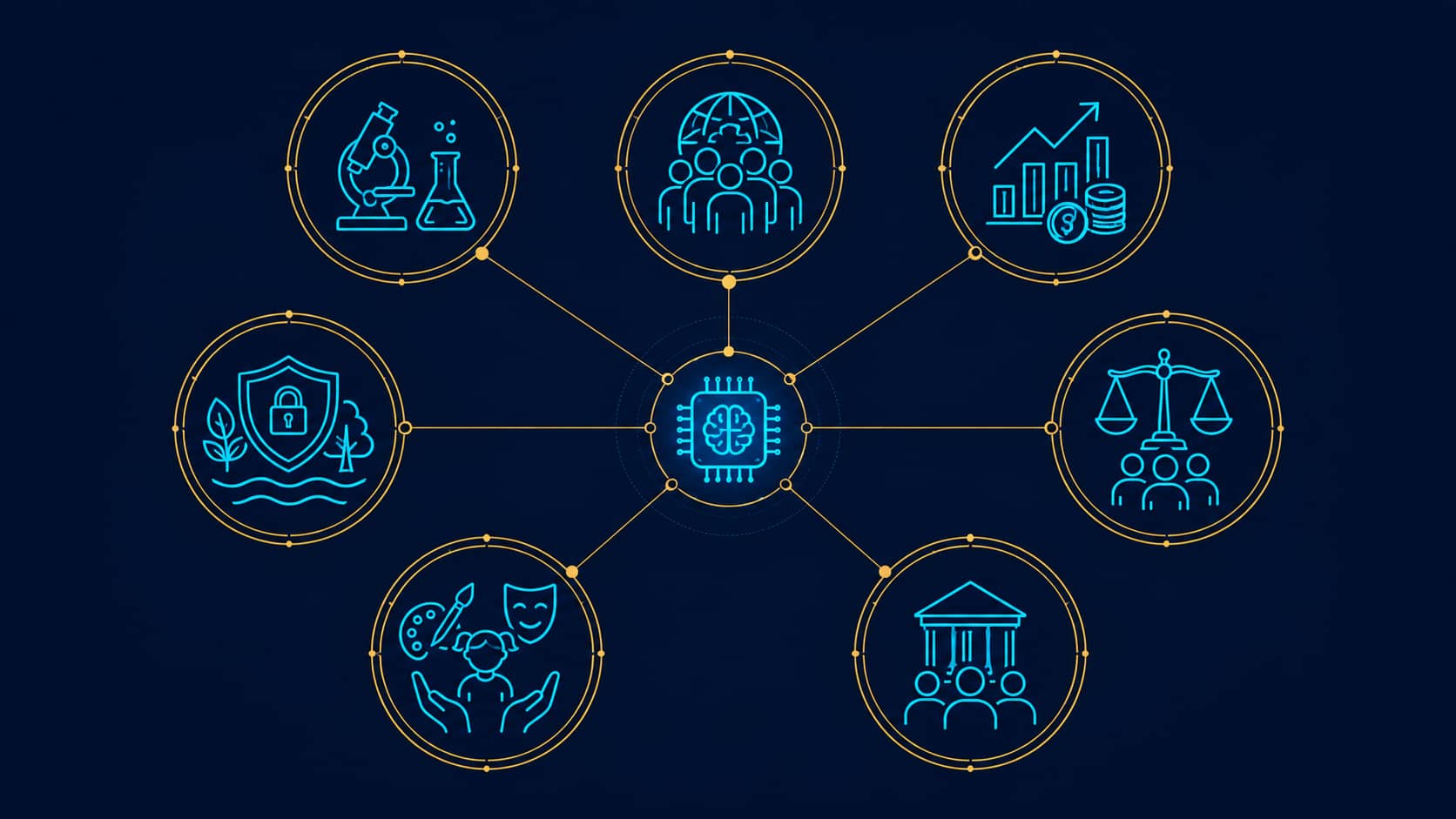
The panel's assessment spans seven areas. UN Secretary-General António Guterres summed up the urgency at the report launch: science is now on the table, no one can say they did not know, and the message to governments is simple, they should not wait. The table below summarizes the themes the report covers.
Area | Scope |
|---|---|
Science and development | The progress and direction of AI |
Societal applications | Health, education, agriculture and science |
Economic impacts | Workforce and productivity transformation |
Security and environment | System security and energy costs |
Rights and democracy | Information integrity and human rights |
Culture and child safety | Autonomy and protection of children |
Governance and reliability | Oversight and accountability |
According to the report, AI is making progress in many fields, from early cancer diagnosis to vaccine development. However, adoption is uneven across countries and sectors, and the gains are not evenly distributed. According to the session as reported by Digital Watch, panel members presented each theme separately. Ressa called the report a floor rather than a ceiling for concern, and it was noted that only a small share of the world's more than 7,000 languages is supported by AI.
How Will AI Be Overseen Globally?
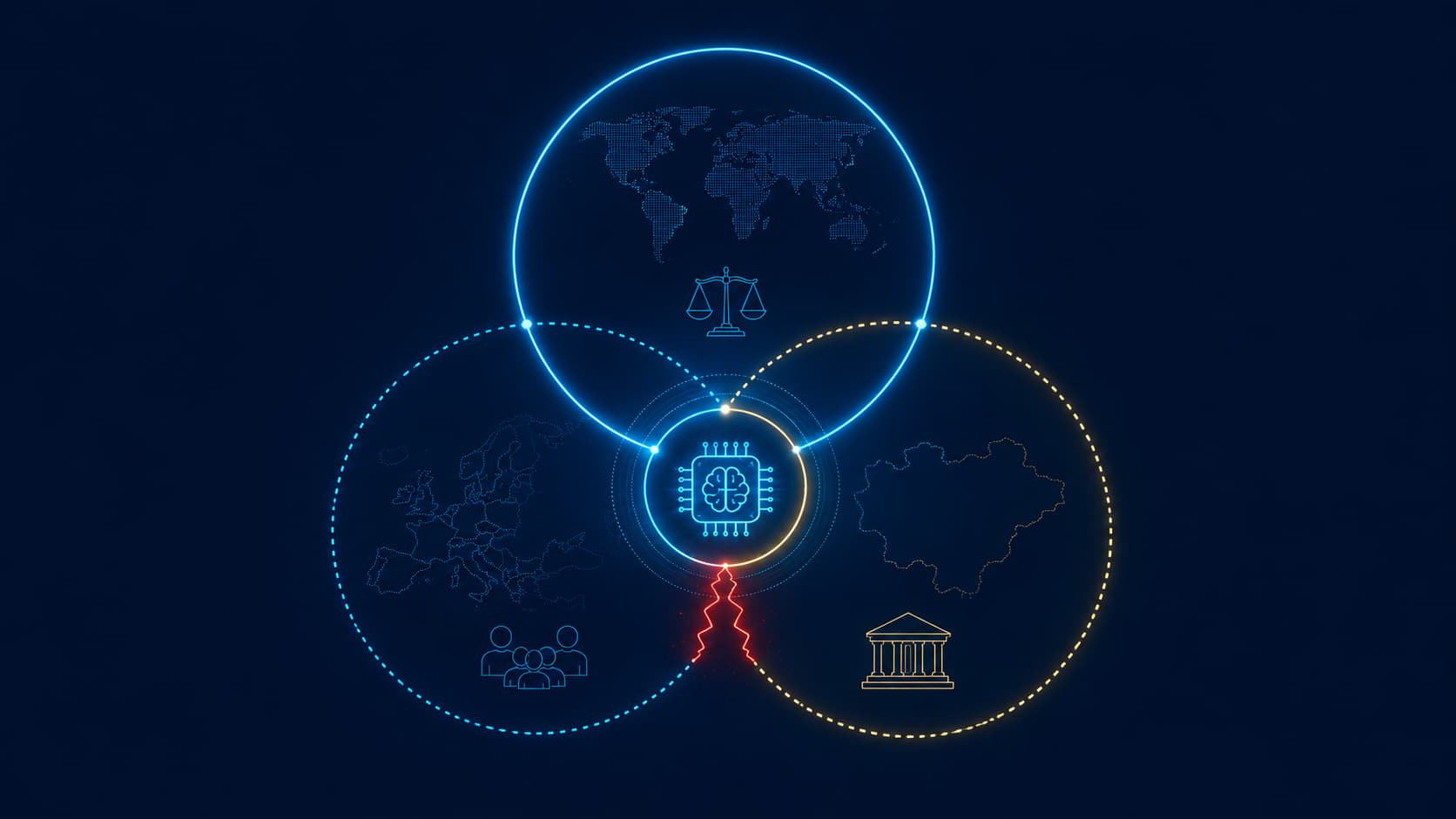
There is a basic limit here. The dialogue is a forum, not a lawmaker. It can set norms and bring countries together, but it does not bind anyone. Its influence rests on persuasion and coordination rather than enforcement power. Existing regulations, meanwhile, are fragmented. According to the United Nations, dozens of separate tools that try to embed ethics and human rights into AI are already in use. However, these are fragmented, concentrated in a few companies, and their real effects are rarely measured.
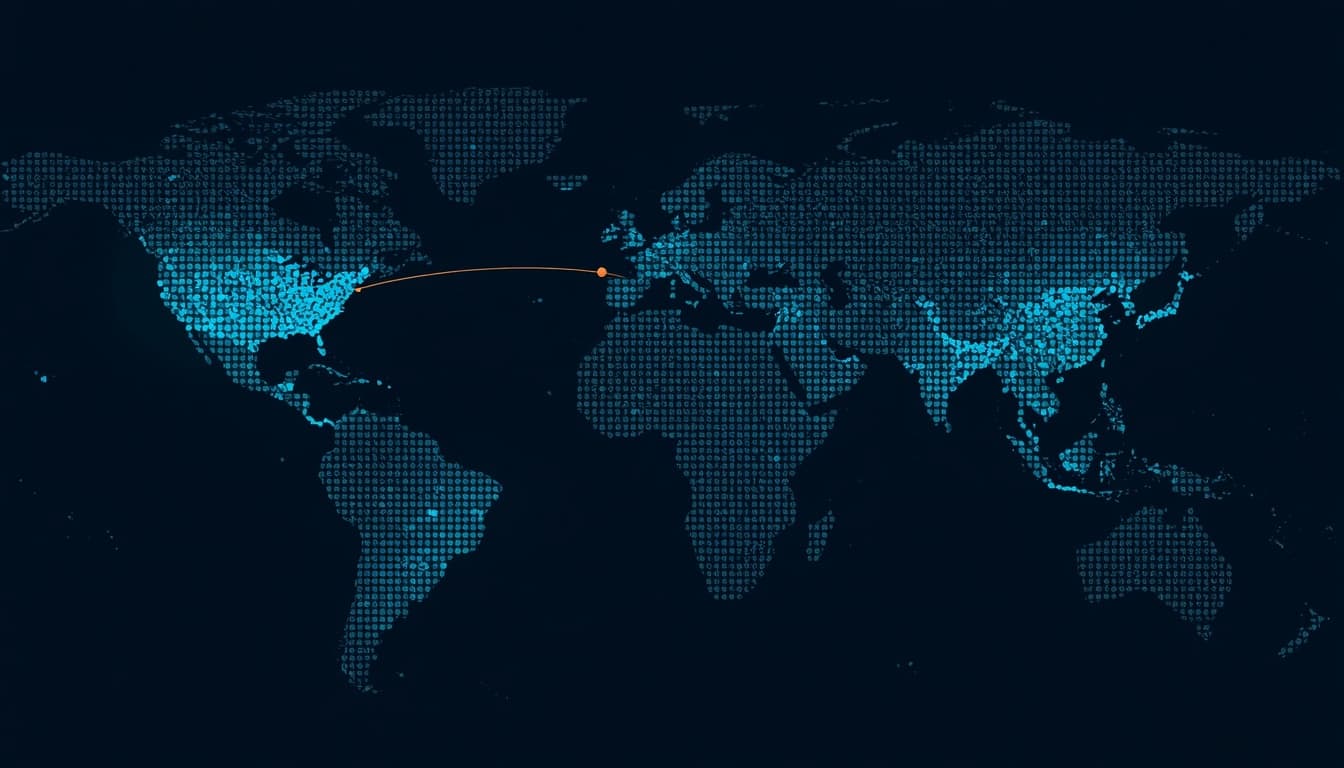
The data also shows that power is not evenly distributed. About three quarters of the processing power in the world's 500 largest AI supercomputers is located in the United States, and 15 percent in China. Nearly all leading general-purpose models are also developed by companies in these two countries. This concentration makes it necessary to move the debate on AI security and oversight onto a multilateral footing. In addition, the European Union's AI Act coming into full force on 2 August 2026 highlights the question of how global rules will align with regional regulations.
What Does the Dialogue Mean for Türkiye and the Global South?
One of the issues the dialogue emphasizes most is the AI divide. Some countries have strong infrastructure, skills, and research capacity, while others still struggle with connectivity and public infrastructure. According to a UNESCO statement, the dialogue was shaped by more than 1,500 written submissions collected since January 2026. The process gave developing countries a seat at the table with full authority, not as observers. The 2.2 billion people who have not yet joined the digital world are also at the center of the discussion. In the Global South, adoption lags well behind the North. The panel's warning is clear: AI gains are going to places that already have institutions, skills, and data, and otherwise the same technology could displace workers and widen inequality.
Looking at Türkiye, the emphasis on capacity building and equal representation matters directly for countries that are developing their own AI ecosystems. Turkish AI companies developing their own models, from defense to mobility, will be affected by the access and standards rules this global framework sets. The full-authority seat the dialogue gives developing countries offers a window of opportunity for nations aiming to become technology producers.
The Gap Between Supporters and Critics
Supporters
Those who defend the dialogue see the first universal forum covering all member states as an achievement in itself. For them, the shared ground offered by the independent scientific panel allows governments to conduct the debate on the same evidence. Guterres's call to "not wait" and Ressa's emphasis that no country can handle this technology alone, and that the solution must be multilateral, are the strongest pillars of this side.
Critics
Those on the other side point out that the dialogue has no enforcement power. In a world where leading developers are concentrated in two countries, it is unclear whether setting norms will turn into real decision-making power. The fact that existing governance tools are already fragmented raises the question of how much a forum can unify them. For these groups, the real test is whether the words spoken in Geneva can be turned into binding steps.
Frequently Asked Questions
What is the Global Dialogue on AI Governance? It is the first universal United Nations platform created to discuss how artificial intelligence should be governed at the international level. Its first session took place in Geneva on 6-7 July 2026. It is co-chaired by El Salvador and Estonia.
Does the dialogue have binding power? No. As a forum, the dialogue sets norms and brings countries together, but it has no enforcement authority. Its influence comes from its ability to build common standards and provide coordination.
What did the UN scientific panel warn about? The panel, made up of 40 experts from each region, stated that science cannot guarantee that advanced AI will not cause catastrophic harm. Violations of instructions by agent systems, lack of oversight, and risks of misuse are among the main warnings.
What does it mean for Türkiye and developing countries? The dialogue emphasizes the AI divide and capacity building, and offers developing countries a seat at the table with full authority. Countries building their own ecosystems will be affected by the access and standards rules that are set.
What happens next? The second session will convene in New York in May 2027. Meanwhile, the European Union's AI Act comes into full force on 2 August 2026, and the panel's findings are on the record.
The two days in Geneva will be remembered as the moment a common language for AI governance was first established. Still, the gap between norms and enforcement remains where it was. The question Ressa left at the end of the dialogue still stands: the mechanism has been created, and the real issue is whether member states will act. The concrete steps taken in the coming months will show whether this first dialogue is a beginning or a list of good intentions.
AdminNATO Zirvesinde Teknoloji ve Yapay Zeka Gelişmeleri

Weave Robotics Ev Robotu Isaac 1’i Tanıttı