From Prompts to AI Agents: A New Era in AI Evolution
Automatically translated
 Admin
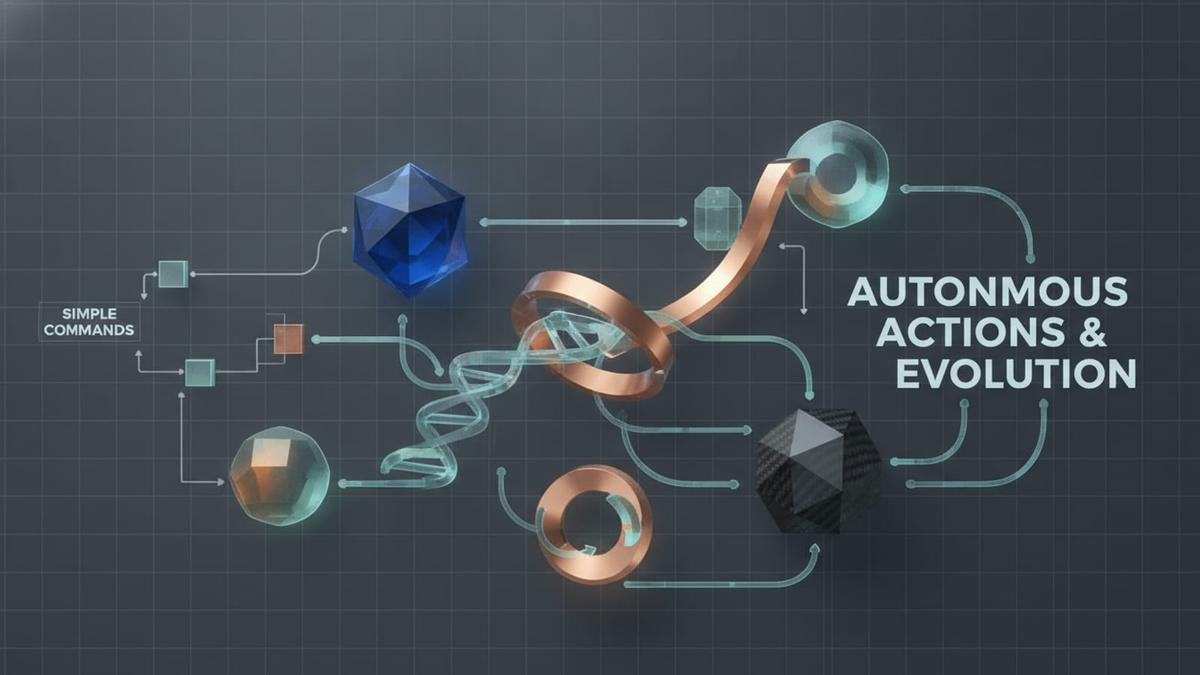
Interacting with AI used to mean writing specific commands (prompts). But today's rapidly changing technology world has already moved well past those limits. The NextGen AI Summit events, which have come up many times recently, focus on how AI is evolving from a tool that only processes commands into autonomous, intelligent systems. These summits highlight the industry's main focus shifting from prompt-based approaches toward AI agents.

NextGen AI Summits: New Horizons in Artificial Intelligence
NextGen AI Summit is a general title used for many different conferences and summits focused on the future of AI. The events held in upcoming years such as 2026 and 2027 in cities including India, Riyadh, Houston, Trento and Barcelona share a common theme: AI is changing from a tool that only takes commands into more autonomous and intelligent systems. In particular, conferences such as NGEN-AI 2026 focus on "agentic systems", models that can plan, reason and collaborate between humans and other agents.
These summits provide a platform to discuss innovative approaches that redefine AI's role in business processes, transform customer experiences and accelerate overall technological transformation. Participants explore the future potential and application areas of technologies such as Generative AI, Multimodal AI and large language models (LLMs).
What Are AI Agents and Why Do They Matter?

AI agents are autonomous software systems that sense their environment to achieve a specific goal, make decisions based on that perception, and turn those decisions into actions. Unlike traditional software, agents can adapt to changing conditions, learn, and develop strategy in real time. These abilities allow them to go beyond simple automation and potentially manage complex tasks without human intervention.
Their importance lies in turning AI from a passive tool into an active work partner. Rather than just processing commands, they can proactively detect problems, offer solutions, and even make and carry out decisions. This especially sets them apart in complex and dynamic work environments, where they can significantly increase efficiency and innovation.
How Do AI Agents Work?
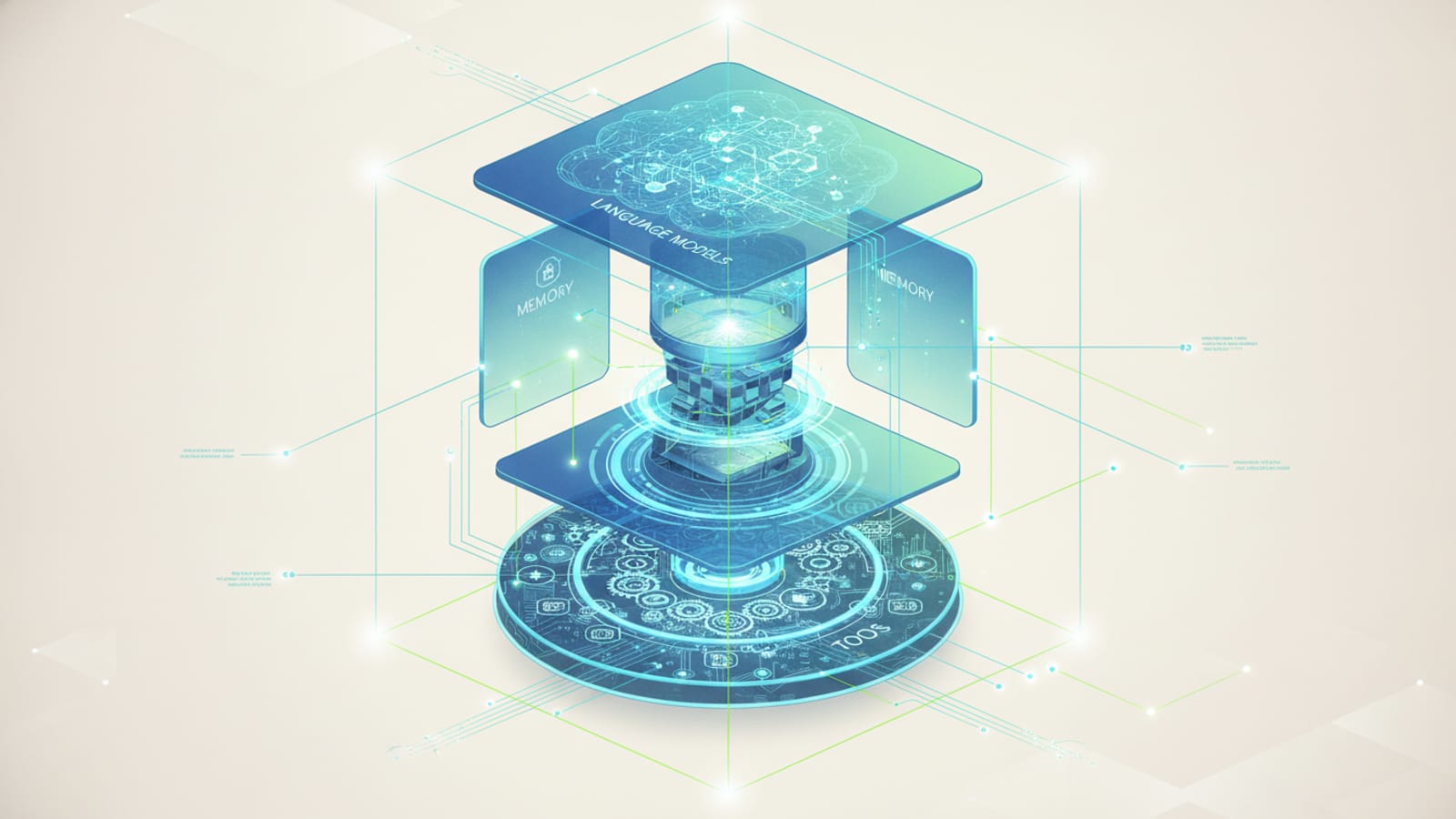
AI agents break a high-level goal set by the user into smaller, manageable tasks. After completing this planning step, they interact with various sources to collect the data they need. By integrating with various systems and APIs, they can manage processes end to end. Their operating principles rest on a multi-layered architecture that includes language models (LLMs), memory systems, tools and integrations, as well as defined rules and constraints.
For example, a customer service agent can analyze a customer complaint, access relevant information, determine the appropriate solution, and even contact different departments to resolve the issue. Throughout this process, the agent continuously observes its environment and updates its strategy based on feedback. This autonomous structure enables a continuous cycle of learning and adaptation without the need for human intervention.
Cross-Industry Applications and Potential Impact

The application areas of AI agents are broad and span many industries. In customer service, telecommunications, finance, e-commerce, manufacturing, marketing and software development, they go beyond automation to offer autonomous task management. For example, they can be used for fraud detection and risk management in finance, and for supply chain optimization and quality control in manufacturing.
By taking on routine and repetitive tasks, these agents allow human staff to focus on more strategic and creative work. They speed up data analysis and decision-making, helping companies become more agile and competitive. Their potential to personalize customer experiences and improve operational efficiency makes them an essential part of the future business world.
Other Trends Featured at NextGen AI Summits
NextGen AI summits cover many other emerging trends alongside AI agents. Generative AI technologies stand out for their ability to create text, images and other types of media. Large language models (LLMs) and Multimodal AI are expanding the scope of AI applications by broadening their capacity to understand and process language and different data types.
Deep learning, federated and privacy-preserving AI, data ethics, smart governance and cross-industry AI applications are also among the main focus points of these summits. These topics cover not only the technical aspects of AI but also its broader social, ethical and business impacts. The summits bring together a wide audience, including AI researchers, engineers, developers, product teams, startups, academics and C-level executives, to encourage knowledge sharing.
What the Community Thinks
Supporters
Supporters of AI agents believe this technology will revolutionize business processes. They emphasize that agents' autonomous decision-making and ability to manage complex tasks can help companies increase productivity, shift human resources to more strategic areas, and personalize customer experiences. Reducing error rates in repetitive tasks and providing uninterrupted 24/7 service are seen as major advantages.
Critics
Criticism of AI agents mostly centers on ethical concerns and control mechanisms. There is worry that fully autonomous agents could lead to unexpected outcomes and slip out of human control. The effects on the labor market, job losses and the potential for misuse are also key topics of debate. Data privacy and security issues are another main concern among critics.
Frequently Asked Questions
Are AI Agents Different From Chatbots?
Yes, AI agents differ significantly from chatbots. Chatbots typically deliver information based on predefined rules or simple dialogue flows, while agents can set a goal, plan, gather information, and use various tools to take autonomous decisions and actions toward that goal. They are proactive and capable of learning.
Which Industries Can Benefit From AI Agents?
Many industries can benefit from AI agents. Customer service, finance (fraud detection), e-commerce (personalized shopping experiences), manufacturing (supply chain optimization), marketing (targeted campaigns) and healthcare (diagnostic support) are the main areas exploring this technology's potential.
How Will the Future of AI Agents Take Shape?
The future of AI agents will move toward performing more complex tasks autonomously, interacting with people more naturally, and bridging different systems. Safety, ethics and transparency will play a central role in future development, so that more reliable and socially beneficial applications emerge.
Is the Role of Prompt Engineering Changing?
With the rise of AI agents, the role of prompt engineering is evolving. Instead of just writing effective commands, designing agents' goals, tools and constraints is becoming more critical. This is turning prompt engineering into more of a discipline of system design and strategy development.
The AI world is rapidly moving from days of interacting through simple commands toward intelligent systems that can make autonomous decisions and carry out complex tasks. Events like the NextGen AI Summit examine every stage of this transformation and shed light on the future of the industry. As AI agents become widespread, we will continue to see long-term and transformative effects on business processes and daily life.
AdminYeni Siri AI İçin Apple’dan Dikkat Çeken İtiraf!


Yapay Zeka Tarayıcıları Bir Oyunla Kimlik Bilgisi Sızdırdı