
Enterprise AI Enters a New Phase: Concrete Results Are Now Required
Automatically translated
 Writer
Companies are entering a new phase of AI investment. However, recent developments in the enterprise world show that they are beginning to measure the concrete results these investments deliver. Enterprise AI, which has advanced on a project-by-project basis, is giving way in 2026 to a far more disciplined model that demands efficiency and cost control. As the enterprise AI economy enters a new phase of maturity, companies are prioritizing criteria such as efficiency, cost optimization and return on investment (ROI) for their AI spending.
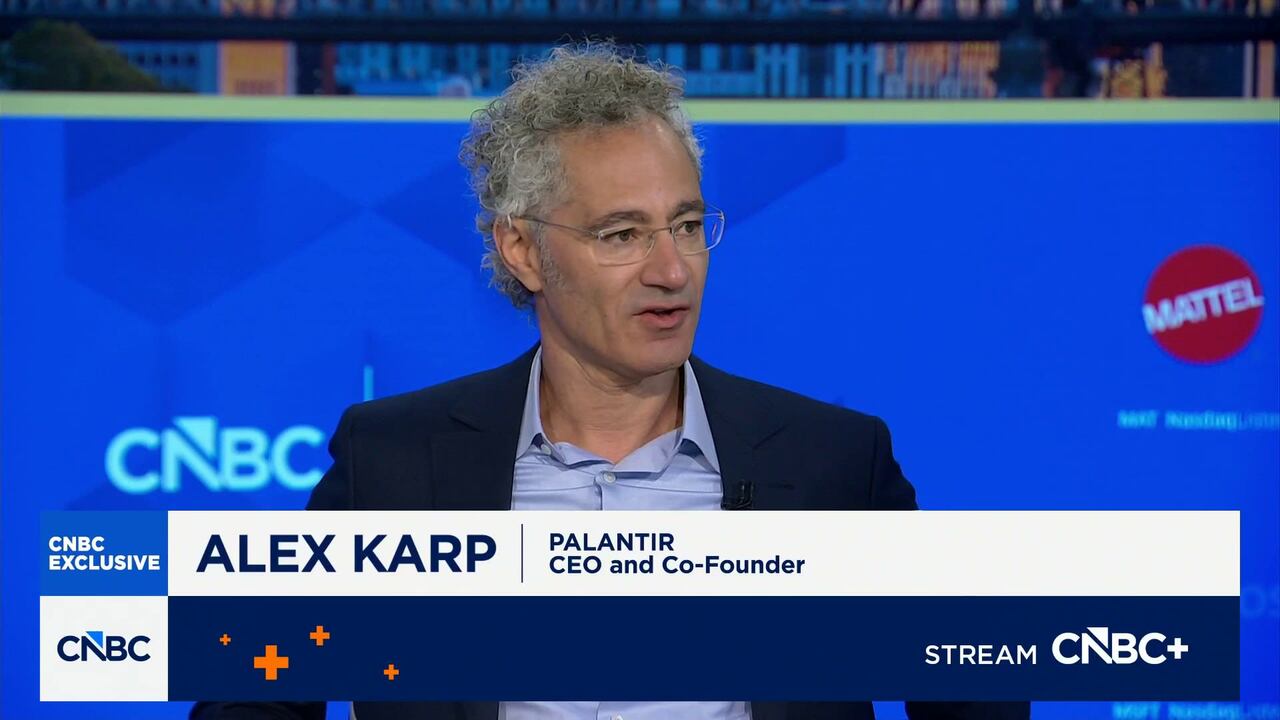
At a time when companies are seeking concrete results from their AI investments, Palantir Technologies CEO Alex Karp has leveled the sharpest criticism at the center of the debate. Karp argues that companies are not getting value for what they pay AI model providers and are also losing their valuable data in the process.
Why Is the Enterprise AI Economy Changing?
With the spread of generative AI technologies, companies have begun to use AI-based solutions across many areas, from software development to customer service, marketing and financial management. However, some organizations have implemented AI independently of their long-term business goals. As a result, they have failed to achieve the expected efficiency or have seen their costs rise.
In this context, an important statement came from Alex Karp. On July 1, 2026, when Karp appeared on CNBC's Squawk Box program, he said there was something "completely wrong" with the AI industry's sales strategy. Karp said that many of the CEOs he had met were twice as angry as he was about the current direction of AI. According to Karp, the current approach of many companies amounts to handing over their intellectual property without getting any value in return, while failing to use their time well. Karp stressed that companies in sectors such as defense, manufacturing and healthcare should not limit themselves to large language models, and that they need an application layer that integrates these models into their business processes.
Does Palantir's Financial Performance Support These Claims?
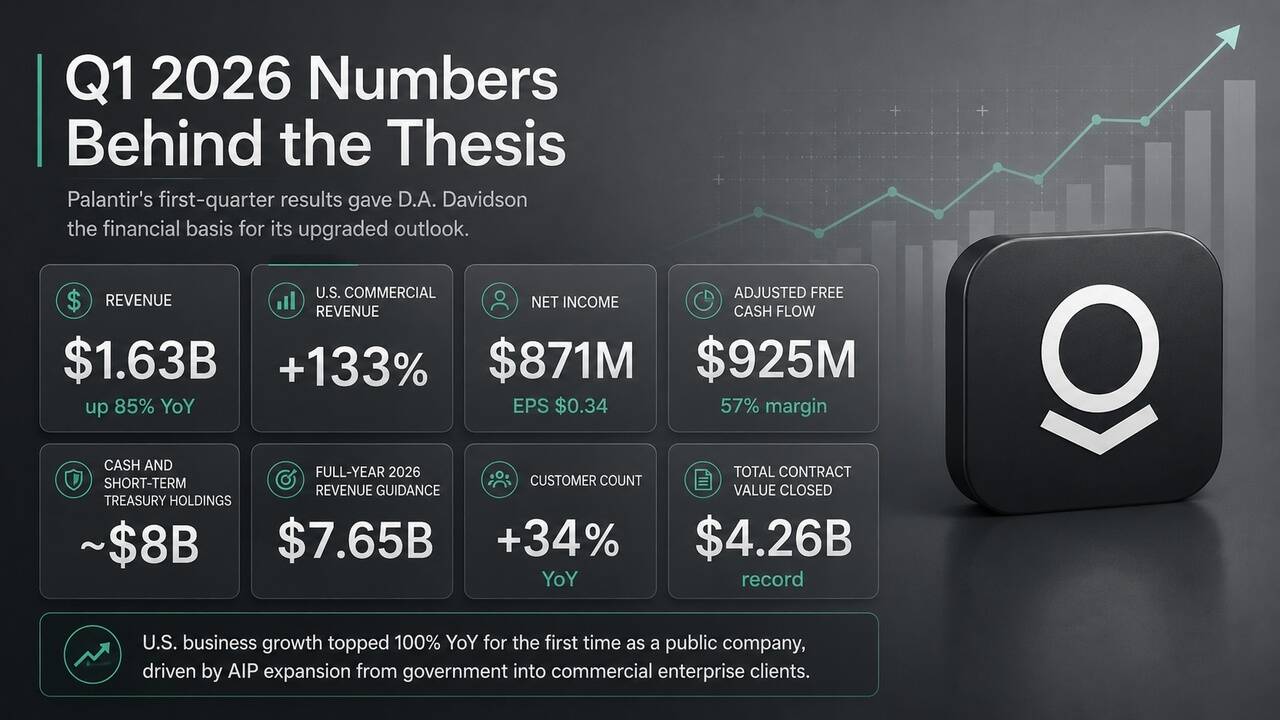
Strong financial data also supports Alex Karp's remarks. According to the first-quarter 2026 results announced on May 4, 2026, Palantir's revenue rose 84.7 percent year over year to 1.632 billion dollars. U.S. commercial revenue grew 133 percent to 595 million dollars, while GAAP operating income reached 754 million dollars at a 46 percent margin. The company raised its full-year 2026 revenue guidance to the range of 7.65-7.66 billion dollars.
The Manifesto and Its Timing Drew Attention
Just before Alex Karp's CNBC appearance, on June 30, 2026, a nine-point manifesto was shared from Palantir's official account nine-point manifesto. The post, titled AI sovereignty, has drawn considerable attention. The manifesto included an explanation of why companies that sell tokens prefer not to adopt performance-based pricing. Two days before this post, the company had announced an open-weight business agreement with Nvidia. Considering all these developments, Karp's statements can be interpreted as part of a planned strategy rather than a coincidence.
Which Criteria Stand Out in AI Investments?
When evaluating enterprise AI projects, executives now focus on more concrete performance data.
Among the key priorities are:
Reducing operating costs
Increasing employee productivity
Automating business processes
Raising customer satisfaction
Contributing to revenue growth
Return on investment (ROI) period
Cybersecurity and data protection
Regulatory compliance
With these approaches, AI projects are turning from technology department initiatives into strategic moves that finance, legal and senior management evaluate together.

Proposed Solution: Ontology and the Application Layer
Karp positions Palantir's Ontology platform as a critical control system between models and the business. He argues that this system prevents sensitive data, commands and business logic from leaking outside the company. He states that the application layer, combined with Nvidia, gives companies the ability to own AI production tools and makes data control indispensable, especially in critical infrastructure sectors.
From Experiment to Production: ROI Is the New Stage
Datatonic's valuation report emphasized that enterprise AI has moved past the experimentation stage for 2026 and beyond. The company said the biggest mistake managers make is confusing small efficiency gains with real strategic impact. As a result, AI initiatives that cannot produce scalable business impact are now being reviewed. The process is now moving toward defining the AI economy along the axis of return on investment.
Companies now view AI investments and efforts to transform their businesses with AI not merely as technology trends but as strategic investments that strengthen competitiveness. AI applications that produce direct results, such as fraud detection, customer service and supply chain automation, continue to attract investment despite scrutiny from finance departments. On the other hand, applications that cannot establish a clear link to profit and loss and offer scattered improvement data face the risk of being postponed.
Priority | Contribution to Companies |
|---|---|
Operational Efficiency | Saves time by automating repetitive tasks. |
Cost Optimization | Helps reduce operating expenses by improving business processes. |
Return on Investment (ROI) | Makes it possible to measure the financial contribution of AI projects. |
Decision Support Systems | Supports faster and more accurate decisions through big data analysis. |
Customer Experience | Increases satisfaction with personalized services and quick responses. |
Data Security and Compliance | Helps ensure that AI use is managed in line with legal regulations. |
Employee Productivity | Reduces routine work so teams can focus on strategic tasks. |
Competitive Advantage | Strengthens companies' market position with innovative solutions. |
Frequently Asked Questions
What is Alex Karp's core criticism?
Karp argues that companies pay for token-based access to leading AI labs but get no measurable value in return, and in the process hand over the proprietary data that gives them their competitive advantage.
What solution does Karp propose?
Karp offers Palantir's Ontology platform and the application layer combined with NVIDIA infrastructure as an alternative that lets companies keep their data, models and computing power under their control.
Did these statements affect Palantir's shares?
Yes, after Karp's remarks Palantir's shares rose by 8-9 percent, which was seen in the market as a sign that the message resonated.
Are there objections to Karp's criticism?
Some observers point out that Palantir has a direct commercial interest in promoting company-owned AI infrastructure, and that the statements can also be read as competitive positioning.
WriterOpenAI'nin AI Ajan Kumandası Nasıl Çalışıyor?


Riot Client'ta LoL Yapay Zeka Botu Dolandırıcılığı