How OpenAI's AI Agent Controller Works
Automatically translated
 Writer
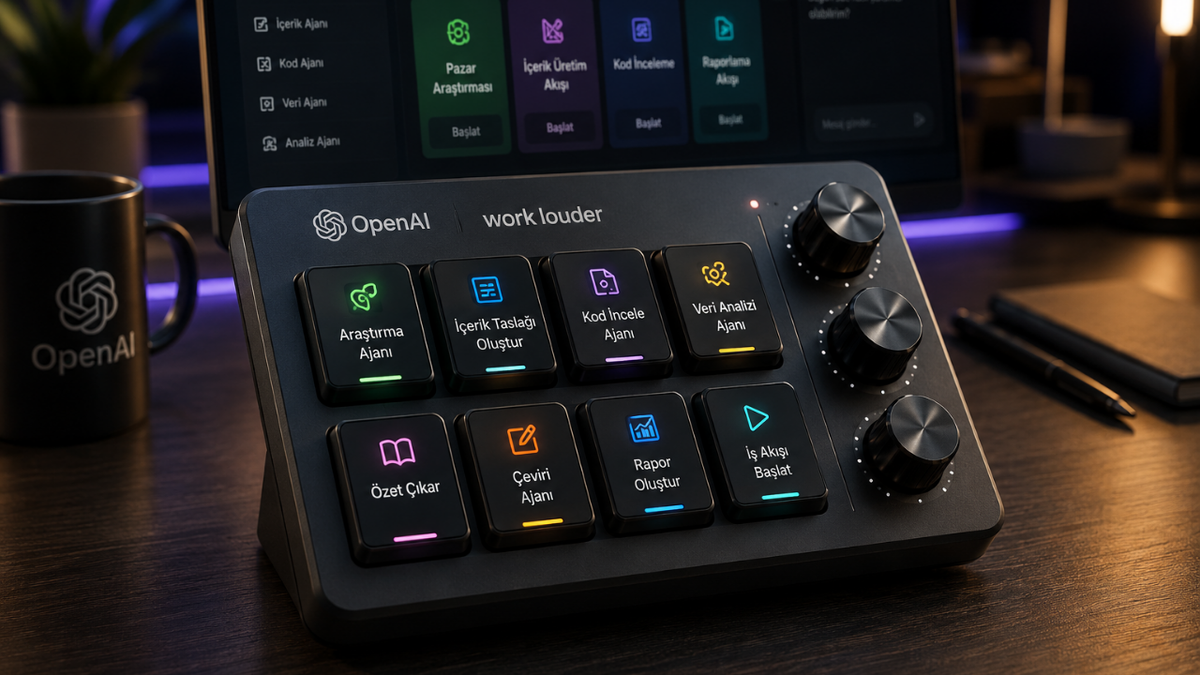
OpenAI and Work Louder have developed a new desktop device for controlling AI agents physically. Introduced with a price tag of about $230, the AI agent controller is designed to let users start specific AI tasks with physical buttons. The product is still at the concept stage, and it stands out for focusing on user experience rather than AI models.
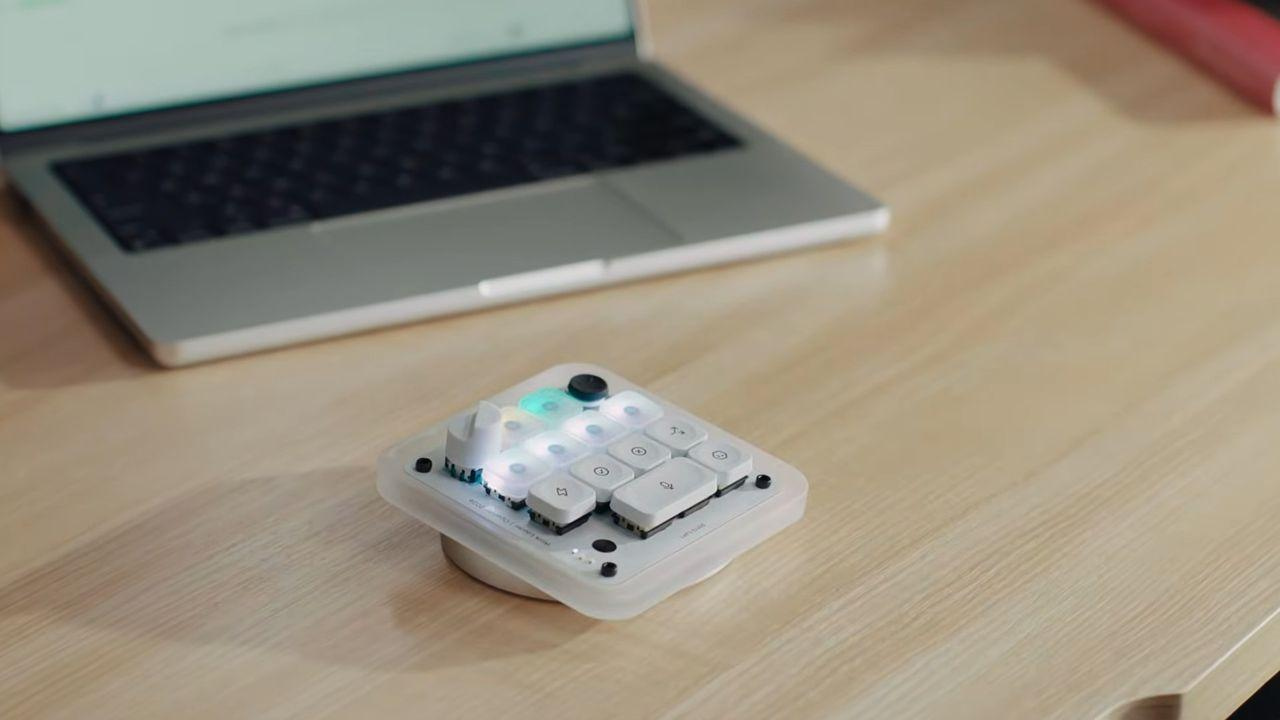
The technical specifications, supported platforms, and release date of the product have not been announced yet. Even so, the first introduction shows that OpenAI, having gone beyond being purely a software company, is also working on new ideas in hardware.
Why Did OpenAI Develop an AI Agent Controller?
In recent years, OpenAI has not focused only on building more powerful AI models. The company is also trying to redesign how users interact with those models. After features such as desktop apps, advanced voice mode, and AI agents, a physical control device has now come into the picture.
The AI agent controller developed in collaboration with Work Louder, stands out as one of the first examples of this approach. Introduced with a price tag of about $230, the device aims to reduce dependence on the keyboard and mouse by moving repetitive AI tasks to physical buttons.
According to information shared by the companies, the product does not work like a classic macro keyboard. Instead, it is designed specifically to call certain AI agents, start predefined tasks, or switch between different workflows.
How People Use AI Is Changing
When generative AI tools first became widespread, users mostly asked questions, generated text, or prepared short pieces of code. Today, the same systems are used for much broader tasks.
A software developer can have code reviewed, content editors can prepare news research, marketing teams can create campaign drafts, and data analysts can interpret large datasets.
This shift means users often type the same commands many times a day. The AI agent controller that OpenAI and Work Louder introduced as Codex Micro comes in at exactly this point. The idea of physical control aims to make interaction with AI more practical by speeding up repetitive work.
Why Are Physical Controls Back in the Spotlight?
Physical control surfaces are not a new concept for professional users. Video editing consoles, audio mixing panels, broadcast equipment, and programmable macro keyboards have been used on the same principle for many years. Users save time by assigning frequently repeated actions to a single key.
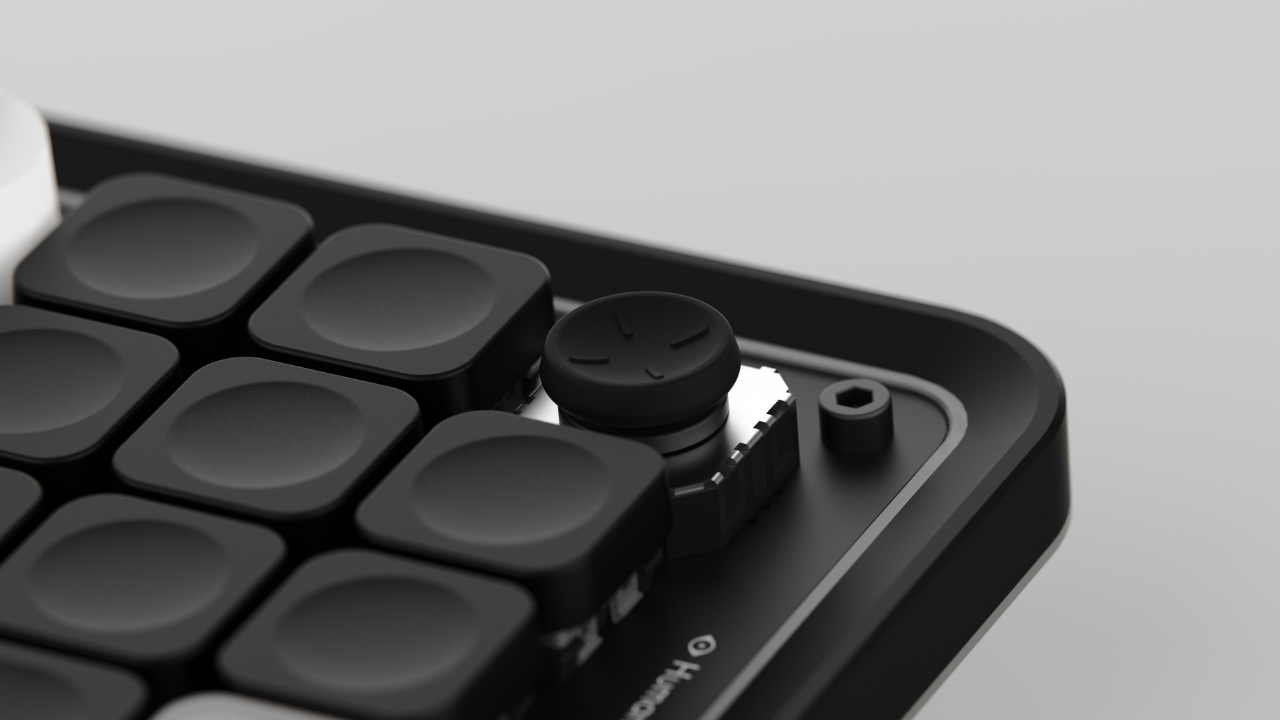
The AI agent controller brings this approach into the world of generative AI. Concept images shared by the companies show a compact desktop device with programmable keys and rotary knobs. Although how the user experience will work exactly has not been explained, the device's basic purpose can be summarized as speeding up access to AI agents.
What Is an AI Agent?
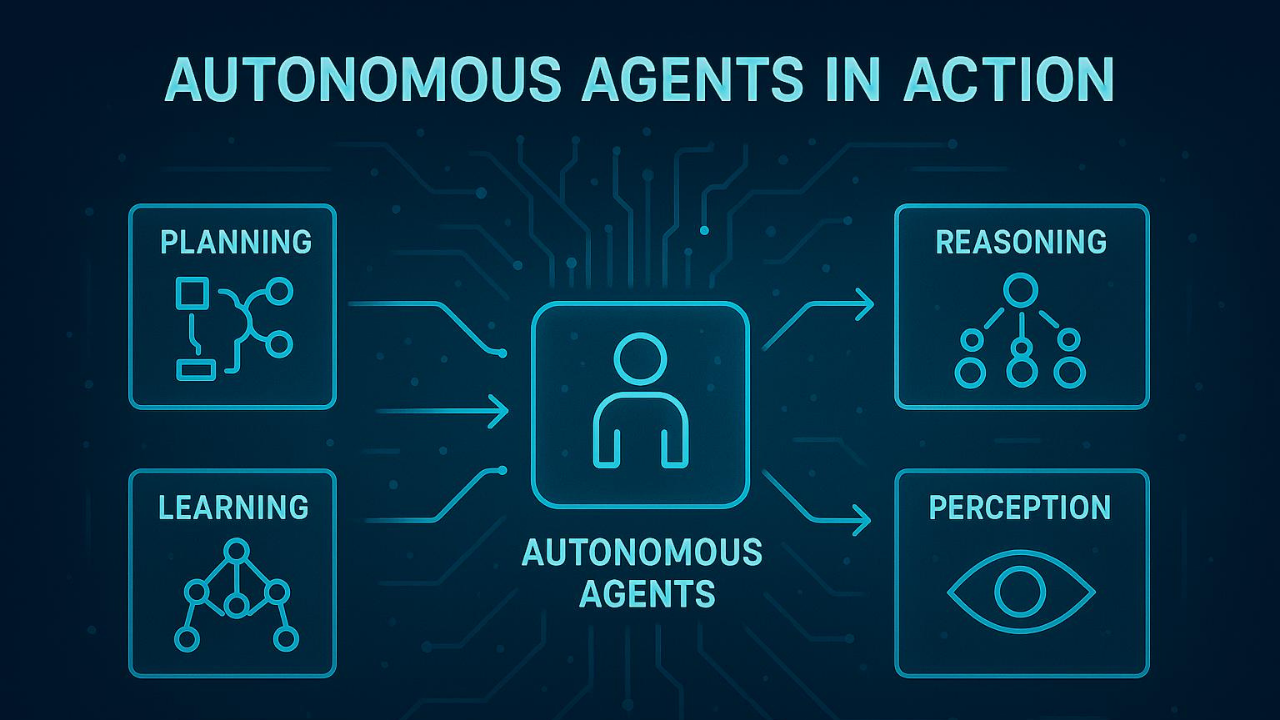
At the center of the device developed by OpenAI are AI agents.
How Is It Different from ChatGPT?
Chat-based systems such as ChatGPT produce responses to prompts written by the user. AI agents, on the other hand, are described as systems that can plan multi-step tasks and carry them out on the user's behalf when they have access to the right tools.
For example, an AI agent may do more than just provide information on a particular topic. It can also conduct research, compare different sources, organize the information it gathers, and turn it into a single report. The AI agent controller from OpenAI is being prepared for this new usage model.
Why Does the AI Agent Controller Focus on AI Agents?
In the technology world, the expectation is no longer just to build models that produce better answers. Users want to complete repetitive tasks with as little intervention as possible. With the spread of AI agents, the idea of starting these tasks through physical buttons has also started to gain importance.
The device developed by OpenAI and Work Louder is considered one of the first examples addressing this need. Not all technical details of the product, which is still at the concept stage, have been shared. Still, the approach it introduces offers important clues about the future of AI hardware.
How Does the AI Agent Controller Work?
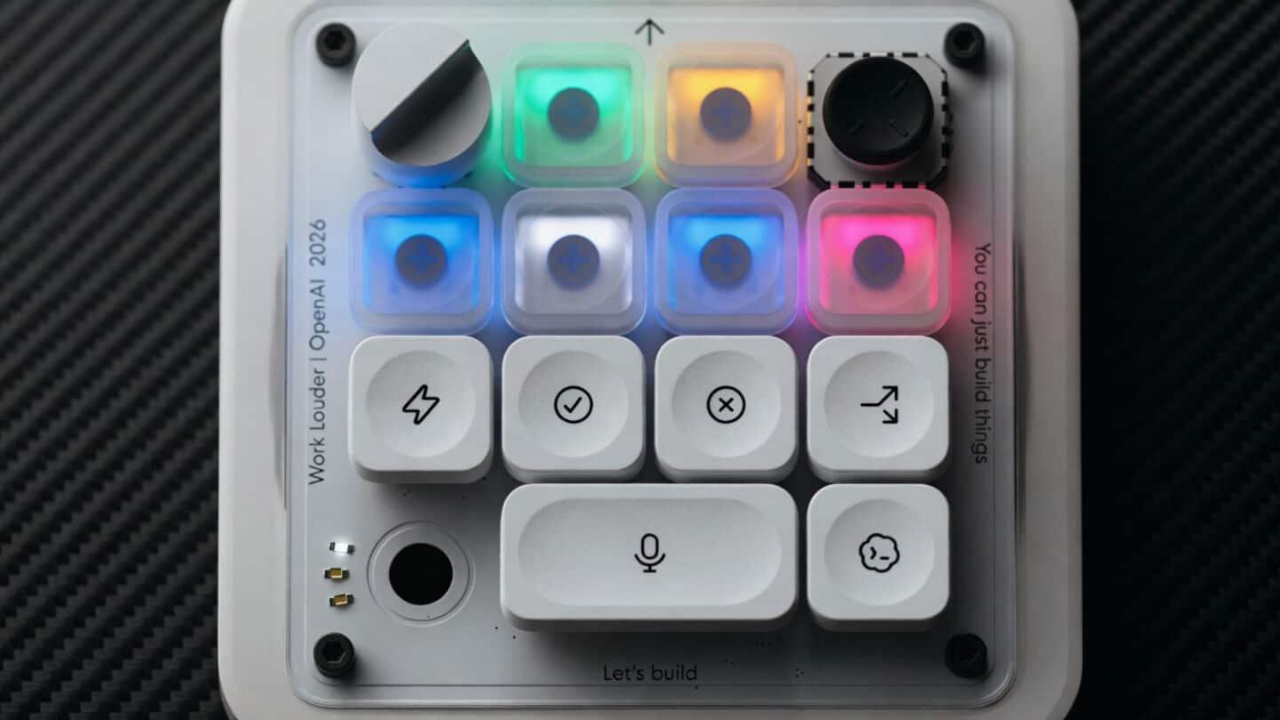
OpenAI and Work Louder have not yet disclosed all the technical details of the device. Therefore, information about how the AI agent controller works is limited to the promotional materials and product images shared by the companies. Even so, the concept that has emerged shows that the device will offer a different user experience from an ordinary macro keyboard.
Classic macro devices are used to run specific keyboard shortcuts with a single key. The AI agent controller brings this approach to the AI side. By assigning the AI tasks users frequently perform to physical buttons, it aims to reduce the need to keep typing prompts.
For example, a research process, a content drafting task, or a workflow that runs a specific AI agent could be started through a single physical control. Which tasks will be supported in the final version will depend on the software integrations OpenAI provides.
What Do the Physical Controls Offer?
Looking at the promotional images, the device appears to be built around programmable mechanical keys and rotary knobs. These physical controls are expected to give quick access to the AI tasks users use most. They are also considered useful for switching between different AI agents or starting predefined workflows.
However, there is an important detail here. OpenAI and Work Louder have not yet officially announced all of the device's software capabilities. Therefore, there is no definite information about which AI services will be supported or the scope of customization options.
How Is It Different from Classic Macro Keyboards?
Although they may look similar at first glance, the AI agent controller aims at something different from existing macro keyboards. Macro keyboards usually run specific key combinations or application shortcuts. The AI agent controller, on the other hand, puts AI-focused tasks at the center.
This way, the aim is for users not just to open a program, but to activate a specific AI agent, run predefined tasks, or switch between different workflows. This approach offers important clues about how physical hardware may evolve in a period when daily use of AI tools is growing.
What Role Does Work Louder Play in This Project?
One of the reasons the AI agent controller is attracting attention is Work Louder's role in the project. The company has been developing customizable desktop hardware for developers, designers, and content creators for a long time. Known for programmable mechanical keyboards and macro control devices, Work Louder is recognized for products focused on speeding up repetitive tasks.
The collaboration with OpenAI also carries this company's experience into the AI field. In other words, OpenAI provides its expertise in AI software, while Work Louder develops the hardware experience that allows this software to be physically controlled.
Why Is Work Louder's Experience Important?
Programmable control devices are not new for professional users. Video editing software, three-dimensional modeling tools, and graphic design applications have long benefited from physical control panels.
Work Louder's experience in this field may allow the AI agent controller to go beyond being just an eye-catching design product. Especially for professionals who use AI tools intensively throughout the day, physical controls can make the workflow smoother.
Who Is the AI Agent Controller Designed For?
The concept introduced targets professional users rather than a broad consumer audience.
Software Developers
Developers who frequently perform tasks such as code generation, error analysis, or documentation can save time by assigning specific AI tasks to physical buttons.
Content Creators
Editors, copywriters, and digital marketing teams can start tasks such as research, drafting, or summarizing more quickly.
Designers
Physical controls may offer a new way of using AI tools that support idea generation, preparing visual descriptions, or creative workflows.
Enterprise Users
As AI agents become more widespread within companies, it may also become possible to manage certain business processes through physical controls. However, there is no official statement yet on the extent to which these scenarios will be supported.
What Does the $230 Price Mean?
The price tag announced at about $230 shows that the AI agent controller is positioned directly for the professional user segment. Today, the market offers macro keyboards and productivity-focused control panels at different price levels. What sets this device, developed with OpenAI, apart is that it places AI agents directly at its center.
The Codex Micro, now on sale, sold out quickly, but no information has been given about future production volumes or in which markets it will be sold. Therefore, it is too early to evaluate the device's commercial success. Still, the first introduction points to the likelihood that AI-focused hardware will become more visible in the coming years.

What Does OpenAI's Hardware Strategy Mean?
When viewed on its own as a new desktop accessory, the AI agent controller may seem to appeal to a limited group of users. However, the real importance of the product lies in the message it sends about OpenAI's future approach to hardware.
While the company focuses on making its AI models more powerful in recent years, it is also working on solutions that improve the user experience. Advanced voice mode, desktop apps, and AI agents are among the software examples of this approach.
The AI agent controller developed with Work Louder stands out as one of the first attempts to carry this strategy into physical hardware. Although the product's commercial success is not yet known, it shows that OpenAI aims to go beyond being a company that only develops models and to reshape how users interact with AI.
Could AI Hardware Create a New Category?
As generative AI tools move to the center of daily work life, interest in hardware that makes these systems more efficient is expected to grow.
Today, professional users rely on video editing panels, broadcast control surfaces, and programmable macro keyboards. As AI agents spread, AI-focused versions of similar products are likely to multiply.
Even so, it is too early to say whether the AI agent controller will actually create a new product category. The product's success will depend on software integrations, ease of use, and how widely developers adopt it.

What Has Been Confirmed About the AI Agent Controller?
It is confirmed that OpenAI and Work Louder are working on a joint hardware project, that the device is based on the idea of managing AI agents through physical controls, and that the price tag of about $230 has been announced. The company has also adopted a desktop design that includes programmable keys and physical control elements. However, no official statement has yet been made on the following topics:
Technical Specifications
The device's processor, connectivity options, supported operating systems, and detailed hardware components have not been disclosed.
Software Integrations
Which AI agents will be supported, how it will work with third-party applications, and the scope of customization options have not yet been shared.
Sales Schedule
There is also no official date for when the product will go on sale or in which countries it will be available. Therefore, when evaluating the product, it is important to separate verified information from expectations.
The AI agent controller developed by OpenAI and Work Louder should not be seen as a product that will change computer usage habits overnight. However, the concept introduced shows that AI tools can create new usage scenarios not only in software but also in hardware.
The product's real success will depend less on its design than on the integration it creates with AI agents, the user experience it provides, and its contribution to professional workflows. As technical details and the sales plan become clearer, it will be easier to see what position the AI agent controller will take among productivity-focused hardware.
Frequently Asked Questions
What is an AI agent controller?
An AI agent controller is a desktop control device designed to manage AI agents through physical buttons and programmable controls.
Is OpenAI developing this device on its own?
No. The project is being carried out in collaboration with Work Louder, which develops productivity-focused hardware.
What is the difference between an AI agent and ChatGPT?
ChatGPT is a chat system that produces responses to prompts from the user. AI agents, on the other hand, are described as systems that can plan multi-step tasks and manage specific processes on the user's behalf.
How much does the AI agent controller cost?
According to the information shared at the time of introduction, the device has been announced at a price of about $230.
WriterCISA KEV Kataloğu Güncellendi: Tomcat ve Langflow Zafiyeti


Kurumsal Yapay Zekada Yeni Dönem: Artık Somut Sonuç Şart