Why Isn’t Jony Ive Named in Apple’s Lawsuit Against OpenAI?
Automatically translated
 Writer
As the trade secret battle between Apple and OpenAI grows, attention has turned to Jony Ive, one of the key figures behind OpenAI’s new hardware work. The former Apple chief design officer is developing next-generation AI devices with OpenAI. Even so, Jony Ive is not personally named as a defendant in the lawsuit Apple filed.
Meanwhile, io Products, the company Ive founded, is a party to the case. Apple’s lawsuit centers on OpenAI, io Products and former Apple employees Tang Tan and Chang Liu . The fact that Jony Ive himself is not individually named raises the question “why?”
This distinction matters because Jony Ive working with OpenAI does not by itself mean that Apple’s trade secrets were misused. At the heart of the case is whether former Apple employees took specific confidential information and whether that information was used in OpenAI’s hardware work.
Details of Apple’s Lawsuit
In July 2026, Apple filed suit against OpenAI in the U.S. District Court for the Northern District of California, alleging misappropriation of trade secrets and breach of contract.
The company’s allegations focus in particular on former Apple employees Tang Tan and Chang Liu. Apple argues that some former employees gained access to confidential information about unannounced products, engineering processes, components, manufacturing methods and supplier relationships, and that this information may have been carried over into OpenAI’s hardware work.
According to Apple, some candidates were asked during OpenAI’s hiring process to share information about Apple products and components. The company also claims that some employees were helped to get around Apple’s security procedures. OpenAI rejects the allegations. The company says Apple cannot prove that trade secrets were obtained unlawfully and argues that the lawsuit is an attempt to stop employees from moving to a rival company.
Why Is Tang Tan at the Center of the Case?
Tang Tan is one of the most important names in the dispute between Apple and OpenAI. Tan worked at Apple for about 24 years, most recently as vice president overseeing the design of the iPhone and Apple Watch. He later took part in founding io Products with Jony Ive and went on to lead OpenAI’s hardware team.
Apple claims that during OpenAI’s hiring efforts, Tan used Apple’s confidential project names, asked candidates to bring Apple devices to interviews, and tried to gather information about products the company has not yet announced.
So Apple’s claims about Tan are based directly on specific actions. In Jony Ive’s case, by contrast, no specific act of acquiring or using a trade secret has been proven.
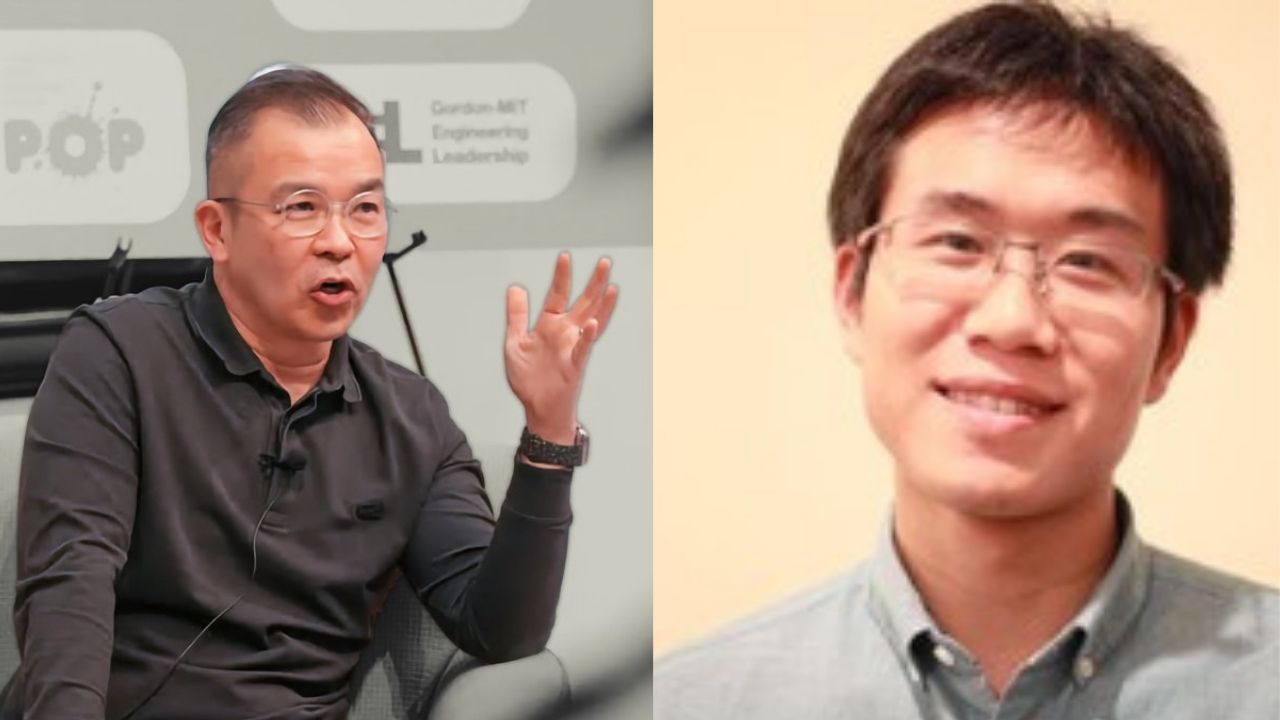
New Allegations About Chang Liu Change the Case
The most significant recent development in the legal fight between Apple and OpenAI is new allegations against Chang Liu . Apple claims that Liu did not return a MacBook issued by the company after he left Apple, and that he accessed confidential technical files through the device.
On August 31, 2026, Apple alleged that Liu accessed a confidential Apple circuit schematic and used that information in his work at OpenAI. Apple also claimed that Liu used a tool with the same name as one of Apple’s internal engineering tools.
Apple’s allegations do not stop there. The company also claims that after Liu learned of the investigation, he asked OpenAI employees for help in removing certain data or evidence.
Why Is Jony Ive Not a Defendant in the OpenAI Lawsuit?
No official reason has been given for Apple’s decision not to name Jony Ive personally in the lawsuit. However, a closer look at the structure of the case reveals an important difference.
Apple’s claims are built on specific employees accessing specific Apple information and that information being used in OpenAI’s work. Jony Ive, however, is not personally accused of such conduct in the lawsuit. Moreover, Ive’s role at OpenAI is described mainly in terms of design and creative direction.
According to OpenAI’s own statement, after the io Products team joined OpenAI, Jony Ive and LoveFrom remained independent and took on design and creative responsibilities across OpenAI.
What Is Jony Ive’s Role at OpenAI?
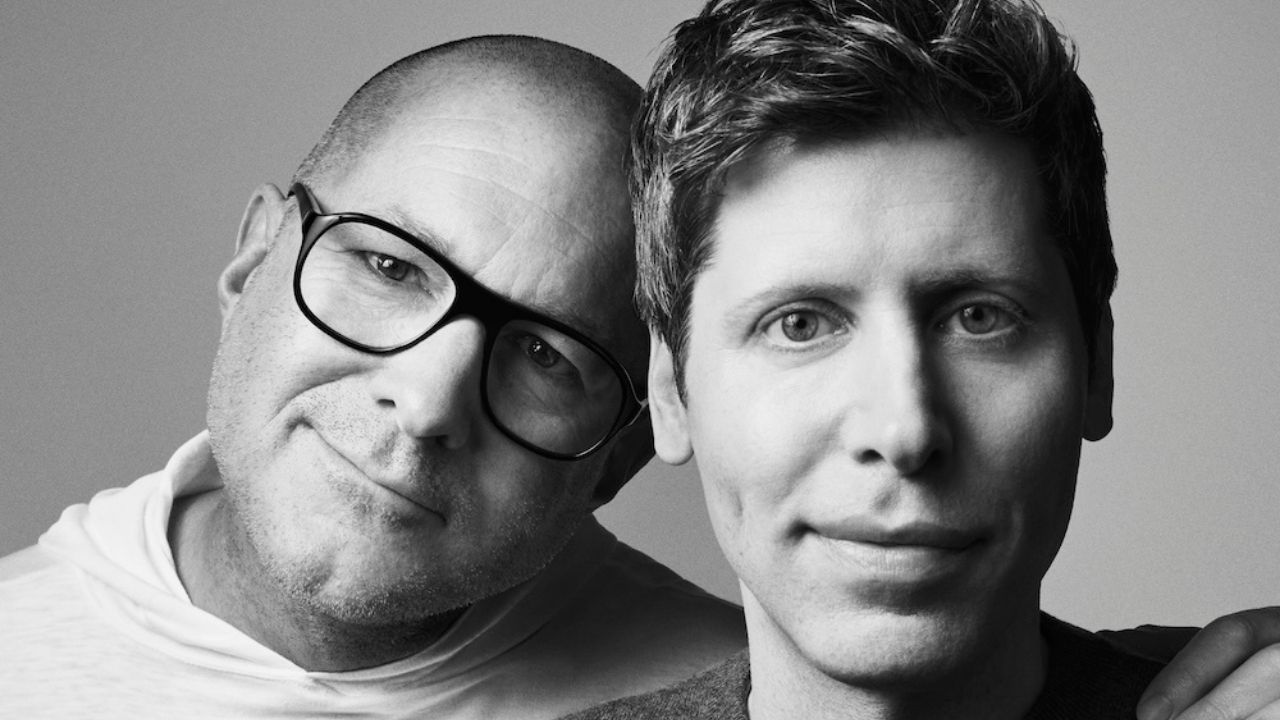
Jony Ive’s relationship with OpenAI became more visible in 2025. Ive and the LoveFrom team began working with Sam Altman on new AI-focused hardware products. This work later led to io Products, the company Ive founded with Scott Cannon, Evans Hankey and Tang Tan.
In July 2025, OpenAI announced that the io Products team had joined OpenAI. The company said Ive and LoveFrom would remain independent, but would take on design and creative responsibilities across OpenAI.
So Jony Ive is an important part of OpenAI’s hardware strategy. However, that role does not make him one of the individual defendants in Apple’s lawsuit. It is also notable that io Products is named in Apple’s case, while Jony Ive is not personally a defendant.
Why Is OpenAI Building Hardware?
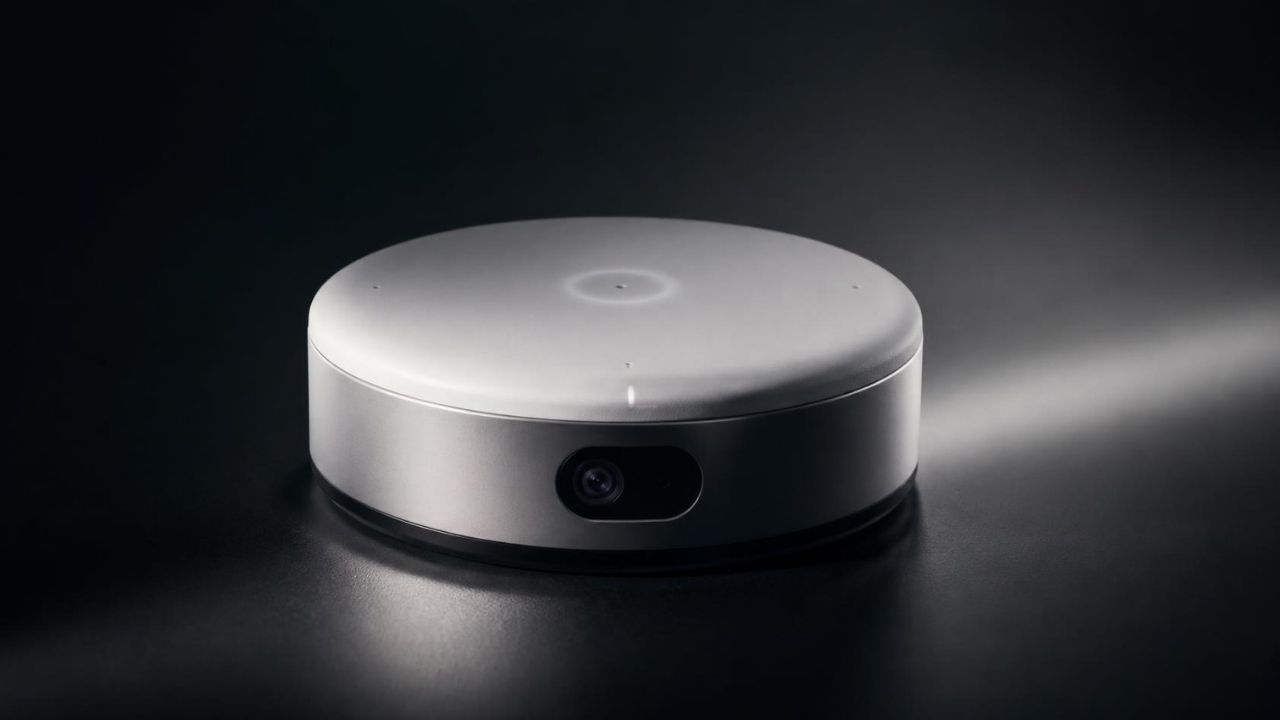
OpenAI’s move into hardware suggests the company does not want to remain only a software company that builds ChatGPT and AI models. The work with Jony Ive aims to create a new user experience in which AI is integrated directly into physical products.
It has not yet been announced exactly what the first product that OpenAI and the io team are working on will look like. Earlier court documents showed that the team has evaluated different hardware concepts. However, the filings also included statements suggesting that the first product will not be a traditional in-ear device.
What Is Happening on OpenAI’s Side?
OpenAI rejects Apple’s allegations and wants the lawsuit dismissed. One key point in the company’s defense is that Apple cannot prevent its employees from joining another company. OpenAI also questions the security and access procedures Apple applied when its own employees left the company.
OpenAI argues that Apple has not been able to prove that trade secrets were obtained unlawfully. The company also points out that about 400 former Apple employees work at OpenAI, arguing that employee movement is normal in the technology industry.
OpenAI’s core argument rests on this distinction: professional knowledge and experience that an employee gained at a former employer is not automatically a trade secret. For a trade secret claim to succeed, specific protected information must have been obtained or used unlawfully.
What Do Apple’s New Pieces of Evidence Mean?
Apple's new filings suggest the company does not want to keep the case limited to a hiring dispute. Apple says it obtained new evidence after examining Liu’s computer, and it is requesting expedited discovery on the grounds that some digital records could be deleted over time or overwritten with new data.
Apple also claims that OpenAI has not been careful enough in preserving some evidence. OpenAI denies this allegation. As a result, digital devices, access logs, file histories and employee communications may become important in the next phase of the case.
Where Is the Competition Between Apple and OpenAI Heading?
The importance of the case for the technology industry goes beyond whether Jony Ive is personally a defendant. Apple and OpenAI previously worked together in various areas. However, OpenAI’s goal of developing its own AI hardware is making the two companies increasingly direct rivals.
OpenAI’s decision to place a former Apple design leader such as Jony Ive at the center of its hardware strategy also symbolically strengthens that rivalry. For Apple, the issue is not only that former employees have moved to a rival company. If its claims prove correct, confidential hardware and manufacturing knowledge held by former employees could be used to develop a competing product.
For OpenAI , a ruling in Apple’s favor could mean facing greater legal risks when hiring talent from rival technology companies in the future. For this reason, the case also matters for the future of the talent and technology competition between AI companies and traditional technology companies.
Is Jony Ive Expected to Be Added to the Lawsuit Later?
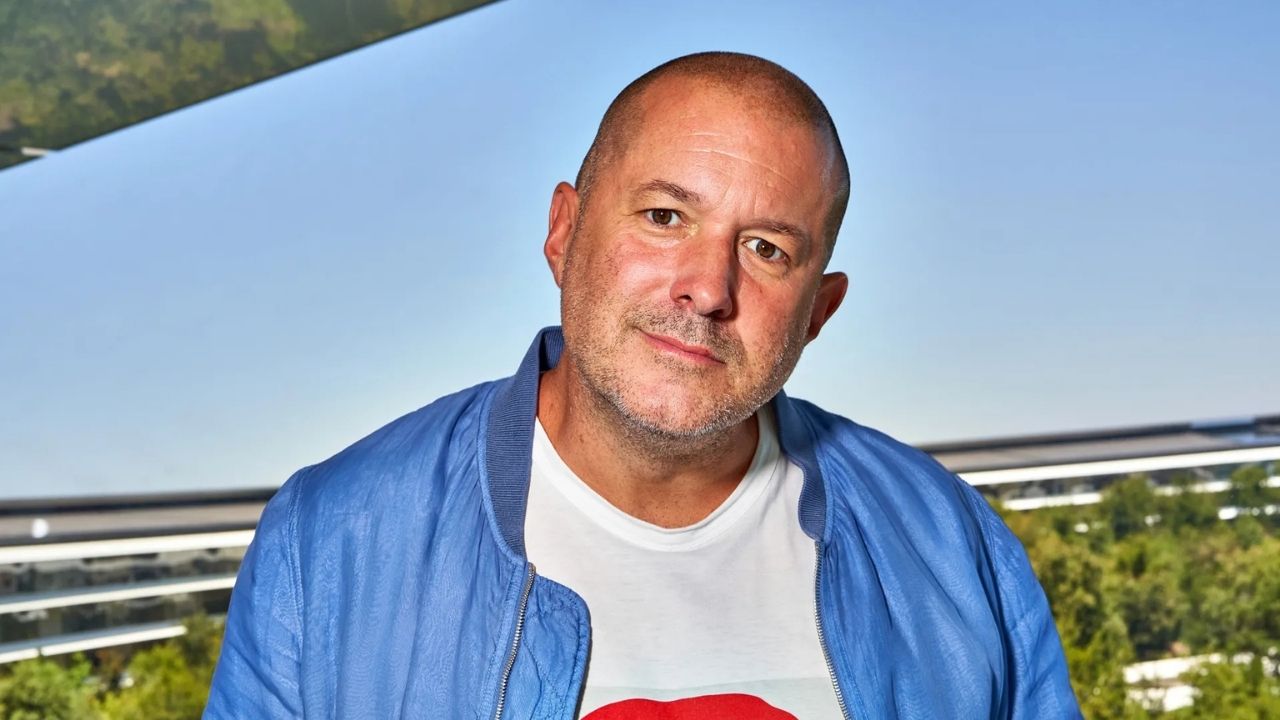
In theory, Apple could change its claims if new evidence emerges in later stages of the case. Apple, OpenAI and io Products, along with former Apple employees Tang Tan and Chang Liu, are facing trade secret and contract breach claims.
Jony Ive, although an important creative figure in OpenAI’s hardware work, is not personally a defendant. The case has also not been resolved. OpenAI wants the lawsuit dismissed, while Apple is trying to speed up the discovery process based on new evidence. An important court hearing is also reported to be scheduled for October 1, 2026.
Apple has not made the same specific trade secret claims against Ive personally in the public filings. io Products, which Ive founded, is a party to the case. No official statement has been made explaining why Apple has not targeted Ive personally.
Frequently Asked Questions
Is Jony Ive a Defendant in the OpenAI Lawsuit?
No. Jony Ive is not personally among the defendants in the lawsuit. However, io Products, which Ive founded, is a party to the case.
Why Did Apple Sue OpenAI?
Apple alleges that former employees took confidential hardware, engineering and supply chain information that qualifies as trade secrets to OpenAI, and that this information was used in new hardware work. OpenAI denies the allegations.
What Is Jony Ive Doing for OpenAI?
Jony Ive and LoveFrom have taken on significant responsibilities in OpenAI’s design and creative work. Ive’s io Products team has also joined OpenAI’s hardware work.
Why Didn’t Apple Sue Jony Ive?
Apple has not officially explained why Ive was not personally named in the lawsuit. For this reason, it is not possible to state the exact reason Ive was left out of the case.
Is io Products, the Company Jony Ive Founded, in the Lawsuit?
Yes. io Products is one of the parties named in the lawsuit Apple filed. However, this does not mean that Jony Ive is personally a defendant.
Has the Apple and OpenAI Lawsuit Been Resolved?
No. As of September 2026, the lawsuit is ongoing. Both sides are filing motions with the court about the scope of the case, the evidence and the discovery process. An important hearing is expected in October 2026.
Does OpenAI Accept Apple’s Allegations?
No. OpenAI rejects the claim that trade secrets were used unlawfully and asks for the lawsuit to be dismissed
WriterYapay Zeka ile Film Yapımı Tartışılıyor: Asphalt Guerrilla


Ajan Yapay Zeka (Agentic AI) Nedir ve Neden Önemli?