AI Filmmaking Debated: Asphalt Guerrilla
Automatically translated
 Admin
AI filmmaking is no longer just experimental videos presented by tech companies. AI-generated images have started to enter the narrative world of festival films. One of the latest examples is Asphalt Guerrilla by Portuguese director Edgar Pêra.
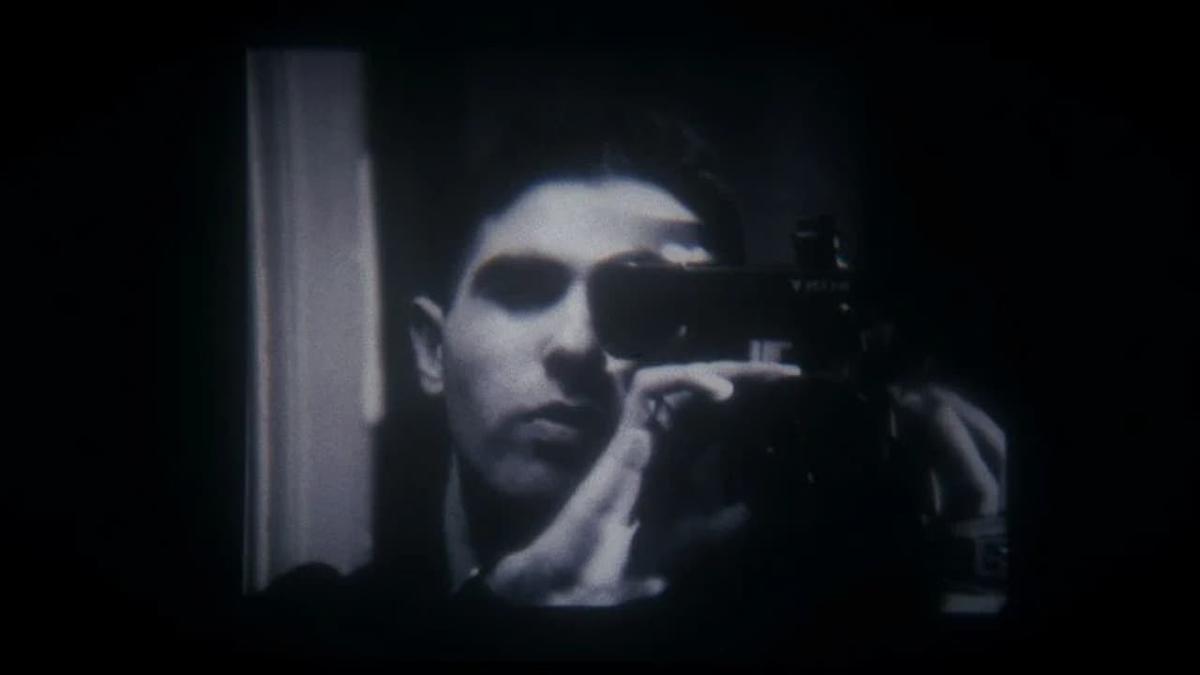
The 77-minute film, originally titled Guerrilha no Asfalto, had its world premiere on August 10, 2026, at the 79th Locarno Film Festival, where it was shown in the festival's non-competitive section. The film places the political atmosphere in Portugal after the 1974 Carnation Revolution, the urban guerrilla organization FP-25, and the director's own struggle to make cinema within the same story.
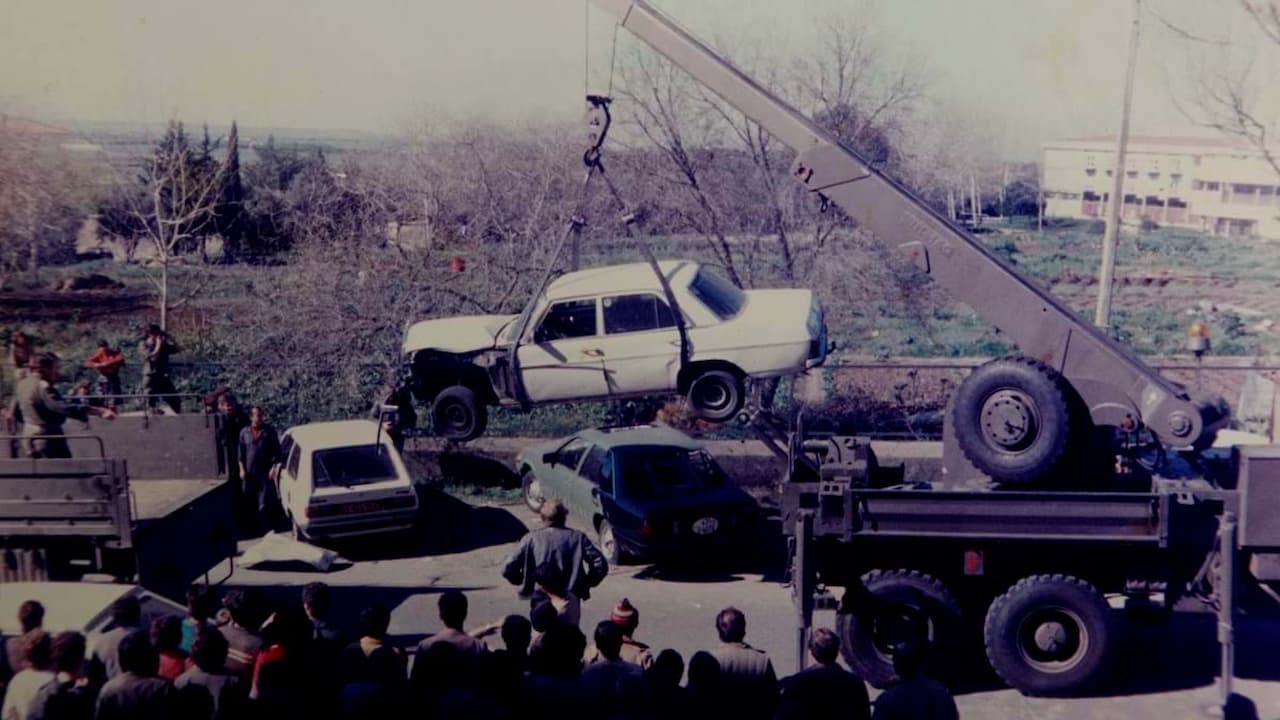
However, the detail that brought Asphalt Guerrilla to the attention of the technology world is slightly different from the story itself. Pêra uses images created by artificial intelligence in the film, and he does not treat this merely as a technical choice to speed up production. On the contrary, he makes the way AI blurs the boundary between real and fiction part of the film's narrative.
What Is Asphalt Guerrilla About?
Asphalt Guerrilla is based on the book of the same name by Manuel Ricardo de Sousa. At the center of the story is a young student who joins a radical political organization in the early 1980s. While the film follows this character's relationship with the organization, the violence linked to a bank robbery, and his eventual lynching by a crowd, it also shows how this story has been an attempt to be turned into a film over the years. This second layer takes the film out of the category of an ordinary political drama.
Edgar Pêra is not only depicting the political tension in Portugal's recent history. He also brings his own understanding of cinema into the story. The independent, experimental and punk aesthetic he has defended for many years takes the idea of the "guerrilla" in the film beyond its political meaning and applies it to filmmaking.
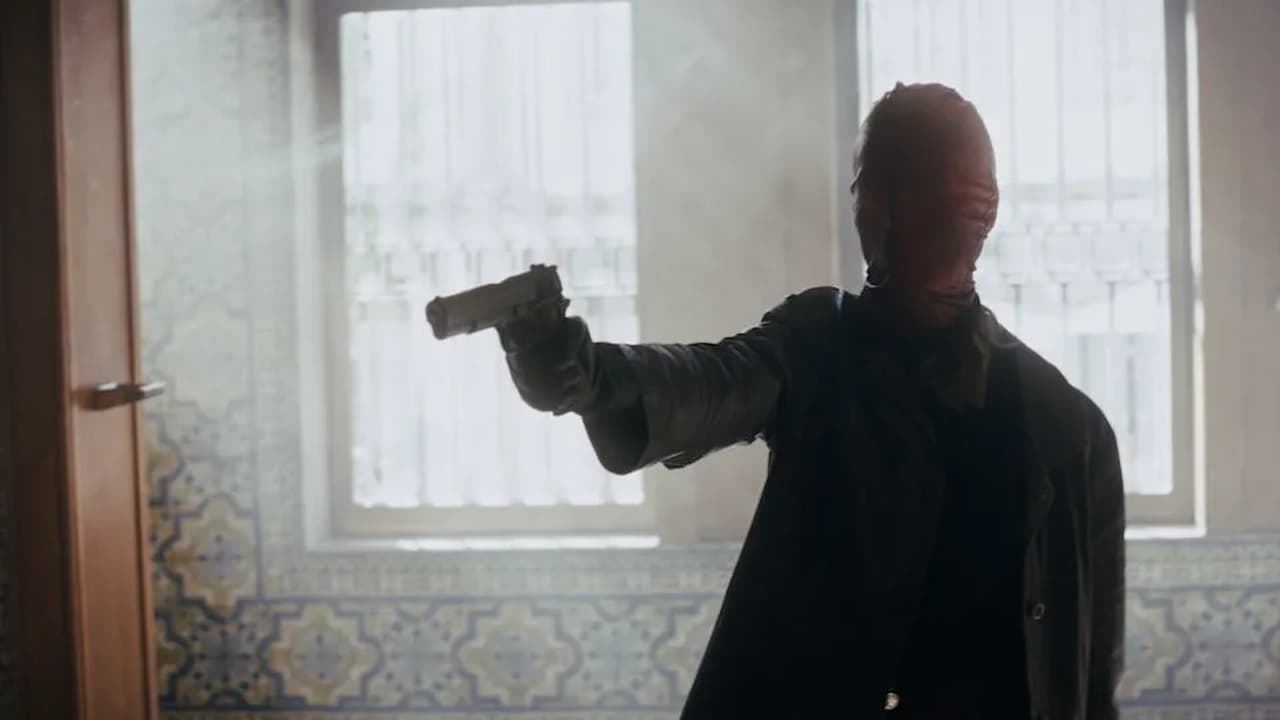
This approach is also clear in Bando à Parte's description of the film. The production follows the radical organizing of the early 1980s, while also tracking the director's effort to make films outside the system using "guerrilla" methods. So the concept of guerrilla in the film does not refer only to armed organization. For Pêra, the camera is also a tool that can be used against the system. This detail makes the AI question even more interesting.
How Is AI Used in the Film?
Asphalt Guerrilla is not a film made entirely by artificial intelligence. It is important to make this distinction. The film uses real archival footage, fictional scenes, the director's personal history, documentary aesthetics, and AI-generated images within the same structure. So when we talk about "AI filmmaking" here, we are not talking about a system where a whole film is created with a single click.
Pêra's approach is more interesting: he includes AI in the problem the film wants to address. The director says that in AI-generated images, he tries to leave clues that show they were created by AI as much as possible. However, he also notes that in some scenes, to show the danger of the technology, AI has to behave as aggressively as the technology itself. He questions how easily the boundary between real and fake can disappear in a world where news and images can be produced by artificial means.
After all, he does not treat AI merely as "a new camera that produces very beautiful images." He brings into the film how AI shapes the image, which clichés it falls back on, and how it can change the viewer's sense of reality. For a technology-minded viewer, this is a much more interesting debate. Because the question is no longer "Can a film be made with AI?" Instead, it becomes "How real does an AI-generated image look to us, and why?"
Does Edgar Pêra Fully Trust AI?
Judging by Edgar Pêra’s statements, the answer is quite clear: No.
The director does not hide that he keeps his distance from AI. He also clearly states that he is seriously bothered by some of the technology's features. In his view, one of the most problematic aspects of AI is that it is beginning to automate creativity itself.
For example, users asking AI systems to produce not only visuals but also creative ideas and prompts is one of the points Pêra criticizes. For this reason, the director explains that he tries as much as possible to move away from aesthetics guided by ready-made algorithms and to create his own prompts and his own production logic. This approach touches on an important problem for anyone who makes images with AI.
When you open a model and type "cinematic, dark, auteur film frame," how much of the resulting image really belongs to you? How much is it influenced by the model's training data, films it has seen before, and visual patterns on the internet? This is exactly one of the issues Pêra is concerned with.
A review of the film by the Italian film publication Pointblank also draws attention to a similar point. It notes that in Pêra's approach to AI, he questions the repetitive visual patterns of models, specific aesthetic clichés, and especially the standard visual worlds that appear when "director's film" is requested.
Why Is AI Filmmaking So Controversial?
We need to recognize that the debate in the film industry no longer stays at the level of "Does AI produce beautiful images?"
AI can enter many stages of filmmaking, including screenwriting, storyboarding, visual development, VFX, animation, sound and post-production. This gives small teams a serious advantage. Some visual ideas that once required large budgets can now be tested at much lower costs.
However, lower costs alone do not mean cinema has become democratized. In cinema, the issue is not only producing an image. An actor's performance, the physical presence of the camera in a location, unexpected changes in light on set, the relationship between the director and the actor, and mistakes made during shooting also shape a film's aesthetics.
AI, on the other hand, often works in the opposite way: it draws a probability space from the data it has and rebuilds the desired image within that space. An AI model can technically produce a flawless scene.
Can AI Replace the Director in Cinema?
For now, it is not possible to reach such a conclusion based on Asphalt Guerrilla.
The film itself does not support the idea that "the director is now unnecessary." On the contrary, Pêra's approach makes the director's importance more visible. Because the director still decides how the images taken from AI will be used, where they will be shown, which image will be deliberately left raw, and how they will be placed next to real footage.
AI can generate an image, but it cannot automatically determine the meaning of that image within a film. An AI-generated image showing a bank robbery is, on its own, just an image. When you place it next to a real archival image, it gains a different meaning. When you combine it with a recording from the director's own past, another meaning emerges. And when you make the viewer ask "Is this image real?", the image itself becomes part of the narrative.
What Pêra does is precisely play with these layers. That is why labeling Asphalt Guerrilla as "a film made with AI" is somewhat incomplete. A more accurate description might be a film that uses artificial intelligence as a tool to work on cinema's problem of reality.
Will the Future of Cinema Be Entirely AI?
Most likely not. But it is now much clearer that AI will have a lasting place in film production. Asphalt Guerrilla is not the only sign of this. The screening of the entirely AI-generated film Dreams of Violets at the 2026 Tribeca Film Festival also moved the same debate to another point. There, AI was no longer an auxiliary production tool but the basic mechanism behind the film's visual creation. Asphalt Guerrilla, on the other hand, takes a different path.
Here, AI does not take over the whole film. It sits at the same table with real footage, archives, actors and the director's personal film history. A director might use AI only to prepare storyboards. Someone else might generate backgrounds. Another might design a scene that cannot be physically filmed with AI and then recreate it on a real set. The real issue is not whether the tool is used, but the director's control over that tool.
AdminHollywood'un Dev Yönetmenleri Yapay Zekaya Neden Karşı?
Jony Ive OpenAI Davasında Apple Neden Geri Planda?